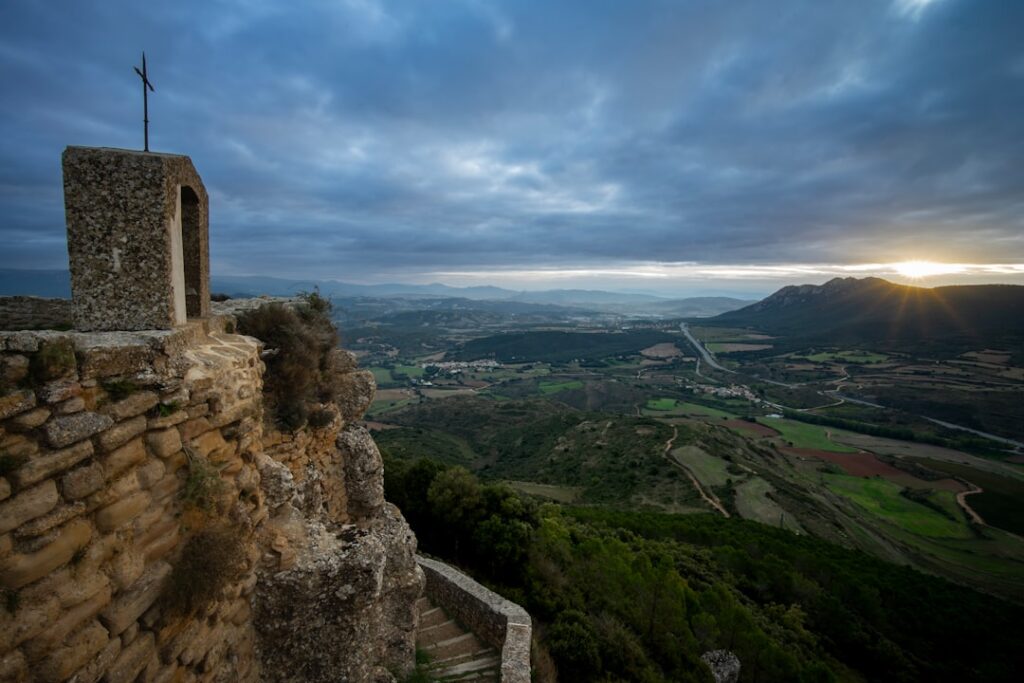
Introduction: A Deep Dive into Civita Castellana Ceramics
In Lazio, about fifty kilometres north of Rome, sits Civita Castellana — a small town of narrow, historic lanes and a deeply artisanal spirit. Ceramics here are more than a trade: they’re a living tradition, a language of clay and glaze that tells stories of centuries of exchange, influence and creativity. Wandering through Civita Castellana, you can almost feel the history of tuff, kilns and the hands that shape the material. The scent of wet clay mingles with the aroma of Italian coffee; ochre facades and little piazzas frame workshops where raw matter is transformed.
This article is an immersive invitation: workshop visits, potter profiles, practical details (addresses, opening hours, prices), tips for taking a class and advice on bringing pieces home safely. The aim is twofold: give you concrete directions to plan a visit and offer a sensory read that captures the unique atmosphere of Civita Castellana’s studios. Whether you’re a collector, curious traveler or fan of folk art, you’ll find routes, addresses and practical tips to make the most of the experience.
The ceramic tradition of Civita Castellana is rooted in a long history of Mediterranean cultural contacts; from Renaissance styles to Spanish and Moorish influences, local potters developed characteristic motifs — arabesques, gold fillets and deep green glazes — and elevated everyday forms: amphorae, decorative plates, tiles and small votive sculptures. Today’s workshops blend ancestral know-how and contemporary innovation: some masters stick to glaze recipes passed down through the generations, while others experiment with wood firings, polychrome clays or collaborations with designers.
Visiting Civita Castellana means navigating between memory and modernity. On site you can witness the entire artisan chain: sorting the clay, preparing slip, throwing, hand-decorating, glazing and firing. For visitors there are hands-on experiences that let you shape your first piece, learn how to apply slip and traditional decoration, or observe a firing in a gas or wood kiln. These workshops are often modest and intimate, focusing on friendly, visitor-friendly teaching.
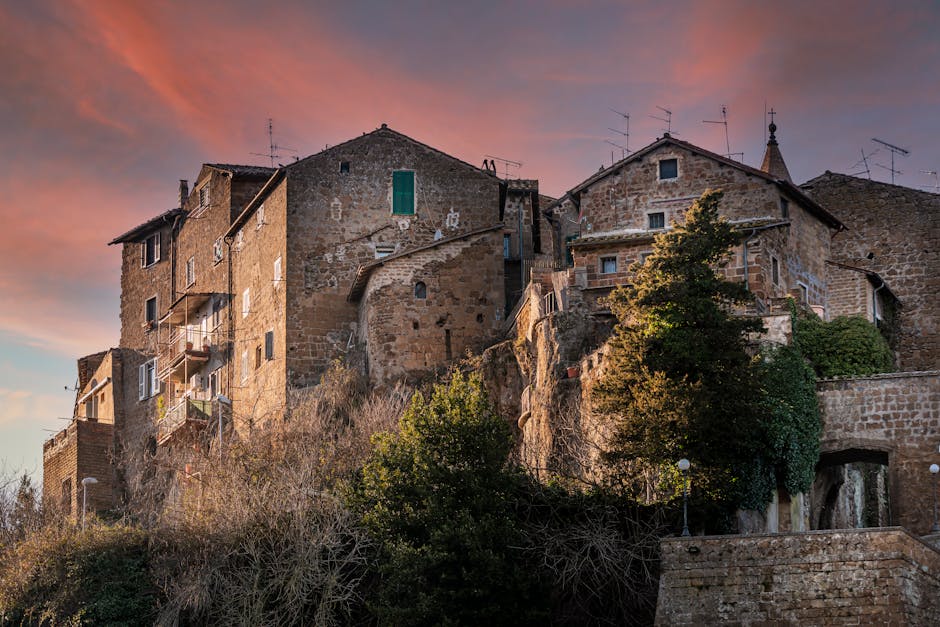
Before diving into practical details and workshop recommendations, a few geographic and historical pointers: Civita Castellana is in the province of Viterbo in the Lazio region. The historic center, dominated by the powerful Rocca dei Prefetti di Vico, is a maze of shops and studios where ceramics compete in imagination with the urban landscape. The welcome is warm, artisans are usually happy to share their passion, and most visitable places either charge modest entry fees or offer paid sessions to take part in potter’s work.
Must-see spots: workshops, museums and shops to visit
To really immerse yourself in local ceramics, start with the reference addresses. Here’s a selection of places not to miss, with addresses, indicative opening hours and visitor information. Hours can change with the season and public holidays; it’s best to call or check official pages before you go.
1. Museo della Città e della Ceramica – Palazzo Vitelleschi
Address: Piazza Matteotti, 1, 01033 Civita Castellana VT, Italy.
Opening hours: Tuesday–Sunday 09:00–13:00 and 15:00–18:00 (closed Monday).
Admission: general around €6.00; reduced €3.00 (students, 65+); free for children under 6.
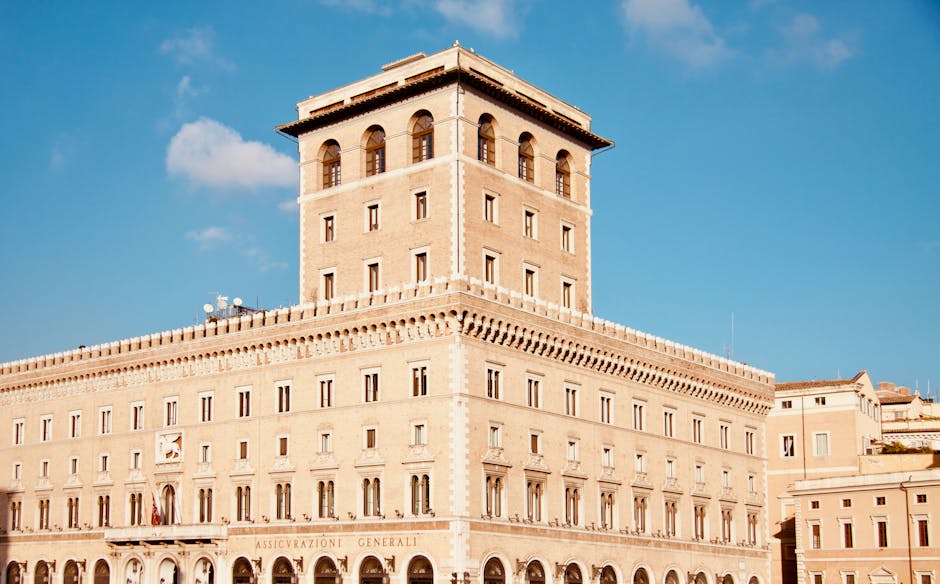
Description: Housed in the majestic Palazzo Vitelleschi, the Museo della Città e della Ceramica features a permanent collection dedicated to local ceramics from Roman times through the 20th century. Displays include painted plates, archaeological fragments and reconstructions of kilns and workshop tools. The layout highlights the link between the raw material (local clays) and firing techniques. For visitors, it’s a must-see to understand the stylistic and technical evolution of Civita’s potters.
2. Laboratorio Ceramiche Artistiche « Officina del Torrione »
Address: Via della Rocca, 7, 01033 Civita Castellana VT, Italy.
Opening hours: workshop open to the public Tuesday–Saturday 10:00–13:00 and 15:00–19:00; demonstrations by appointment on Sunday.
Prices: guided workshop tour €5.00; beginner workshops (2 hours) €35.00 per person, materials included.
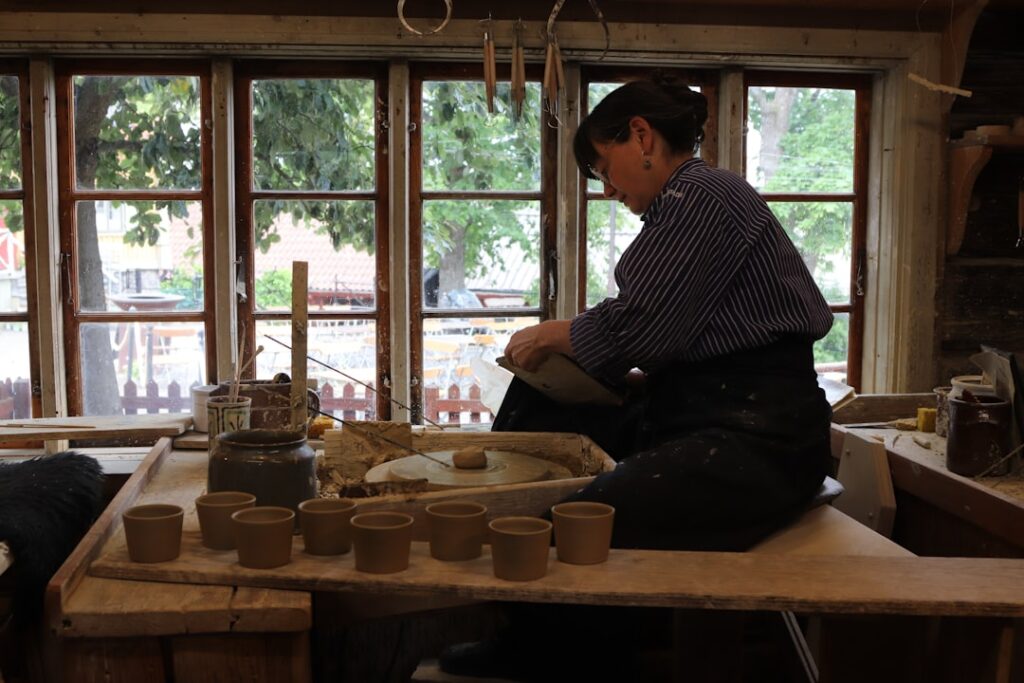
Description: Located under the ramparts near the Rocca dei Prefetti di Vico, Officina del Torrione is an atelier-shop where artisans and young designers collaborate. You can watch live throwing, brush decoration and recent firings. The workshop runs daily demonstrations and beginner classes. Items for sale range from utilitarian tableware to signed limited editions, often marked with a small recognizable stamp. It’s a great spot to talk technique (slips, underglaze, ornamentation) with master potters and get practical advice on exporting purchases.
3. Bottega Ceramiche « Antiche Mani » – shop and studio
Address: Via Roma, 12, 01033 Civita Castellana VT, Italy.
Opening hours: Monday–Saturday 09:30–13:00 and 16:00–20:00; Sunday closed in the morning, open afternoons 16:00–20:00.
Prices: free entry to the shop; private lessons by reservation, €45.00–€80.00 depending on duration and type of session.
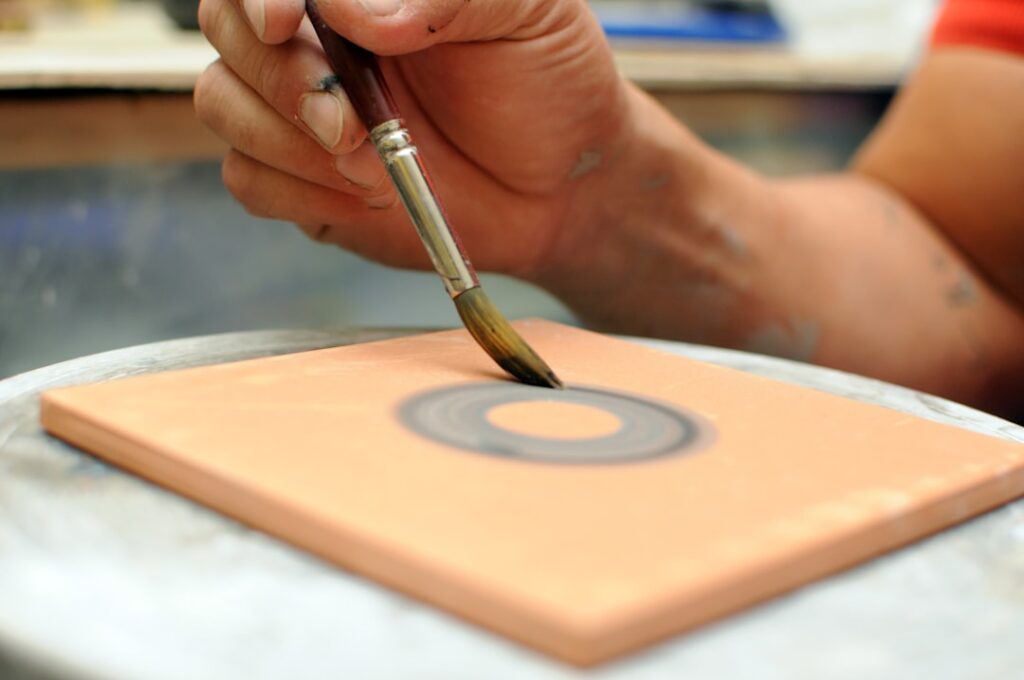
Description: « Antiche Mani » is a typically Italian bottega where you’ll find hand-painted tiles, plates decorated with traditional motifs (filetti, arabesques, cherubic heads) and contemporary objects. The studio also offers restoration services for old ceramics — useful if you have damaged pieces that need a touch-up. The shop is tourist-friendly: English labels, gift wrapping and international shipping available.
4. Studio Ceramico Contemporaneo « La Fornace Nuova »
Address: Strada Provinciale Ponzano Romano-Civitavecchia, 56, 01033 Civita Castellana VT, Italy (outskirts, car access recommended).
Opening hours: visits by appointment; lab open for classes and artist residencies 09:00–18:00 on weekdays.
Prices: short residencies (3 days) from €150.00; intensive courses (1 day) €70.00 per person.
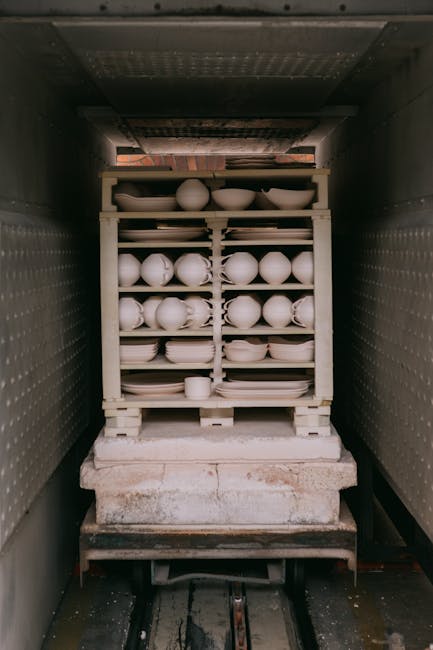
Description: For experimenters, La Fornace Nuova is an industrial space turned studio where mixed firings (gas, wood, raku) are practiced. Guest artists test innovative glazes and surface techniques here. Guided visits include tours of the large kilns, explanations of thermal cycles and sometimes live firings. Residencies encourage international exchange and often let you leave with a set of pieces made on site.
Tips for choosing what to visit
- Start at the museum (Palazzo Vitelleschi) to get the historical context before admiring contemporary workshops.
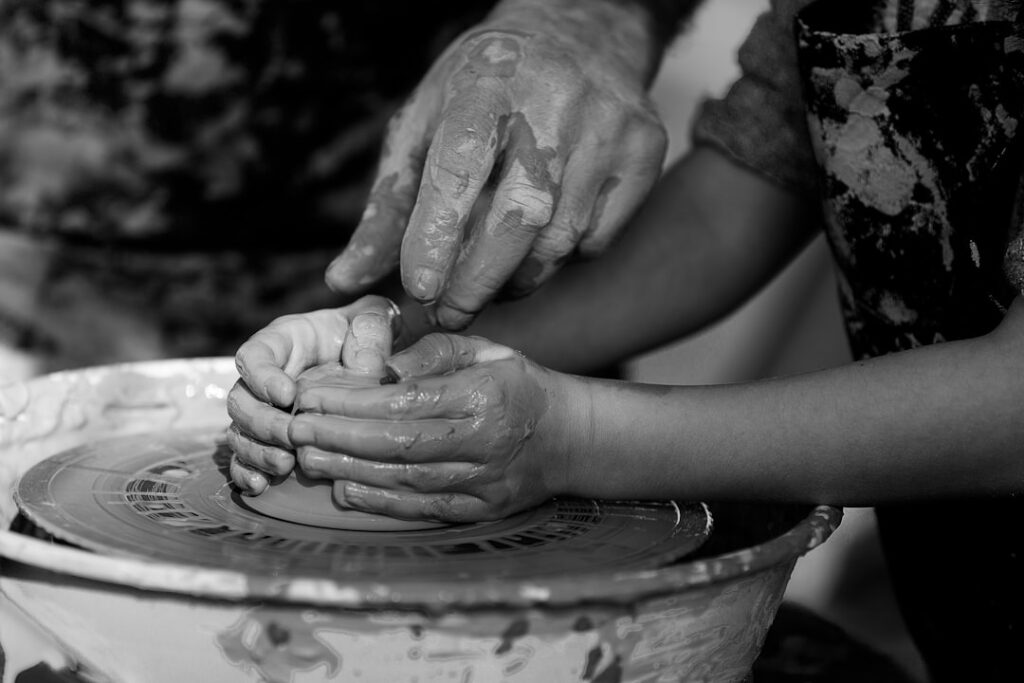
- Prioritise open workshops that offer demonstrations and hands-on sessions: you’ll learn more in a two-hour intro than from observation alone.
- Book ahead if you want to take a class, especially in high season (May–September) and on weekends.
- Plan for a car for some outskirts studios (La Fornace Nuova), or use local taxi services.
Hands-on immersion: joining a workshop and learning pottery
Trying pottery in Civita Castellana is often the highlight of a stay. Workshops vary by level, length and teaching approach. Here’s a practical guide to choose and get the most from a session.
Types of workshops offered
Generally you’ll find three formats:
- Short intro (1.5–2 hours): ideal for families or visitors with limited time. You’ll discover the wheel, simple hand-shaping and surface decoration. Typical price: €30.00–€45.00 per person, materials included.
- Half-day workshop (3–4 hours): allows you to make several pieces, learn slip techniques and apply a glaze. Typical price: €60.00–€90.00.
- Intensive course / residency (one day to several days): for advanced amateurs or artists, these deepen knowledge of firings, glaze chemistry and finishing. Prices vary from €150.00 and up.
Most workshops include bisque firing and sometimes postal delivery of fired pieces. Always check:
- whether the final firing is included;
- delivery timelines if you can’t bring pieces home yourself;
- insurance conditions for residency courses.
Tips for your first session
Practical recommendations to get the most from your experience:
- Wear comfortable, old clothes — clay stains.
- Bring water and a snack, especially for longer workshops.
- Bring a notebook to jot down glaze recipes or clay proportions — some artisans share useful tips that aren’t written down.
- Respect drying and firing times: a poorly dried piece can crack in the kiln.
- If you’re an international traveller, check customs rules before importing large quantities or pieces with metal (gilding).
Potter profiles and local techniques
The richness of Civita Castellana lies in the many hands shaping the clay. Here are typical profiles and techniques you’ll frequently encounter.
The master thrower
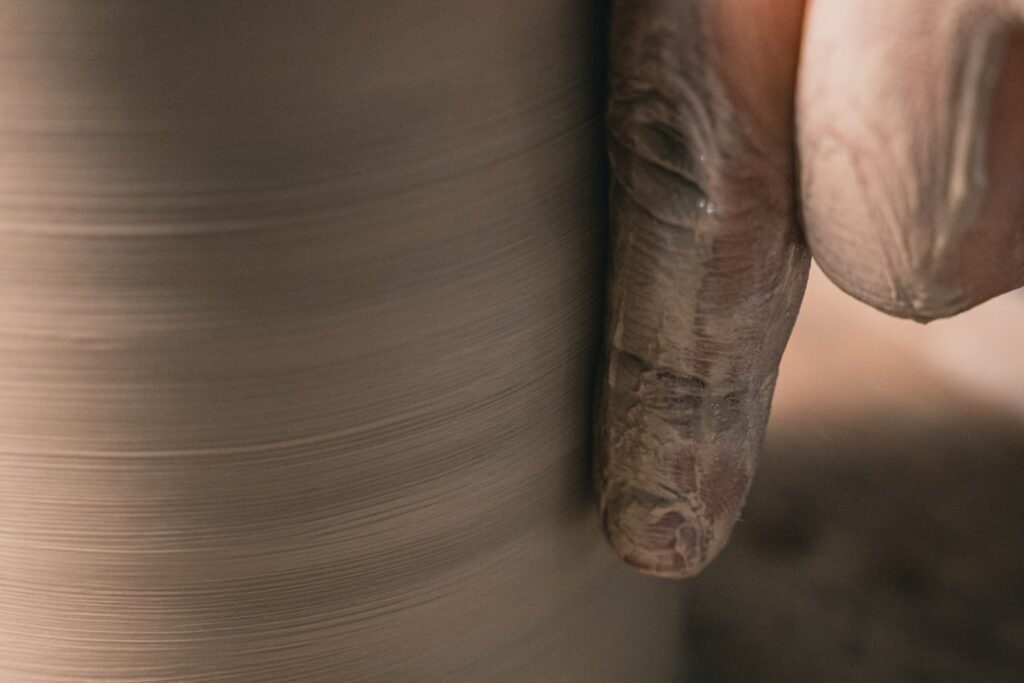
Description: The thrower often comes from a family line of potters. Mastery of the gesture comes from years of practice: setting the wheel speed, controlling wall thickness and removing pieces without distortion. They produce utility runs (cups, bowls, jugs) as well as exceptional commissioned works. Technique: throwing on electric or kick wheel, controlled drying, reworking on the wheel to refine form after leather-hard stage.
The traditional decorator
Description: Skilled with a brush, they hand-paint geometric motifs, arabesques and the filetti typical of Lazio. Some use sgraffito — scratching slip to reveal the body beneath — or apply crackle glazes. Technique: applying a colored slip to bisque ware, scraping or painting with oxides, final firing at 980–1050 °C depending on glaze composition.
The experimental ceramic artist
Description: These artists push the material’s limits: grogged clays, inclusions, raku firing and collaborations with designers for furniture or lighting. You’ll find them mainly in contemporary studios and artist residencies. Technique: high and low firings, surface treatments with organic polymers, testing metallic glazes.
Meeting these profiles in workshops not only lets you observe rare gestures, but also ask technical questions about clay composition, local grain sizes and tricks to avoid kiln cracks. Potters like to explain where their clays come from — often old regional quarries — and how that affects color and texture.
Practical tips for visiting Civita Castellana
To make your trip smooth and rewarding, here are logistical and practical recommendations.
Getting to Civita Castellana
From Rome: take SS2 Cassia bis or the A1 toward Orte, then follow SP1; by car count about 45–60 minutes from central Rome depending on traffic. By train: the nearest station is Orte (Orte Scalo) then regional Cotral bus to Civita Castellana. From Fiumicino airport plan 1h15–1h45 by car/taxi.
Accommodation and dining
Staying in the historic center puts you close to the workshops. Charming recommended hotels include Relais La Rocca (Via Civitacastellana, 4 — check availability), local B&Bs and rental apartments. For food, favour traditional trattorie: La Taverna della Rocca (Via del Duomo, 3 — homemade dishes €12.00–€20.00) serves local cooking, pasta with regional sauces and classic desserts. Cafés on the piazza offer caffè and cornetti — perfect for a break after visiting a studio.
Purchasing and packing
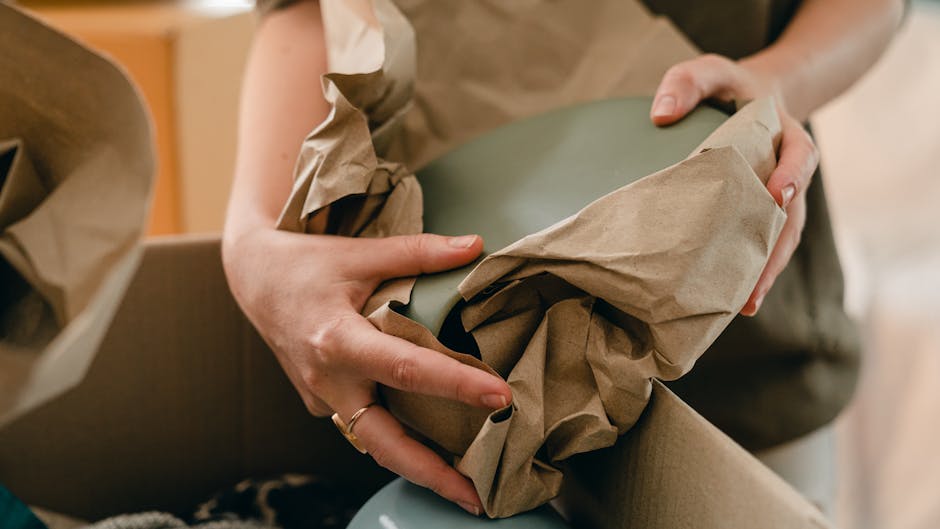
- Request professional packing for export (bubble wrap, reinforced boxes); many workshops charge €5.00–€20.00 for packing service.
- For postal shipping, prefer recommended carriers (Italian Post, DHL, UPS); keep tracking numbers and ask for insurance. European shipping costs for a 5 kg parcel: roughly €30.00–€60.00 depending on carrier.
- If you carry pieces in your checked luggage, wrap them in clothing and place them in the center of a hard-shell suitcase; for very fragile items consider sending a separate parcel from the shop.
Events, markets and highlights not to miss
Civita Castellana and the surrounding area host several ceramic and craft events worth timing your visit for: summer markets, artisan fairs and temporary exhibitions. Here are the regular highlights and how to prepare.
Annual Ceramics Fair
When: often held in May or September (dates vary).
Where: historic centre, streets and piazzas of Civita Castellana.
Access: usually free; some workshops or stalls offer paid mini-workshops (€10.00–€25.00).
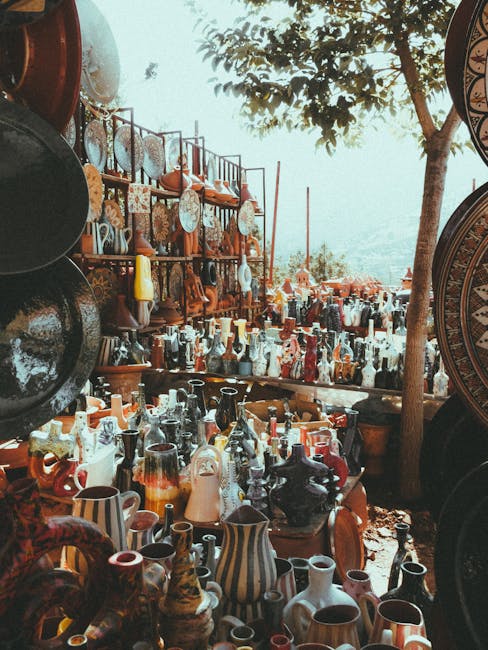
Description: During the fair many potters exhibit outdoors. It’s a chance to buy directly from makers, watch public demonstrations and take part in kid-friendly mini-classes. The atmosphere is festive, with food stalls highlighting local Lazio products (cheeses, cured meats, regional wines).
Artist residencies and temporary exhibitions
More and more workshops host international artists for residencies. These periods often culminate in final shows and studio sales. Dates are announced on workshops’ Facebook pages or the Civita Castellana town website. For enthusiasts, these exhibitions are precious moments to discover unique pieces and meet creators from elsewhere.
Conclusion: Between tradition and innovation — why visit Civita Castellana
Civita Castellana is a destination where authentic craft meets contemporary creativity. The density of workshops, the dedicated museum and the warm hospitality of the potters make it an ideal place to understand the language of Latin ceramics. Visiting the spots listed — from the Museo della Città e della Ceramica to the small neighborhood studio and experimental studios — gives you a full experience: technical learning, aesthetic wonder and human connection. Artisans willingly share their skills, family stories and often a welcoming cup of coffee.
Practically, plan your itinerary around opening hours (many workshops close early for the afternoon siesta) and book workshops in advance. Budget for classes and unique purchases: a decorated plate can cost between €25.00 and €80.00, while a master piece or limited edition can reach several hundred euros. Collectors should request provenance details (labels, signatures, certificates) — always ask for a detailed receipt.
Finally, remember the best way to enjoy Civita Castellana is to take your time: stroll the Piazza del Duomo, climb to the Rocca dei Prefetti di Vico for the views, and let conversations with artisans guide you. Whether you leave with a small glazed cup or a monumental piece, the visit will broaden your appreciation of ceramics and how a place preserves and renews its heritage. Civita Castellana, between Lazio and Mediterranean legacy, remains an essential stop for anyone who wants to touch the material and hear the stories the earth can tell.