Introduction — Ostia Antica in a day: why this site is worth the trip
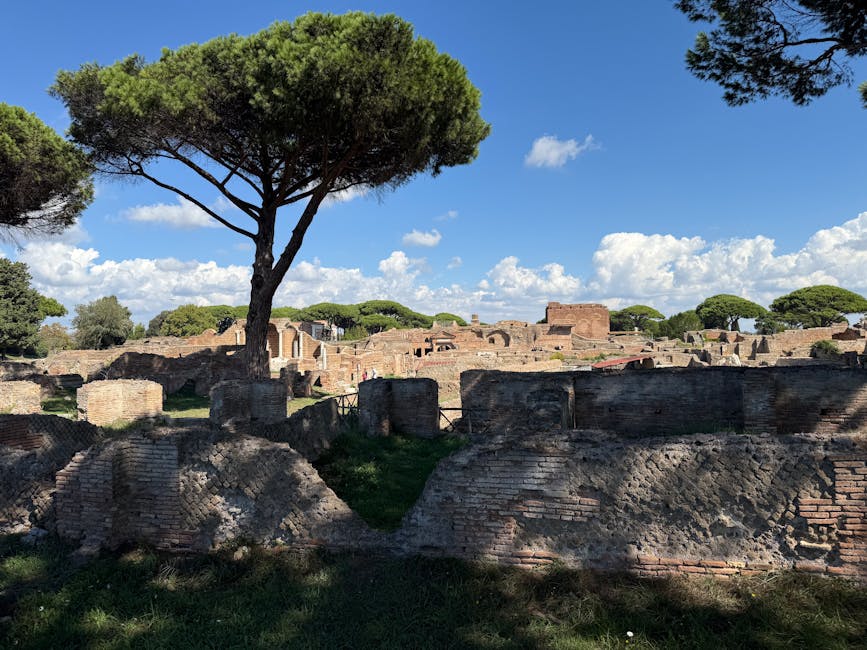
Ostia Antica is one of those places that feels suspended between sand and sea — close to Rome yet completely transportive. Once the imperial port of ancient Rome, Ostia preserves urban remains of surprising monumentality: paved streets, theatres, baths, intact mosaics and private houses that reveal everyday life from two thousand years ago. Visiting Ostia Antica in a day is a chance to dive into Roman urban planning without the oppressive crowds of central Rome — an almost intimate step back in time, scented by pinewoods and, if you plan it right, capped off with a refreshing swim at Lido di Ostia just a few kilometres away.
This article is written for the traveler who wants to make the most of a single day: a detailed itinerary, must-see monuments, exact addresses, entrance fees in euros, opening hours, immersive descriptions and practical tips for pairing ruins with the sea without stress. I also explain how to get to Ostia Antica from Rome, where to eat, on-site facilities, and how to enjoy the beach after your archaeological visit. The goal is for you to arrive with a clear plan, your tickets in hand if needed, and the certainty of a day full of discoveries, photos and memorable experiences.
Ostia is not just an open-air museum: it’s an archaeological landscape where you can read the interaction between economy, religion, family life and leisure in Roman times. The site’s legibility (straight streets, a Forum, tombs along the approaches) makes it an excellent learning ground for families and history buffs. Finally, the proximity of the coast is a rare bonus: after walking on ancient paving stones and wandering through palaces and baths, you can finish the day with a swim or an aperitif facing the Mediterranean.
This guide also includes practical recommendations: what kind of shoes to wear (closed but flexible shoes for walking on old paving), times to avoid for crowds and heat, where to buy tickets and when to opt for a guided tour. Practical info — full addresses, prices in euros, indicative opening hours — will help you organize the day without surprises. I also give several options for ending the day: a public beach, a paid stabilimento (private beach), or heading back to Rome for a late dinner.
Getting to Ostia Antica and first impressions (logistics and arrival)
Getting to Ostia Antica from Rome is straightforward, which explains its popularity with day-trippers and families. The official site address is Parco Archeologico di Ostia Antica, Via dei Romagnoli, 717, 00119 Ostia Antica RM, Italy. The most direct and economical route from Roma Termini station is the Roma-Lido suburban train line. Take a train towards « Ostia Antica » or « Ostia » and get off at Ostia Antica station (about 30–40 minutes depending on departure). From the station, the park is a 5–10 minute walk: follow the signs and the stream of visitors — you won’t miss it. Train fare depends on integrated zone tickets (Rome area): budget around €1.50–€2.00 if you use a metropolitan regional ticket validated in Rome.
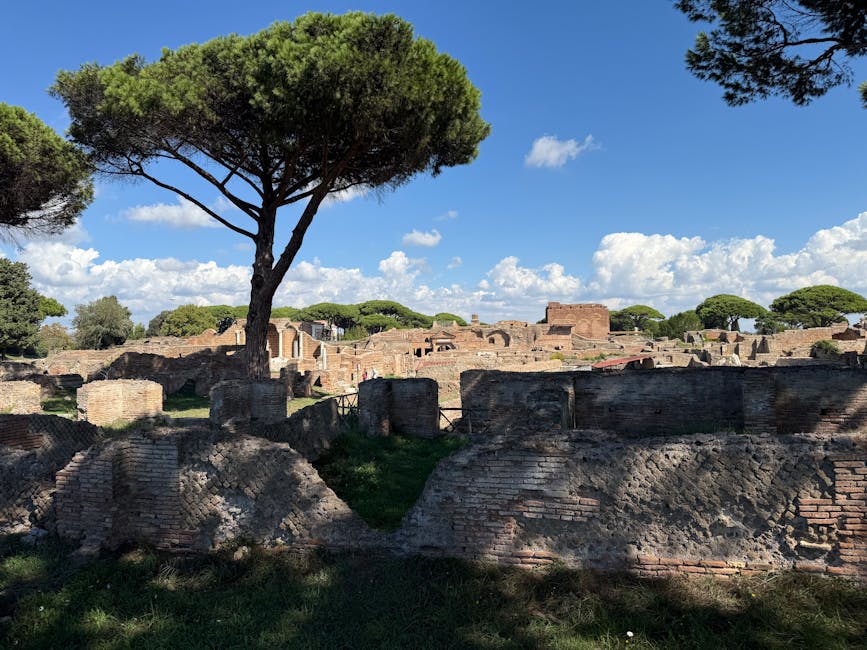
If you arrive by car, the driving address is the same: Via dei Romagnoli, 717. There are several car parks around the archaeological park; prices can vary by season (generally between €3 and €8 per day depending on location). Note: the streets near the centre of Ostia Antica are narrow, so it’s better to arrive early to secure an easy spot.
Recommended arrival times: to avoid heat and tour groups, leave Rome early and arrive at the park for opening. The Parco Archeologico di Ostia Antica usually opens from 8:30 to 19:30 (last entry often one hour before closing) during high season (April–October). In low season, early closures are common: often 8:30 to 16:30 or 8:30 to 17:00. Indicative entrance fees: €12.00 full price and €7.50 reduced (youth, seniors, special categories). Prices can change; check the official Parco Archeologico di Ostia Antica website before you go.
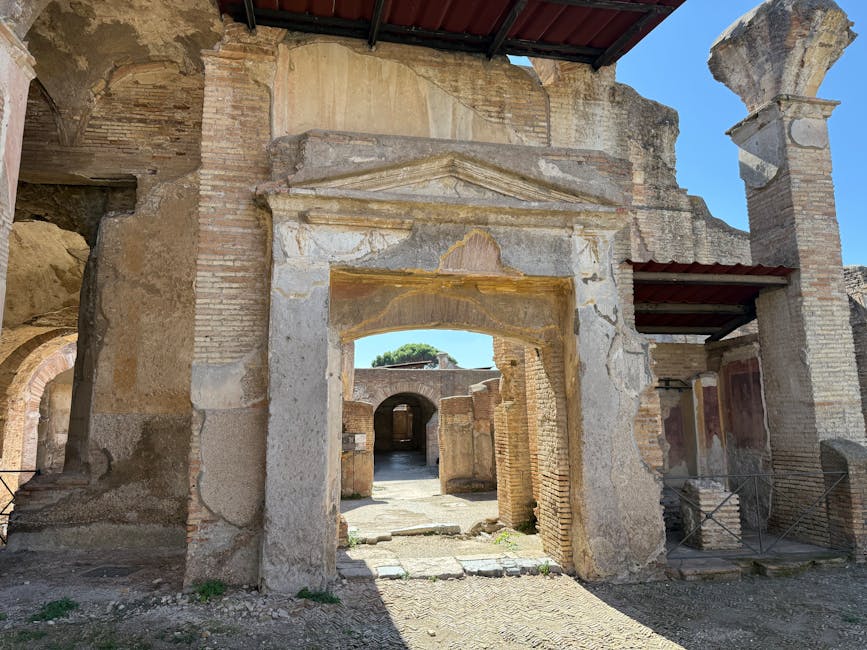
When you arrive, take a few minutes to look at the park map available at reception and locate restrooms and water points. The site is large: allow at least 2–3 hours for a quick visit, 4–5 hours if you want to explore in detail, take photos and use an audio guide or guided tour. Most paths are outdoors, so bring sun protection, a hat, and water. Shade is mainly near buildings and the scattered Mediterranean pines.
Ostia Antica’s must-see monuments: detailed visit and internal addresses
The archaeological park of Ostia Antica is packed with monuments that together form a true urban museum. Here are the places you shouldn’t miss, with immersive descriptions for each highlight. All monuments are inside the Parco Archeologico di Ostia Antica (Via dei Romagnoli, 717); the names below match the onsite inscriptions and panels you’ll encounter.
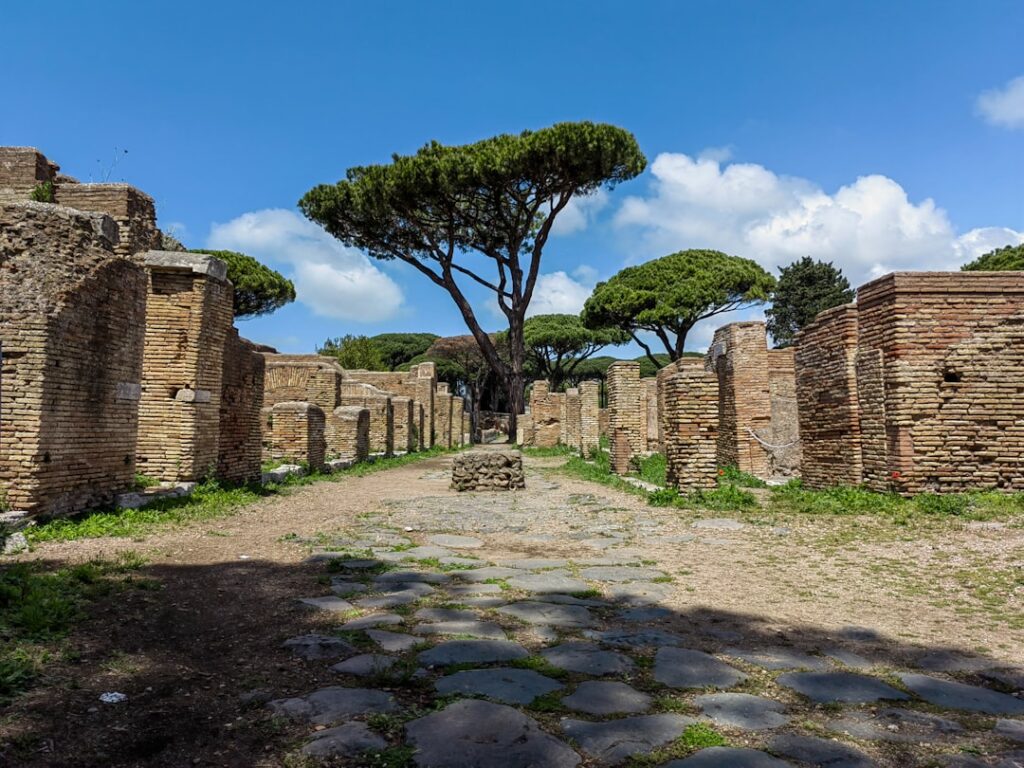
- The Forum of Ostia — civic and religious heart: Imagine market and political life; the Forum is lined with temples and administrative buildings. Columns, platforms and statue bases help reconstruct public ceremonies. From the Forum you can look down the Decumanus Maximus (the main east–west artery).
- The Theatre of Ostia (Teatro) — atmosphere and acoustics: The theatre, located near the Forum, could seat several thousand spectators. Sitting on the stone steps, you get a sense of the scale of ancient performances and how close actors were to the audience.
- The Baths (Terme di Nettuno and Terme di Plinio) — mosaics and restrained decoration: The baths preserve beautiful floor mosaics, pools and heated rooms. The sea-themed mosaics at Terme di Nettuno are particularly photogenic.
- The Decumanus Maximus and Via della Foce — paved streets and shops: These commercial arteries show tabernae (shops) with marble counters and stalls, even façades with advertising inscriptions, recreating the feel of Roman commerce.
- The House of Cupid and Psyche (Casa di Amore e Psiche) — private décor: A remarkable example of private housing with mosaics and frescoes that reveal the status of its inhabitants.
- The Porta Romana and the city walls — fortifications and access: They mark the transition between the town and the port’s countryside. The gate is a useful landmark to return to the entrance if you’ve ventured deep into the site.
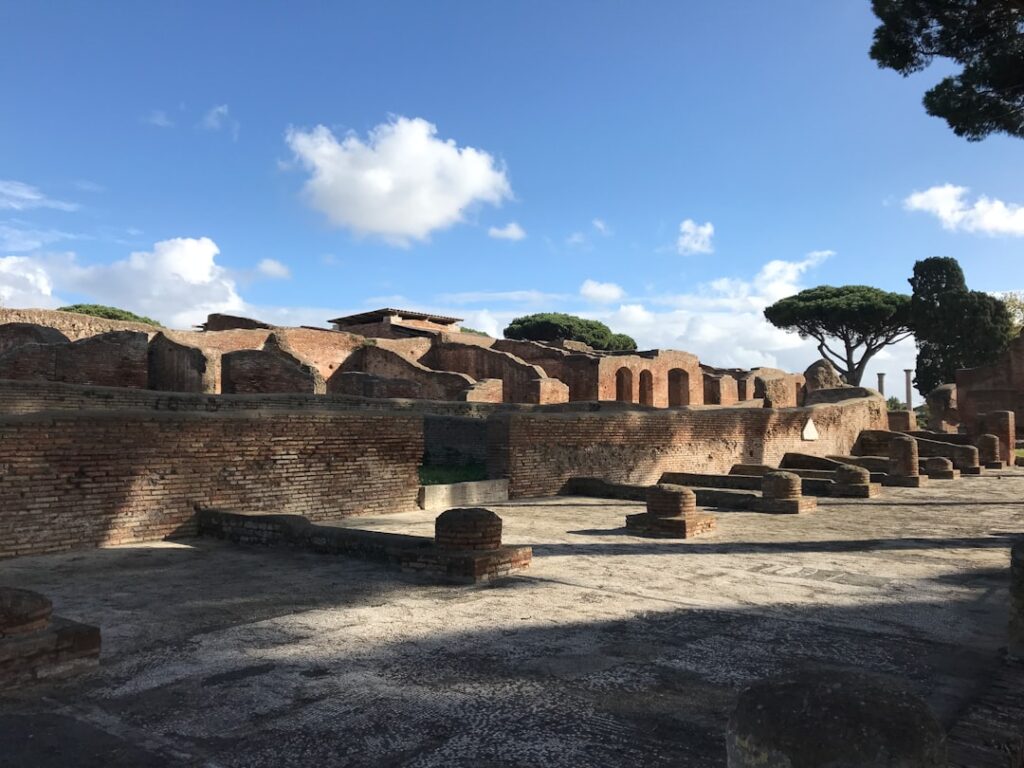
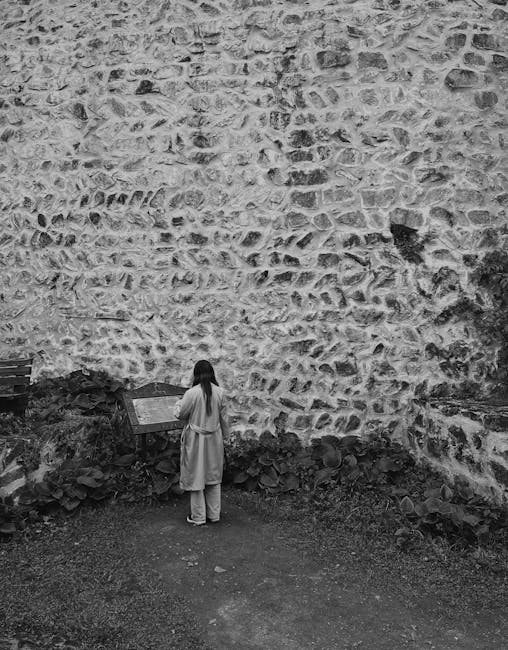
Each monument is equipped with explanatory panels in Italian and English; some sites have QR codes linking to detailed sheets. For an in-depth visit, book a guided tour (often available in Italian, English and sometimes French): local guides share anecdotes about daily life, the names of Ostia’s influential families and the maritime trade that made the port wealthy. Audio guides may be rented at reception subject to availability.
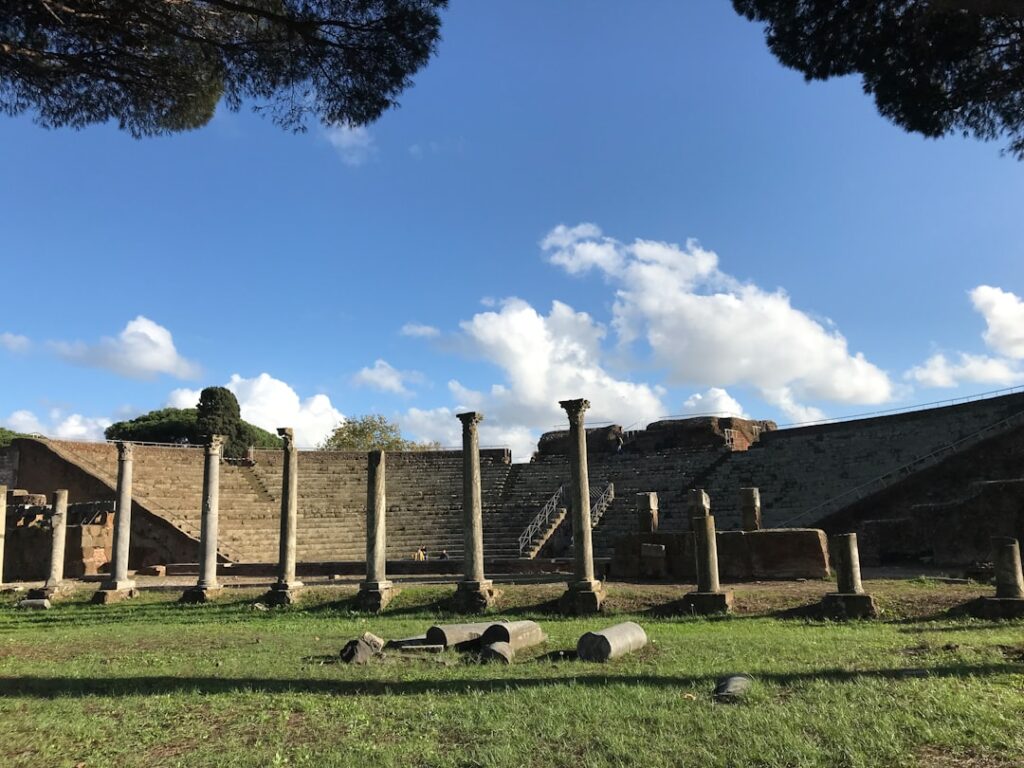
Practical tip: large structures like the baths and theatre are good spots to sit for a moment to read inscriptions or take photos. Surfaces are uneven — be careful, especially with children. There are fenced areas around fragile mosaics: respect the barriers to help preserve these treasures.
Museums, services and useful addresses around the site
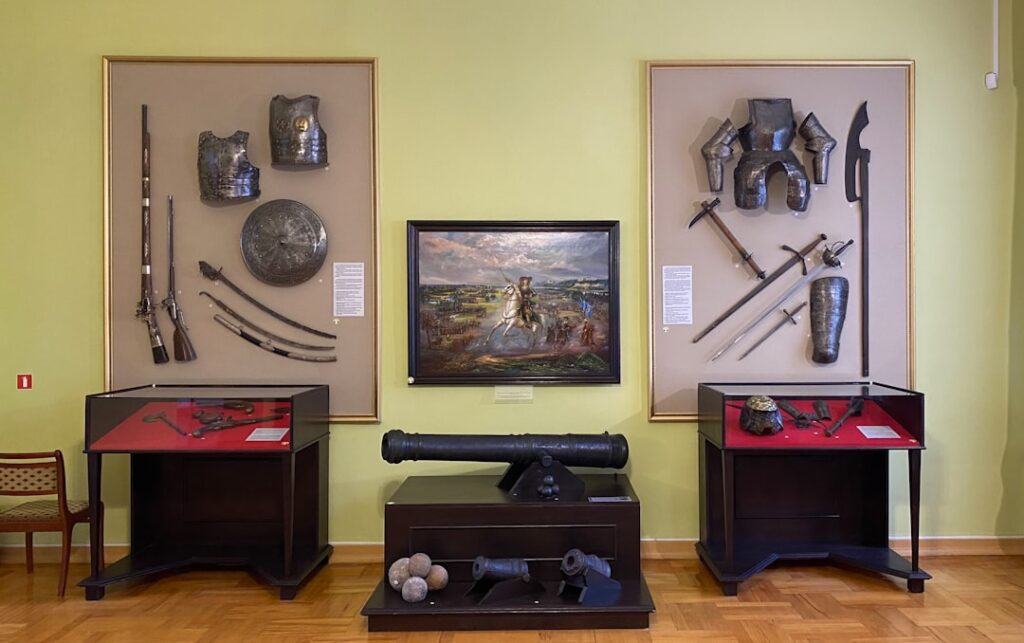
Before or after entering the park, you’ll find several useful services. The Museo Ostiense, connected to the Archaeological Park, displays archaeological finds, inscriptions and everyday objects (pottery, tools, coins). Museum address: Museo Ostiense, Via dei Romagnoli, 717, 00119 Ostia Antica RM (the museum is either within the enclosure or immediately nearby depending on temporary exhibitions). Indicative museum hours: usually aligned with the park, 8:30–19:30 in high season; entry is often included with the park ticket or available separately (around €4–€6 depending on temporary shows).
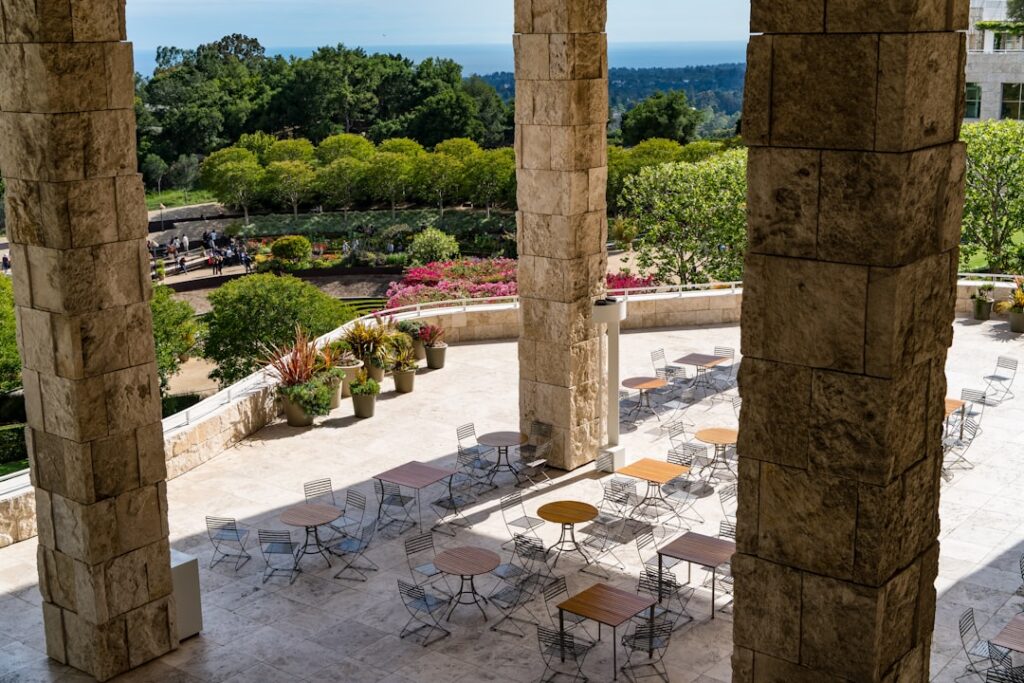
Toilets, water points and shops: along the route, look for signs marking these facilities (often near the main entrance and rest areas). There is a small café/snack point at the park entrance (its commercial name varies by season) where you can buy drinks, sandwiches and ice cream. For more substantial meals, the modern village of Ostia Antica has several trattorie and pizzerias within a short walk: ask onsite staff or check locally for recommendations. Typical meal budget: a simple lunch at a local trattoria costs around €10–€20 per person.
Souvenir shop: the official park shop sells guides, replicas, postcards and specialized books. If you collect art or archaeology books, you’ll find interesting publications there, though museum prices can be steep (expect about €10–€40 depending on the book).
Accessibility: the archaeological site is partially accessible for people with reduced mobility. Some paved areas and stairs make full access difficult; ask reception about adapted routes. Strollers can be used but some sections are bumpy.
Swimming after the visit: beaches and options at Lido di Ostia
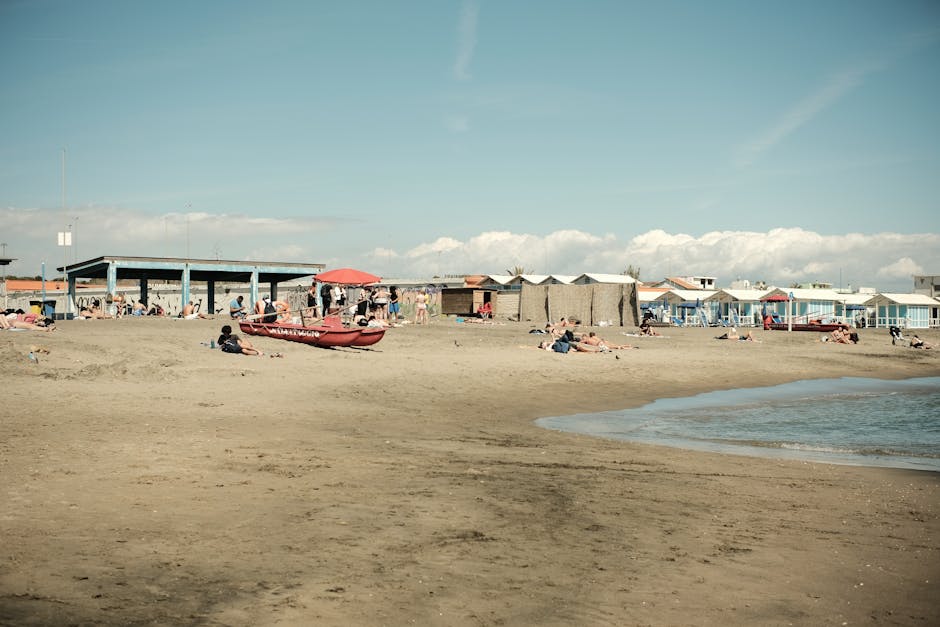
The good news for visitors to Ostia Antica is that the sea is close. A few kilometres separate the site from Lido di Ostia’s shoreline. The seafront stretches along two main types of spaces:
- Public beaches — free: stretches of unserviced sand where you can lay your towel for free. They run along the Lungomare Amerigo Vespucci and Lungomare Duca degli Abruzzi. Convenient but without services (no showers, little shade, variable lifeguard presence).
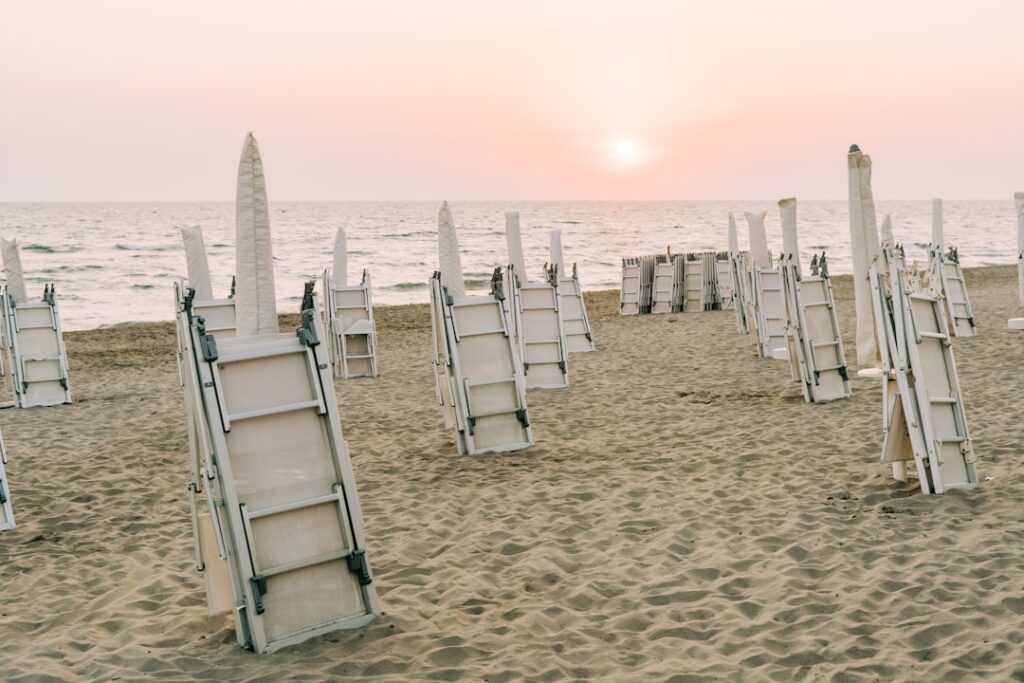
- Stabilimenti balneari (private paid beaches) — with sunbeds, umbrellas, restaurants and showers: ideal if you want comfort and facilities. Indicative prices: umbrella + two sunbeds rental €15–€35 for the day depending on the season; a coffee or a cocktail by the water around €4–€10.
Useful addresses:
- Lungomare Amerigo Vespucci — Ostia’s main seafront where stabilimenti and free stretches concentrate; easy to reach by bus from Ostia Antica station or by taxi (about 10–15 minutes depending on traffic).
- Stabilimento Balneare comunale Ostia — there are several establishments along the lungomare; check onsite for names and availability. Services often include showers, cabins and food service.
Tips for swimming after the archaeological visit: leave your shoes and backpack in the car if you drove, or use a locker/changing room if available at the stabilimento. To reach the seafront quickly from the Park, take the local bus (routes 03/07 depending on the day) or a taxi; in high season buses can be crowded, so allow about 20–30 minutes to get to the waterfront.

Safety and respect: remember that swimming after visiting a historic site should be done with respect for the environment. Don’t leave trash on the site or the beach; use bins and respect protected areas. If you plan an aperitif on the beach, bring a small bag for your rubbish if nearby bins are full.
Practical tips, recommended routes and local tricks
To make the most of your day combining Ostia Antica and a swim, here’s a sample itinerary and practical tips:
Recommended itinerary (full day)
- 08:30 – 09:30 : Leave Rome and arrive at Ostia Antica station (Roma-Lido line); buy your ticket and grab a quick coffee.
- 09:30 – 12:30 : Guided or self-guided visit of the Parco Archeologico: Forum, Theatre, Baths, House of Cupid and Psyche. Take your time to study inscriptions and mosaics.
- 12:30 – 13:30 : Lunch at a local trattoria or picnic (if permitted); opt for a light meal before the afternoon heat.
- 14:00 – 16:00 : Head to Lido di Ostia: beach, swim and relaxation. Choose a stabilimento for showers and a cocktail on the terrace.
- 16:30 – 18:00 : Stroll the lungomare, enjoy gelato and watch the sunset over the sea (season depending).
- 18:30 : Return to Rome or dine in Ostia if you prefer to extend the evening.
Other local tips:
- Tickets: buy tickets online if possible or arrive at opening to avoid queues. The indicative rates of €12 (full) and €7.50 (reduced) are approximate: check the official site or local tourist office for updates.
- Shoes: closed but flexible footwear recommended: ancient paving and mosaics are uneven and can be slippery.
- Hydration: bring at least 1.5L of water per person in summer; water points are limited.
- Sun protection: hat, sunglasses and sunscreen are essential; shade is scarce along some stretches of the site.
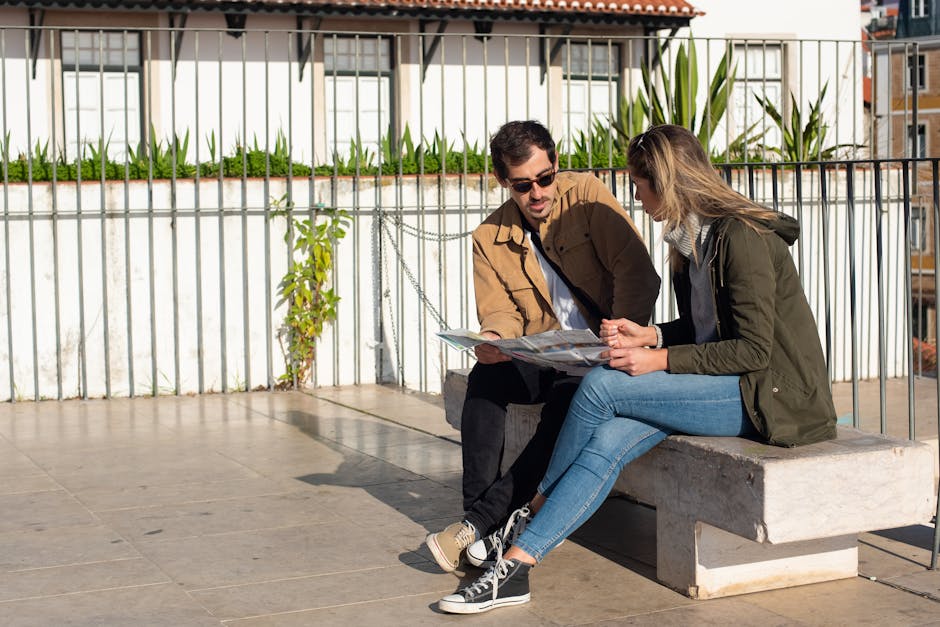
- Apps and guides: download an offline map of Rome/Ostia and a translation app if you don’t speak Italian. Audio guides and guided tours greatly enhance site understanding.
- Respect the ruins: don’t climb on fragile structures and follow the signs; preserving the site depends on visitor behaviour.

Conclusion — Make the most of Ostia Antica in a day
Ostia Antica offers one of the most complete and accessible urban archaeology experiences: in a day you can cross two thousand years of history, see how Romans lived, admire mosaics and baths, and finish the day with a swim in the Tyrrhenian Sea. The site, just a few dozen minutes from Rome, lets you combine culture and seaside relaxation without a long journey.
To get the most from your day, plan ahead: check current opening hours and prices for the Parco Archeologico di Ostia Antica (Via dei Romagnoli, 717, 00119 Ostia Antica RM), arrive early to avoid the hottest hours and crowds, and remember to bring water, a hat and appropriate shoes. If you want a deeper experience, book a guided tour — it’s the richest option for anecdotes and contextual explanations. For swimming, choose between a free public beach or a paid stabilimento depending on your comfort needs.
Final practical tips: carry some cash for small purchases (some kiosks may not take cards in low season), respect both the archaeological site and the beach, and keep your camera battery charged — morning and late-afternoon light are perfect for photographing mosaics and stone monuments. Whether you’re a history lover, photographer, family traveler or couple seeking a culture-and-beach mix, Ostia Antica in a day is an ideal, rewarding programme.
Lastly, remember practical details (fees, hours, temporary museum exhibitions) change often: check the official Parco Archeologico di Ostia Antica site and the local tourist office in the week before your visit for confirmations. Enjoy your visit — and don’t forget to end the day with your feet in the water, satisfied that you’ve walked through almost an entire ancient town in a few hours.