





Introduction — The Art of Carbonara in Rome and Why It’s Worth the Trip
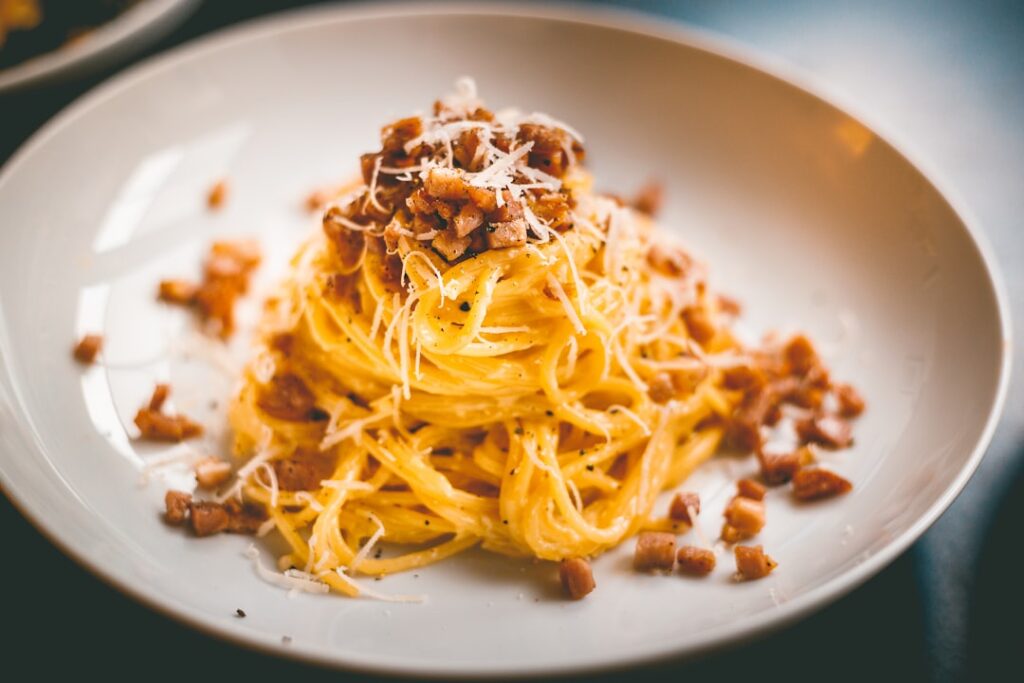
Carbonara isn’t just a dish: it’s a cultural statement, a little gustatory drama that concentrates Rome’s culinary history into a handful of simple ingredients. Unlike many international takes that add cream or foreign herbs, traditional Roman carbonara relies on a precise alchemy — crisp guanciale, aged pecorino romano, fresh eggs, black pepper and perfectly al dente pasta (typically spaghetti, rigatoni or bucatini). Every restaurant in Rome claims its own “authentic” version, and wandering the city in search of the best carbonaras becomes as much a sensory and cultural journey as it is a food crawl.
In Lazio, and especially inside Rome’s walls, carbonara is one of the most scrutinized dishes: Romans like to know where the guanciale comes from, how the cheese is measured, and at what temperature the eggs are whisked to create a silky sauce without scrambling. Enjoying a truly authentic carbonara often means stepping into family-run trattorie, sitting at a wooden table, listening to cutlery clinking and, sometimes, swapping a few words with the chef or server about the ingredients’ origins. This guide points you to emblematic spots where carbonara is made with deep respect for Roman tradition, giving exact addresses, price ranges and opening hours so you can plan your tasty stops.
I describe places that are well-regarded by locals and appreciated by visitors, favoring quality ingredients and faithfulness to the classic recipe. You’ll find practical tips here too: how to avoid long waits, what sides to order, which drink to pair it with, and how to spot a carbonara that’s truly “Roman.” Whether you’re a traveler short on time wanting an unforgettable carbonara near the Pantheon, or a food lover willing to cross the Tiber for an authentic Testaccio experience, this guide will help you map a clear, delicious route through Rome and Lazio.
Keep in mind that prices and hours can vary with the season and public holidays: I give typical ranges and usual opening times for each spot, along with local tips — for example, aim for off-peak hours (1:00–2:30pm or 8:30–10:00pm) to reduce waiting, and reserve when possible. Get your tastebuds ready: here are five must-visit places to enjoy an authentic carbonara in Rome.
1) Trattoria Da Enzo al 29 — The True Heart of Trastevere
Trattoria Da Enzo al 29 is often cited as one of the absolute references for Roman carbonara. Address: Via dei Vascellari, 29, 00153 Roma RM. Typical opening hours: Monday to Saturday 12:30–15:00 and 19:30–23:00; closed Sunday (check seasonally). Price: carbonara around €14–€16. This small family-run place is renowned for perfectly cooked pasta and a precise balance between the richness of the guanciale and the bite of the pecorino. The vibe is intimate and very Roman: white walls, simple tablecloths, servers who know their regulars and will advise on local wines.
Here carbonara is served with your choice of spaghetti or rigatoni. The guanciale is crispy but never burnt, leaving a fragrant fat that coats each strand of pasta; pecorino romano is sometimes grated at your table, releasing a salty, milky aroma that pairs brilliantly with freshly cracked black pepper. Portions are generous for the price range — pair it with a carafe of local red wine (Frascati or Cesanese recommended) for about €8–€15 per carafe.
Practical tips: booking is strongly recommended, especially for dinner. Arrive early if you don’t have a reservation. If you want to avoid the queue, aim for the off-peak lunch service. For optimal balance, ask to taste it without extra cheese first if you prefer to control the pecorino intensity. And don’t forget to wander Trastevere’s narrow streets afterwards to digest among colorful facades and lively little squares.
2) Salumeria Roscioli — Cured Meats and Gourmet Carbonara near Campo de’ Fiori
Salumeria Roscioli (Salumeria Roscioli, Via dei Giubbonari, 21/22, 00186 Roma RM) is a hybrid institution: deli, fine grocery and gourmet restaurant. Open daily generally from 08:00–22:30 (hours vary by service). Price: carbonara between €16 and €20. Roscioli elevates carbonara to a refined dish without breaking the rules: top-quality ingredients, free-range eggs, carefully selected pecorino and aged guanciale. The texture is silky and creamy, achieved through a precise emulsion, and you’ll notice the difference that premium ingredients make.
The experience at Roscioli feels more formal than a small trattoria, with shelves stocked with rare Italian products on display. The wine list is excellent and allows for nuanced pairings; expect about €6–€12 per glass for well-chosen local wines. Service is professional and informative: staff can explain the origin of the guanciale and cheese, and recommend the best pasta shape to carry the flavors.
Practical tips: book several days in advance for dinner, especially in high season. If you love cured meats, take time to visit the deli section before or after your meal — it’s a great opportunity to buy guanciale or pecorino to recreate carbonara at home. For value and variety, pick the tasting menu if available, or order the carbonara a la carte if you want the purest version. Groups are welcome, but ask for a quiet table if you want to talk without the buzz.
3) Felice a Testaccio — Testaccio Tradition and Warm Hospitality
Felice a Testaccio (Via Mastro Giorgio, 29, 00153 Roma RM) is rooted in the Testaccio neighborhood, known for its gastronomic traditions and markets. Typical hours: daily 12:30–15:00 and 20:00–23:00; closed some Sundays (check). Price: carbonara around €14–€17. Here carbonara has a ‘‘family’’ feel: generous portions, a noisy and warm atmosphere, and deep respect for recipes passed down through generations. The chef masters the cooking of rigatoni — often the preferred shape in Testaccio — which holds the sauce exceptionally well.
The neighborhood itself — once the city’s slaughterhouse district — has a strong culinary identity: fresh produce, farmers’ markets, and a loyal local clientele. Felice’s carbonara stands out for its boldly cooked guanciale, rich eggs and a pecorino measure that adds a bright salty tang. Expect an authentic, sometimes rustic experience where quality matters more than presentation finesse.
Practical tips: Testaccio is perfect for pairing your meal with a visit to Mercato Testaccio (Piazza Testaccio) or a walk by Monte Testaccio. Book especially for dinner. Families and large groups are welcome, and staff will recommend a local wine (Aglianico or Frascati Superiore) to pair with your carbonara. To avoid waits, arrive at the start of service or ask for a terrace table if the weather allows.
4) La Carbonara — The Classic of Monti
La Carbonara (Via Panisperna, 214, 00184 Roma RM) is a historic spot in the Monti neighborhood, close to the Roman Forum and the Colosseum. Typical hours: daily 12:00–15:00 and 19:00–23:00; sometimes closed for a weekly afternoon break. Price: carbonara around €12–€15. The restaurant bears the dish’s name and prides itself on a faithful, consistent recipe served in a cozy, slightly retro setting — tiled floors, paintings and vintage photos on the walls.
La Carbonara’s version is often described as balanced and affordable, perfect for visitors who’ve been sightseeing nearby. Chefs traditionally use spaghetti or bucatini and ensure the emulsion is made off the heat to prevent the eggs from coagulating. The menu also includes antipasti and homemade desserts; finishing with an espresso is a must to cap the meal.
Practical tips: ideal for a meal after a morning exploring the Colosseum or the Forum. Reserve if you’re coming in a group or during peak tourist hours. For something more budget-friendly, choose the lunch menu if offered. Servers are used to tourists and can suggest post-meal walking routes toward Santa Maria Maggiore or the Celio hill.
5) Osteria da Fortunata — Homemade Pasta in the Heart of Campo de’ Fiori
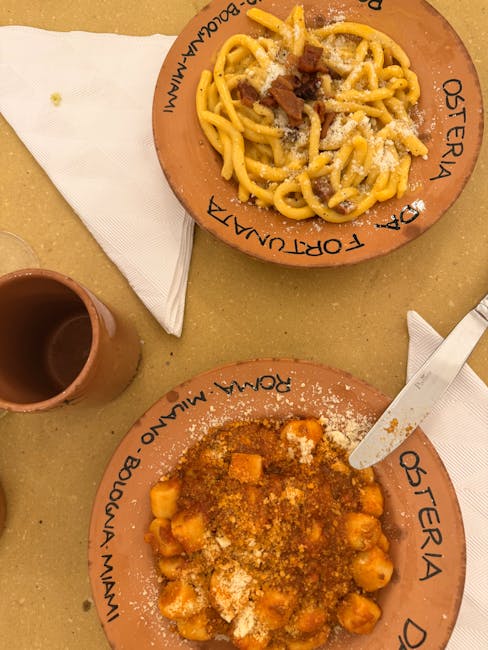
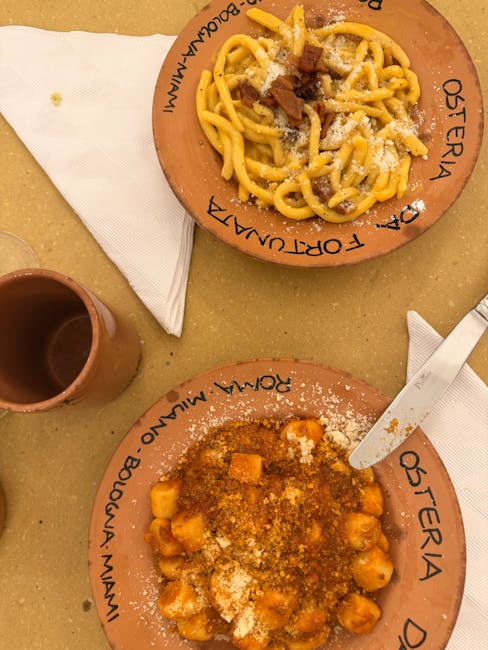
Osteria da Fortunata (Via del Pellegrino, 11, 00186 Roma RM) is famous for its hand-rolled pasta made on site — and that makes all the difference for carbonara. Typical hours: Monday to Saturday 12:30–15:00 and 19:00–23:30; Sunday closed or reduced hours depending on the season. Price: carbonara around €14–€18. The freshness of house-made pasta gives a firmer, more satisfyingly chewy bite that captures the sauce perfectly. The guanciale is confit then crisped at the last moment; pecorino is added generously and cracked pepper completes the picture.
Osteria da Fortunata is ideal if you want a meal where technique is as important as ingredients. The spectacle of pasta being rolled by hand often happens in plain view of the dining room, making the meal both educational and delicious. It’s located a stone’s throw from Campo de’ Fiori, so you can combine a morning market visit with an authentic lunch.
Practical tips: arrive early if you want to watch the pasta-making demonstration. Service can be quick, but quality is consistent. If you enjoy texture, ask for house bucatini or tonnarelli. Cash and cards are accepted, but check: some popular spots charge a coperto of around €2–€3 per person.
Conclusion — Picking Your Carbonara by Occasion and Taste
Picking the “best” carbonara in Rome depends first and foremost on your priorities: do you want the authenticity of a small family trattoria, the polished finish of a salumeria-grocery-restaurant, the generosity of a neighborhood bistro, or the technical precision of an osteria with fresh pasta? The spots listed — Trattoria Da Enzo al 29 (Via dei Vascellari, 29), Salumeria Roscioli (Via dei Giubbonari, 21/22), Felice a Testaccio (Via Mastro Giorgio, 29), La Carbonara (Via Panisperna, 214) and Osteria da Fortunata (Via del Pellegrino, 11) — cover these different approaches and give you a full panorama of Roman ways to prepare and serve this iconic dish. The prices given (€12–€20 approx.) reflect the typical range in Rome for a quality carbonara; don’t forget to add the coperto (€1–€3) and perhaps a glass of wine (€4–€12) to your final budget.
Beyond specific addresses, remember a few practical rules: favor guanciale (not pancetta or bacon) for authentic flavor; avoid added cream which alters the Roman recipe; ask for the recommended pasta shape (spaghetti, bucatini or rigatoni); and always check opening hours or reserve ahead to avoid long lines. Best times to eat: lunch after a morning of sightseeing or an early dinner to enjoy local conviviality. Rome is a city for walking — pair your carbonara with a stroll to the Pantheon, Campo de’ Fiori, Testaccio or Trastevere for full immersion.
Whether you’re a curious newcomer or a seasoned enthusiast, these experiences will let you understand why carbonara is so loved in Rome: simplicity, technique and high-quality ingredients. Be ready with an open palate, good timing and curiosity: an authentic carbonara in Rome remains an unforgettable culinary memory.