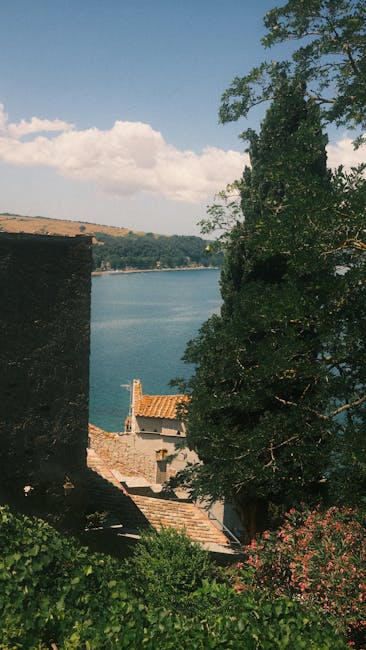






Introduction — Why Lake Bracciano Is a Photographer’s Playground
Lake Bracciano, sitting in the Lazio region less than an hour from Rome, offers photographers a rare mix of water, a medieval castle, picture-book villages and quiet beaches. Fed by springs and ringed by wooded hills, the lake’s water quality is exceptionally high — it was once Rome’s drinking-water reserve — producing crystal-clear reflections, rich sunset tones and misty moods at dawn. Whether you shoot landscapes, natural-light portraits, architecture or local reportage, the lake’s shores deliver varied, accessible backdrops steeped in history.
In this general guide I’ve put together a detailed selection of the best photo spots around Lake Bracciano, including exact addresses, practical info (hours, prices) and hands-on tips to get the most from your shoot. Each location is described with a photographer’s eye: best times of day, compositional pointers, recommended lenses (wide-angle for panoramas, telephoto for architectural details or birds) and local tips (where to park, cafés for a coffee break, local boats to reach secluded coves). I also include framing cues — horizon placement to favor, human elements to add scale, and complementary colours to look for to liven up your images.
Note that the opening times and prices listed are typical and can change with the season or local events; for monument visits it’s a good idea to check official websites or call ahead before your session. Lake Bracciano enjoys a mild Mediterranean climate but it can be unpredictable: aim for the golden hours (sunrise and sunset) for sculpted light and photogenic skies, and consider slightly misty mornings for more intimate, atmospheric shots. Finally, respect local rules: protected areas, private properties or swimming zones shouldn’t be trespassed. Happy shooting — and don’t forget your tripod for long exposures at dusk.
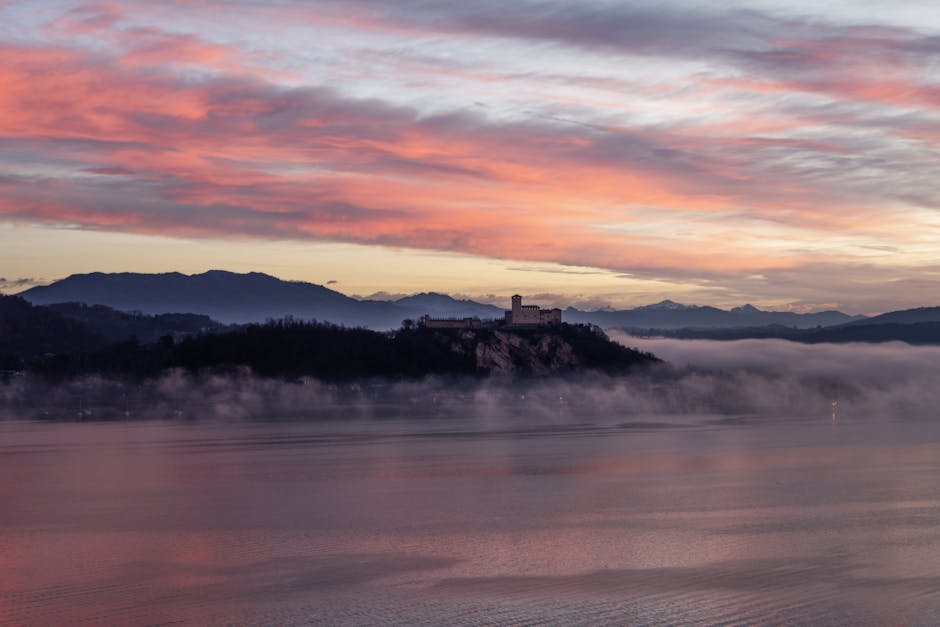
Castello Orsini-Odescalchi (Castello di Bracciano) — The Medieval Icon on the Lake
Address: Piazza Bernardino Caetani, 1, 00062 Bracciano RM, Italia. Castello Orsini-Odescalchi, commonly known as Castello di Bracciano, is one of Italy’s best-preserved castles and the lake’s most iconic photographic subject. Built between the 11th and 15th centuries and restored over time, it dominates the village and offers perfect compositions from the shoreline or the stone mills that line the waterfront. Its massive walls, towers, battlements and carved details create fascinating shadow-play in backlight.
Hours (indicative): typically open daily from 9:30 to 19:00; extended hours from April to September. Prices: adult ticket around €10; reduced rates (students/seniors) about €6; guided tours and paid events are separate. Photographers can request special authorisations for professional shoots: contact the castle management via the official site or by phone (check local contacts) to learn about conditions and fees.
Photo tips: for the classic wide-angle view, position yourself on the southwest shore at sunset — the castle walls warm up beautifully and the lake mirrors the sky. Use a 24–70mm for versatility or a 16–35mm for an ultra-wide panorama. Architectural details (windows, doors, gargoyles) work well with a 70–200mm or an 85mm for tight portraits. In winter, morning mist adds a mysterious vibe; try long exposures (ND filter) to smooth the water and emphasize the castle’s silhouette. Parking: public lot near Piazza Caetani; arrive early in high season to avoid crowds.
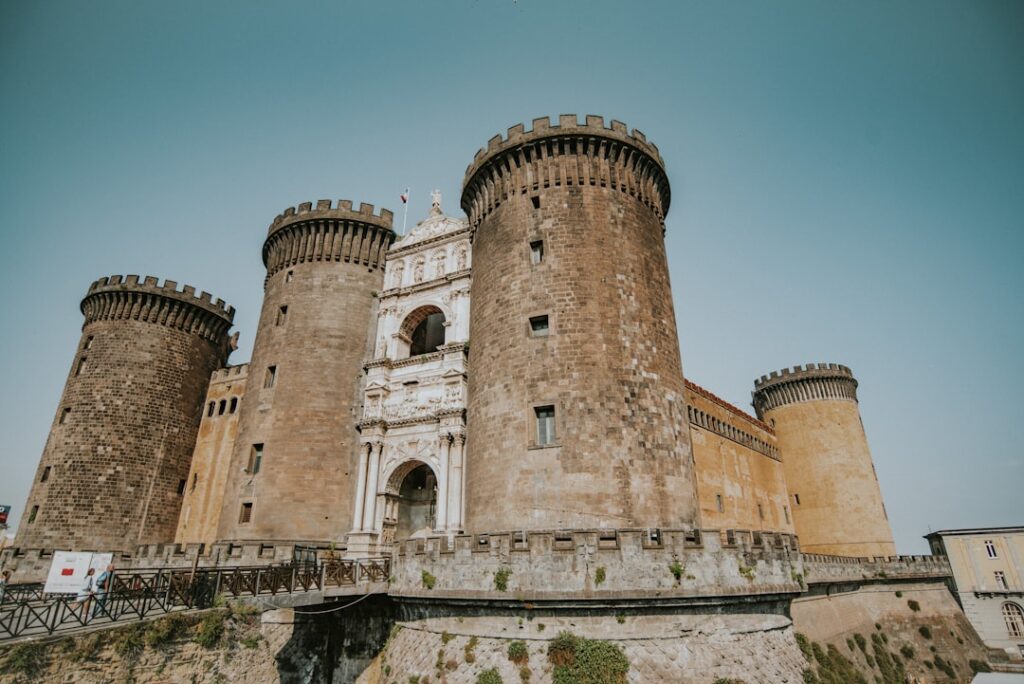
Trevignano Romano — The Lakeside Promenade and Charming Alleyways
Address: Lungolago dei Rufinella / Piazza Garibaldi, 00069 Trevignano Romano RM, Italia. Trevignano Romano is a delightful village on the lake’s northeast side, known for its colourful façades, small harbour and lakeside promenade. The contrast between pastel houses, traditional fishing boats and reflections on the water makes Trevignano ideal for lifestyle series and landscapes. The cobbled lanes climbing toward the Rocca (old fortification) provide natural frames and viewpoints overlooking the lake below.
Hours and access: the promenade is public and open at all times. Local museums and cafés usually open around 09:00 to 20:00 depending on season. Cost: free access to the lungolago; some small local attractions (museums) charge €3–6. Parking: paid lots and blue zones around the centre; it’s often best to park slightly outside and walk in to save time for golden hour.
Photo tips: the best times are dawn for peaceful moods and sunset for silhouettes and backlit scenes. For natural-light portraits, use shaded alleys and textured façades as backgrounds. A 35mm or 50mm fast lens (f/1.8–f/1.4) is perfect to keep shallow depth of field and isolate subjects with a soft lake background. For maritime details (ropes, boats), an 85–200mm lets you play with perspective compression. Try compositions with symmetrical reflections on wet pavement after rain.
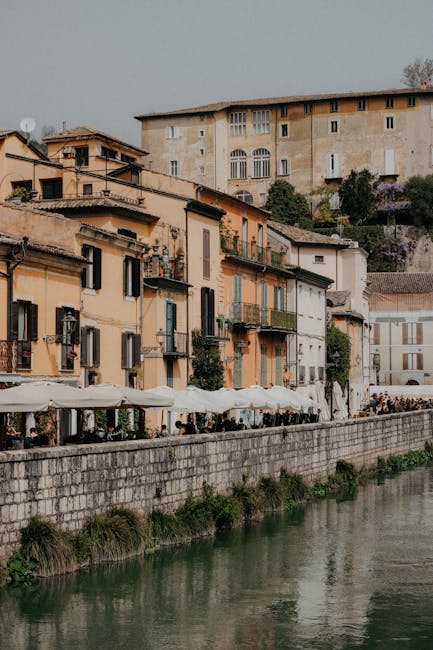
Anguillara Sabazia and Its Harbour — Sunsets and Urban Reflections
Address: Lungolago Salvo d’Acquisto, 00061 Anguillara Sabazia RM, Italia. Anguillara Sabazia, on the southwest shore, combines a lively harbour, pebble beaches and bustling promenades. The harbour is great for capturing local life: fishermen, wooden boats, tourists on the quays and restaurants looking out over the water. Sunsets here can be spectacular, with the sun setting behind opposite hills painting the lake in fiery reflections.
Hours: promenade accessible 24/7; shops and restaurants typically open from 10:00 to 23:00. Public beaches are free; some private beaches and beach bars charge an entrance fee or sunbed rental (€5–15 depending on season). Parking: public lots along the waterfront and paid zones; arrive in the evening to find free spots off-season.
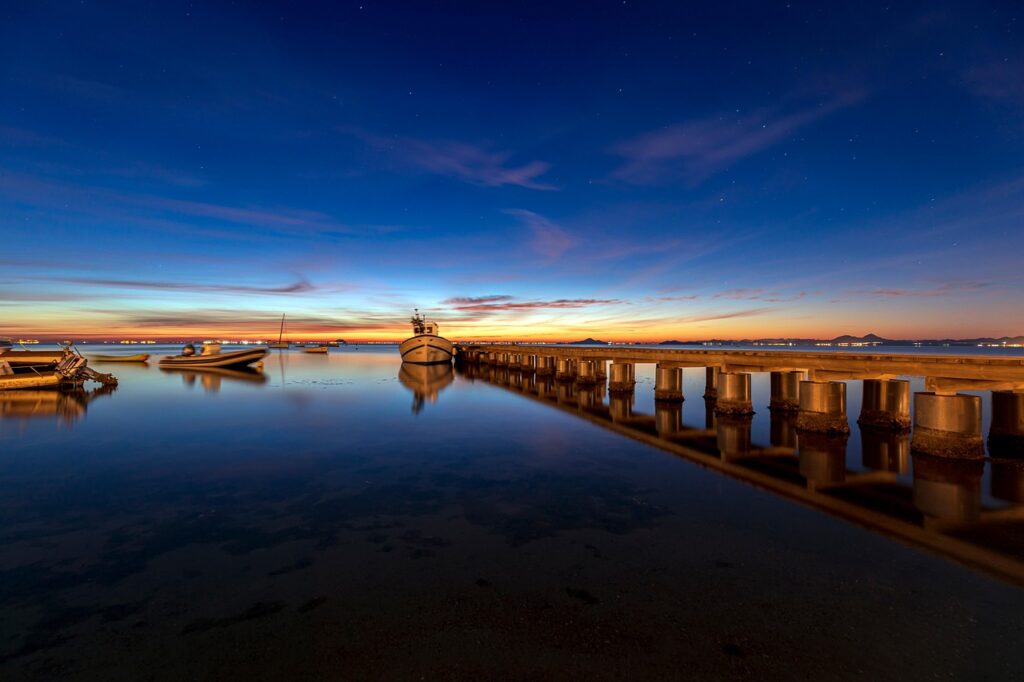
Photo tips: bring a tripod and graduated filters to balance sky and water at sunset. A wide-angle (16–35mm) lets you include the harbour, rows of boats and dramatic skies; a telephoto (70–200mm) helps isolate harbour details or silhouettes. Don’t overlook reflections: compose with converging lines (piers, quays) leading the eye toward the sun’s arc. Local tip: a small taxi-boat operating from the harbour can take you away from busy areas for fresh angles — negotiate prices (often €20–40 for a short sunset trip depending on season).
Lago di Martignano and Wild Coves — Nature, Silence and Intimate Perspectives
Recommended access: Via di Martignano / Strada Provinciale SP59, 00062 Bracciano RM (access from Bracciano towards the northeast). A short distance from Lake Bracciano, Lago di Martignano (a small volcanic lake) and its wild coves offer a total change of scene: translucent green water, untouched vegetation and minimal tourist infrastructure. For photographers after natural panoramas, bird shots and minimalist frames, Martignano is a top choice.
Hours and fees: access to the natural reserve and trails is generally free; parking can be sporadically charged in summer (€3–5) depending on local managers. Some small beaches or private accesses may require an entry fee or a minimum spend at the beach bar. Note: swimming is sometimes regulated to protect the ecosystem — check locally.
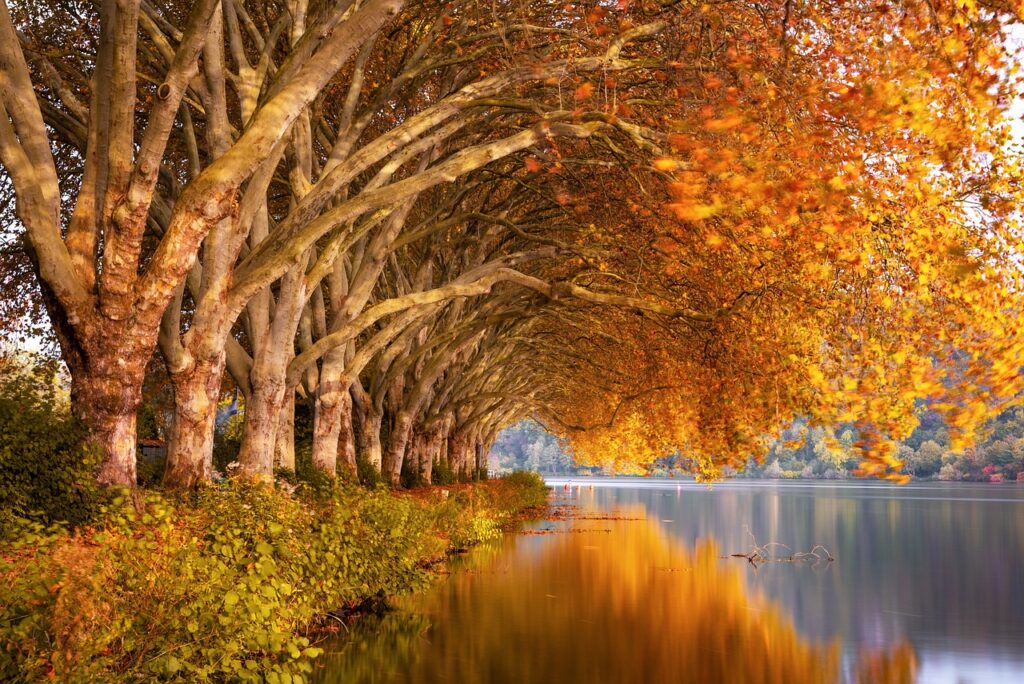
Photo tips: aim for a calm morning to catch perfect reflections and bird activity (herons, ducks). Macro and telephoto lenses are recommended for wildlife; wide-angle for panoramas framed by trees and rocks. The shoreline path offers layered compositions (foreground rocks, water plane, hills in the background); a polariser reduces surface glare and boosts colors. Practical tip: rent a small craft (canoe/kayak) to reach deserted coves — local renters often offer half-day rates from €15–25.
Practical Tips and Local Tricks for Photographing Lake Bracciano
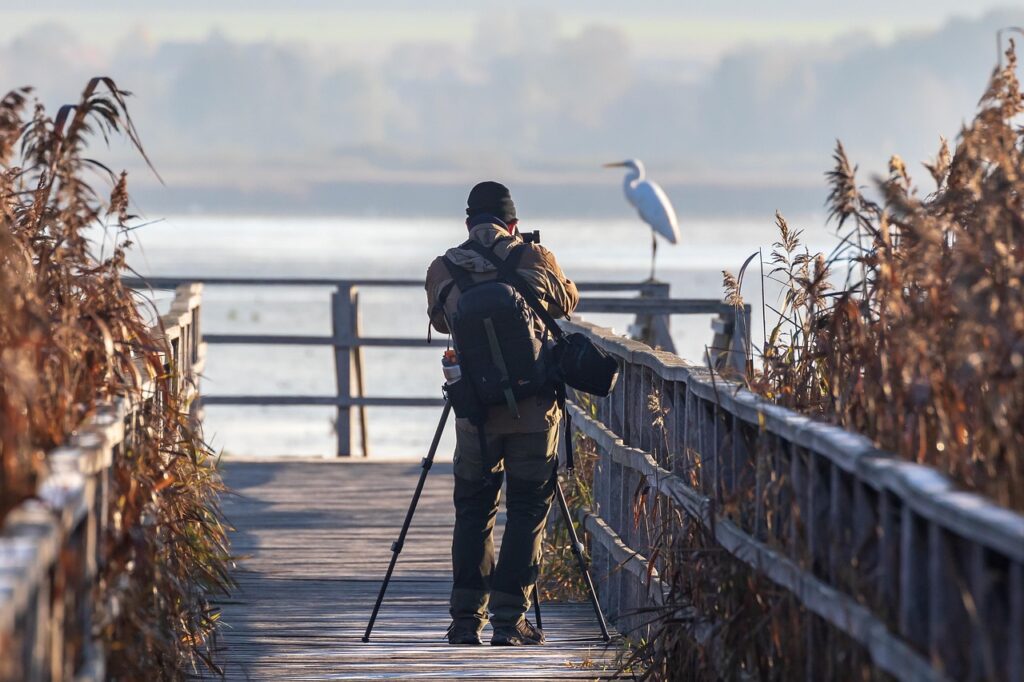
Recommended gear: a sturdy tripod (for wind and uneven surfaces), ND and polarising filters, two core lenses (16–35mm wide-angle and 70–200mm telephoto), spare batteries and memory cards. Respect the best times: sunrise for mist and calm water, golden and blue hours for dramatic sunsets and softer light. Check local weather (wind can wreck mirror-like reflections) and choose days with layered clouds for more dramatic skies.
Transport and parking: the lake is reachable by car (A12 and provincial roads from Rome). Train + bus: Bracciano station links to Rome; local buses serve Trevignano and Anguillara. Public parking exists in every town, but in high season arrive early or allow for a short walk. For more secluded viewpoints, consider renting a boat (approx. €40–100 for a half-day depending on size and season); local guides can offer bespoke photo tours.
Respect the environment: some areas are protected — stay on marked trails, take all your rubbish with you and avoid feeding wildlife. Locals appreciate discretion: always ask permission before photographing people up close. Finally, sample local specialties (lake fish, Colli Romani wines) in the trattorie to round out your story: dining scenes on terraces with lake views make great travel images.
Conclusion — Plan Your Photo Route Around Lake Bracciano
Lake Bracciano is a perfect spot to build a rich and varied portfolio: medieval architecture at Castello Orsini-Odescalchi, charming villages like Trevignano Romano, harbours and sunsets at Anguillara Sabazia, and natural retreats like Lago di Martignano. Each location offers a spectrum of visual emotions — from the spectacular to the contemplative — and opportunities to work on composition, light and photographic storytelling. Schedule your outings around golden hours, mix walking routes with short boat crossings, and don’t hesitate to revisit the same spots in different seasons to capture changing moods.
On a practical level, bring suitable kit, check hours and prices (museums and harbours may change conditions with the season), and build friendly relationships with local players (boat renters, restaurateurs, reserve keepers) who can become valuable allies for accessing unique angles. Above all, always keep the landscape and local communities in mind: conserving the site depends on responsible behaviour from photographers too.
Whether you’re hunting the perfect shot for a portfolio, images for a travel piece, or moments to share on social media, Lake Bracciano offers exceptional scenes at every visit. Bring curiosity, patience and a keen eye — the lake will reward you with memorable frames every time.