





Introduction — Pasta & passion: a deep dive into the trattorie of Lazio
Rome and the surrounding Lazio region aren’t just open-air museums and sun-soaked countryside. They’re the stage for a food culture that has turned pasta into the heart of local conviviality. In the cobbled lanes of the historic center as well as in working-class neighborhoods like Testaccio and Monteverde, the trattorie preserve a family-rooted soul: slow cooking, techniques handed down through generations, lively banter between cooks and guests, and of course, simple recipes elevated by outstanding ingredients.
This guide is for curious travelers who want to go beyond tourist lists and meet the artisans of pasta: the trattoria cooks, often owners, who carry the region’s culinary memory. You’ll find concrete addresses, opening hours, indicative prices in euros, detailed descriptions of atmosphere and menu, and practical tips to get the most out of each visit. The focus is on Lazio and mainly Rome, since the capital concentrates many historic houses where pasta is not just a dish but a statement of identity.
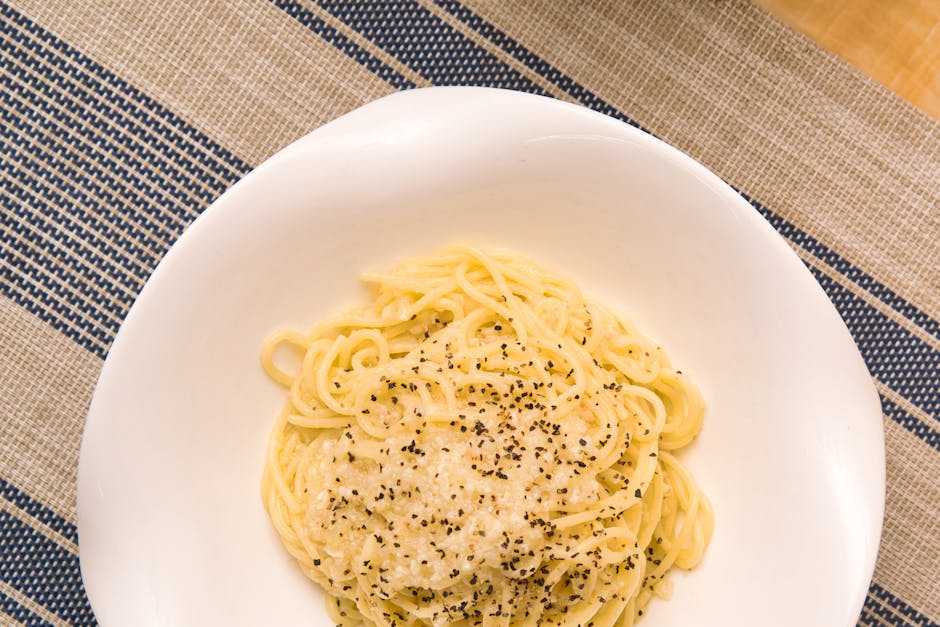
Roman trattorie are different from fine-dining restaurants: the approach is straightforward, the service warm, portions generous and flavors honest. You’ll discover essential classics — cacio e pepe, amatriciana, carbonara, gricia — made with precise techniques (freshly cracked pepper, sparing use of cooking water, freshly grated pecorino romano). But this guide also goes beyond the usual suspects, highlighting places that preserve lesser-known family recipes, from regional variations to comforting baked pastas.
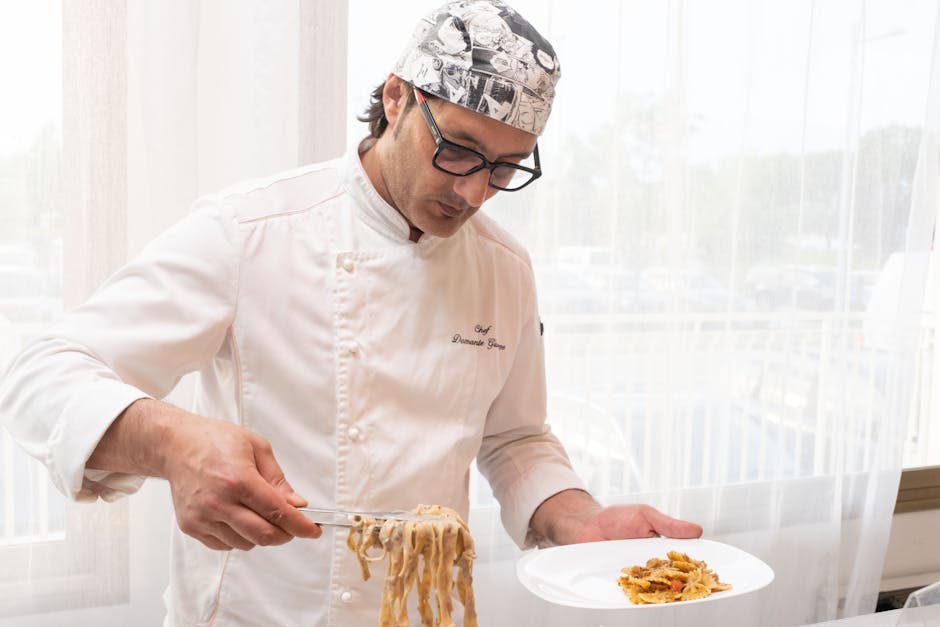
Each recommended address includes practical details: full name, exact address, a price range for a main dish and a dessert, typical opening hours, and a few local tips — how to avoid waiting, what to order by season, or which glass of wine to favor. Portraits of the cooks and the kitchen atmospheres will help you imagine the scent of sauces and the clink of cutlery. Throughout the guide you’ll also find visual tips to frame your photos and appreciate the visual theatre of each trattoria.
Practical note: the prices listed are averages observed in 2023–2024 and may vary slightly with season or menu changes. It’s a good idea to call or check official sites to confirm opening hours, especially around holidays. Embrace the Italian slowness: take your time tasting, listen to the stories, and above all, respect the craftsperson behind the pot. We start our tour in emblematic neighborhoods, then move to neighborhood trattorie, finishing with chef profiles and tips for cooking Roman pasta at home.
Iconic trattorie in the historic center: tradition and atmosphere (Armando, Da Enzo, Da Teo)
Rome’s historic center is a living museum, and certain trattorie there have acquired legendary status. Often located just steps from monuments, these places fuse tradition with loyal local clientele. Among them, Armando al Pantheon, Trattoria Da Enzo al 29 and Da Teo al Portico d’Ottavia stand out.
Armando al Pantheon — Salita dei Crescenzi 31, 00186 Roma
Armando al Pantheon has been an institution since 1961. Situated just metres from the Pantheon, this trattoria serves classic Roman dishes prepared with care. Atmosphere: white tablecloths, a compact dining room and close-set tables that encourage conviviality. The menu is handwritten and rarely changes; highlights include a creamy carbonara and a fragrant coda alla vaccinara.
- Address: Salita dei Crescenzi 31, 00186 Roma
- Opening hours: Open daily except Sunday evening: 12:00–15:00 and 19:00–23:00 (check before you go)
- Prices: Pasta dish €12–18, antipasti €8–14, dessert €6–9
- Tips: Book ahead for dinner; ask for the cacio e pepe prepared in view if possible.
The chef — often present — inspects every plate. You can feel the Roman legacy here: a balance of richness and acidity, generous use of pecorino romano and black pepper. Popular photos show a steaming plate of pasta with the Pantheon in the background.
Trattoria Da Enzo al 29 — Via dei Vascellari 29, 00153 Roma (Trastevere)
Tucked into Trastevere’s charming chaos, Da Enzo al 29 is famed for its consistent quality. Small and often packed, it keeps a familial atmosphere: service is straightforward, no frills. Roman classics are executed here with near-religious respect.
- Address: Via dei Vascellari 29, 00153 Roma
- Opening hours: 12:30–15:00 and 19:00–23:00, closed Sunday evenings (often closed on certain public holidays)
- Prices: Cacio e pepe €12, amatriciana €13, dessert (tiramisu) €7
- Tips: Arrive early or reserve (phone +39 06 581 2260); try to snag a street-side table to watch neighborhood life.
At Da Enzo you can see the freshness of ingredients: crispy guanciale, pecorino grated at the last moment. Visitors love the simultaneous service — several cooks working the pans in view — which creates a delectable show. The colors are warm: stone, wood, glossy tomato sauce.
Da Teo al Portico d’Ottavia — Via del Portico d’Ottavia 16, 00186 Roma (Jewish Quarter)
Located in the Jewish Quarter, just steps from piazza delle Cinque Scole, Da Teo is a classic, welcoming trattoria rooted in tradition. Local specialties include seafood pasta and seasonal dishes, but their carbonaras and amatricianas also hold pride of place.
- Address: Via del Portico d’Ottavia 16, 00186 Roma
- Opening hours: 12:00–15:00 and 19:00–23:00, closed Sunday afternoon
- Prices: Pasta dish €11–16, antipasti €7–12
- Tips: Ask for an indoor table to enjoy the collection of photos and frames on the walls; try the fish pasta if you like briny flavors.
Here the focus is on local produce: freshly caught fish and market vegetables. The scent of basil, lemon and olive oil mingles with al dente pasta. For photographers, the soft evening light brings out the sauces’ subtle tones.
Neighborhood trattorie in Lazio: Testaccio, Monteverde and popular charm
Venturing beyond the historic center takes you into real Roman everyday life. Testaccio, Monteverde and Casaletto shelter trattorie where the cooking is less tourist-oriented and more for locals. These places reveal the popular culinary soul of Lazio: generous portions, family recipes, authentic wines and often kinder prices.
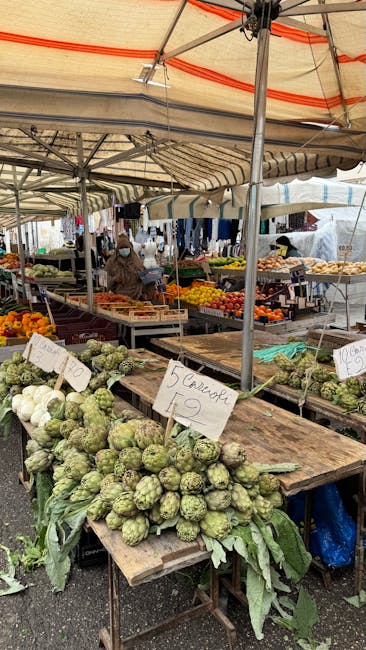
Felice a Testaccio — Via Mastro Giorgio 29, 00153 Roma
Felice a Testaccio has been a local reference since 1936. Here, pasta preparation follows strict rules; their carbonara is the stuff of local legend. Warm interior, brick dining room, and a team that works with precision and speed.
- Address: Via Mastro Giorgio 29, 00153 Roma
- Opening hours: 12:30–15:00 and 19:00–23:30, closed Sunday (check seasonally)
- Prices: Carbonara €14, cacio e pepe €13, meat dishes €15–22
- Tips: Locals eat early; for a quieter vibe aim for weekday lunchtime.
Felice’s cooking is robust: butter, meat fats, slow reductions. Fans recommend pairing dishes with a glass of Frascati or a Lazio red. Portions are generous — consider sharing if you want to try several plates.
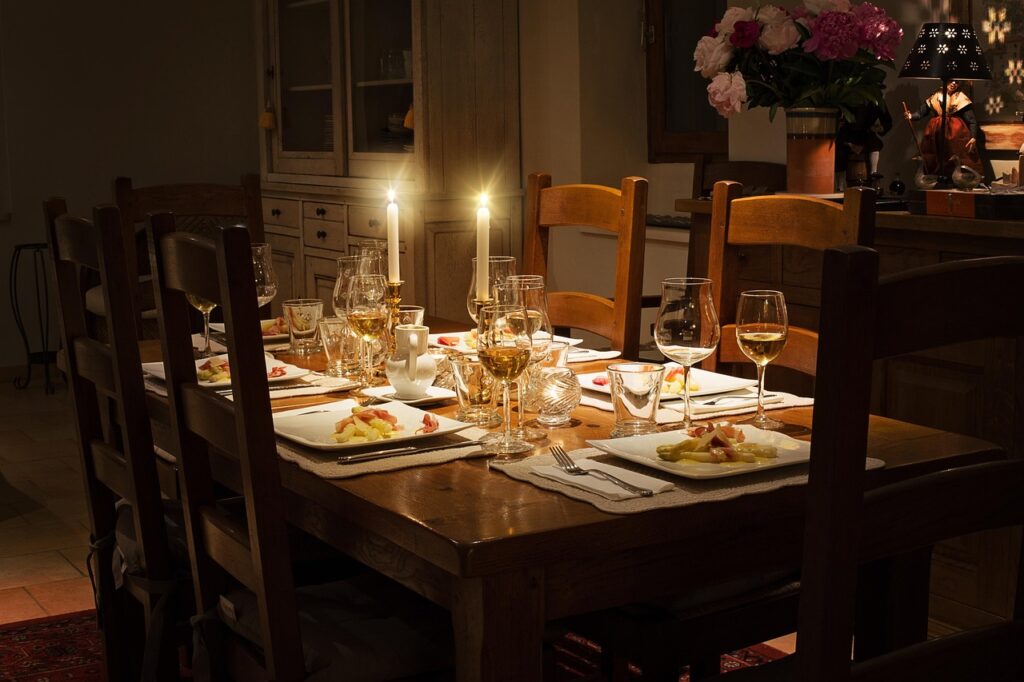
Flavio al Velavevodetto — Via di Monte Testaccio 97, 00153 Roma
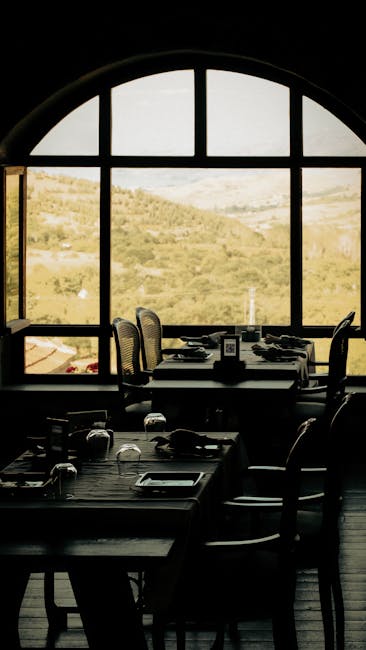
Perched on the slope of Monte Testaccio, Flavio al Velavevodetto is praised for its high-quality ingredients and perfectly cooked pasta. The space feels more contemporary, with a large dining room overlooking the ancient mound.
- Address: Via di Monte Testaccio 97, 00153 Roma
- Opening hours: 12:30–15:00 and 19:00–23:30, open daily
- Prices: Pasta €12–18, tasting menu €35–50 (seasonal)
- Tips: Reserve for the terrace; ask about seasonal specialties when available.
The kitchen favors balanced textures: al dente pasta, silky sauces, crispy guanciale. The modern setting and large windows create ideal light for food photography.
Cesare al Casaletto — Via del Casaletto 45, 00151 Roma (Monteverde)
Cesare al Casaletto is known for both pizza and house-made pasta — a dual talent that draws families and food lovers. The area is residential, the vibe relaxed, and prices stay reasonable.
- Address: Via del Casaletto 45, 00151 Roma
- Opening hours: 12:00–15:00 and 19:00–23:30, closed Monday
- Prices: Pasta dish €9–14, pizzas €7–12, antipasti €6–10
- Tips: Great for a family dinner; arrive early on weekends to avoid the queue.
The cooking here is simple but precise: sometimes house-made pasta depending on the market, balanced sauces, straightforward but satisfying desserts. Local families bring a lively, warm atmosphere.
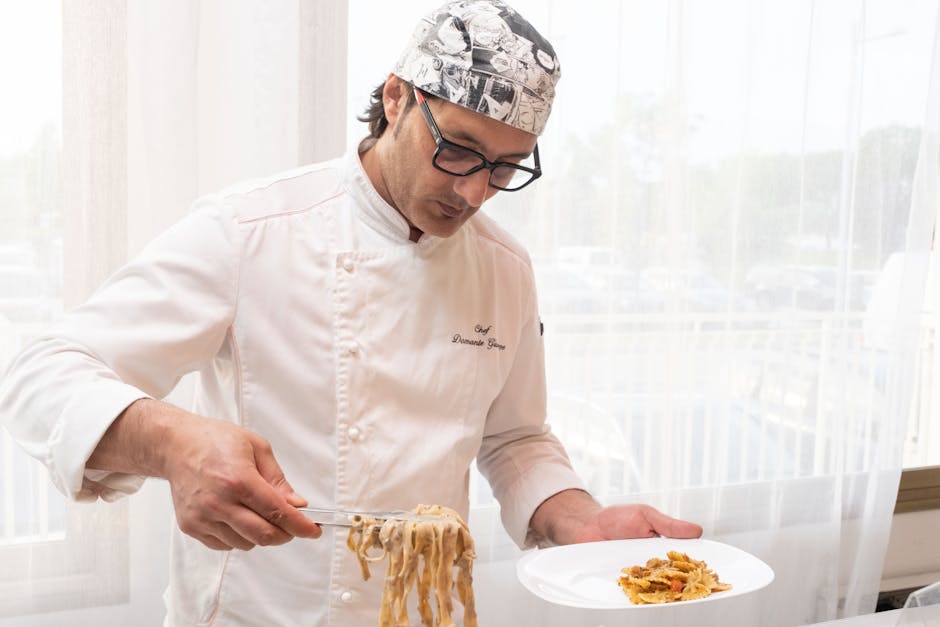
Cook portraits and techniques: the motion, the ingredient, the memory
Meeting a trattoria cook is like attending a ritual. The know-how is often artisanal and built on gestures repeated over many years. Several Roman recipes demand precise techniques: how to heat the pepper for cacio e pepe, emulsify cheese with cooking water, and time cooking exactly for al dente pasta. Below are a few portraits and technical tips to help you understand what sets a good trattoria apart.
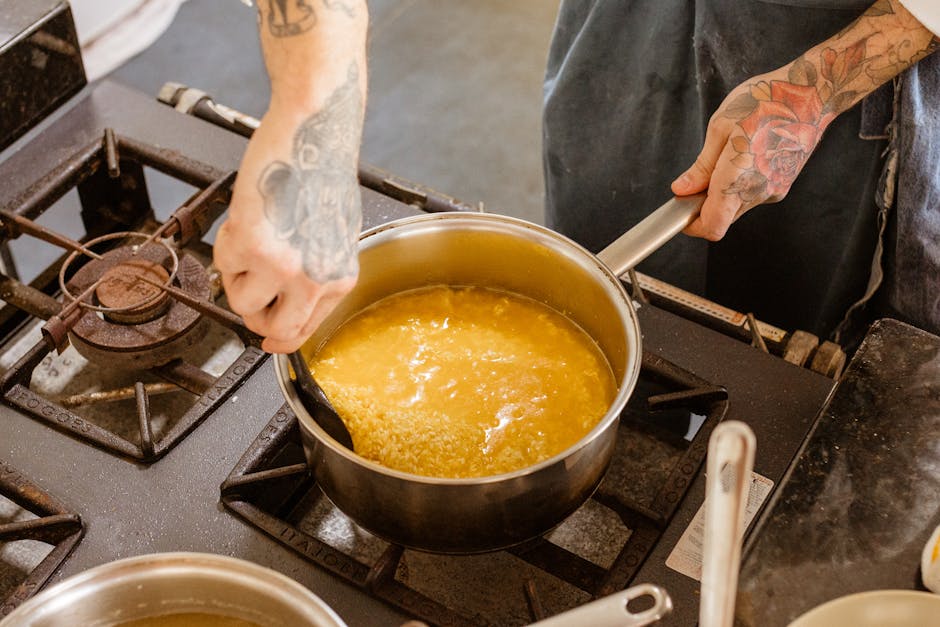
The cook’s motion: cooking and emulsifying
A trattoria cook masters the balance between pasta and sauce. For a perfect cacio e pepe, the chef freshly grates pecorino romano, toasts whole black pepper until it releases its aroma, then tosses the al dente pasta with hot cooking water to create a silky emulsion. The recipe contains no cream or butter — the creamy texture comes solely from gently heating the cheese with the starch released by the pasta.
- Technical tip: Reserve about 50–100 ml of cooking water per portion to adjust the sauce.
- Local tip: Choose short, sturdy pasta (tonnarelli, rigatoni) to better hold the sauce.
Carbonara requires a different set of skills: the egg must be added off the heat to avoid scrambling. Speed and temperature control are the watchwords.
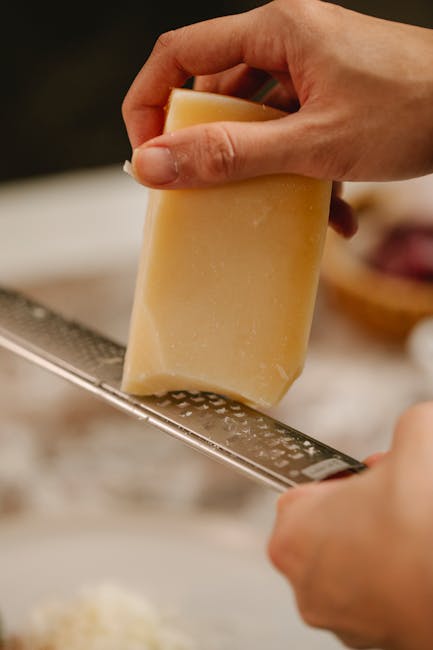
Key ingredients: guanciale, pecorino, olive oil
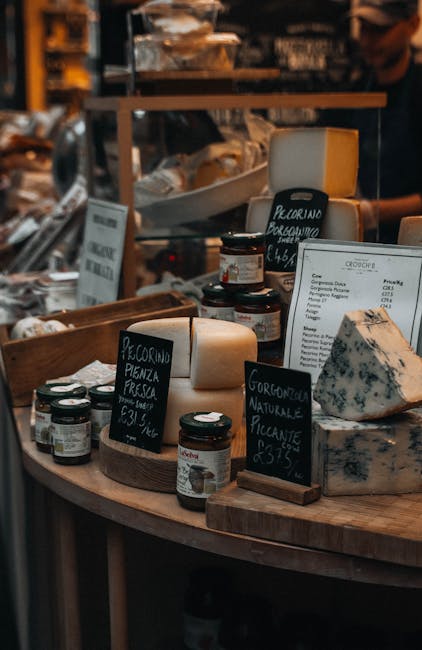
Cooks stress ingredient quality. Guanciale (pork cheek) differs from bacon by its richness and texture, which yields a particular softness after cooking; pecorino romano gives a clean saltiness and aromatic depth. Extra-virgin olive oil from the Lazio area is mainly used as a finishing touch to enhance flavors.
- Guanciale: cut into thick lardons, browned over medium heat to render fat without burning.
- Pecorino Romano: freshly grated, not pre-packaged, for a powerful aroma.
- Olive oil: used sparingly to preserve balance.
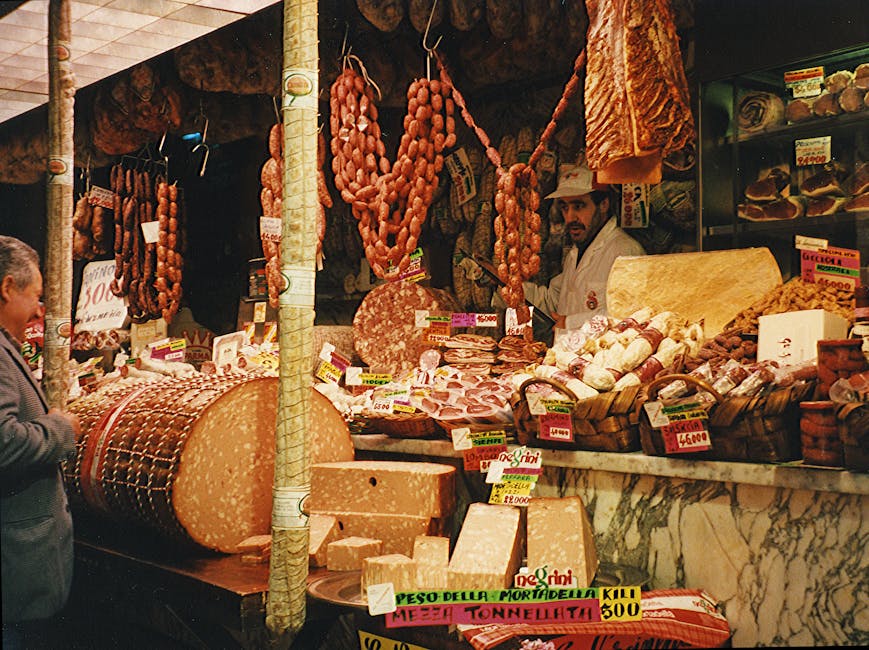
Trattorie often buy from regular local suppliers — butchers, cheesemongers and markets like Mercato Testaccio or Campo de’ Fiori. Ask the chef where their ingredients come from: the answer often tells a neighborhood story.
Practical tips for enjoying trattorie, budgets and must-do experiences
Visiting Lazio’s trattorie requires a few pointers to make the most of your time and budget. Here are concrete recommendations on navigating these places, handling reservations, and what to expect in terms of price and service.
Reservations and timing: how to avoid long waits
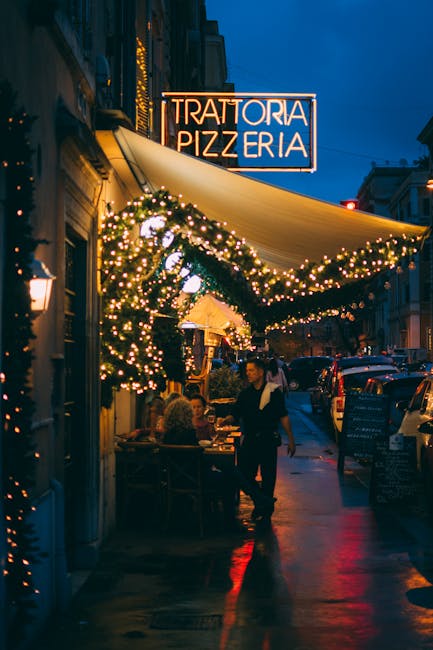
Popular trattorie often have queues, especially at dinner. Booking by phone or via the website is recommended when possible. For places like Da Enzo al 29 or Armando al Pantheon, it’s common that they don’t accept online reservations: calling is the safest bet.
- Recommended times: lunch service 12:30–14:00; dinner 19:00–20:00 if you want to avoid crowds.
- If no reservation: arriving 15–20 minutes before opening can sometimes get you the first table.
- Groups: notify the trattoria in advance; some places have limited seating or fixed menus for groups.
Flexibility is key: accepting a wait is often part of the ritual, but for special occasions it’s better to plan. Also check closing days: many close one day a week (often Sunday or Monday).
Budget and culinary expectations: what to budget for
A full meal in a typical Lazio trattoria (antipasto, pasta dish, dessert, a glass of wine) generally falls between €20 and €40 per person. In more touristy or historic venues, prices can reach €45–60. Here’s a rough range:
- Starter: €6–12
- Pasta dish: €9–18
- Dessert: €5–8
- Glass of wine: €4–8 / Local bottle €15–35
If you’re on a tight budget, opt for a pasta dish for lunch and share a dessert. Neighborhood trattorie (Monteverde, Casaletto) often offer the best value without sacrificing authenticity.
Tasting etiquette and table manners
Respect local culture: avoid asking for excessive substitutions, taste classic preparations as served first, and ask about ingredient origins — cooks enjoy sharing those details. Don’t hesitate to ask for wine recommendations: staff will often suggest a Lazio wine (Frascati, Cesanese) that pairs well with a pasta dish.
- Tip: Tasting a sauce with a spoon isn’t rude, but avoid altering the preparation without the chef’s agreement.
- For photographers: Shoot quickly and respect the atmosphere; avoid flash in dim interiors.
- For those with allergies: Inform staff on arrival; many dishes can be adapted, but expect some limitations with traditional recipes.
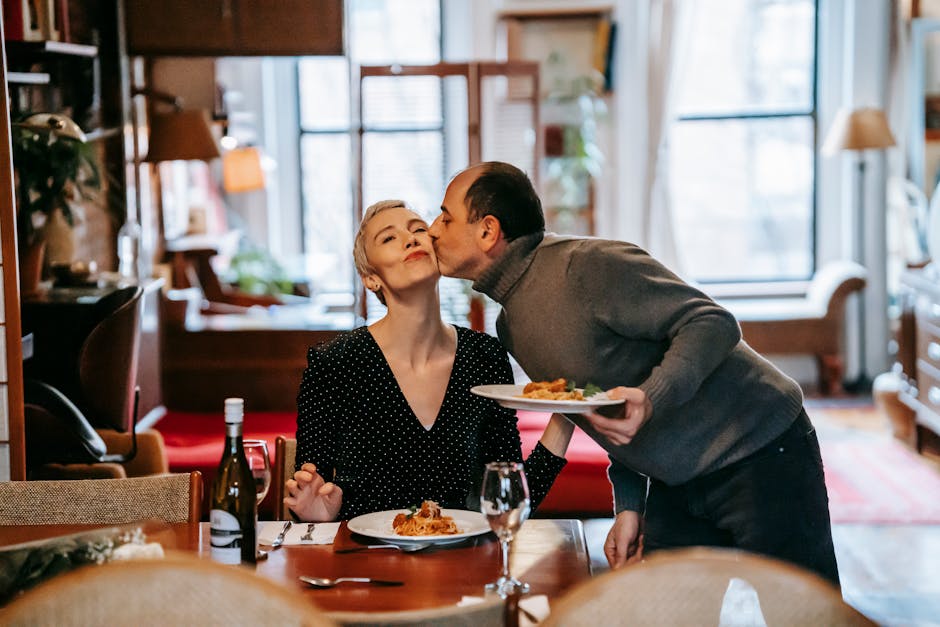
Finally, give yourself time: a Roman meal is a social event that can last two hours. It’s an opportunity to talk with locals, ask for a sauce recipe and sometimes even watch the kitchen at work.
Conclusion — Take a piece of Rome back to your plate
The trattorie of Lazio, and especially those in Rome, offer far more than a meal: they are places of memory where culinary gestures are passed on, family stories are told and local flavors are expressed with sincerity. Whether you choose a historic house near the Pantheon like Armando al Pantheon, a neighborhood trattoria like Felice a Testaccio or a friendly table in Trastevere at Da Enzo al 29, the culinary experience rests on a subtle balance of technique and generosity.
With this guide you have the practical information you need: exact addresses, typical hours, price ranges and concrete tips to make the most of each visit. Remember that the quality of a pasta dish depends as much on the product as on the motion: a Roman chef will proudly tell you — the right guanciale, freshly grated pecorino and mastery of the emulsion make all the difference. Take time to chat with staff and cooks; their passion is often contagious and can turn a simple dinner into a life-and-cooking lesson.
If you head home wanting to extend the experience, try reproducing a simple recipe — cacio e pepe or amatriciana — following the techniques described: freshly cracked pepper, reserved cooking water, cheese grated at the last moment, and patience. Quality ingredients are available from a good cheesemonger and butcher, and practice will help you capture the essence of Roman cooking.
Finally, keep in mind that trattorie evolve: some modernize their menus, others remain true to tradition. Wherever you go in Lazio, let your nose lead you, follow local recommendations and trust the queue — it’s often a sign of sincere cooking. Happy culinary travels and buon appetito: may every plate of pasta become for you an encounter — with a place, a story and, above all, passionate cooks.