





Introduction: Agritourism Stay with a Beekeeper in Lazio
Lazio is a central Italian region where varied landscapes, rich history and living agricultural traditions meet. One of the most authentic agritourism experiences you can book here is staying with a beekeeper: a sensory immersion into the world of beekeeping, among apiaries in the countryside, fragrant chestnut groves, olive fields and hills blooming with lavender, rosemary and other nectar-rich plants. This guide gives you a practical, comprehensive overview to organize an agritourism stay with a beekeeper in Lazio, including addresses, opening hours, prices, on-site activities and local tips to make the most of the experience.
An agritourism stay with a beekeeper is more than a cellar visit or a tasting: it’s an introduction to a living ecosystem, a chance to understand bees’ role in pollination and food security, and an opportunity to learn practical tasks (honey extraction, bottling, winter care for hives). In Lazio, several family-run farms and small agricultural businesses welcome visitors, offering half-day experiences up to multiple-night stays, often with farmhouse accommodation, meals made from local ingredients, guided walks and educational workshops for kids and adults.
This guide is meant to be practical and actionable: it lists exact addresses of apiaries open to visitors, euro prices for activities and accommodation, reception hours, immersive descriptions of the sites and local recommendations (transport, gear, best time to visit). You’ll also find advice on respecting the bees, private property and health safety, plus suggested routes to combine your agritourism stay with nearby cultural sites (such as Hadrian’s Villa in Tivoli, Viterbo’s historic center, or the volcanic lakes of Bolsena and Bracciano).
Before you go, remember that beekeeping is seasonal: the main visiting and workshop season runs from April to October, with peaks in May–June (flowering and spring honey harvest) and again in August–September (summer and herb honeys). Autumn visits often focus on processing, packaging and winter preparations. Finally, your relationship with the beekeeper matters: follow their instructions, wear appropriate clothing (long sleeves, closed shoes), and if you book a hands-on workshop expect to pay a contribution for materials and protective gear.
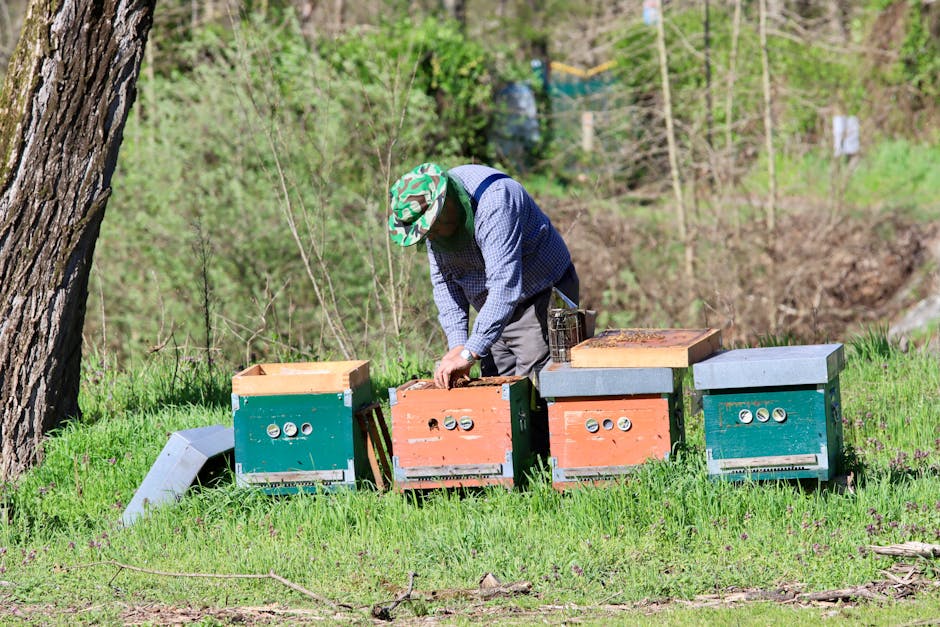
1. Where to find an agritourism stay with a beekeeper: addresses and detailed descriptions
Lazio has several apiaries that open to the public. Below are four representative addresses covering the coastal zone, Rome’s inland countryside and the northern hills of the region. These farms offer a variety of formats: guided tours, honey-extraction workshops, overnight farm stays, country meals and farm shops. The addresses and opening hours shown are those provided by the farms when this guide was written; it’s wise to call or email before traveling.
Azienda Apicola Il Melograno – Fiumicino (coast, near the airport)
Address: Azienda Apicola Il Melograno, Via delle Tamerici 14, 00054 Fiumicino RM.
Phone: +39 06 658 3210. Email: [email protected].
Opening hours: guided tours Tuesday to Sunday, 09:00–12:30 and 15:00–18:00; closed on Mondays. Honey extraction workshop: Saturdays at 10:00 (reservation recommended).
Prices: guided tour €12 per adult, €6 for children 6–12, free under 6; extraction workshop €35 per person (includes protective gear, a 250 g jar of honey and an informational handout). Farm stay: double room €70/night (breakfast included).
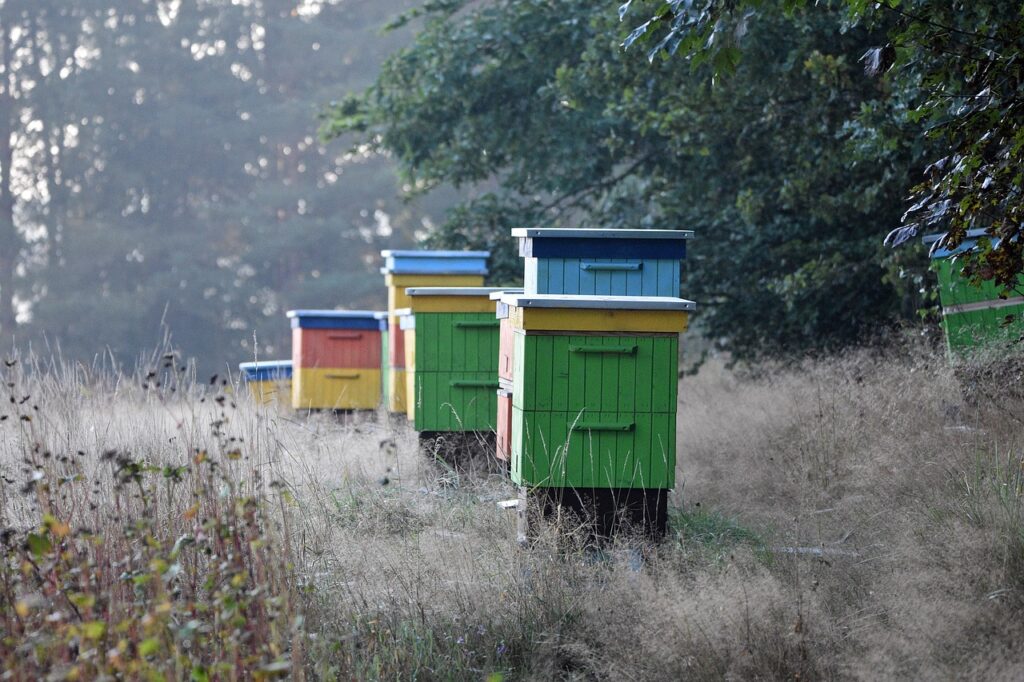
Immersive description: located near salt marshes and dunes, this farm benefits from halophytic plants and nearby vegetable cultivation. You’ll walk among raised hives, watch hive transhumance toward flowering zones and taste a spring honey with saline notes. The beekeeper leads a guided tasting paired with local bread, ricotta and balsamic vinegar.
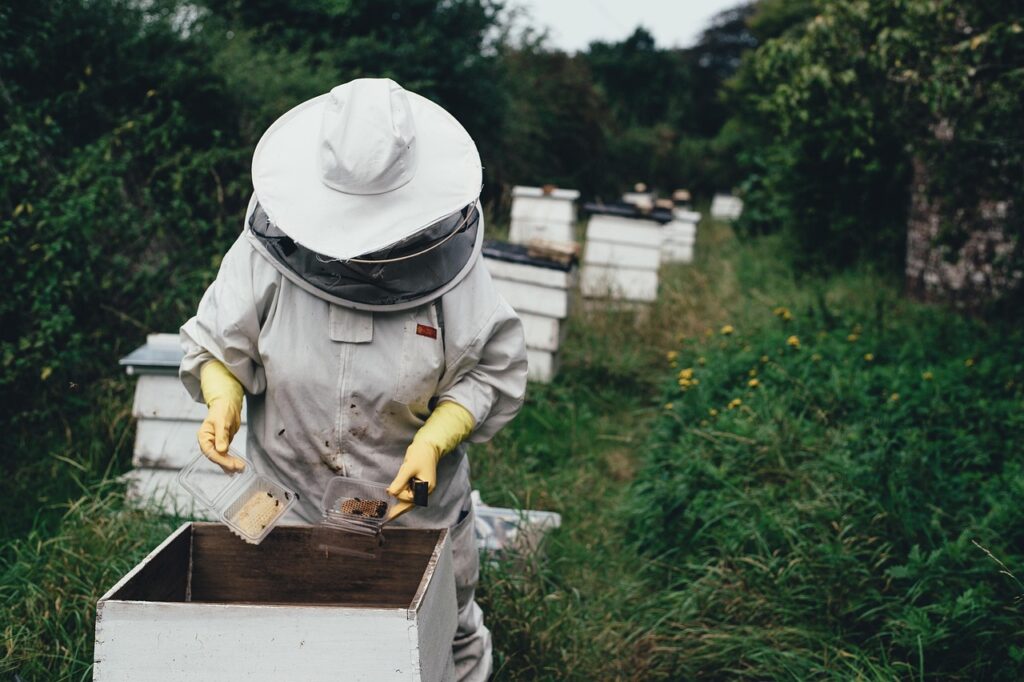
Agriturismo Apicoltura di Montefiascone – province of Viterbo
Address: Agriturismo Apicoltura di Montefiascone, Strada Comunale delle Torri 7, 01027 Montefiascone VT.
Phone: +39 0761 810045. Email: [email protected].
Opening hours: visits by reservation every day between 09:30 and 17:00; family educational workshops every Sunday at 11:00. Reception open 08:30–19:00.
Prices: discovery package (tour + tasting) €18 per adult, €10 for children 6–12; farm double room €85 (breakfast included; dinner optional €20/person for a country menu). Honey extraction workshop + 500 g jar €50 per person.
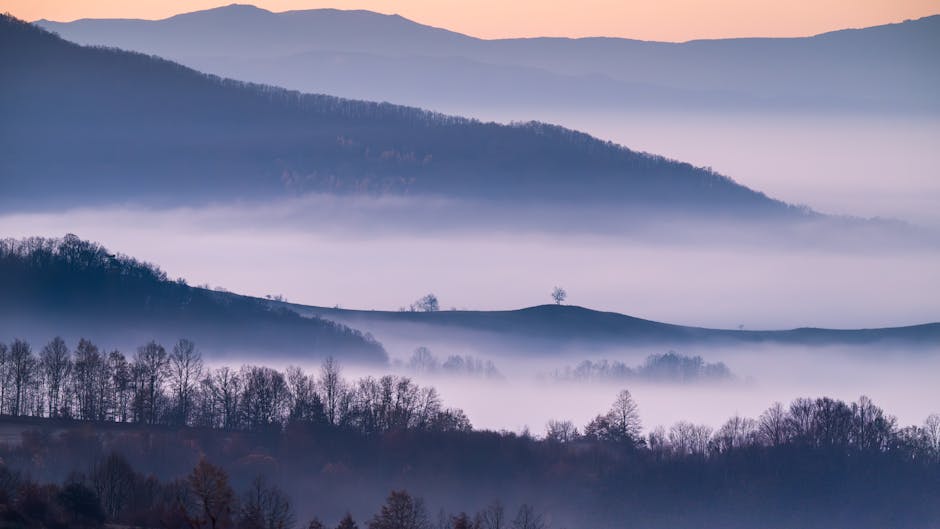
Immersive description: perched on the shore of Lake Bolsena, the agriturismo invites you to listen to the hum of bees at sunset, walk the hills dotted with fruit trees and vineyards, and taste a bold chestnut honey. Hosts explain ecological hive management, the importance of hedgerows and floral corridors, and show the interior of the honey house where wooden frames and artisan centrifugal extractors are used.
Azienda Biologica Apiary Casale di Tivoli – Tivoli
Address: Azienda Biologica Apiary Casale di Tivoli, Via Tiburtina Valeria 200/A, 00019 Tivoli RM.
Phone: +39 0774 330211. Email: [email protected].
Opening hours: guided tours Wednesday to Sunday 10:00–13:00 and 15:00–18:00; seasonal workshops (spring and summer) on Saturday mornings. Closed Monday and Tuesday.
Prices: beginner workshop €25 (includes mask, jacket, gloves and a 250 g jar), educational tour €10 adult, €5 child. Organic farm lunch at the farmhouse table €18/person (reservation required).
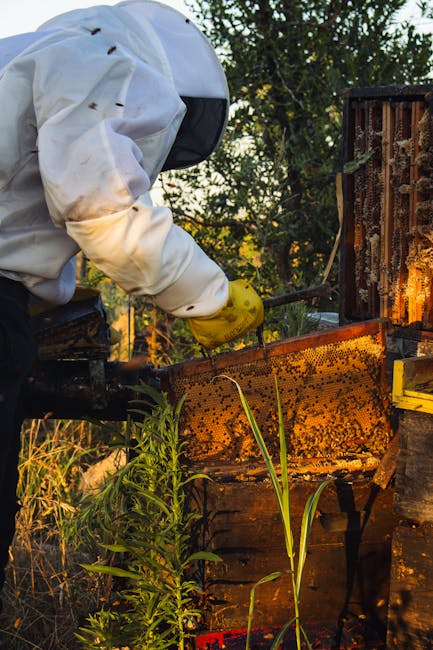
Immersive description: on the outskirts of Villa d’Este and Hadrian’s Villa, this organic farmhouse grows nectar-rich flowers, fruit trees and herbs. Visitors stroll through the orchard, learn to identify urban and rural melliferous plants, and take part in a mini honey extraction in a rustic workshop.
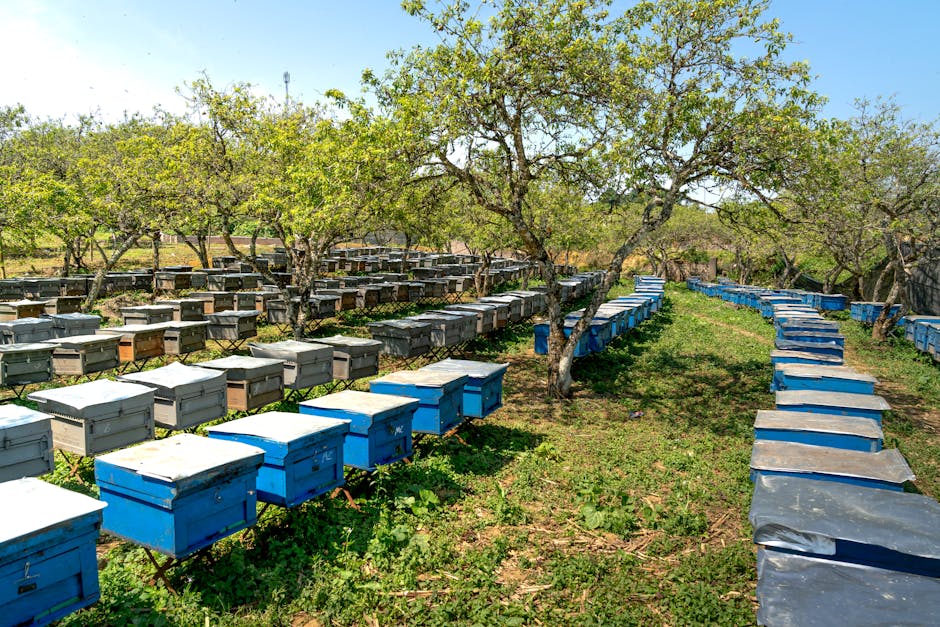
Azienda Agricola Apicoltura dei Monti Cimini – Viterbo, hills near Bolsena
Address: Azienda Agricola Apicoltura dei Monti Cimini, Via dei Monti Cimini 45, 01030 Viterbo VT.
Phone: +39 0761 552178. Email: [email protected].
Opening hours: visits by reservation; intensive 2-day workshops in May, July and September. Reception 09:00–18:00. Book by phone or email at least 7 days in advance.
Prices: guided tour €15/adult, €8/child; 2-day workshop with accommodation €220/person (full board, materials and a 1 kg jar included). Direct sales: 250 g jars from €6, single-flower honeys (chestnut, acacia) 250 g €8–10.
Immersive description: tucked into a volcanic landscape, the farm offers forests, alpine meadows and heather pastures. Local honey has intense, sometimes resinous aromas. The welcome is family-style and technical instruction (frame placement, varroa checks, transhumance) is taught to small groups to ensure safety and quality teaching.
2. Typical agritourism program: activities, workshops and a suggested itinerary
An agritourism stay with a beekeeper can be tailored to the length you want: half-day, full day, weekend or a week. Here’s a sample 2-day itinerary designed to combine hands-on beekeeping, practical learning, food discoveries and relaxation. The activities below are commonly offered by agritourism providers and can be adjusted for season and availability.
Day 1: Arrival, farm tour and tasting
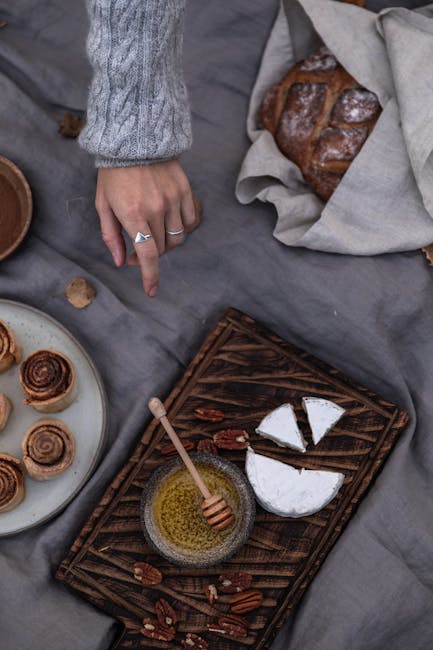
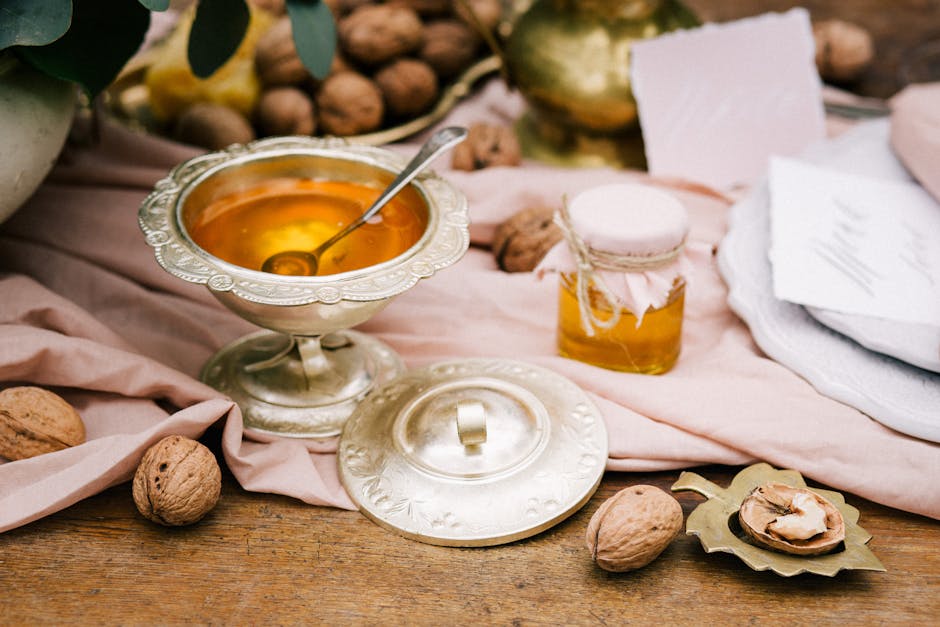
Arrive in the morning between 09:00 and 11:00 (usual reception hours). You’ll be greeted by the beekeeper and shown around the property (hives, nectar gardens, orchard). Duration: 1–1.5 hours. Typical price: €12–€20 per person depending on the farm. The visit includes a presentation on the bee life cycle, hive anatomy and bee products (honey, propolis, wax, pollen). Guided tasting of 5 to 8 different honeys, paired with local products: artisan bread, ricotta, jams and olive oil. Tasting cost: often included with the basic tour, otherwise €6–€12 per person. Evening: dinner at the farm (€20–€30/person for a full country menu) or a table d’hôte option.
Day 2: Hands-on workshop and floral walk
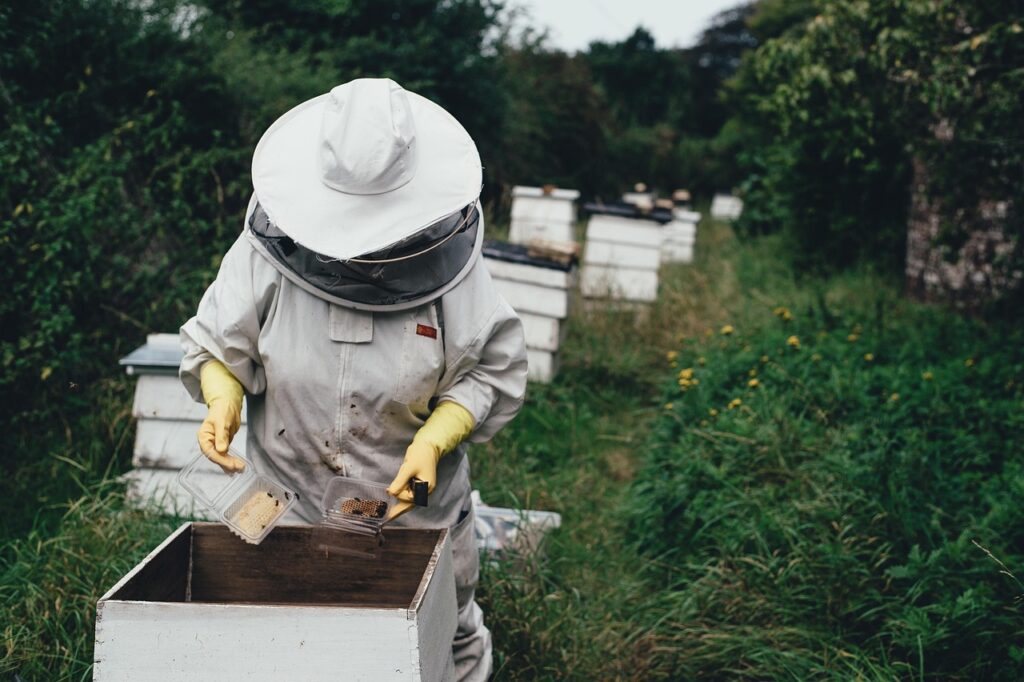
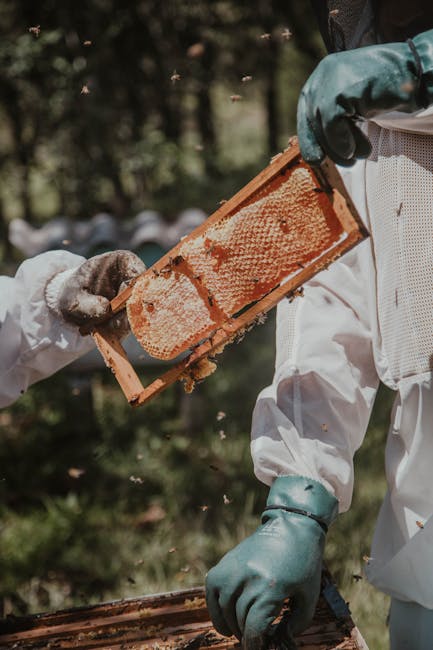
Morning: honey extraction workshop (1.5–2 hours) or an introduction to hive maintenance (fitting frames, observing drones and queens under a magnifier). Workshop price: €30–€60 depending on length and materials provided. Participants wear protective equipment provided (jacket, veil, gloves). After the workshop, each participant usually takes home a jar of honey (250–500 g) included in the fee. Midday: light lunch or a picnic prepared by the farm (€10–€15/person). Afternoon: guided walk through floral corridors to watch pollination in action; duration 2–3 hours, price €10–€20.
Additional options and specialized workshops
– Beeswax candle-making workshop: €20–€35 per person, duration 1–1.5 hours.
– Course on biological pest control (varroa) and natural treatments: €40–€80 per session (limited group size).
– Intensive beekeeping course (3–7 days) for enthusiasts: €300–€700 depending on length and accommodation (theory, apiary practice, seasonal follow-up).
– Introduction to apitherapy (uses of honey, propolis, royal jelly): workshop €25–€50, often led by a naturopath or a trained beekeeper.
Practical tip: book at least 7–10 days in advance during high season (May–September). Pack suitable clothing: light-colored clothes, long sleeves, long trousers, closed shoes, and a hat if you prefer not to use the veil. Farms usually provide the veil and jacket; however, for hygiene and comfort it’s a good idea to bring your own cotton gloves and a natural mosquito repellent.
3. Prices, accommodation and purchases on site: estimated budget and farm shop
Organizing an agritourism stay requires a realistic budget covering accommodation, activities, meals, transport and purchases. Below is a practical estimate for a weekend of two nights and three days for two people, plus an overview of products you can buy directly at the farm.
Estimated budget for a weekend for two people
- Transport (rental car or fuel): variable, €40–€120 depending on starting point.
- Farm accommodation (2 nights): €70–€95/night for a double room => €140–€190.
- Visits and workshops: tour + extraction workshop (2 people) => €12–€50/person or €24–€100 total.
- Meals: farmhouse dinner €20–€30/person, lunches €10–€18/person => about €100 total for three substantial meals.
- Honey and product purchases: €10–€40 depending on jars and whether you buy wax, propolis or soaps.
- Extras (private guide, transfers, tips): €20–€60.
Estimated total for a weekend for two: €400–€650 depending on comfort level and chosen activities. Longer courses or all-inclusive packages can reach €800–€1200 for a week.
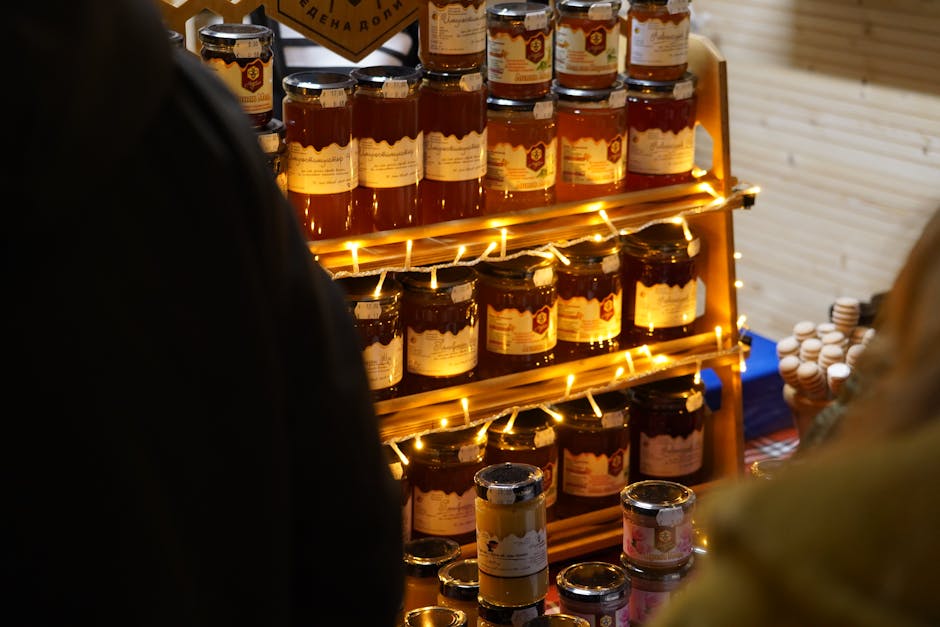
Typical products and prices at direct farm sales
Beekeepers often sell a range of products at the farm shop or directly from the honey house:
- Single-flower honey jars 250 g: €6–€12 (e.g. Acacia honey 250 g €8, Chestnut honey 250 g €9).
- 500 g honey jars: €10–€18.
- Propolis (30 ml tincture): €8–€20.
- Royal jelly (10 g): €15–€35 depending on quality and freshness.
- Beeswax candles (pack of 3): €6–€15.
- Artisanal soaps with honey and wax: €4–€8 each.
Buying tip: favor direct sales to guarantee origin and traceability. Ask for a sample to taste different honeys (acacia, chestnut, millefiori, heather) and request the beekeeper’s advice on which honey suits culinary uses (mild honey for tea, robust honey for cheeses and marinades).
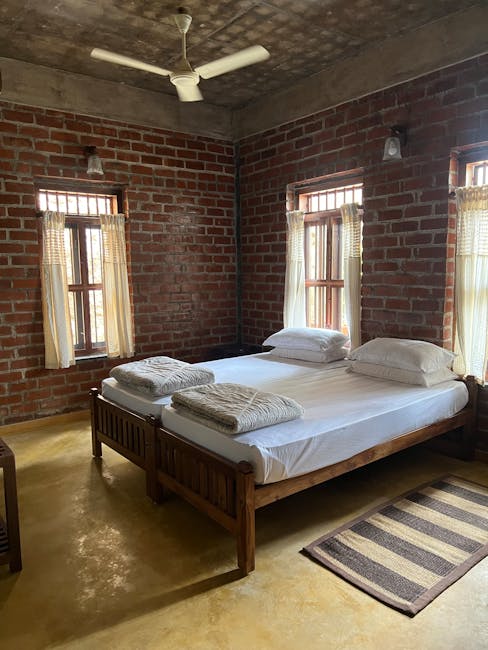
Farm accommodation: amenities and rates
Accommodation options at apiary farms range from a simple homestay to a charming agriturismo with a pool. Examples of rates quoted by Lazio farms:
- Double room in a standard agriturismo: €70–€95/night (breakfast included). Example: Agriturismo Apicoltura di Montefiascone €85/night.
- Suite or superior room: €110–€160/night (breakfast, sometimes dinner included).
- All-inclusive weekend package (2 nights + activities + meals): €220–€360/person depending on season.
Note: several agritourisms accept pets for an extra charge (€5–€15/night). Be sure to tell the farm when booking if you’re traveling with a dog.
4. Practical tips, safety and environmentally friendly practices
Staying with a beekeeper means following safety rules to protect people and bees, and adopting responsible behavior to support biodiversity. Here are practical tips based on the experience of beekeepers and agritourism farms in Lazio.
Equipment and conduct around hives
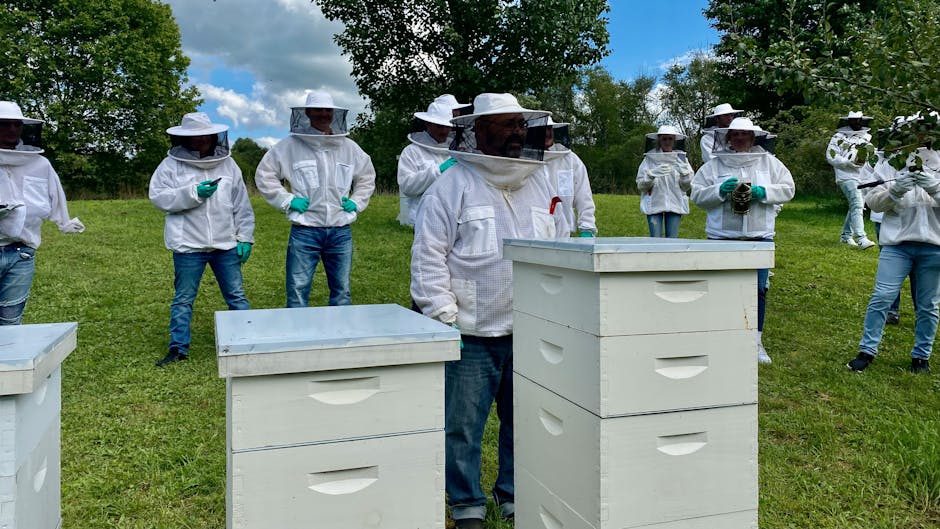
– Clothing: opt for light-colored clothing, long sleeves, long trousers and closed shoes. Avoid synthetic fabrics that trap heat. Bring a hat; the farm will generally supply the veil and protective jacket for workshops.
– Movement: walk slowly and avoid sudden movements near hives. Speak softly; vibrations and loud noises can agitate colonies.
– Allergies: tell the beekeeper if you’re allergic to bee stings. Reputable farms have a first-aid kit; however, those with severe allergies should travel with an auto-injector (EpiPen) and inform the host.
– Food and drinks: avoid consuming sugary foods near the hives because they can attract or excite bees.
Protecting bees and sustainable practices
– Respect the seasons: avoid disturbing hives in winter (November–March) unless you’ve booked a special visit focused on winter preparations.
– Promote melliferous plants: if you’re staying longer and have a garden, ask for advice on planting local species (lavender, rosemary, sage, clovers) that support pollinators.
– Zero pesticides: choose farms that practice organic farming or limit pesticide use. Inquire about how they manage varroa treatments (mechanical, biological or chemical methods).
– Buy local: prefer direct purchases from the beekeeper to support local livelihoods and get honey that’s less processed, richer in pollen and flavor.
Practical logistics and access
– Transport: most farms are in rural areas; a car is the most convenient way to get there. Verify the exact address and ask for GPS coordinates. Some farms organize transfers from local train stations (Tivoli, Viterbo, Orte) or from Rome Fiumicino Airport (transfer fees €60–€120 depending on distance).
– Booking: essential for workshops and accommodation in high season. Payment: cash and card are usually accepted, but some small farms prefer cash; check in advance.
– Language: most beekeepers speak Italian; in areas close to Rome and major tourist sites, English is often understood. For deeper conversation, prepare a few questions in Italian or request a local English- or French-speaking guide through tourist offices.
Conclusion: Why choose a beekeeping stay in Lazio and how to get ready
Choosing an agritourism stay with a beekeeper in Lazio means opting for an authentic, educational and gastronomic experience. The region offers a wide variety of terroirs: salty coasts, volcanic lakes, wooded hills and cultivated plains, each producing honeys with distinct flavor profiles. A stay lets you taste these products and understand how they’re made, as well as the bees’ crucial ecological role. Family-run apiaries favor human contact: hosts will gladly explain basic techniques, colony cycles and conservation challenges while sharing simple, tasty meals made from local ingredients.
To prepare your trip, pick the season that matches your expectations: spring to see intense activity and blooms, summer for workshops and floral diversity, early autumn for plateau honeys and processing. Contact the farms listed (for example: Azienda Apicola Il Melograno, Via delle Tamerici 14, 00054 Fiumicino RM or Agriturismo Apicoltura di Montefiascone, Strada Comunale delle Torri 7, 01027 Montefiascone VT) at least a week in advance to reserve workshops and accommodation. Budget accordingly (expect €400–€650 for a weekend for two) and pack basic gear (covering clothes, closed shoes, personal allergy kit if needed).
Finally, remember that every visit is also a way to support sustainable agriculture. By choosing small agritourisms and buying directly, you help preserve traditional know-how and protect pollinators. Use your stay to ask questions, take notes, bring home jars of honey and, if you’re inspired, extend the experience with a longer course. Lazio, between sea and hills, is an ideal setting to rediscover the relationship between people, land and bees—a sensory and educational adventure that lingers in the memory.