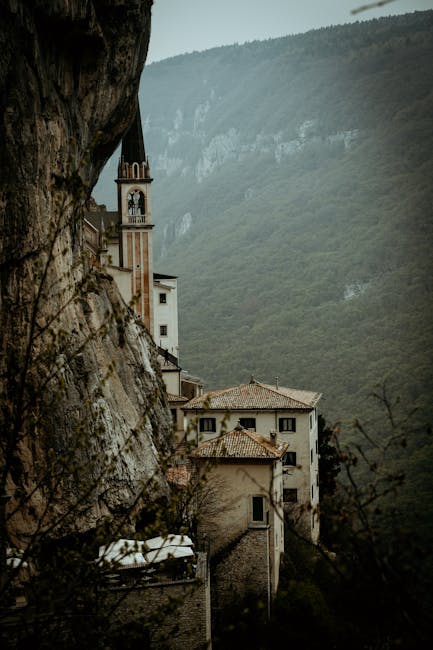






Introduction — Subiaco: between cliffs, forests and suspended monasteries
Perched on the eastern foothills of the Simbruini Mountains, about 70 kilometers east of Rome, Subiaco is a true sanctuary where medieval Christian spirituality meets untamed, well-preserved nature. The small town of Subiaco, in the Lazio region (Provincia di Roma), welcomed in the 6th century Saint Benedict of Nursia (San Benedetto), founder of the Benedictine Order, who established several hermitages and monasteries in caves and on cliffs overlooking the valley. Today, these sites — notably the Sacro Speco (Monastero di San Benedetto), the Monastero di Santa Scolastica and the Rocca Abbaziale — draw pilgrims, hikers and lovers of sacred art, offering a deep immersion between monastic silence and rocky landscapes.
This practical guide, written with the discerning traveler in mind, details Subiaco’s main monastic sites, gives exact addresses, opening hours, prices in euros and useful tips to make the most of this unique corner of Lazio. You’ll find immersive descriptions of each place, local recommendations — the best times to visit, hiking routes around the monasteries, dress rules for entering religious buildings — and suggestions for extending your discovery into the Simbruini forests and surrounding valleys.
Visiting Subiaco works best at a measured pace: allow at least a half-day for the Sacro Speco and Saint Benedict’s hermitage, another half-day for Santa Scolastica and the Rocca Abbaziale, plus time to wander the historic center, sample local cuisine and take a hiking trail to waterfalls and viewpoints. The mountain Mediterranean climate means cool nights even in summer; bring layers and sturdy shoes for stairs and paved trails. Photographers will appreciate sunrise and sunset, when striking light plays across stone walls and surrounding woodlands — the perfect moment to capture the spirit of the place.
The Sacro Speco (Monastero di San Benedetto) — Subiaco’s cliffside sanctuary
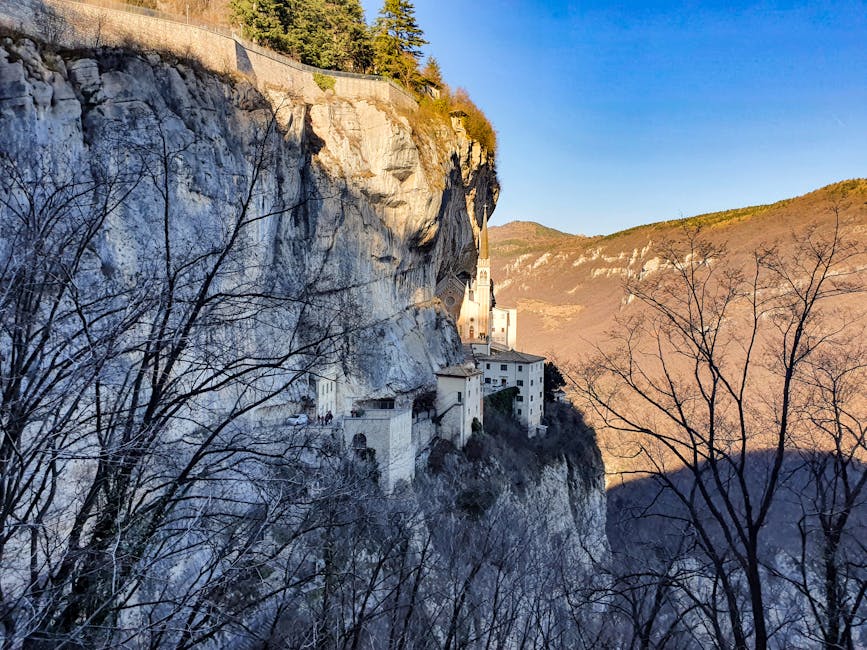
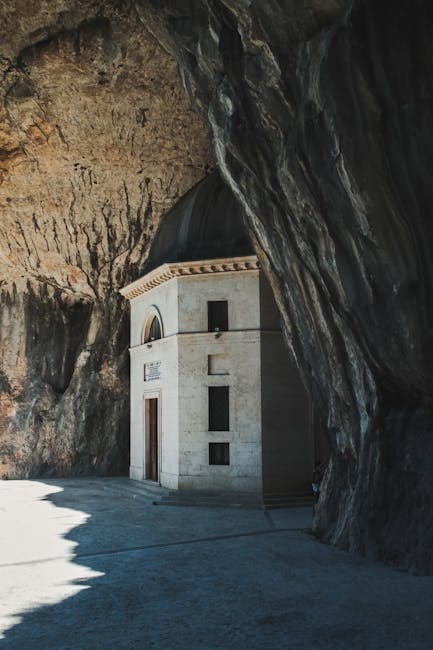
The Sacro Speco, often called the Monastero di San Benedetto (Sacro Speco – Monastery of St. Benedict), is arguably Subiaco’s most famous site. Sitting above the Aniene river, it occupies a dramatic position, literally built into the rock. Address: Sacro Speco, Via Sacro Speco, 00028 Subiaco RM, Italy. This monastic complex combines natural caves used by Saint Benedict, richly decorated medieval chapels and cloisters overlooking the valley.
Hours and prices: generally, the Sacro Speco is open every day; approximate hours (confirm before you go): 09:00–12:30 and 14:30–18:00. Entrance fee: €4.00 per adult (discounts may apply for students, seniors and groups). There’s a small souvenir shop and an information point at the entrance. Guided tours in Italian and English are sometimes available by reservation and are recommended to better understand the fresco chronology and the Benedictine history of the site.
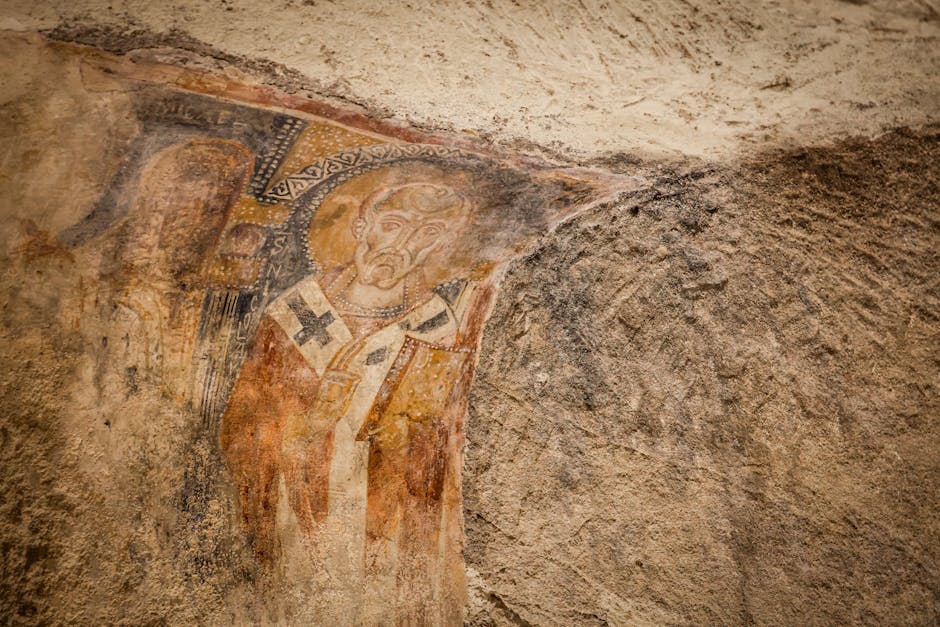
Immersive description: stepping into the Sacro Speco courtyard you immediately feel transported out of time. Byzantine and medieval frescoes, often well preserved, cover the walls of the inner chapels: scenes from the life of Christ, icons of saints and depictions of Saint Benedict. The cells and small niches carved into the rock tell the story of an ascetic who chose solitude to pray and write the Rule of Saint Benedict. The vaults’ acoustics, the distant murmur of the Aniene river and the coolness of the stone create an atmosphere ideal for contemplation.
Practical tips: arrive early to avoid crowds, especially on religious holidays; bring a jacket even in summer (it’s cool inside). Observe silence and photography rules (some chapels prohibit flash). Visitors with reduced mobility should note that the site includes stairs and steep paths; check accessibility in advance. Finally, pair the visit with a meal at one of the trattorie in town after descending: mountain produce, mushrooms and local cheeses are must-tries.
Monastero di Santa Scolastica — the Sacro Speco’s sister and monastic intimacy
Facing the Sacro Speco across the gorge stands the Monastero di Santa Scolastica (Monastery of Saint Scholastica), dedicated to Saint Benedict’s sister. Address: Monastero di Santa Scolastica, Via Santa Scolastica, 00028 Subiaco RM, Italy. This female monastery, often less visited than the Sacro Speco, offers a more intimate experience and a complementary view of Benedictine monastic life in Subiaco.
Hours and prices: visits to the Monastero di Santa Scolastica are generally possible during the following times (check before you go): 10:00–12:30 and 15:00–17:30; closed Sunday mornings depending on services. Indicative fee: €3.00 per adult. Guided tours may include the cloister, the chapel and a small museum housing liturgical objects, manuscripts and relics. Access to certain parts of the convent may be reserved for religious guests, so respect and discretion are essential.
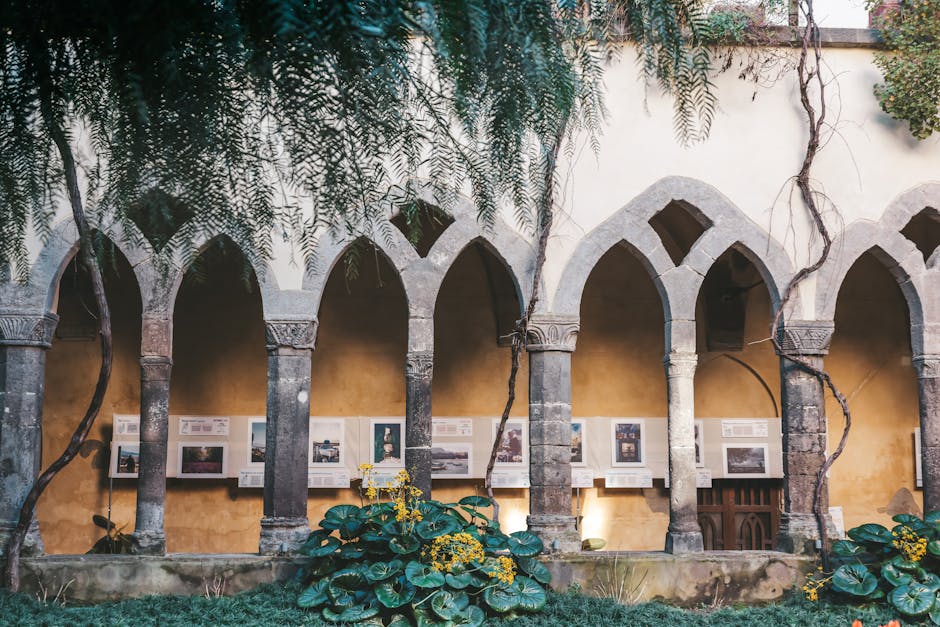
Immersive description: Santa Scolastica’s cloister charms with silent simplicity: stone arcades, columns worn by centuries and neat gardens with medicinal herbs once used by the nuns. Inside, the frescoes are more modest but genuinely authentic, and the current presence of the nuns brings a living dimension to the place. From the monastery’s viewpoint, the view of the opposing Sacro Speco and the Aniene gorge is spectacular — a setting that invites contemplation.
Local tips: strictly observe dress rules (shoulders and knees covered) and keep your voice low. If you’d like to attend a service, ask at the door: some communities quietly welcome visitors during Mass. To photograph the cloister and gardens, request permission at reception; avoid using flash in religious spaces. A short walk between Santa Scolastica and the Sacro Speco, across the small bridge or along adjacent paths, provides perfect panoramic photo angles.
Rocca Abbaziale and the historic center — fortress, museums and strolls
At the top of Subiaco’s old town sits the Rocca Abbaziale, an ancient medieval fortress and the historic seat of the abbots who governed the area. Address: Rocca Abbaziale, Piazza San Francesco, 00028 Subiaco RM, Italy (historic center). The complex has been reshaped over the centuries; today it’s an ideal starting point to explore cobbled streets, parish churches and small local museums.
Hours and prices: access to the Rocca and its exhibition spaces depends on temporary shows; typical museum and fortress hours: 10:00–13:00 and 15:00–18:00; indicative combined fee for exhibition + tour: €5.00 per adult. The municipal tourist office (ufficio turistico), often nearby, can provide free trail maps and information on seasonal cultural events.
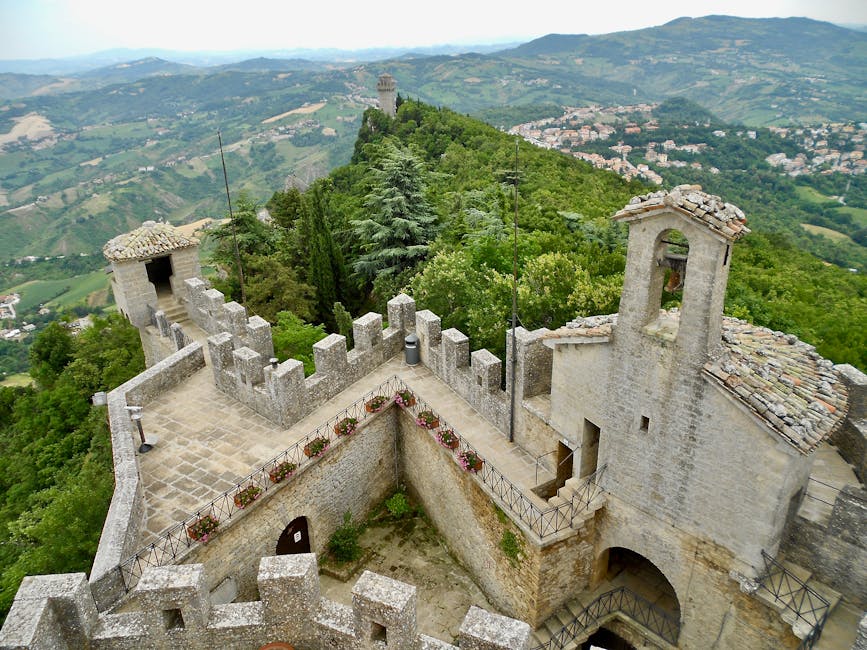
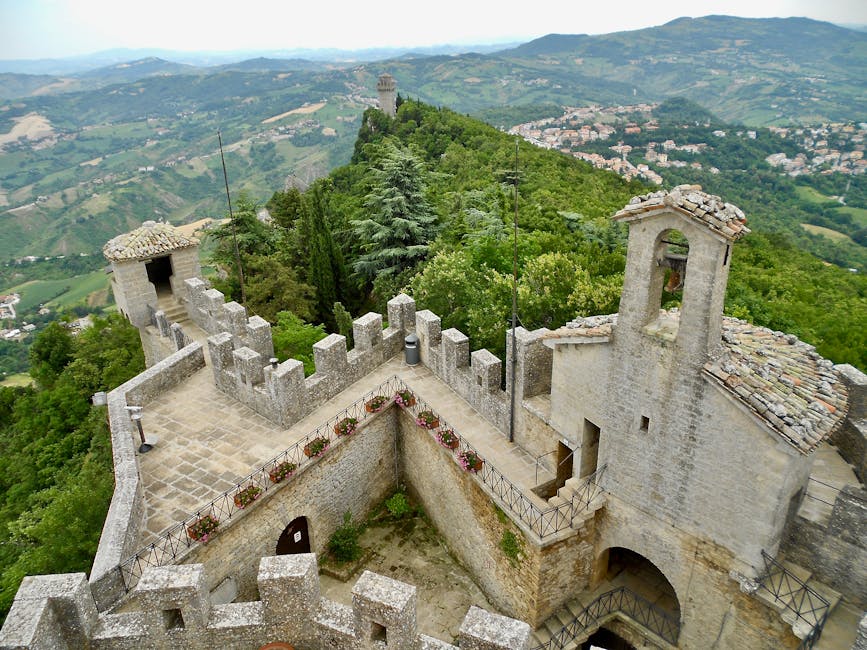
Immersive description: climbing the sloped alleys up to the Rocca, you pass a mosaic of artisan shops, small trattorie and colorful medieval façades. The fortress, with crenellated walls and towers, commands wide views over the Aniene valley and the rugged terrain that encouraged hermit isolation. Inside, displays of historical documents, models and religious artifacts recount the story of the abbots and Subiaco’s cultural exchanges with Rome.
Practical tips: combine a Rocca Abbaziale visit with lunch at an osteria in the historic center — try simple, authentic dishes: gnocchi, porcini risottos or bruschetta drizzled in local oil. Hikers should know several marked trails leave the village toward the Simbruini forests; get a recent map at the tourist office and avoid setting out alone on unmarked routes. The town center becomes especially lively during religious festivals and local markets — a great time to buy honey, jams and regional specialties.
Hikes and secondary hermitages — exploring Lazio’s wild nature
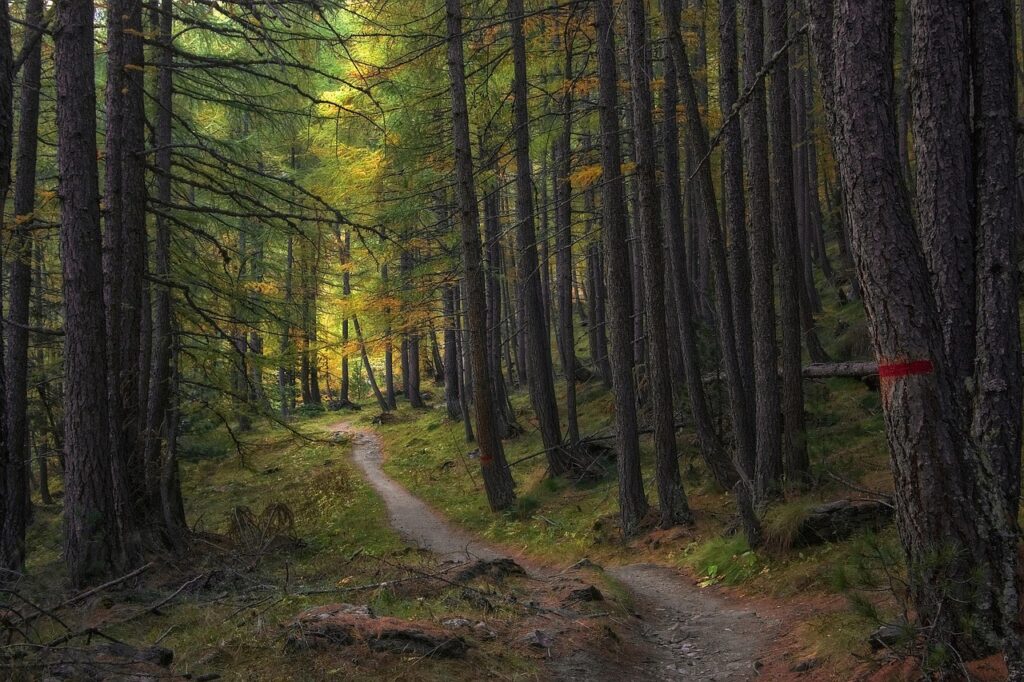
A network of trails around Subiaco leads to several hermitages and secondary caves where, over the centuries, pilgrims and religious seekers searched for silence. Among these are the Eremo di San Francesco, small rock chapels and natural viewpoints over the Aniene valley. Trails are often rocky and steep; recommended gear: hiking boots, water (minimum 1.5 L per person) and sun or rain protection depending on the season.
Practical safety advice: always check the weather before you head out; storms can make paths slippery. Download an offline map or pick up a paper map from the ufficio turistico (Piazza del Comune, Subiaco). The marked trails of the Riserva Naturale dei Monti Simbruini offer routes of varying difficulty: easy 1–2 hour walks up to full-day treks. Tell someone your route before you go if you’re hiking alone, and favor morning departures for cooler temperatures and better visibility.
Route suggestions: for a half-day, follow the trail that runs along the balcony path connecting Subiaco to the Sacro Speco, then return to town via viewpoints over the gorges. For a full day, combine a Sacro Speco visit with a loop through the Riserva Naturale dei Monti Simbruini, stopping at secondary hermitages and seasonal waterfalls. Photographers: bring wide-angle lenses for panoramas and a moderate zoom for fresco details and carved faces.
Conclusion — final tips to experience Subiaco deeply
Subiaco is a destination to be discovered slowly, at the pace of walks, services and quiet moments of contemplation. To get the most from your stay, plan visits to separate the main sites (Sacro Speco, Monastero di Santa Scolastica, Rocca Abbaziale) so you still have time for hiking and wandering the historic center. Always double-check opening hours and days before setting out — monastery services can restrict access. Budget roughly €12–20 per person to visit the main sites (Sacro Speco €4, Santa Scolastica €3, Rocca Abbaziale/museum €5), plus food and transport costs.
Respect and silence are essential: dress modestly, avoid loud behavior and follow instructions from religious staff. For a longer stay, consider spending a night in a local guesthouse or an agriturismo in the surrounding hills — hosts often share stories about monastic traditions and tips for lesser-known routes. Finally, bring time: sitting by the gorge, listening to bells at dusk and letting the simple beauty of the stone walls sink in will leave memories that go beyond photographs.
Whether you’re a pilgrim, hiker, lover of sacred art or a curious traveler, Subiaco and its cliffside monasteries offer a precious pause in Lazio, where history, faith and wild nature answer one another. Take the time to listen to the places, talk to locals and let the magic of these monastic sites infuse your journey.