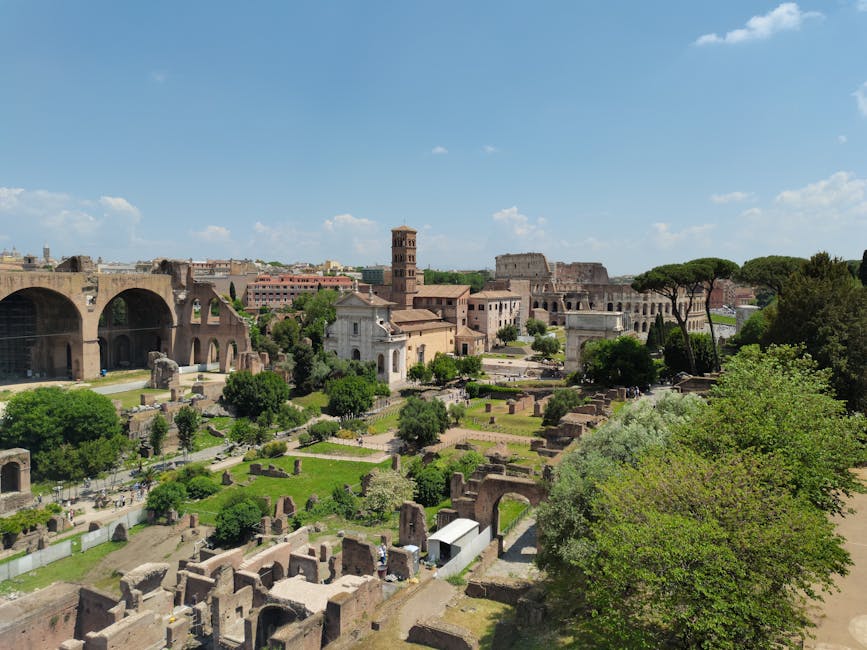






Introduction — Handmade Jewelry: Roman Goldsmiths and Workshops in Lazio
The Lazio region, the historic and cultural area surrounding Rome, is a rich playground for metal arts and jewelry making. Rooted in traditions that stretch back to the Etruscan and Roman eras, the local jewelry scene blends age-old techniques with contemporary design. Down Rome’s cobbled lanes, under the olive trees of the Colli Albani, and along the shores of Lago di Bracciano, you’ll find workshops where goldsmiths shape rings, necklaces and bracelets by hand—often in small runs or by special order. This article is a practical, immersive guide for curious travelers: it profiles studios and shops, gives exact addresses, price ranges in euros, typical opening hours and local tips to plan visits, purchases and bespoke commissions.
We’ll tour workshops and storefronts located in the Eternal City and in several towns across Lazio to provide a useful, lively map of the craft scene. You’ll find precise spots like Via Margutta, Via dei Coronari and the Monti neighborhood in Rome, as well as ateliers in the countryside around Ostia Antica, Frascati, Tivoli and Viterbo. The price ranges include ready-to-wear items and guidance for custom orders: expect simple silver rings from roughly €60–120 and 18K gold pieces starting around €600–1,200 depending on complexity and stones. Many workshops offer free cleanings, low-cost adjustments and estimates for repairs or remakes.
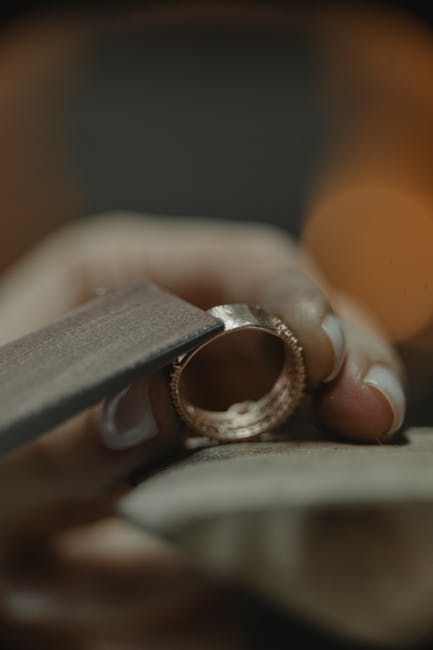
This guide aims to be both an introduction for the tourist and a practical resource for the discerning buyer: we describe the atmosphere of workshops, the smell of heated metal, the sparkle of a setting, visible techniques (chasing, enameling, granulation, hand-hammering) and how to talk to a goldsmith about a commission. Local tips will help you negotiate, check metal purity (hallmarks, certificates) and avoid unpleasant surprises when buying precious jewelry. Finally, you’ll find exact addresses and hours, and smart tips on organizing a visit (booking ahead, daily budget, typical turnaround time for commissions).
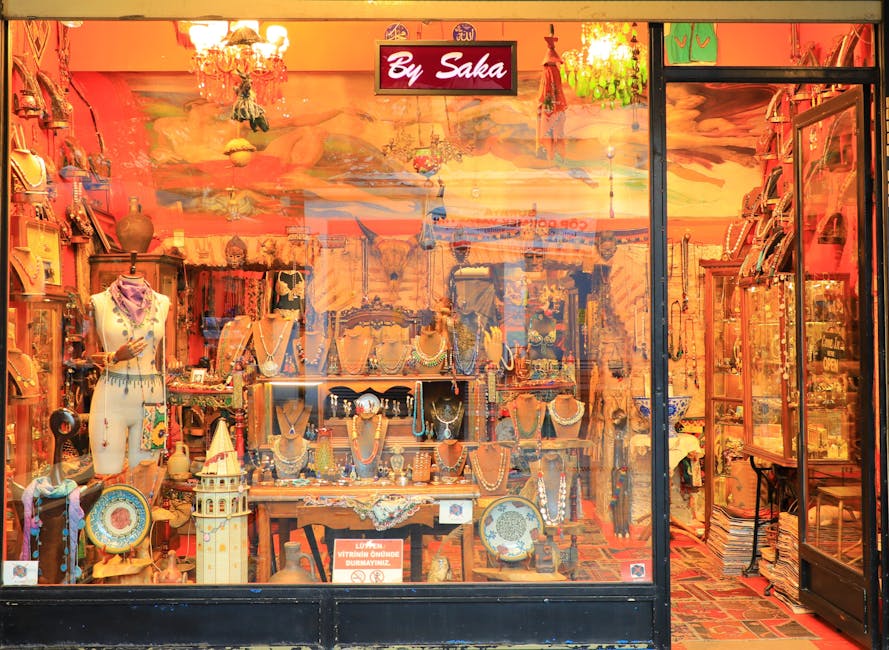
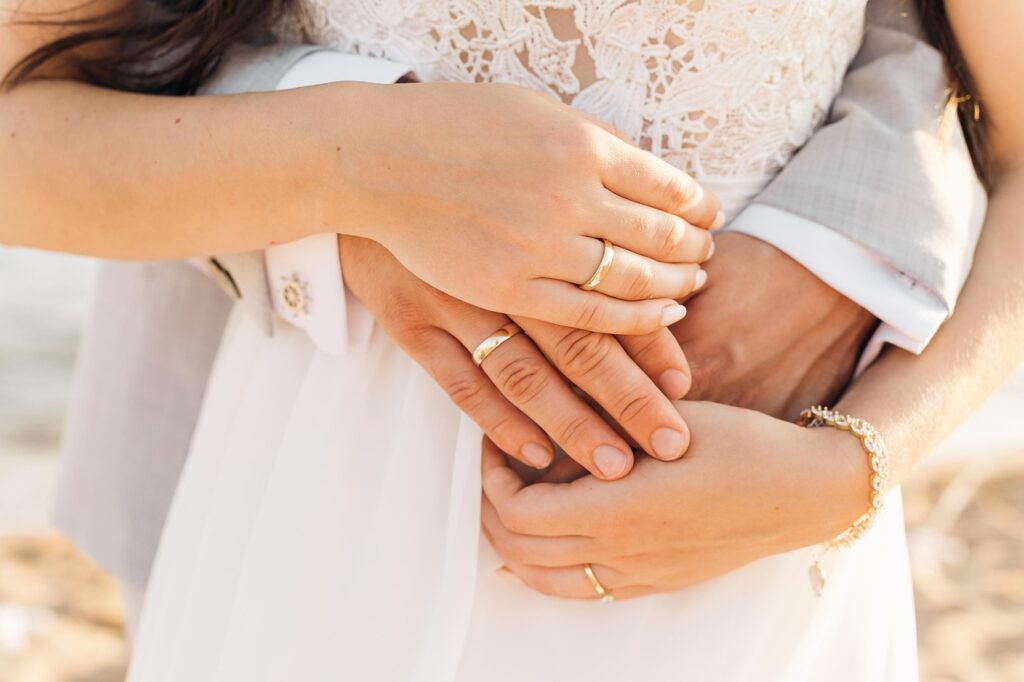
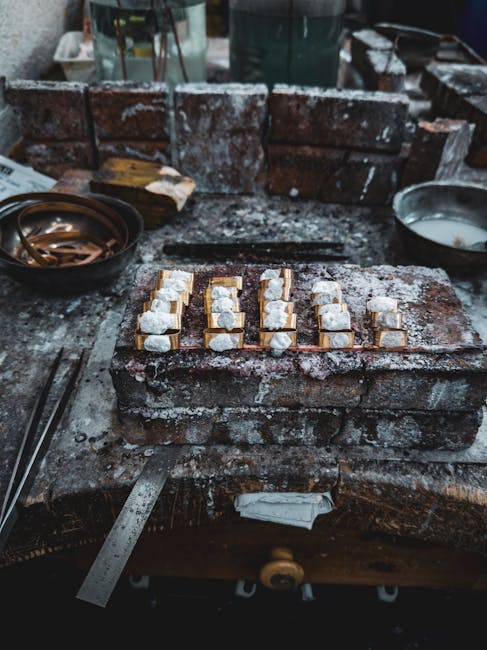
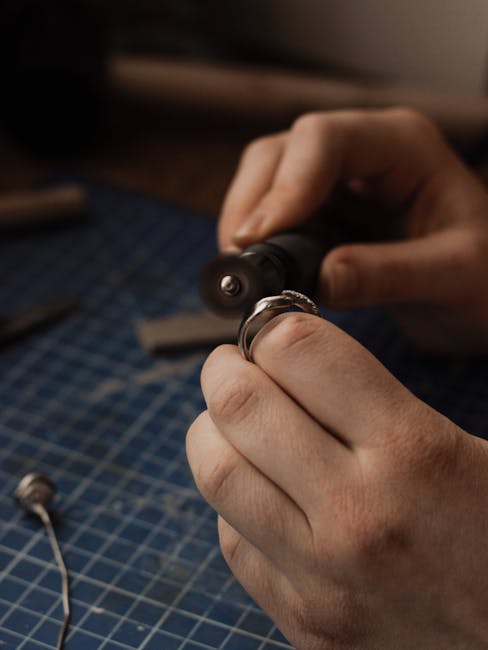
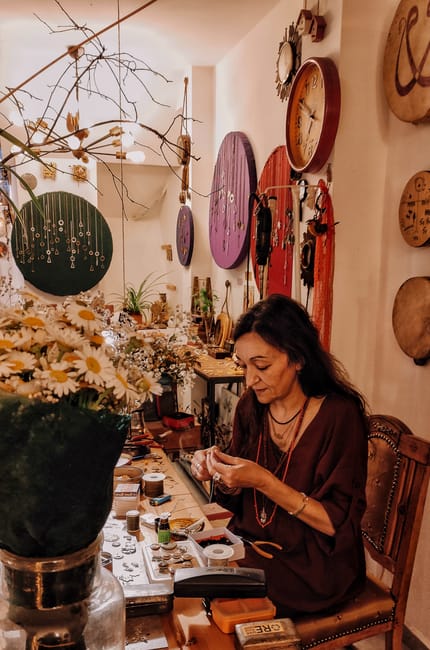
To round out the visual experience, there are strategically placed image markers meant to evoke workshops, displays, traditional tools and finished pieces. These cues are intended to inspire and give photographic reference points: workshop with goldsmith bench in Rome, artisans soldering a ring near the Colosseum, Venetian-style granulation demo in Via Margutta, and more. They’ll convey the atmosphere and steer your curiosity before you push open a workshop door for real. Get your address book ready: Lazio has far more to offer than monuments—its craftsmanship is made to be worn every day.
Historic Workshops and Must-Visit Addresses in Central Rome
The heart of Rome has been home to artisan goldsmiths for centuries. The streets around Piazza Navona, Via dei Coronari and Via Margutta make an ideal route to discover workshops and shops. Here’s a detailed selection with addresses, hours and indicative prices.
- Antica Bottega Orafo Via Margutta — Via Margutta 54, 00187 Roma RM. Hours: Tuesday–Saturday 10:00–19:00 (closed Monday). Prices: silver rings €70–250, silver pendants €50–180, simple 14K gold wedding bands from €680, custom 18K gold wedding bands €980–2,400 depending on weight and diamond inlay. Description: a small shop-workshop tucked in a 17th-century building, walls displaying old dies and a goldsmith’s bench facing the window. The master goldsmith offers demonstrations by appointment (free for purchases over €300) and restoration of antique jewelry. Local tip: book a morning visit if you want to watch the chasing work up close.
- Laboratorio Orafo Monti — Atelier e Gioielli — Via dei Serpenti 19, 00184 Roma RM. Hours: Monday–Saturday 11:00–19:30 (closed Sunday). Prices: hammered silver bracelets €85–210, signed rings €150–700, vermeil pieces €120–300. Description: a contemporary workshop in the bohemian Monti district, with hand finishes and mixed techniques (modern granulation, silver soldering, patination). The studio accepts express orders (7–10 days) for simple pieces. Tip: stop by Via dei Serpenti market for a coffee, then visit the studio late morning.
- Gioielleria Storica dei Fori — Via dei Fori Imperiali 10, 00186 Roma RM (shop on the Colosseum side). Hours: daily 09:30–20:00. Prices: 18K gold pendants €420–1,200, pendants with semi-precious stones €240–720. Description: a store a stone’s throw from the Colosseum, blending upscale souvenirs with artisanal pieces inspired by antiquity. Staff provide authenticity certificates for precious metals. Local tip: expect higher prices due to the tourist location; walk 10 minutes away to find workshops with friendlier rates.
- Oro di Testaccio — Atelier e Negozio — Via Galvani 51, 00153 Roma RM. Hours: Tuesday–Saturday 10:00–18:30 (closed Monday and Sunday). Prices: 9K–18K gold rings €480–2,100, small silver pendants €65–150. Description: known for restorations and remaking family jewelry. The owner provides valuation services and runs an open workshop where you can watch forming and polishing. Tip: ask them to point out the workshop’s hallmark (punzone) on gold; they’ll explain Italian hallmarks.
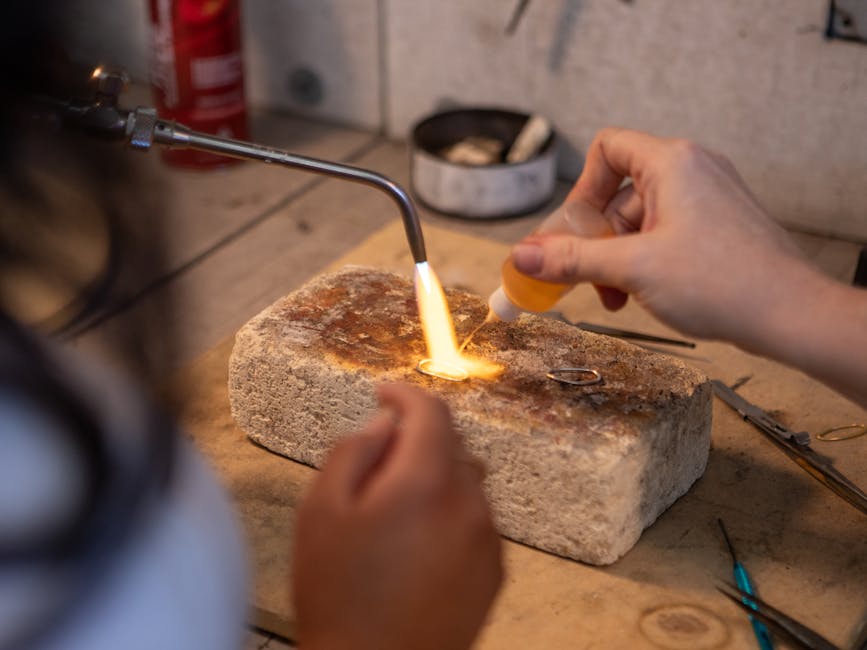
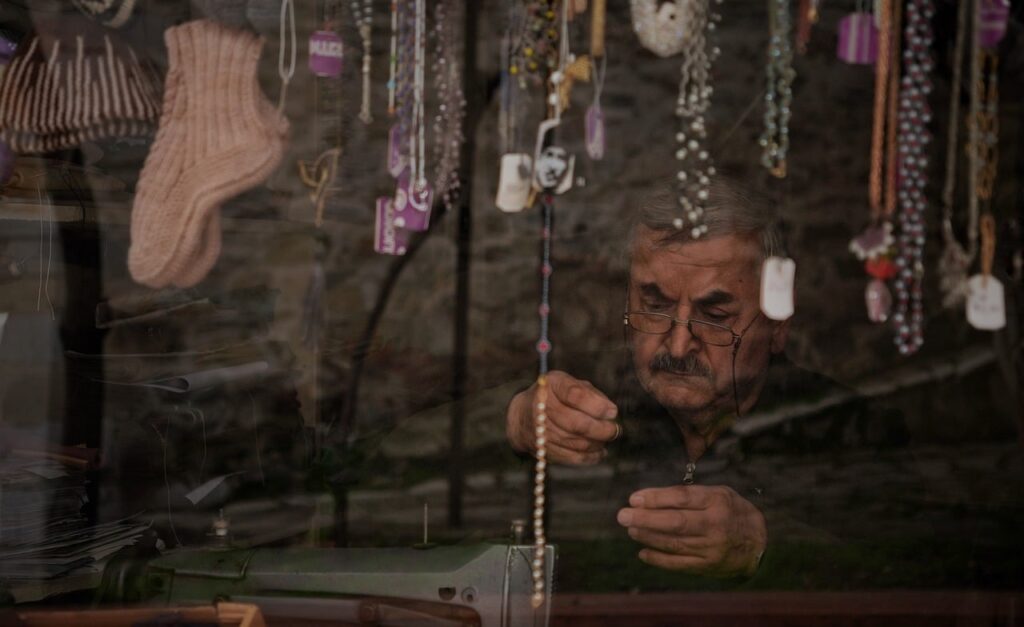
Practical route: to make the most of a day, start on Via Margutta, walk down toward Piazza di Spagna, cut through Monti and finish near the Colosseum. Allow 45–60 minutes per workshop if you plan to discuss a commission. Be mindful of midday closures between 13:00 and 15:30: some small workshops close for siesta, especially in summer. For custom 18K gold orders, expect 3–6 weeks depending on complexity and stone availability; for silver and simple pieces, 7–14 days is common.
Rural Lazio Workshops: Frascati, Tivoli, Bracciano and Countryside Traditions
Lazio isn’t just Rome: the small towns around it host goldsmiths and workshops often operating for generations. These rural ateliers tend toward sober, nature-inspired jewelry and traditional countryside techniques, delivering great value and a more discreet, personal interaction with makers.
- Laboratorio Orafo Frascati — Bottega dei Colli — Via Roma 12, 00044 Frascati RM. Hours: Tuesday–Saturday 09:30–13:30 and 15:30–19:00 (closed Sunday and Monday). Prices: silver crosses €45–120, silver rings €80–220, 14K gold wedding bands €560–1,200. Description: a traditional workshop in the heart of Frascati, a family-run shop specializing in religious jewelry, medals and wedding rings. They typically work to order within 2–3 weeks. Local tip: pair a visit with a tasting of Frascati Classico at a local winery—some ateliers offer a discount if you buy on site.
- Orafo Tivoli – Antica Fucina — Via del Colle 4, 00019 Tivoli RM. Hours: Wednesday–Sunday 10:00–18:00 (closed Monday and Tuesday). Prices: silver-plated bronze bracelets €60–140, antique-inspired rings €180–850. Description: close to the gardens of Villa d’Este, this workshop specializes in Renaissance/antique styles and often restores historical jewelry. Tip: combine the visit with Villa d’Este; the studio sometimes offers private guided tours (by reservation) showing goldsmithing techniques.
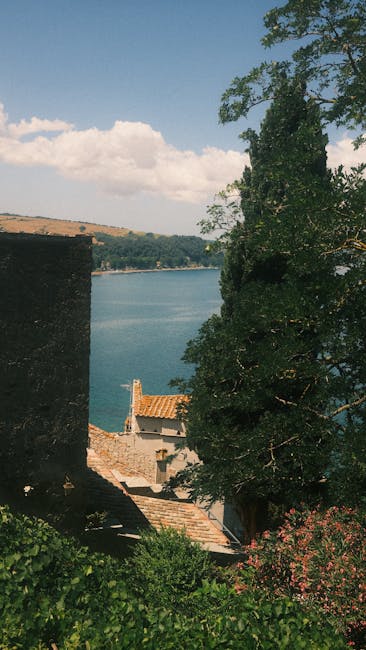
- Laboratorio di Bracciano — Lago di Bracciano Orafi — Corso Umberto I 28, 00062 Bracciano RM. Hours: Monday–Saturday 10:00–19:00 (closed Sunday). Prices: lake-inspired silver pendants €70–160, simple gold rings €700–1,300, restoration by quote. Description: designs here draw on the lake and local volcanic stone; they often use freshwater pearls and locally sourced semi-precious stones. Tip: take advantage of the nearby Odescalchi Castle—visit a workshop then have lunch by the lake; many artisans will ship orders abroad if you’re staying outside Italy.
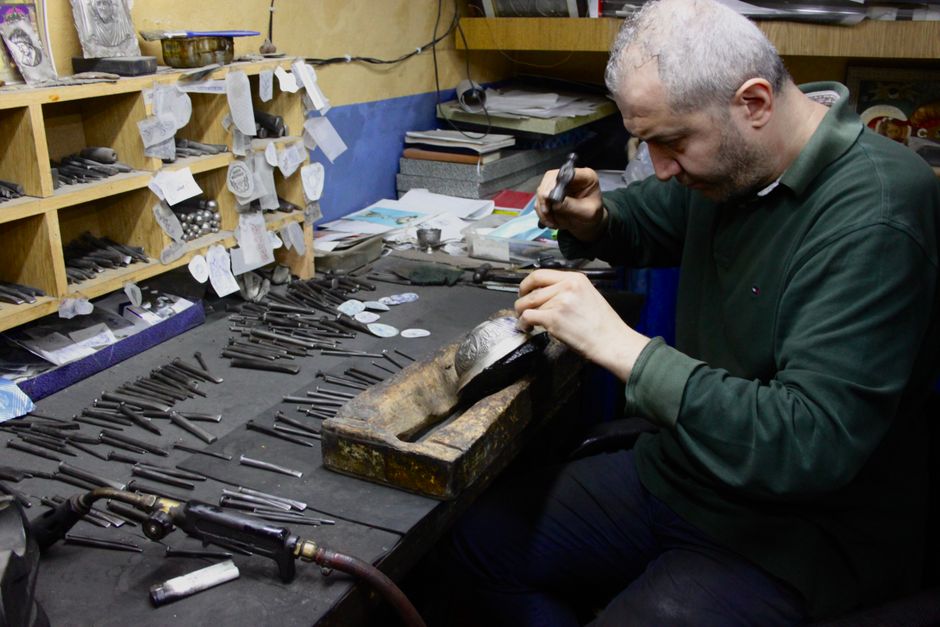
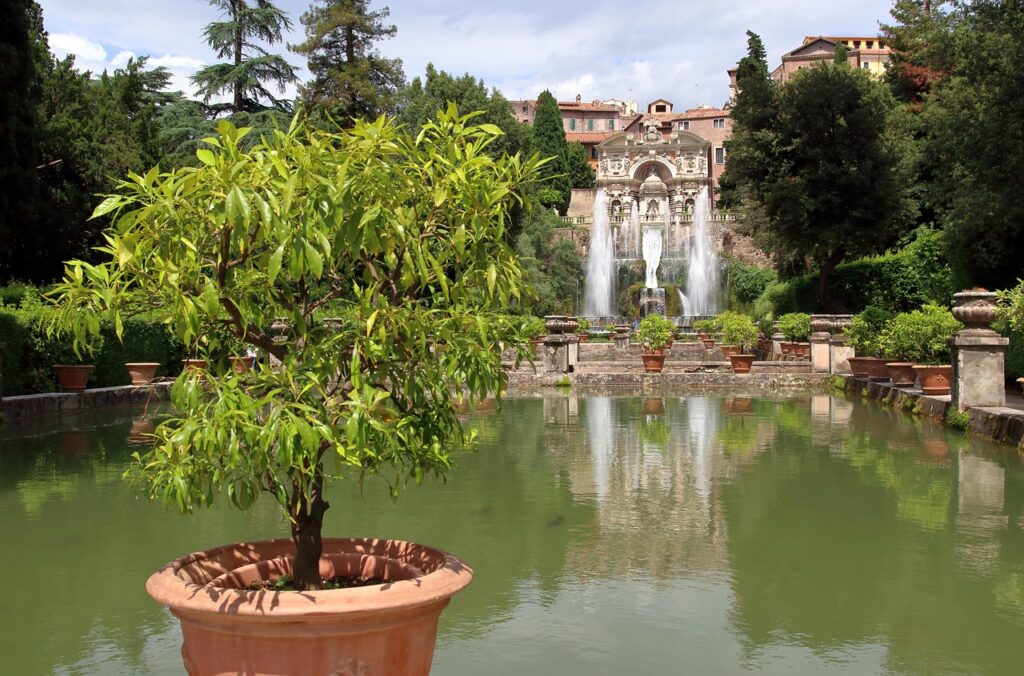
Another countryside tip: at local markets (weekly markets in Frascati and Tivoli), some goldsmiths sell discounted pieces or prototypes—perfect if you want a unique item without the wait. Always ask for a fiscal receipt (scontrino fiscale) and proof of metal (hallmark); rural workshops, while smaller, typically follow these practices and can issue a simple certificate on request (free or €10–30).
Techniques You’ll See in Workshops: Hammering to Granulation — Demos and Vocabulary
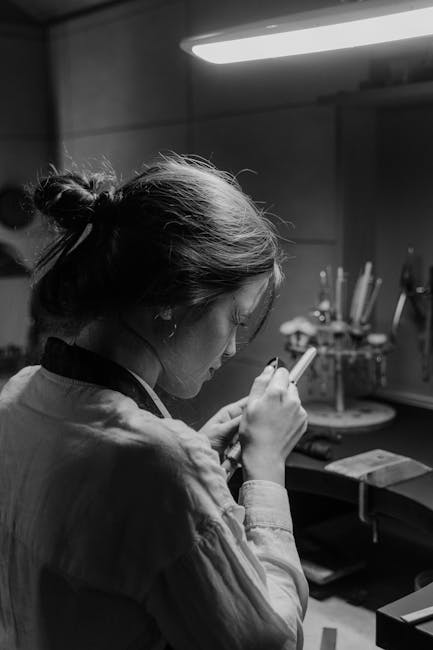
Visiting a workshop teaches you to read gestures and tools. Roman goldsmiths often mix ancient methods with modern innovations. Here are the techniques you’ll frequently observe, how to identify them, and what they mean for price and durability.
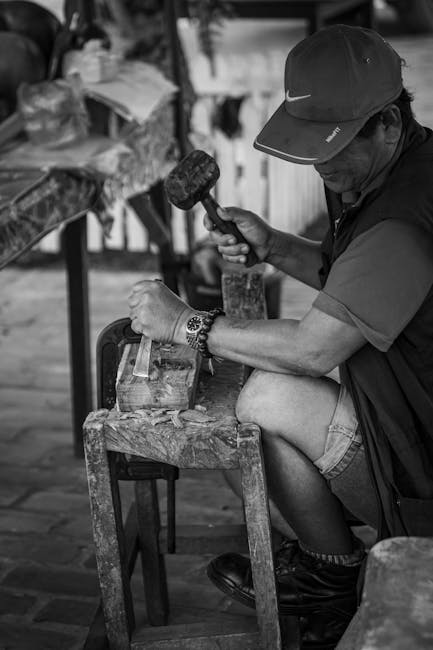
- Hammering — Recognizable when metal shows a textured, irregular surface. Materials: silver, gold (often 9K–18K). Price impact: low to moderate (€50–300 per piece), since labor time is the main cost. Workshop signs: a bench with anvil, hammers of various shapes. Tip: ask for a flexibility test (bend test) for hammered bracelets if you intend to wear them daily.
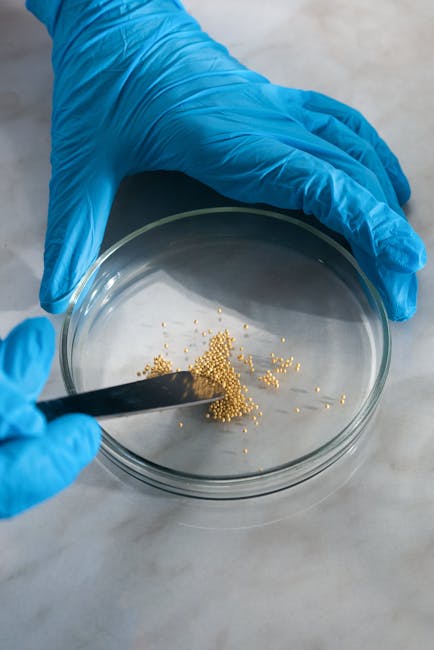
- Granulation and Filigree — Look for tiny metal granules soldered to form patterns, or braided wire motifs. Cost: higher (€200–1,500+) due to the meticulous work. Tools you’ll see: magnifying lenses, brazier, positioning syringes, steatite for heating. Tip: fine granulation needs careful handling—store separately to avoid snags.
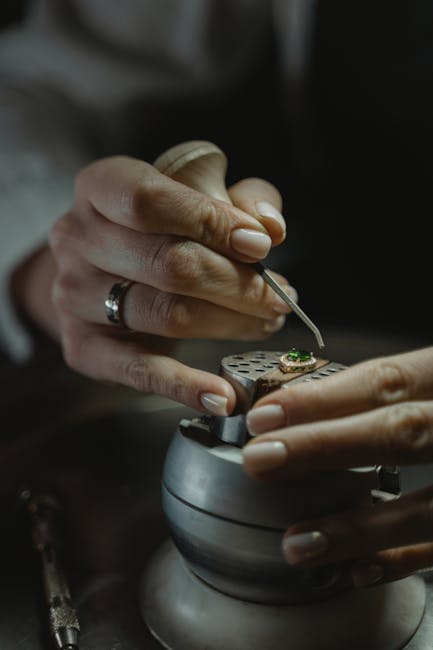
- Stone Setting — Types: bezel setting, prong setting, pavé. Price impact: gemstones raise the cost significantly (more than €500 for small diamonds). Look for: setting cups, gravers, magnifying glasses, micro-files. Tip: for gemstones, request a gemological certificate (at least for diamonds) and specify origin if you want ethically sourced stones (GIA or equivalent certificates for valuable gems).
- Enameling and Patina — Used to add color, often on Renaissance-inspired pieces. Price: €80–600 depending on area and complexity. Look for: small kilns, enamel powders, masks. Tip: enamel can crack on impact; it’s ideal for display or occasional wear rather than everyday use.

Before you buy: always ask for the alloy type (e.g. 18K gold = 750‰) and the hallmark (punzone), usually stamped inside a ring or discreetly on a piece. If an artisan offers to rework a family piece, request a written estimate showing gross metal weight, labor and melting fees (often an extra €30–100). Finally, if the studio runs hands-on classes, expect to pay from €60 (short 1–2 hour session) to €280 (half-day workshop with a take-home piece).
Contemporary Studios and Design Boutiques — Young Creators and Custom Orders
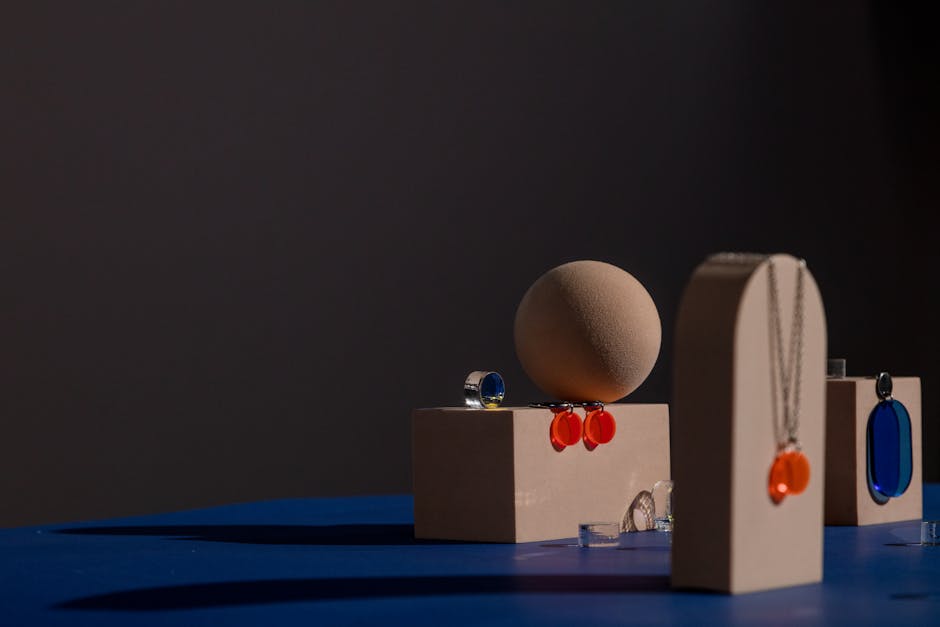
Lazio’s contemporary scene gathers young designers who fuse modern aesthetics with traditional skills. These ateliers are often in creative districts (Pigneto, Ostiense, Monti) and offer limited collections, local collaborations and customization options. They’re ideal if you want a daily-wear piece with a clear artistic signature.
- Studio Orafo Pigneto — Nuova Forma — Via del Pigneto 43, 00176 Roma RM. Hours: Wednesday–Sunday 12:00–20:00 (closed Monday and Tuesday). Prices: minimalist rings €120–420, geometric necklaces €160–480, custom orders require a €300 deposit + balance on delivery (typical lead time 3–5 weeks). Description: a bright studio-gallery with rotating shows by local artists and private appointments to discuss designs. Tip: Pigneto livens up at night—combine a studio visit with dinner in one of the neighborhood’s bistronomic restaurants.
- Gioielli Contemporanei Ostiense — AtelierLAB — Via Ostiense 92, 00154 Roma RM. Hours: Tuesday–Saturday 11:00–19:00. Prices: unique pieces €180–1,200, artistic collaborations €400–2,500. Description: a young collective sharing studio and shop space, focused on eco-design (recycled metals, ethical stones). They provide material origin certificates on request. Tip: ask for metal and stone traceability; many offer student or cultural association discounts.
- Atelier Roma Jewelry — Via del Governo Vecchio — Via del Governo Vecchio 58, 00186 Roma RM. Hours: Monday–Saturday 10:30–19:30. Prices: contemporary collections €130–900, interior engraving service €15–40. Description: located on a historic street, the atelier is noted for personalized engravings (dates, GPS coordinates). Tip: if you want an inscription in Italian, ask staff for translation and spelling help—they’ll advise on the best placement.

Booking and timing: most studios ask for a 30–50% deposit on custom work. Request a written schedule and a digital mock-up or sketch before production. For complex pieces (stone inlays) allow 6–8 weeks; for minor alterations expect 1–2 weeks. Many designers accept card payments, bank transfers and sometimes PayPal; always keep the invoice (fattura) if exporting outside the EU—it’s useful for VAT refunds or insurance during shipping.
Practical Advice for Buying with Confidence — Warranties, Certificates and Haggling
Purchasing jewelry in Lazio can be a memorable experience, but a few precautions help. Here are practical recommendations to verify authenticity, negotiate and organize shipment of your purchases.
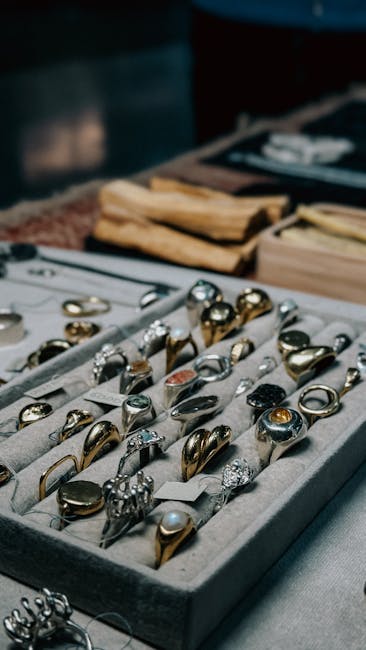
- Check the hallmark (punzone) — Any gold piece (and often silver) should have a stamp indicating purity (e.g. 375 for 9K, 585 for 14K, 750 for 18K, 925 for silver). Ask the seller to show the hallmark and, for expensive items, request a laboratory certificate.
- Request certificates — For diamonds and precious stones, insist on a certificate (GIA, IGI or a local document); for semi-precious stones, a simple certificate can be provided. Certificate costs: usually included for diamonds >0.3 ct; otherwise €30–150 depending on the test.
- Warranty and after-sales services — Reputable workshops offer free or discounted cleaning (free for purchases >€200), paid polishing €10–30, resizing €20–70 depending on metal. Ask about the warranty period (often one year for manufacturing defects).
- Haggling — In small workshops, a 5–10% discount may be possible for cash payment (contante) or multiple purchases. Avoid aggressive bargaining in historic shops (prices are usually fixed).
- Shipping and VAT — If you’re non-EU, you can request a tax-free form (VAT refund) at purchase—keep the fattura and customs stamps. For insured shipping, request special packaging (inner box, certificate, proof of insurance); shipping costs range €25–80 depending on value and destination.
Final local tips: visit outside high season (November–March) for calmer, more in-depth conversations with goldsmiths; be aware of siesta hours in summer; always get a written estimate for commissions. Learning a few Italian words (oro = gold, argento = silver, incastonare = to set a stone, rifinitura = finishing) will help conversations and win artisans’ goodwill.
Conclusion — Taking Home a Piece of Lazio: Beyond the Jewelry
Buying handmade jewelry in Lazio means taking home more than an object: you’re bringing back a fragment of a millennia-old tradition, a craft shaped by hand and history. From historic Roman workshops to family-run studios in the surrounding hills, the region’s goldsmiths offer pieces that tell the story of where they were made. Which workshop you choose will depend on your priorities: authenticity and restoration from traditional artisans, modern design from young creators, or competitive prices and convenience in provincial towns.
This guide has given you a practical map to plan visits—addresses, opening hours and price ranges—and concrete notes on techniques and guarantees to request. Remember that human connection is central: take the time to chat, ask to see the goldsmith’s bench, understand the production stages and make sure the requested work matches your expectations. Lazio’s goldsmiths, often proud of their trade, are usually happy to explain techniques and share stories and conservation tips.
Finally, treat your piece as a living souvenir: wear it, care for it, pass on its story. By following practical advice (check the hallmark, request certificates, get written estimates), you’ll reduce risks and increase the pleasure of owning a piece that will stay with you for years. For future trips, keep these addresses and contacts: many workshops accept remote orders and safely ship pieces abroad. Lazio is waiting—its goldsmiths are ready to craft the next little masterpiece right before your eyes.