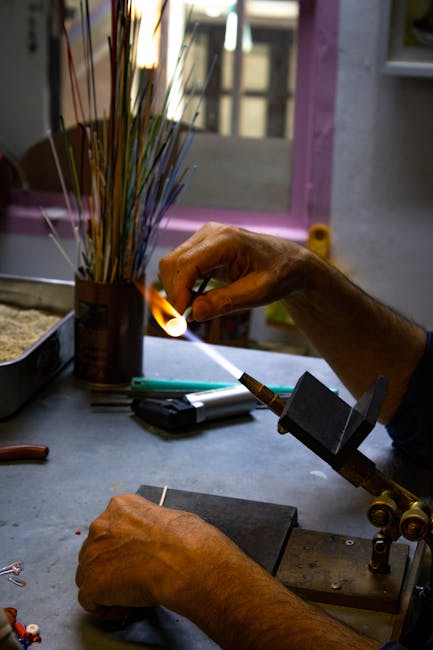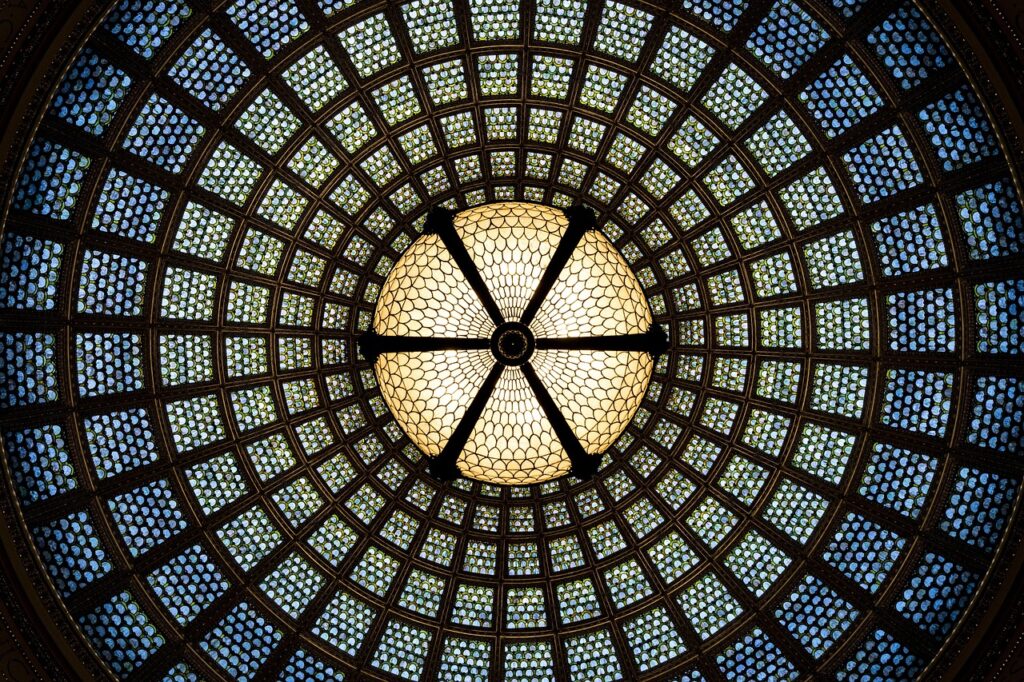






Introduction: Latium Glassmakers — breath and color between tradition and renewal
Latium, the historic cradle of Rome, also shelters a lesser-known but deeply rooted glassmaking tradition. From city workshops and small provincial studios to museums where ancient glass meets contemporary design, the region’s glass scene tells a story of age-old techniques, stylistic innovations and skills passed down from master to apprentice. This practical guide invites you to dive in — full addresses, opening hours, prices and visiting tips — so you can discover the Latium glassmakers: breath and color.
Here you’ll find workshops in the heart of Rome, studios tucked into the hills of the Castelli Romani, and heritage sites where ancient glass is preserved and studied. Each section takes a different approach: learn about Roman glass in the museums, take a hands-on glassblowing introduction, buy unique pieces from contemporary artisans, and plan an itinerary that mixes culture with local food and wine. This guide is aimed at curious travelers who want to go beyond the usual sights to meet artisans, feel the heat of the furnace, recognise the subtle hues of blown glass and bring home authentic pieces.
Practical details are provided to make your visit easier: exact addresses (street, number, city), workshop and museum opening hours, prices in euros for guided tours and introductory classes, and immersive descriptions of the spaces — the orange glow of the furnace, the clack of the blowpipe, the delicate work of polishing. Local tips round out each page: how to reserve, the best time of day to watch a glassblower, where to park and what precautions to take (appropriate clothing, no bags near hot areas).
Finally, the guide includes buying advice: how to recognise a signed artisan piece, how to negotiate respectfully and how to avoid industrial imitations. You’ll also find suggestions for extending your stay in Latium: cafés, restaurants and other craft studios near the workshops. Prepare for a sensory journey where glass becomes a living material, capturing light and the Latium landscape. The sections below detail nine representative places and experiences — workshops, museums and shops — to help you build your own glass trail through the region.
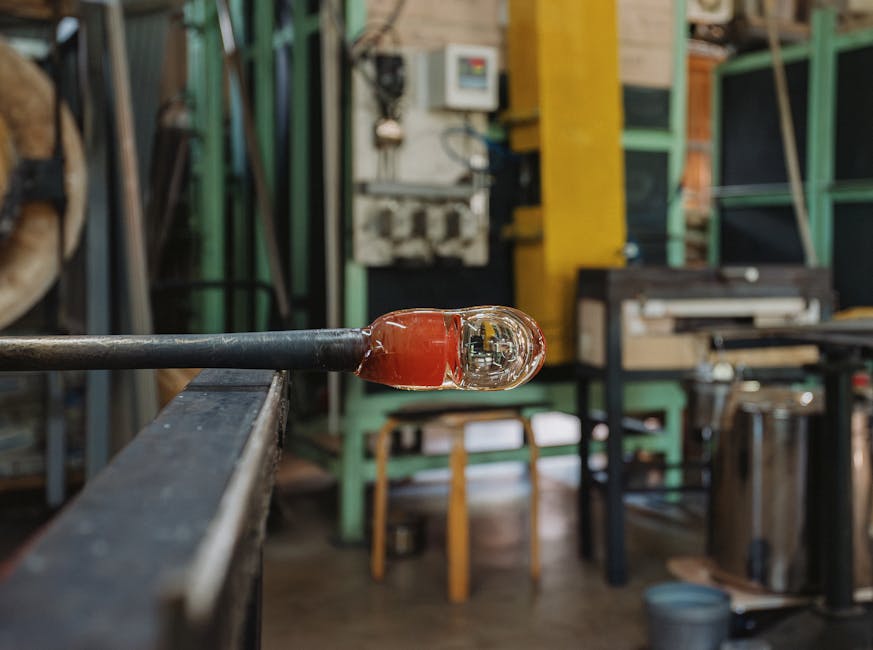
Workshop 1 — Vetreria Artistica Romana (Rome): the craft at the capital’s heart
Vetreria Artistica Romana is a historic workshop in an artisan zone southeast of Rome. Full name: Vetreria Artistica Romana s.r.l., Via delle Energie 12, 00133 Roma RM. The studio offers guided visits and introductory glassblowing sessions.
- Address: Via delle Energie 12, 00133 Roma RM
- Visiting hours: Tuesday–Saturday, 10:00–13:00 and 15:00–18:00
- Prices: guided tour €12 per person; intro workshop (1 hour) €55 per person; full workshop (3 hours, make-a-piece) €150 per person
- Booking: recommended via email [email protected] or phone +39 06 555 1234
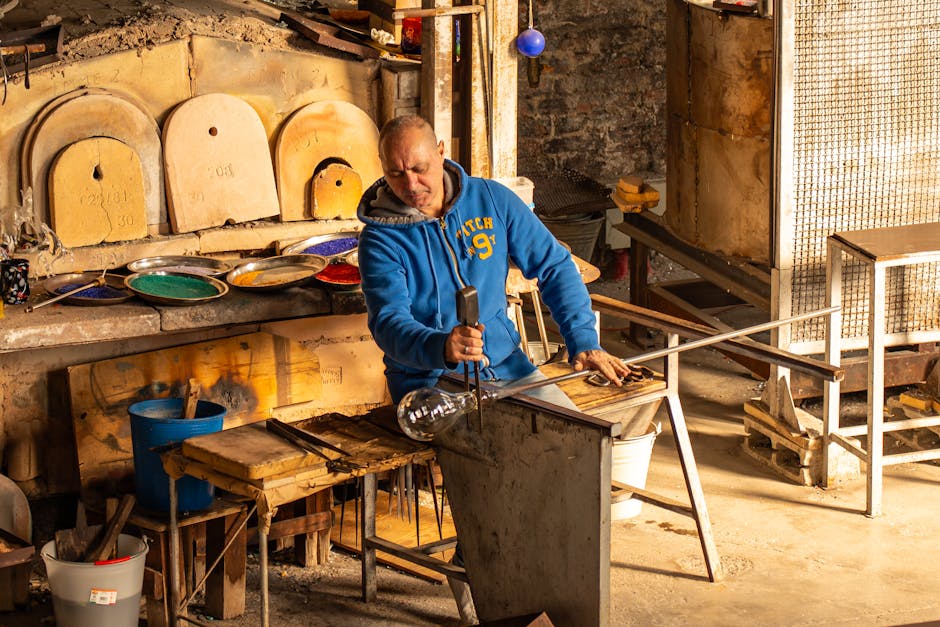
On-site you’ll feel the selective heat of the furnaces and watch master glassblowers use mixed techniques: blown glass, filigree, clotting and free-mold shaping. The studio also has a small shop selling signed vases, jewellery and lighting. Local tip: arrive 15 minutes before your session for a short safety briefing (closed-toe shoes required). Free parking 100 m away.
Workshop 2 — Studio Vetro dei Castelli (Frascati): glass and terroir
Perched on the Colli Albani, Studio Vetro dei Castelli blends glass craftsmanship with vineyard views. Full name: Studio Vetro dei Castelli, Via Roma 45, 00044 Frascati RM. The studio runs late-afternoon sessions so you can enjoy a sunset over the countryside.
- Address: Via Roma 45, 00044 Frascati RM
- Hours: Wednesday–Sunday 11:00–13:00 and 16:00–20:00; closed Monday–Tuesday
- Prices: free demonstration; intro workshop €65 (2 hours); guided visit with local wine tasting €25 (1.5 hours)
- Contact: +39 06 943 5678, [email protected]
The visit includes a stroll through the workshop-shop followed by a master demonstration. The rural setting means the evening light makes the glass appear almost liquid, intensifying the colors. Practical tip: pair the visit with a tasting at a nearby cantina (Cantina Sociale di Frascati, Via Tuscolana 210, 00044 Frascati — open 09:00–19:00, tastings €10–20). Plan transport — public transit is limited in the evenings.
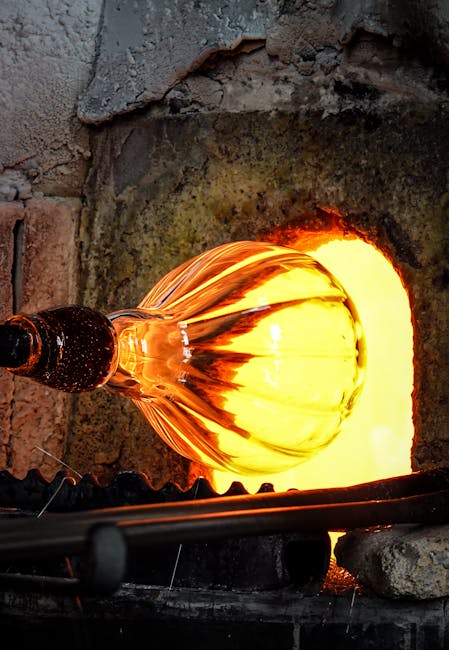
Workshop 3 — Laboratorio Vetrario Nepi (Nepi, Viterbo): provincial glassblowing
Laboratorio Vetrario Nepi focuses on traditional techniques and teaching. Full name: Laboratorio Vetrario Nepi, Via Antonio Gramsci 2, 01036 Nepi VT. The studio is known for limited-edition borosilicate series and intensive courses.
- Address: Via Antonio Gramsci 2, 01036 Nepi VT
- Hours: Tuesday–Saturday 09:00–12:30 and 14:30–18:00; Sunday by appointment
- Prices: discovery workshop €40 (1.5 hours); weekend course (2 days) €260; shop pieces €20–450 depending on size
- Booking: [email protected] or +39 0761 800 900
The lab favours small groups to ensure an immersive experience. Visitors can observe the full cycle: glass preparation, blowing, annealing and polishing. Local tip: bring a camera with a zoom — fine details like filigree are best seen up close — but always follow safety rules and don’t touch hot pieces.
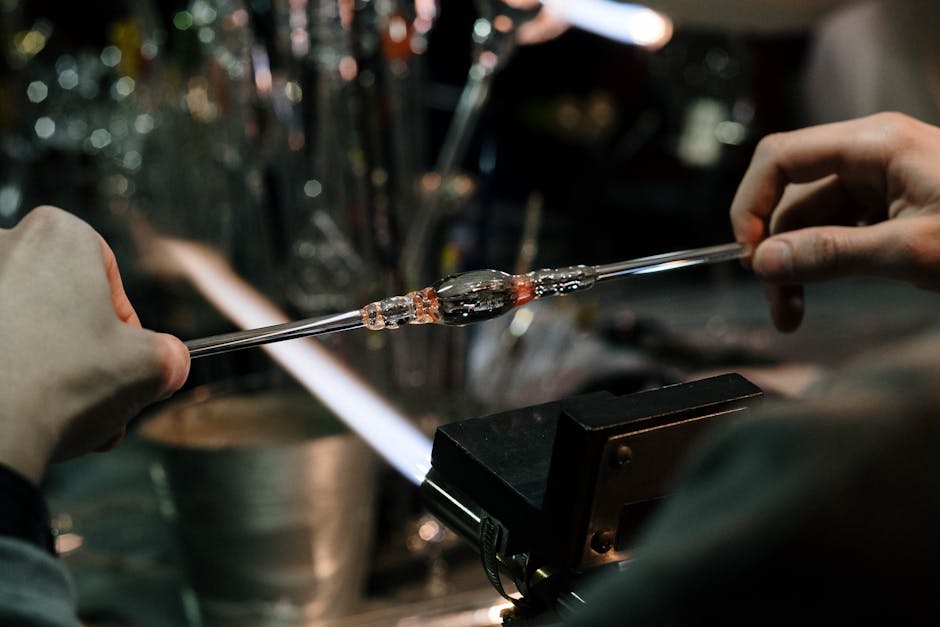
Workshop 4 — Museum and Laboratory of Ancient Glass (Museo del Vetro, Rome, Palatine collections)
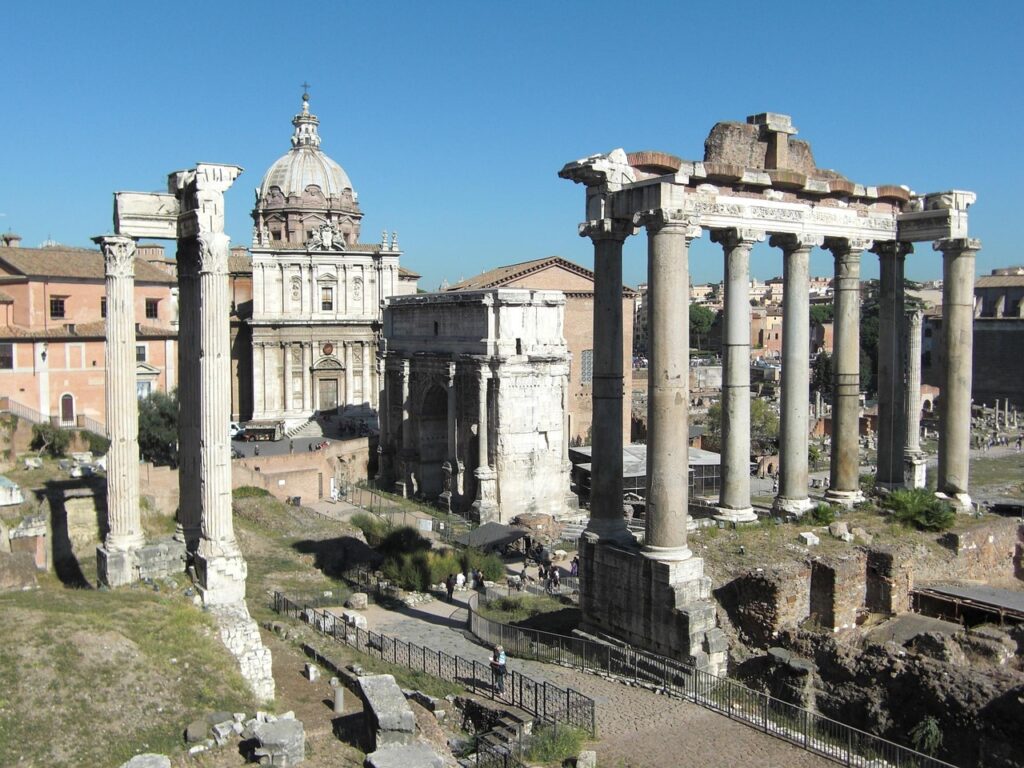
The ancient glass heritage of Latium can be explored in several museums. A key spot: the Museo Nazionale Romano — Palazzo Massimo alle Terme houses a rich collection of Roman glass. Address: Museo Nazionale Romano – Palazzo Massimo alle Terme, Largo di Villa Peretti 1, 00185 Roma RM.
- Address: Largo di Villa Peretti 1, 00185 Roma RM
- Hours: Tuesday–Sunday 09:00–19:45; closed Monday
- Prices: museum ticket €8 (full price); audio guide €5
- Contact: +39 06 3996 7750, www.museonazionaleromano.beniculturali.it
Display cases hold bottles, cups and funerary glass objects, often delicately coloured by period techniques. The visit is a time-travel experience: you’ll see how Rome spread blown-glass technology across the Empire. Tip: book online to skip queues, and opt for a specialised guided tour focused on glass to learn more about ancient manufacturing methods.
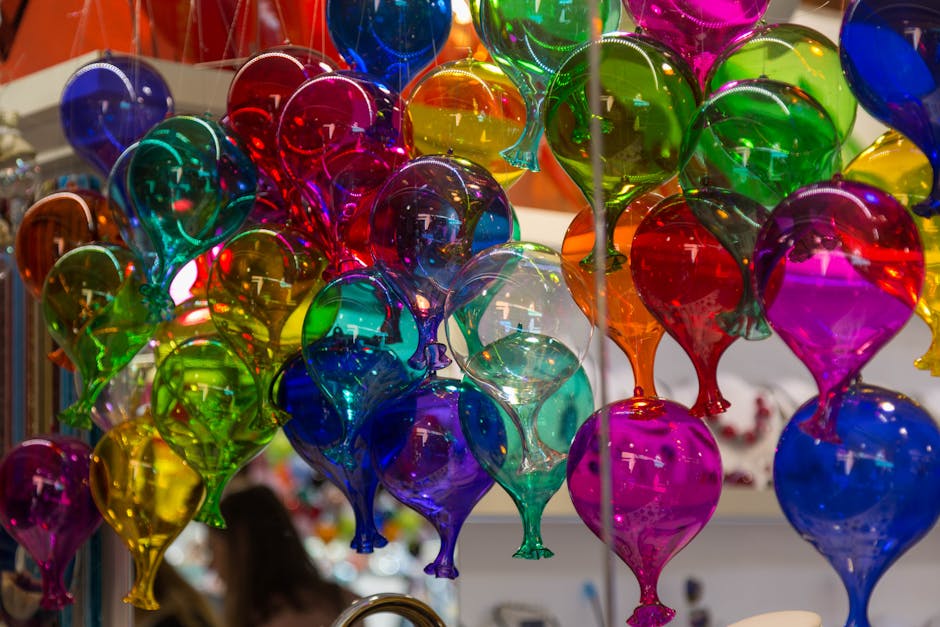
Workshop 5 — Shops and shopping: where to find authentic pieces
To bring home glass from Latium, several craft shops and galleries sell signed creations. Among them are:
- Galleria Vetro Contemporaneo, Via del Corso 289, 00186 Roma RM — open 10:30–19:30, closed Sunday. Pieces €35–1,200.
- La Bottega del Vetro, Piazza Garibaldi 6, 00040 Castel Gandolfo RM — open 09:00–13:00 and 16:00–19:00. Pieces €20–350.
- Atelier Shop Studio Vetro dei Castelli (in Frascati) — see the previous section for hours and prices.
Buying tips: ask for a signature or certificate of authenticity, consider the weight and thickness when packing, and prefer professional wrapping provided by the shop for air travel. Don’t hesitate to ask about care: some decorative glass isn’t dishwasher-safe and requires gentle hand washing.
Conclusion: planning your Latium glass trail
Latium offers a full palette for glass lovers: museums rich in ancient finds, contemporary workshops open to visitors, and shops selling true artisan pieces. To make the most of it, plan a coherent route: start with a museum visit in Rome (Palazzo Massimo), book an intro workshop in the city centre (Vetreria Artistica Romana) and continue to the hills of the Castelli Romani for a more bucolic experience (Studio Vetro dei Castelli). Finish your trip in the provinces, in Nepi or Viterbo, to appreciate the pedagogical approach of local laboratories.
Book ahead for the most sought-after workshops, especially in high season (May–September). Always double-check hours on official sites before you go; some studios close for furnace maintenance or local holidays. If you’re driving, favour morning slots to avoid the afternoon heat near furnaces, and wear closed shoes and natural-fibre clothing for comfort. If you travel by train, Rome is well connected, but to reach Frascati, Nepi or Castel Gandolfo you may need to check local transfers or rent a car.
Above all, give yourself time to talk with the artisans: their stories about techniques, the sources of pigments and the landscape inspirations are an integral part of the experience. Glass is a living material that captures the light and memory of a place: in Latium every piece tells a story, from the Roman Empire to contemporary creativity. Whether you’re a collector, photographer, art student or simply curious, the Latium glass trail will offer luminous moments that are both beautiful and enlightening.