





INTRODUCTION
Latium is a land of contrasts where ancient history coexists with contemporary creativity. In Rome, cobbled streets and baroque squares aren’t just backdrops for thousands of tourists — they’re also the working spaces of a living craftsmanship scene where pen and brush still help shape the city’s cultural identity. “Latium Workshop Secrets: Pen & Brush Experiences in Rome” invites you to step away from the monuments and into those often-hidden studios — small shops, intimate courtyards, family-run studios — where techniques are passed down through generations or reinvented by modern artists.
On this journey you’ll meet calligraphers who orchestrate ink on vellum, illuminators who rework medieval motifs, restorers who bring fragile frescoes back to life, and contemporary painters who use ancient pigments to produce new works. Beyond names and addresses, the experience is about smelling linseed oil and floorboards, watching the precision of a practiced hand, and listening to tips on color mixing and surface preparation. These workshops are miniature social ecosystems combining family histories, technical gestures, and aesthetic decisions — revealing a Rome that is not only touristic but artisanal, intimate, and educational.
We’ll give you practical details: exact addresses, opening hours, workshop and visit prices, plus local tips to make the most of your visit (bookings, transport, best time slots). Each studio listed is described in detail so you know what to expect: the atmosphere, available materials, typical participants (beginners, advanced students, kids), and whether you can buy supplies or take home a piece you’ve made. You’ll also find suggestions to extend your discovery: museums, specialist bookshops, pigment markets, and cozy cafés to recharge after a morning spent with a pen or a brush.
This guide is aimed at curious travelers, art lovers, art history students, and anyone wanting to turn a stay in Rome into a creative experience. Whether you want to take a calligraphy class at the foot of the Basilica of San Giovanni in Laterano, watch a master bookbinder near the Pantheon, or learn how to prepare gesso in a Via Margutta studio, you’ll find solid leads and practical benchmarks here. Embark on a sensory exploration where every workshop opens a door onto Latium’s artisanal soul.
Via Margutta: Historic Studios and Art Galleries
Via Margutta, in the Campo Marzio neighborhood, has long been synonymous with artists’ studios and elegant small galleries. Close to Piazza di Spagna and Villa Borghese, the street has a legendary reputation: it’s where tradition meets experimentation, often in family-run studios. One must-visit is Atelier d’Arte Margutta at 110 Via Margutta, 00187 Roma — a small painting and restoration studio open to visitors by appointment (open: Tuesday–Saturday 10:00–18:00, closed Sunday and Monday). Guided visits typically cost €12 per person, while hands-on half-day workshops range between €45 and €80 depending on level and materials provided.
A few steps away, Galleria d’Arte Contemporanea di Via Margutta (Via Margutta 43, 00187 Roma) hosts temporary exhibitions and evening events during the artistic “Notte Bianca.” Usual hours: Wednesday–Sunday 11:00–19:30, entry €6 or free during openings. The atmosphere here is ideal for meeting active artists; you’ll often spot works in progress and can discuss techniques, pigments, and inspirations. If you’re after oil painting classes, Studio Carlo Bianchi (Via Margutta 78) runs weekly 3-hour lessons at €70 per session and intensive three-day workshops on traditional media for €220.
Practical tips: Via Margutta is walkable from Piazza di Spagna (around 7–10 minutes). Aim to arrive early (10:00–11:30) to avoid crowds and enjoy the soft light that helps you observe the studios. Many artists welcome drop-in visitors, but for practical workshops it’s strongly advised to book at least a week in advance, especially in high season (April–October). Workshops usually cap participants at 6–8 to preserve teaching quality; wear comfortable shoes and clothes you don’t mind staining if you’ll be working with oils or pigments.
Trastevere: Calligraphy, Illuminators and Paper Workshops
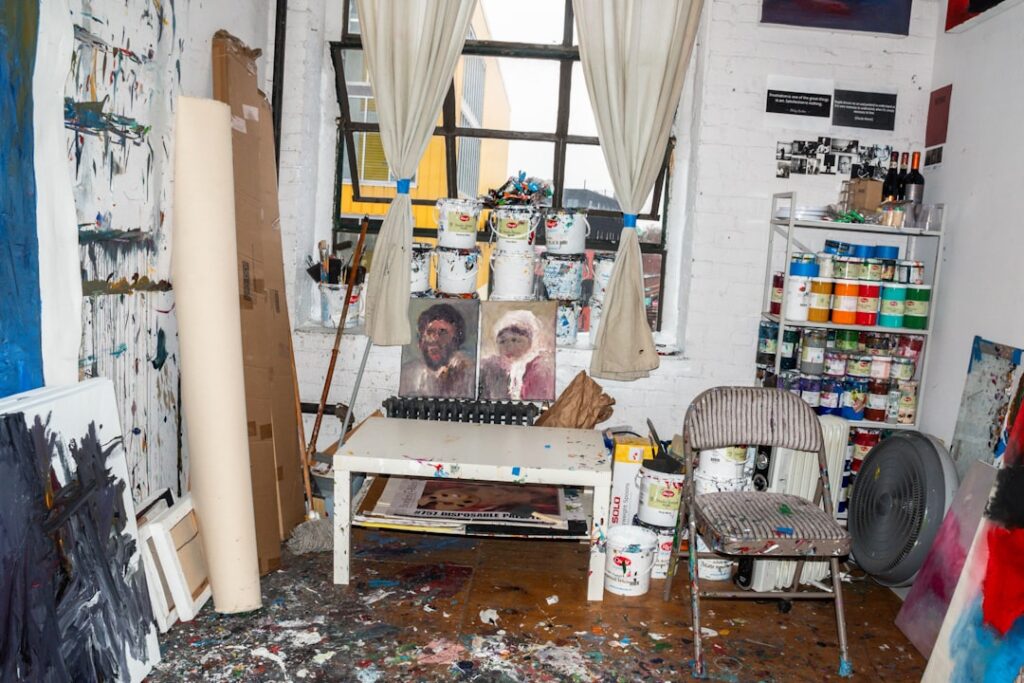
Trastevere, with its narrow lanes and ivy-covered facades, is a neighborhood that thrives on small artisan shops. Several studios here focus on the book arts: calligraphy, illumination, and bookbinding. Atelier Calligrafico Roma — La Penna e il Vellum is located at 23 Via della Luce, 00153 Roma. The studio offers Latin and cursive calligraphy classes, with introductory sessions (2 hours) priced at €35 and full-day workshops (5 hours) at €90. Opening hours: Monday–Saturday 09:30–13:30 and 15:00–19:30, closed Sunday. Classes are limited to 10 participants; basic materials (nib, inks, special papers) are often included, and extra supplies are available to buy on site.
The art of illumination, the millennia-old decoration of manuscripts, is enjoying renewed interest. Maestro Illuminator Giovanni Pellegri works at 7 Via San Francesco a Ripa, 00153 Roma. He offers discovery workshops (3 hours) at €55 to learn how to prepare gold leaf, apply bole, and use natural pigments, as well as advanced weekend courses at €180. Hours are typically Tuesday–Saturday 10:00–17:00, with evening workshop appointments available on request. His studio is small and bright, with a corner dedicated to watching shell gold gilding and traditional lacquer techniques.
For paper lovers, the Cartiera Artigiana del Trastevere (Via dei Genovesi 44, 00153 Roma) is an artisanal paper mill offering demonstrations of handmade paper and workshops to create your own bound notebook. On-site demonstrations are free; hands-on 2-hour workshops cost €30. Hours: Wednesday–Sunday 10:00–13:00 and 15:00–19:00. Important tip: if you want to take home handmade paper, bespoke sizes can require up to 48 hours to dry — plan a pickup slot accordingly.
Local tips for Trastevere: favor morning classes to take advantage of natural light, especially for illumination where hues and the gleam of gold are lighting-sensitive. The best times to visit studios are between 10:00 and 12:30, before the neighborhood grows more touristy in the afternoon and evening. Always confirm the language of the class (some sessions are Italian-only) and ask about photo policies: some masters prefer to limit photography to protect their techniques.
Around the Pantheon: Bookbinding, Gilding and Restoration
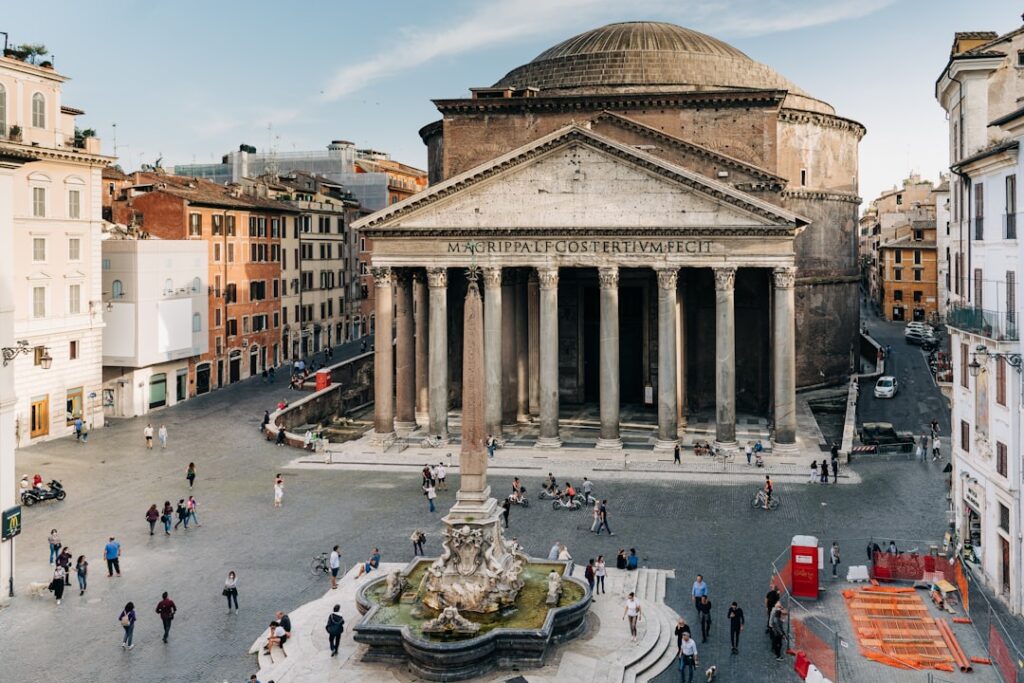
The area around the Pantheon is full of small craft shops linked to antiquarian books and bookbinding. Just steps from the famous square, Laboratorio di Legatoria Antica — Bottega della Legatura is at 12 Via dei Pastini, 00186 Roma. This restorer-bookbinder offers restoration services, gold tooling, and workshops on traditional bookbinding. Private lessons (3 hours) cost around €85, while group bookbinding courses (4 sessions of 2 hours) are offered for €180. Hours: Monday–Saturday 09:00–17:30, closed Sunday. Restoration work is priced by estimate; a simple binding for a paperback starts at about €40, while a full restoration can exceed €250 depending on condition and leather type.
Nearby, Officina Doratoria Roma (Via di S. Eligio 3, 00186 Roma) specializes in 23-carat gilding and edge decoration. They run short practical classes (2 hours) to learn leather gilding and leaf handling — sessions cost €60. Hours: Tuesday–Saturday 10:00–18:00. The workshop often displays restored objects and offers demonstrations during European Heritage Days. If you’re a serious visitor, request an in-depth visit (environment conservation talk): this usually costs an extra €20 and includes a tools demonstration.
For paper and fresco conservation, Studio di Restauro F.lli Moretti (Piazza della Rotonda 14, 00186 Roma) combines restoration workshops with small exhibitions of completed interventions. Open by appointment Monday–Friday 09:00–16:00. Initial consultations for an artwork or document cost about €40, followed by a detailed estimate. Important: always ask for a restoration certificate for restored pieces — it’s proof of traceability and expertise if you plan to sell or insure the object.
Practical advice: the area is busy, especially around the Pantheon. If you need to drop off an item for restoration or collect a bound notebook, avoid lunchtime (13:00–15:00) and aim for mornings. Many workshops still prefer cash, though more and more artisans accept cards; check in advance. Finally, if you plan to buy leather, canvas, or gold leaf, compare prices and request a receipt (scontrino) for export paperwork if needed.
Color Market: Pigments, Chalk Processing and Specialist Shops
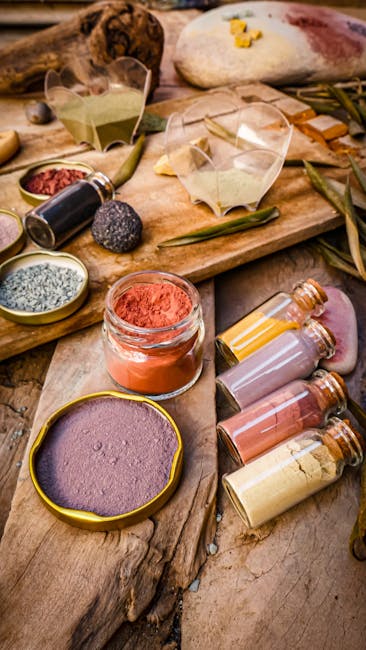
An artisan is nothing without materials. In Rome, several addresses sell pigments, binders, canvases and specialized tools. The famous Colorificio Romano — Emporio dei Pigmenti is at 56 Via dei Coronari, 00186 Roma. The shop stocks mineral pigments, ochres, earths and modern pigments, plus binders (oil, animal glues), fillers and additives. Hours: Monday–Saturday 09:00–13:00 and 15:00–19:00. Prices vary: a small jar of pigment (25 g) ranges from €6 to €15 depending on rarity; binders (250 ml) are around €12–€18. Sellers are often practitioners themselves and can give valuable advice on dosage and compatibility.
Another useful spot, Ferramenta Artistica San Lorenzo (Via dei Volsci 92, 00185 Roma) in the student quarter of San Lorenzo supplies canvases, frames, synthetic and natural brushes, plus watercolor and printmaking papers. Hours: Tuesday–Saturday 09:30–13:00 and 15:00–19:30. Price examples: a prepared canvas (50×70 cm) €35, a set of synthetic brushes (set of 6) €18, cotton paper 300 g/m² (A3 pad) €12–€20 depending on brand.
For restorers and conservators, Labor Supply for Conservation — Via Labicana 39, 00184 Roma is a technical supplier of resins, solvents and conservation-grade materials. Open Monday–Friday 09:00–18:00, closed weekends. Professional materials (epoxy resins, consolidants) can be expensive: a 500 ml bottle of consolidant resin can cost €40–€90 depending on specification and supplier, and is subject to strict shipping regulations for safety reasons.
Practical tips: bring samples or photos of your works if you need technical advice; vendors can recommend the most suitable materials. If you’re traveling only with cabin baggage, beware of liquids: binders and solvents must go in checked luggage. Also, some shops offer discounts for students or bulk purchases — always ask if a reduced rate is possible, especially for rare pigments or gold leaf.
Contemporary Studios and Artist Residencies: Meet the Creators
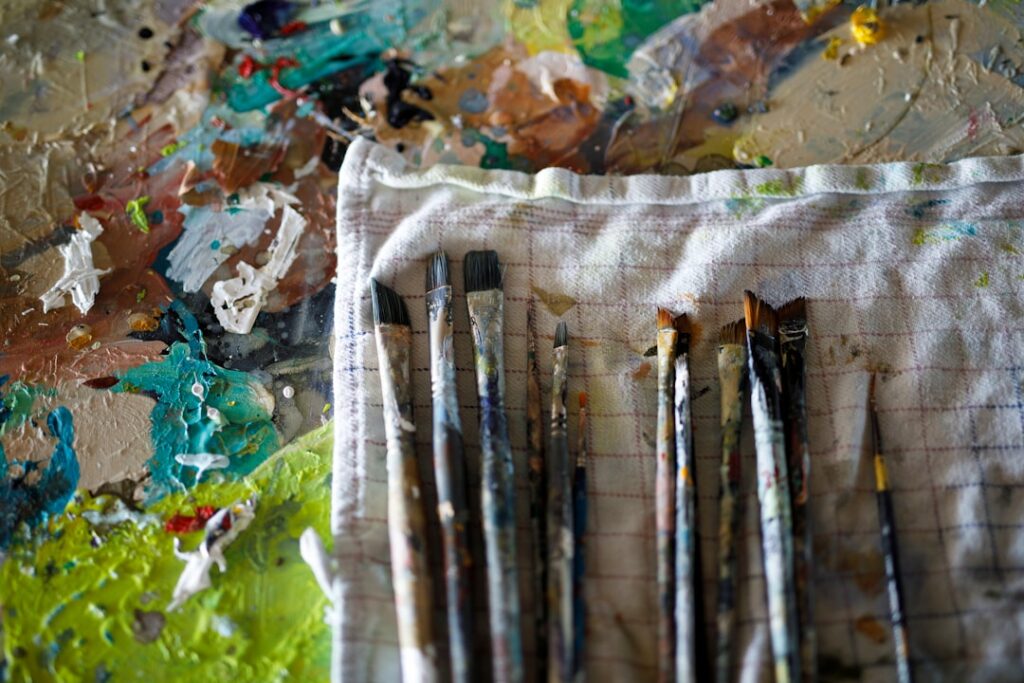
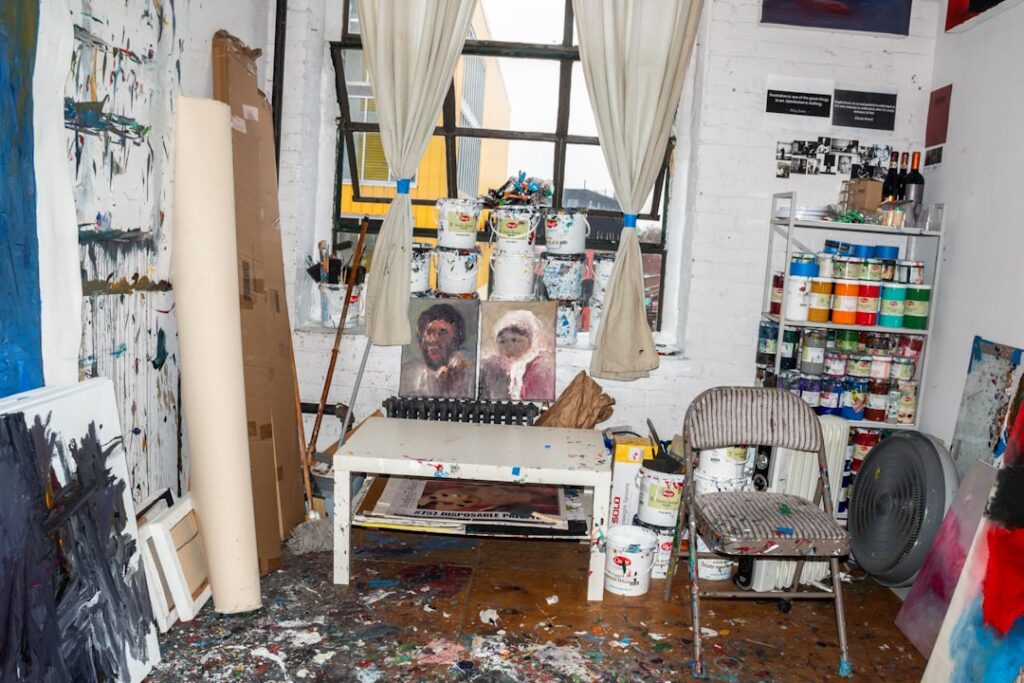
Beyond tradition, Rome also hosts a vibrant contemporary scene where artist residencies and collaborative studios bridge local and international practices. Casa degli Artisti — Residency Centro is located at 5 Via Margutta, 00187 Roma. The program offers 1–3 month residencies, open studios and final exhibitions. Fees for a short residency (1 month) typically range from €650–€900 depending on modalities (accommodation included or not). The space also runs public workshops (average price €25–€50) and talks on contemporary restoration, the use of ancient pigments, and mixed-media practices.
Another hub is Spazio Atelier Ponte — Creative Hub (Piazza Testaccio 12, 00153 Roma). This center combines printmaking, screenprinting and mural painting studios. They offer introductory screenprinting sessions (2 hours) at €30, and studio rentals by the hour or day for professional artists (from €8 per hour). Hours: Tuesday–Sunday 10:00–20:00. Residents frequently organize « open studio » nights where you can meet artists and buy works at studio prices.
For photographers and illustrators, Officina Immagine Roma (Via dei Pettinari 26, 00186 Roma) runs workshops on contemporary illustration and mixed techniques (acrylic, watercolor, digital). Half-day courses are around €40–€75, and intensive 5-day trainings can reach €300 depending on instructors. Hours: Monday–Saturday 09:00–18:00. The studios also offer coworking spaces for creatives, with access to large-format printers and light tables.
Practical tips: if you’re interested in a residency, apply months in advance (especially for spring and autumn sessions). Bring a digital portfolio and work samples if requested. For hub-based workshops, budget extra for additional materials — many places provide only basic equipment. And make a point of attending open studios: they’re often the most affordable way to see several artists at work and buy directly from them.
CONCLUSION
Stepping into Latium’s workshops is like being granted a piece of Roman intimacy where creation happens by hand and through repeated gestures. From Via Margutta to Trastevere’s alleys, via the Pantheon’s surroundings and contemporary hubs, each studio tells a story: a story of artisanal tradition, inherited gestures, and skills updated for today. The trip isn’t just passive observation; it encourages conversation, participation, and sometimes even the transformation of a visitor into a practitioner, if only for a few hours.
The practical information gathered in this article — precise addresses, opening times, and indicative prices — helps you plan your visits with confidence. Keep in mind the need for flexibility: small workshops in particular sometimes change hours due to exhibitions, commissions, or seasonality. It’s therefore crucial to book in advance when possible and confirm dates by phone or email. Bring clothes suited to manual work, have some cash for small transactions, and give yourself time to listen to the artists and artisans. A relaxed conversation can lead to a private lesson, an exclusive demo, or an impromptu guided visit.
Beyond the workshops, extend your experience with complementary visits: the Galleria Nazionale d’Arte Antica, the Museo Nazionale Romano, the Biblioteca Angelica for rare books, or the pigment and materials markets mentioned above. Each of these stops will deepen your understanding of the techniques and materials you’ll have seen in the studios. And above all, bring back an authentic souvenir: a hand-gilded leaf, a bound notebook, a small canvas painted on site — objects that will carry the tactile trace of your time in Latium’s workshops.
Finally, be ready to be surprised: Rome is a city of encounters. You may stumble down a side street and meet a young painter who shows you how to prepare gesso, or a bookbinder who offers conservation advice on leather. Those tips, gestures, and tricks are the real “secrets” of Latium’s workshops. They don’t always make it into official guides, but they’re worth every detour. Happy exploring, and may your visit to Rome inspire as much creativity as the works you’ll make or discover.