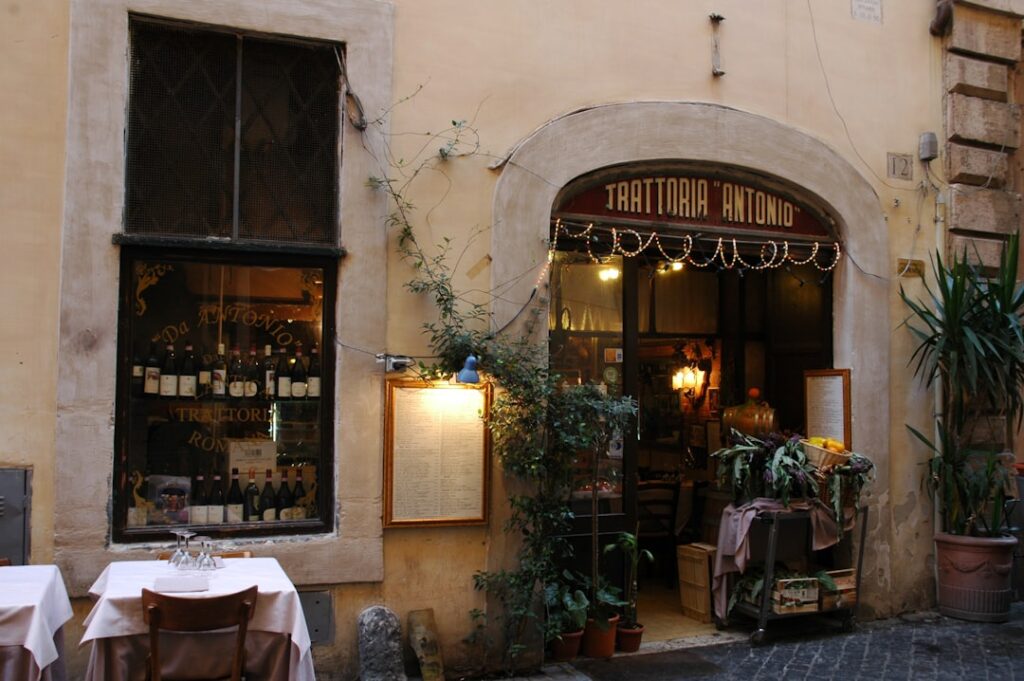






Introduction: From Market to Plate — Lazio trattorie that celebrate local produce
Lazio (Lazio in Italian) is a region where food tells a story: from the volcanic hills of the Castelli Romani to Rome’s bustling markets, along the fish-rich coasts and the fertile countryside of the Tuscia, every ingredient speaks of a season, a craft, and a close relationship between producers and cooks. In Lazio’s trattorie, that connection is tangible: menus shift with what’s on the market, cheeses come from nearby farms, wines are often from small local winemakers, and dishes are rooted in perfected peasant traditions. This guide takes you inside several emblematic and authentic trattorie in Lazio — places where the market sits at the heart of the kitchen.
Unlike fine-dining restaurants that chase innovation for its own sake, the Roman trattoria celebrates simplicity, seasonality, and ingredient honesty. Here, a plate of pappardelle only needs good flour, fresh eggs and a slow-simmered ragù to showcase the generosity of the land; a vegetable dish shouldn’t hide its flavor, it should elevate it. These places usually build direct relationships with market gardeners, shepherds, fishermen and cheesemakers to ensure freshness and traceability. The result: plates where you can recognize origin, and where the diner tastes the season and the landscape in every forkful.
This guide focuses on trattorie that put the market-to-table relationship into practice across Lazio: Rome’s historic neighborhoods, popular markets like Testaccio and Campo de’ Fiori, and the small country houses in the surrounding areas. For each spot you’ll find the full address, typical opening hours, a price range in euros, an immersive description of the place and dishes, plus local tips (booking, must-try dishes, best seasons). Hours and prices are indicative — many trattorie adapt their offering according to seasonality and market fluctuations — but they give a solid idea for planning a visit.
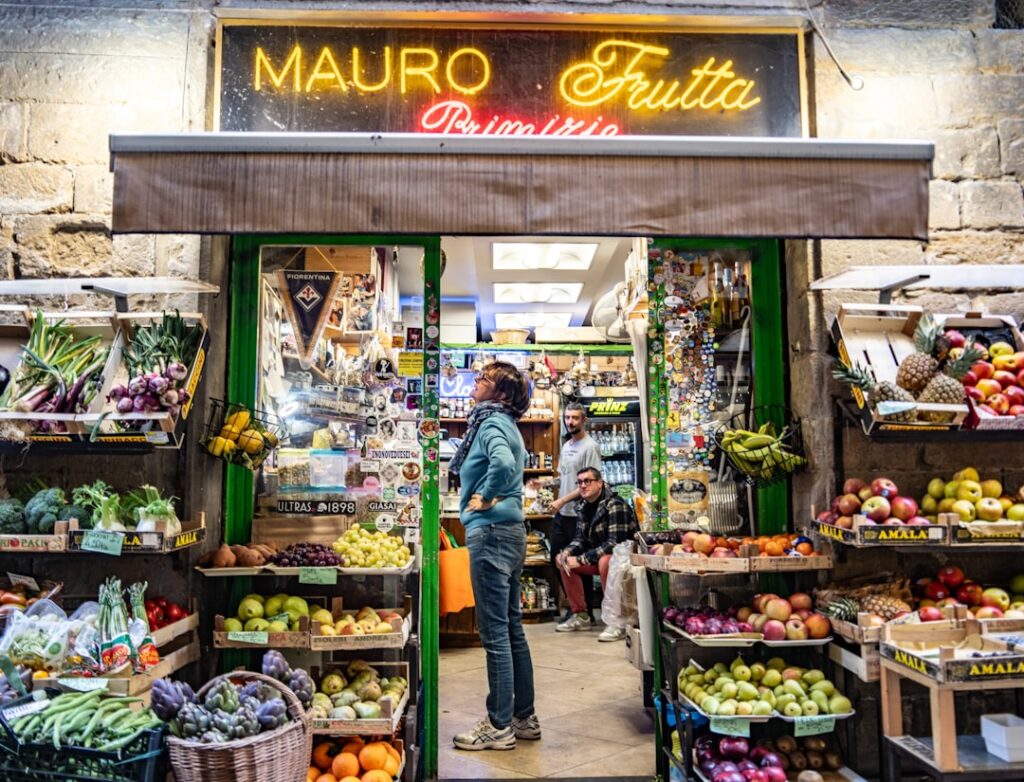
Whether you’re traveling by train or car, or planning a day trip from Rome to the Colli Albani, know that many of these places sit close to local markets (Mercato di Testaccio, Mercato di Campo de’ Fiori, Mercato di Campagna Amica): arriving early to watch the stalls set up and breathe in the market aromas will deepen your culinary experience. Finally, favor the “della casa” dishes that change daily — they’re often the truest expression of the market-to-table spirit.
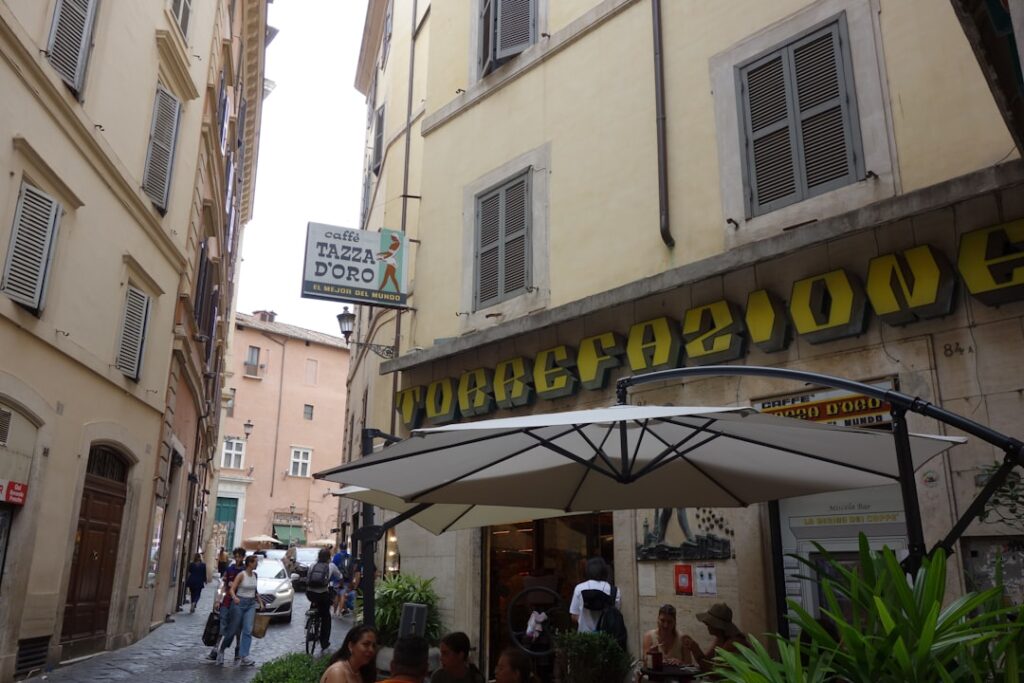
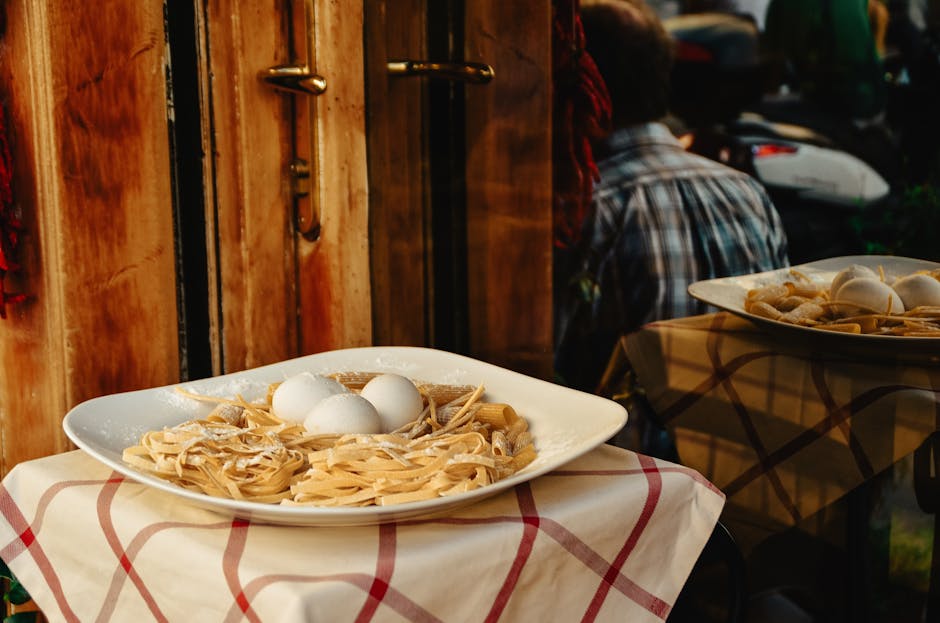
Trattoria Da Enzo al 29 — Trastevere: Roman tradition served from the market
Name: Trattoria Da Enzo al 29
Address: Via dei Vascellari, 29, 00153 Roma RM, Italy
Typical hours: Tuesday–Sunday, 12:30–14:30 (lunch), 19:00–22:30 (dinner). Closed Monday. Hours may change; booking strongly recommended.
Prices: Antipasti €8–12, primi €10–14, secondi €14–22, desserts €6–8. No tasting menu; à la carte only.
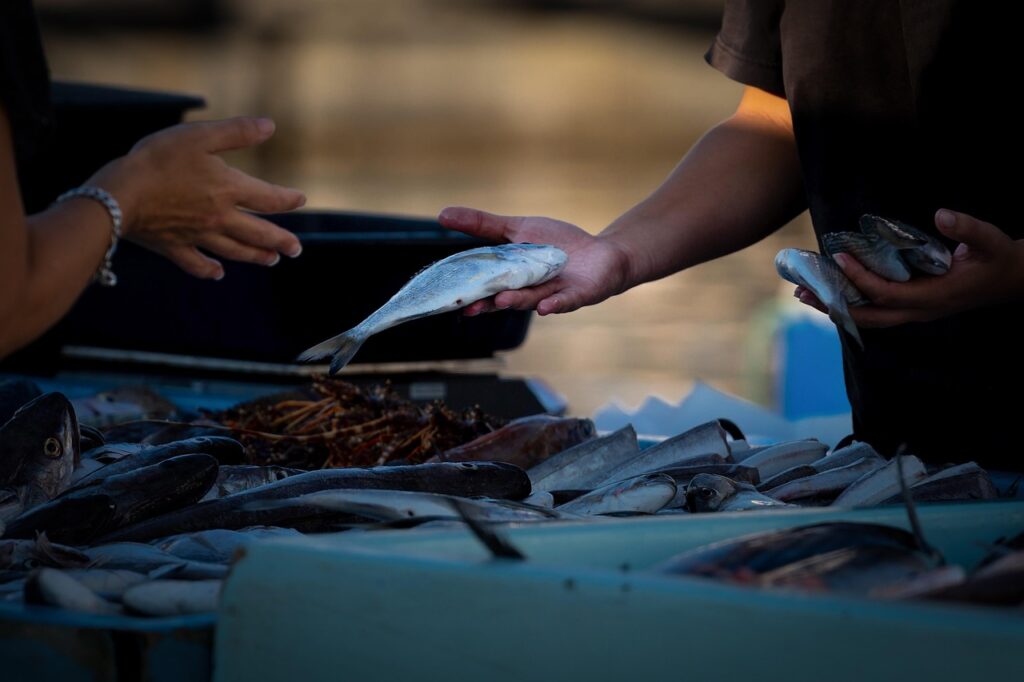
Set in the colorful heart of Trastevere, Da Enzo al 29 has become the archetype of the classic Roman trattoria. The space is small, tables close together, the atmosphere lively: you’ll hear orders shouted — “due carbonara!” — and servers moving with the practiced efficiency of a place that’s done this for years. The kitchen highlights produce sourced from nearby markets — seafood when the catch is generous, distinctive vegetables from peri-urban markets, and artisanal cold cuts from the Lazio countryside.
Must-tries: the carbonara (€12–14) made without cream — just guanciale, eggs and pecorino Romano — and the rigatoni all’amatriciana (€10–12) where tomato, guanciale and pecorino form a perfect alliance. Artichokes alla giudia or alla romana, depending on the season (€8–10), are prepared with local artichokes often arriving from Campo de’ Fiori and Testaccio that same morning. Fish dishes (subject to arrival) typically range around €20–28.
Local tips: arrive early or book at least a week ahead, especially in high season (May–September). The quietest times are between 13:30 and 19:00. Late winter and spring are best for artichokes; autumn is prime for mushroom and game dishes. Don’t hesitate to ask the server where the cheese or fish comes from: Da Enzo is happy to talk about its suppliers and will gladly tell you where things are sourced.
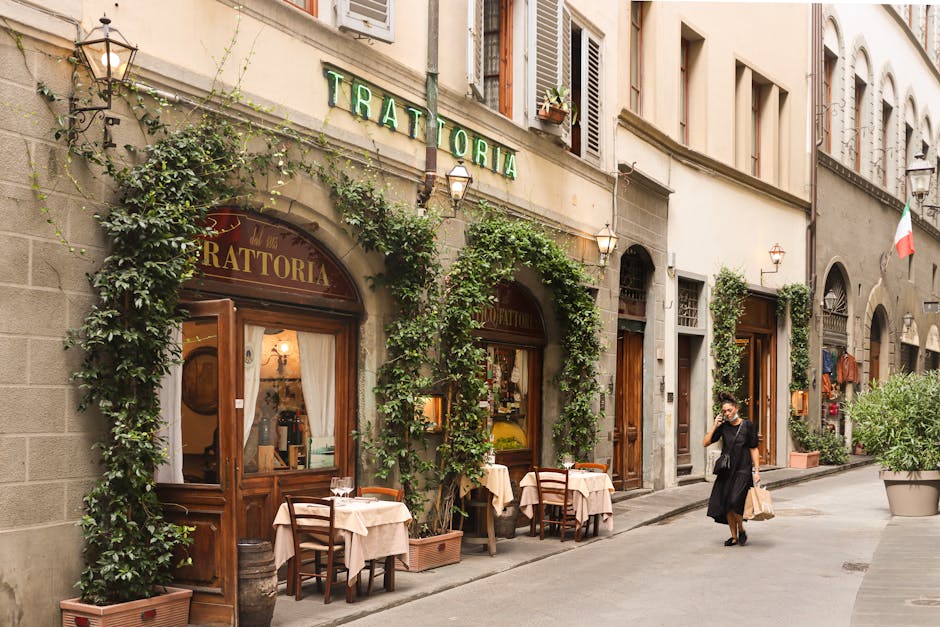
Flavio al Velavevodetto — Testaccio: the people’s market and neighborhood cooking
Name: Flavio al Velavevodetto
Address: Via di Monte Testaccio, 97, 00153 Roma RM, Italy
Typical hours: Daily, 12:30–15:00 (lunch), 19:30–23:00 (dinner). Closed on some public holidays. Continuous service may vary during local events.
Prices: Antipasti €9–14, primi €12–16, secondi €16–28, desserts €7–9. Seasonal menu depending on arrivals.
Testaccio is Rome’s traditional market quarter: historic slaughterhouses, wholesalers, vegetable stalls and fishmongers that have supplied the city for decades. Flavio al Velavevodetto embodies that tradition: generous portions, slow sauces, and a menu that follows the market’s beat. The dining room, often furnished in a classic style with vaulted ceilings, invites long conversations and communal tables.
Signature dishes: coda alla vaccinara (oxtail stew, €18–22), served with a thick sauce and vegetables from farmers in the Roman countryside; abbacchio alla scottadito (grilled milk-fed lamb, €20–26) when local lamb is available from nearby producers; seasonal braised or sautéed vegetables (€8–12) that put the farmer front and center on the plate. The restaurant frequently works directly with producers from the Mercato di Testaccio to source the best ingredients.
Local tips: Testaccio is perfect for combining an early market visit (the Mercato di Testaccio often opens early) with a late lunch. Wine lovers should ask for regional labels: Lazio has small estates (Frascati, Cesanese, Est! Est!! Est!!!) whose wines pair beautifully with meat dishes. If you’re dining in a group, favor a late-afternoon weekday meal to avoid peak dinner times.
Trattorie of the Colli Romani and Castelli Romani — close to producers and vineyards
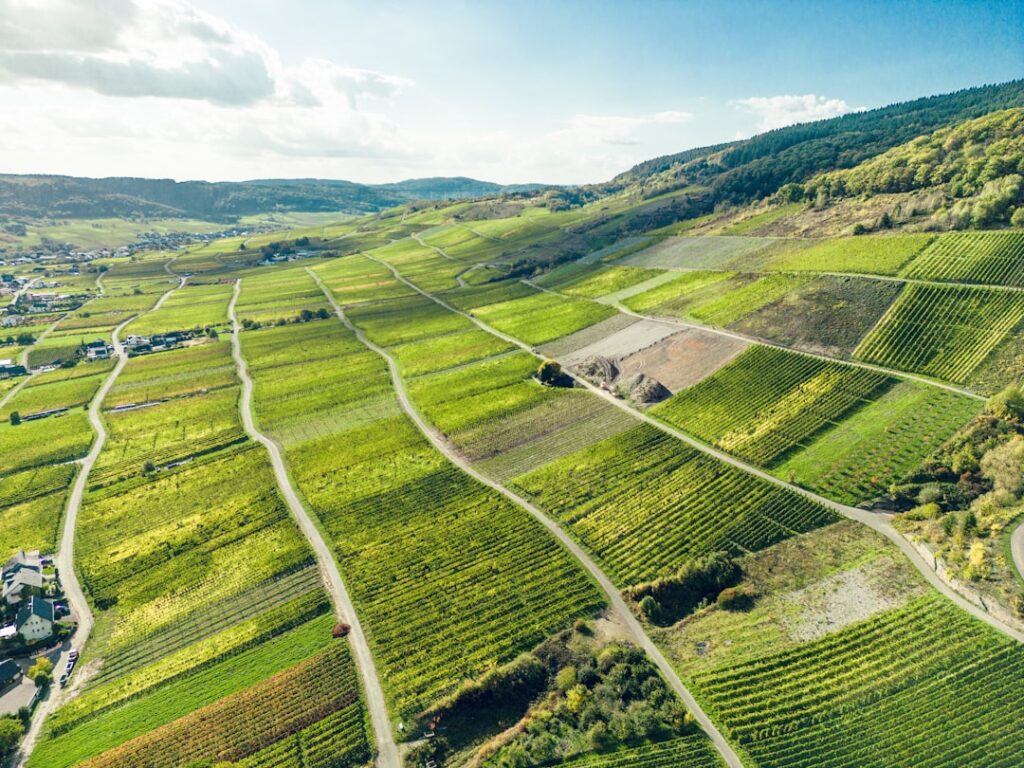
The Colli Albani and the towns of the Castelli Romani (Frascati, Castel Gandolfo, Ariccia, Nemi, Grottaferrata) are a world apart just a few dozen kilometers southeast of Rome. Trattorie here often source directly from local farmers and shepherds and maintain close ties with family-run vineyards producing typical wines like Frascati DOC or Cesanese del Piglio. These spots tend to be roomier, with terraces and gardens, and serve rustic cuisine filtered through local tradition.
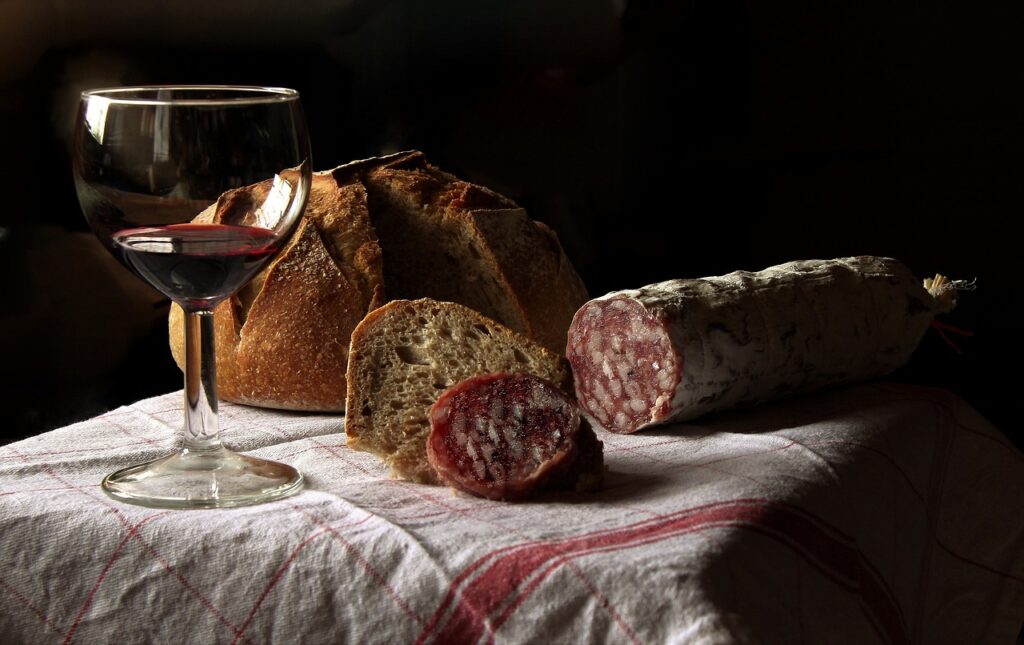
Notable examples: in Frascati you’ll find many trattorie and osterie serving mushrooms, porcini and asparagus (seasonal), paired with Frascati Superiore. A representative venue is a family-run trattoria in the historic center (look for local signs and reviews) offering local salumi antipasti (€8–12), housemade pasta (€9–15) and braised meat dishes (€14–22). In Ariccia, porchetta is an institution: shops sell fresh porchetta and several trattorie serve it in sandwiches or as a main (€8–14 for a sandwich, €14–20 for a plated portion).
Practical tips: visit a local market in the morning (for example Frascati’s Saturday market) to spot producers and then reserve a table at a recommended trattoria. In autumn, focus on porcini and game dishes; in spring expect new tomatoes, field asparagus and wild herbs. Prices in Colli Romani trattorie are often slightly lower than in central Rome, while the quality of local produce can be outstanding.
Trattorie in the Tuscia and Viterbo — volcanic lands and farmhouse cheeses
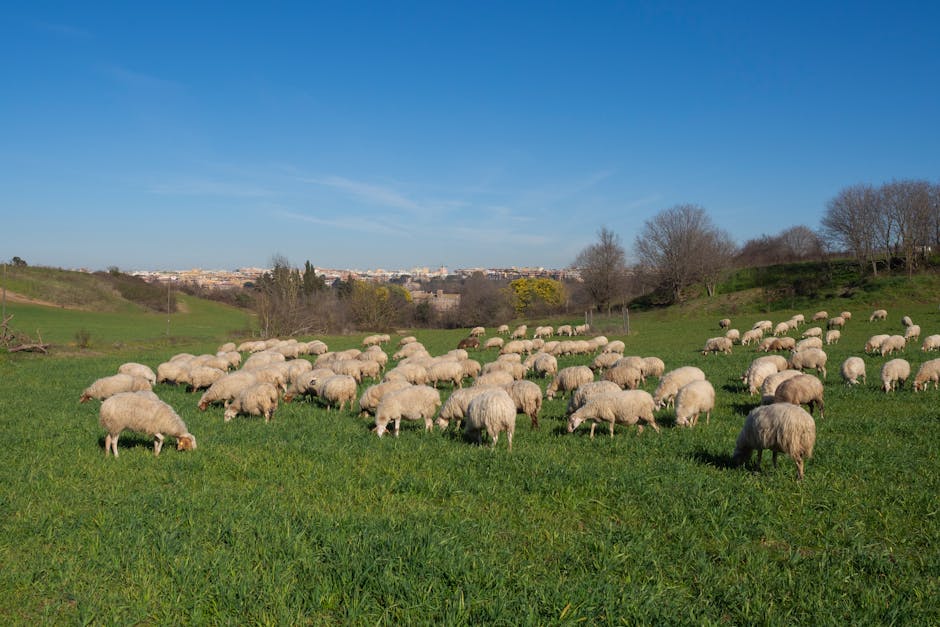
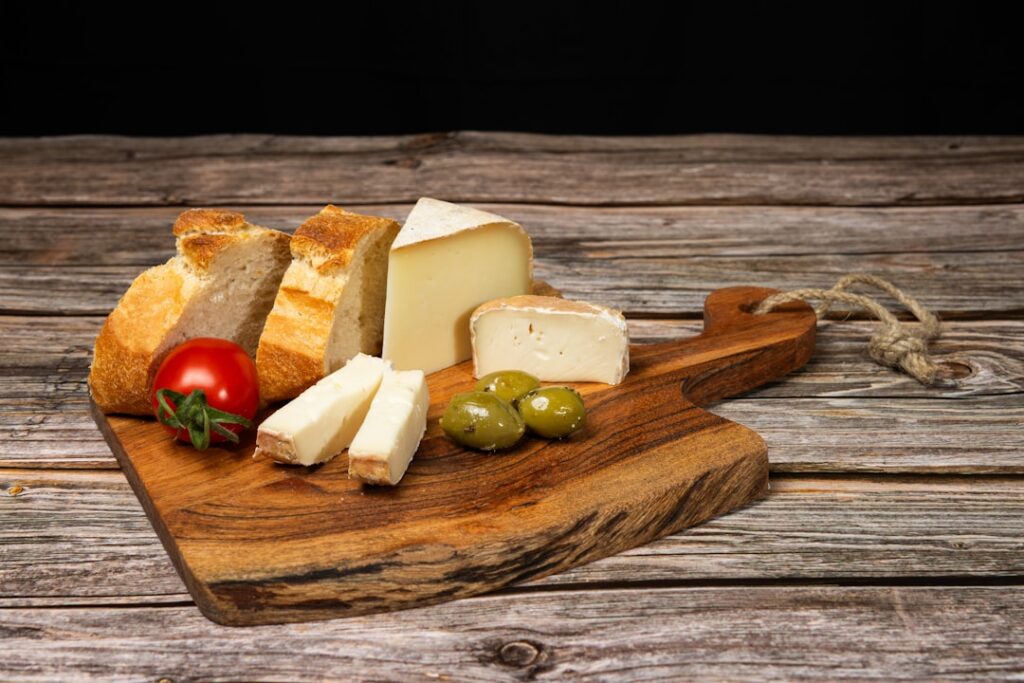
Northwest Lazio, the province of Viterbo (the Tuscia) is an agricultural heartland: olive groves, orchards, sheep farms and dairy productions that yield strongly flavored cheeses (for example artisanal pecorini), and vegetables adapted to volcanic soils. Trattorie in this area often work with clearly identified producers and offer traditional menus where local products reign supreme.
What you’ll find: antipasti featuring locally aged pecorino (€6–10), short pasta with lamb ragù or wild herb sauces (€9–14), roasted pork or pheasant dishes depending on the hunting season (€15–26). Many trattorie also serve plates of marinated vegetables and homemade preserves — a legacy of rural preservation techniques. Tuscia wines, still gaining ground internationally, pair perfectly with the hearty fare of these trattorie.
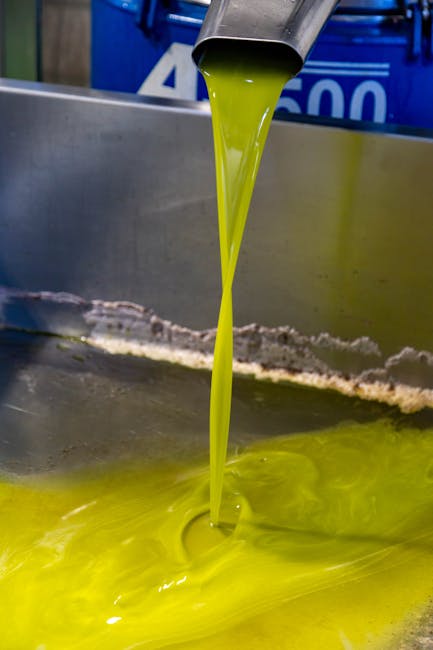
Tips: combine a visit to the Viterbo town market or nearby village markets with a tasting at a local cheesemaker. Always ask where the cheese comes from and, if possible, sample different aging stages. Rural trattorie sometimes prefer cash — bring some euros — and often close in mid-afternoon; check opening hours before you go. During harvest times (olive pressing in autumn, the grape harvest in September–October), some trattorie offer special menus built around the day’s fresh produce.
Practical tips for enjoying the market-to-table philosophy in Lazio
- Booking: essential at well-known trattorie (Da Enzo al 29, Flavio al Velavevodetto). For village trattorie, call the day before when possible.
- Hours: in Italy lunch is typically 12:30–14:30 and dinner 19:30–22:30; many trattorie close in the afternoon. To catch the market, get up early: 08:00–11:00 is the best window to see new arrivals.
- Budget: allow €25–45 per person for a full meal at a good Lazio trattoria (antipasti, primo, secondo, wine, dessert). Country trattorie can be a bit cheaper, while touristy tables near major sites may be pricier.
- Seasonality: aim for spring for tender vegetables and artichokes, summer for tomatoes and coastal fish, autumn for mushrooms, porcini and game, and winter for ragù and slow-cooked dishes.
- Ask about origin: don’t hesitate to inquire about the source of ingredients — the best places will happily explain their relationships with producers.
- Transport: a car is ideal for trattorie outside Rome. Public transport serves Frascati well and reaches some Castelli Romani towns from Termini or Tiburtina stations.
Conclusion: tasting Lazio — a market-to-plate experience
The strength of Lazio’s trattoria cooking lies in its ability to embody a territory: flavors are rooted in identifiable products, passed along via short supply chains and family know-how. Whether you pick a small Trastevere trattoria like Da Enzo al 29, a neighborhood house in Testaccio such as Flavio al Velavevodetto, or a rural table in the Colli Romani or the Tuscia, you’ll experience a direct link between market and kitchen. The chef’s choices — sometimes modest — reveal ingredient quality rather than flashy technical showmanship.
To get the most from these experiences, stroll the market first: smell, touch, ask the vendors, and spot the day’s produce. Then let the trattoria’s menu guide you: the “del giorno” dishes are often the truest interpretation of fresh ingredients. Don’t forget local wine: Lazio produces vintages that naturally complement regional cuisine and are frequently available by the glass or carafe at reasonable prices in trattorie.
Finally, keep the practical tips in mind: book ahead, respect opening hours, choose off-peak times if you want a quieter experience, and always ask about product origin if transparency matters to you. Lazio’s trattorie are more than places to eat; they’re places to learn about a region through taste. Approach them with curiosity and respect, and you’ll leave with more than a good meal: you’ll gain a deeper understanding of the landscape, the seasons, and the people who grow and transform these ingredients. Buon viaggio gastronomico and buon appetito!