





Introduction: Millennial Mosaics and Restorers at Work in Lazio
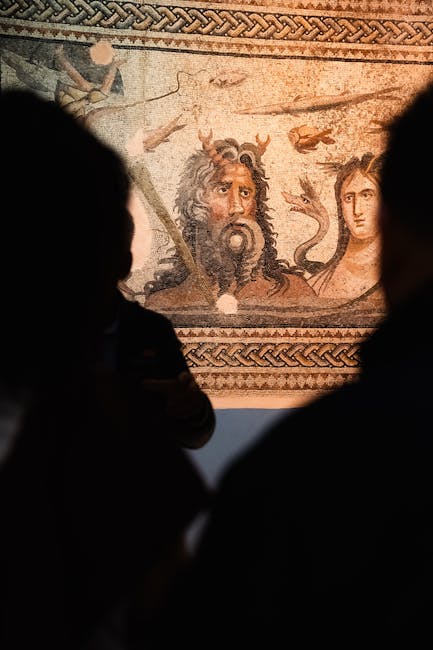
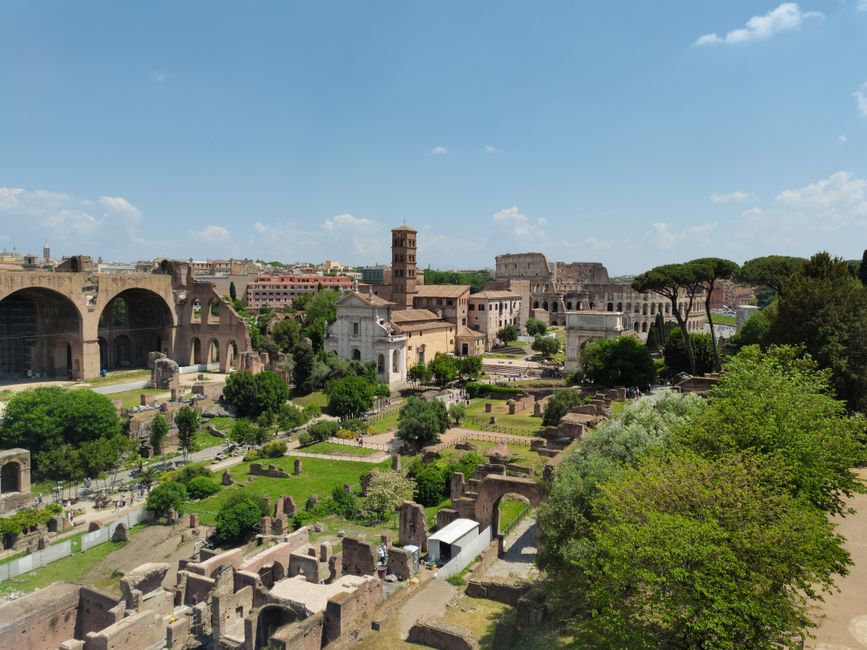
The Lazio region is a place where history is literally under your feet: Roman, Byzantine and medieval mosaics dot villas, baths and museums. These polychrome floors and walls, made of tesserae (small cubes of stone, glass and glazed paste), have withstood centuries of weather, excavations, architectural changes and sometimes neglect. Today, preserving and highlighting these millennial works is a team effort: archaeologists, conservators, materials scientists, chemists, engineers, conservation students and museum staff. This guide takes you inside the major sites in Lazio where those professions come together — from conservation workshops to excavation sites and the museums displaying restored mosaics.
You’ll not only find out where to see spectacular mosaics — with practical addresses, opening hours and ticket info — but also how professionals operate: assessment, stabilization, cleaning, in‑fill and color reintegration, and digital documentation. We cover old and new techniques, ethical questions (minimal intervention, legibility vs. historical integrity), and give tips on how to watch these interventions in situ without disrupting the teams. This guide is aimed at the curious traveler, photographers, heritage students and anyone who wants to understand what happens behind the museum glass.
Throughout the article you’ll find exact addresses — for example Palazzo Massimo alle Terme, Via Vittorio Emanuele Orlando 84, Roma — and practical details: prices in euros, opening windows, and the best times to catch conservators at work (when public viewing or demonstrations are available). We also provide concrete pointers on materials, tools and gestures that bring mosaics back to readability and stability while respecting their age and history. Finally, suggested image markers help you picture the most photogenic scenes: tesserae close-ups, teams at work, survey plans and museum spaces that host these masterpieces.
1. Museo Nazionale Romano – Palazzo Massimo alle Terme: In‑gallery Conservation and Laboratories
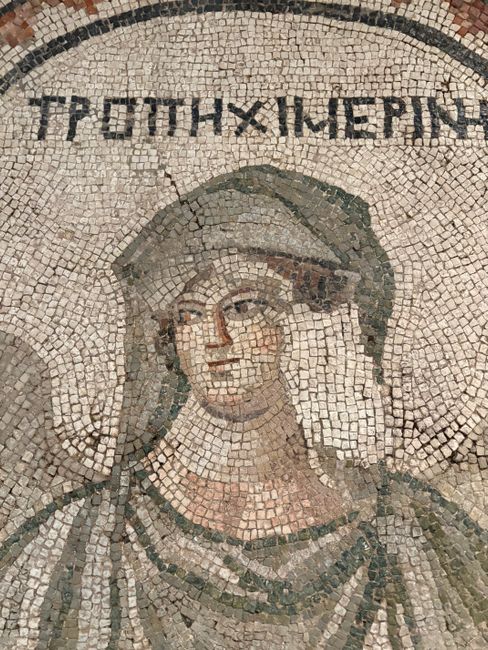
The Museo Nazionale Romano – Palazzo Massimo alle Terme is a must for anyone studying the conservation of ancient mosaics in Rome. Address: Via Vittorio Emanuele Orlando, 84, 00185 Roma RM. Opening hours: Tuesday to Sunday, 9:00–19:45 (last entry 19:15). Closed on Monday. Tickets: full price €10.00; reduced €6.00 (EU youth 18–25, teachers, etc.); free for under 18s and on certain days (check the official site for temporary free-entry days).
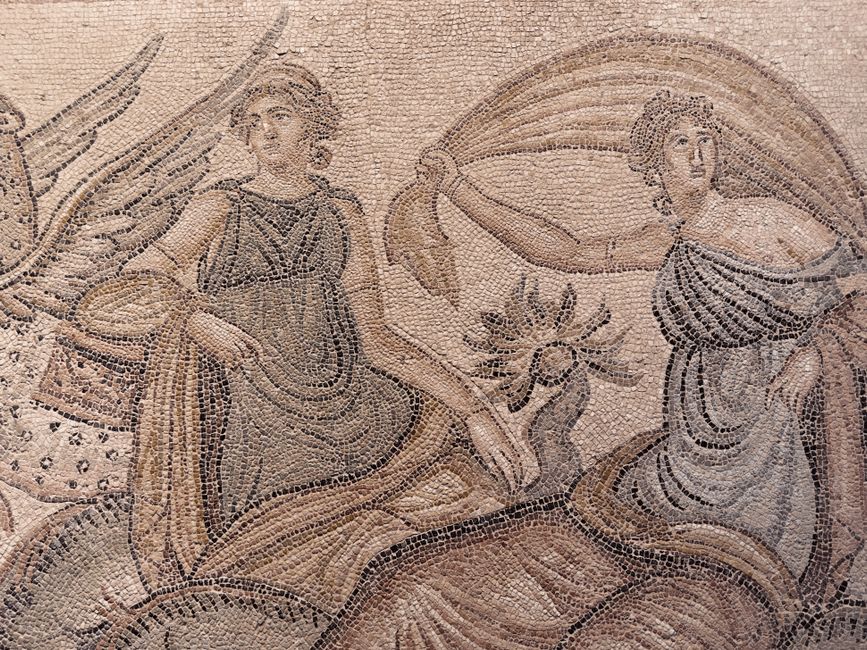
Palazzo Massimo houses mosaics moved from archaeological contexts but mostly displayed alongside diagnostics and interventions carried out in workshops. Conservators perform stabilization of friable tesserae, fill losses with reversible materials and document work with photogrammetry. Depending on temporary programs, visitors may attend demonstrations or see educational displays that reveal layers and materials: original bedding mortar, nereids, and modern sealing interventions.
Practical visit tips:
- Buy a combined ticket if you plan to visit other sections of the Museo Nazionale Romano. Lines are shorter in the late afternoon.
- Ask the reception for panels explaining conservation work: they’re often located near the rooms with arcadia scenes and floor mosaics.
- Photograph details (no flash): close-ups help understand tesserae size and modern replacements.
Technical practices commonly seen at Palazzo Massimo include:
- The use of reversible consolidant resins to stabilize crumbly tesserae.
- Targeted re-bedding with mortars based on hydraulic lime and pozzolana to ensure physico‑chemical compatibility.
- The installation of contemporary ventilated supports for relocated mosaics to prevent stagnant moisture.
2. Ostia Antica: In‑situ Conservation and Excavation Campaigns
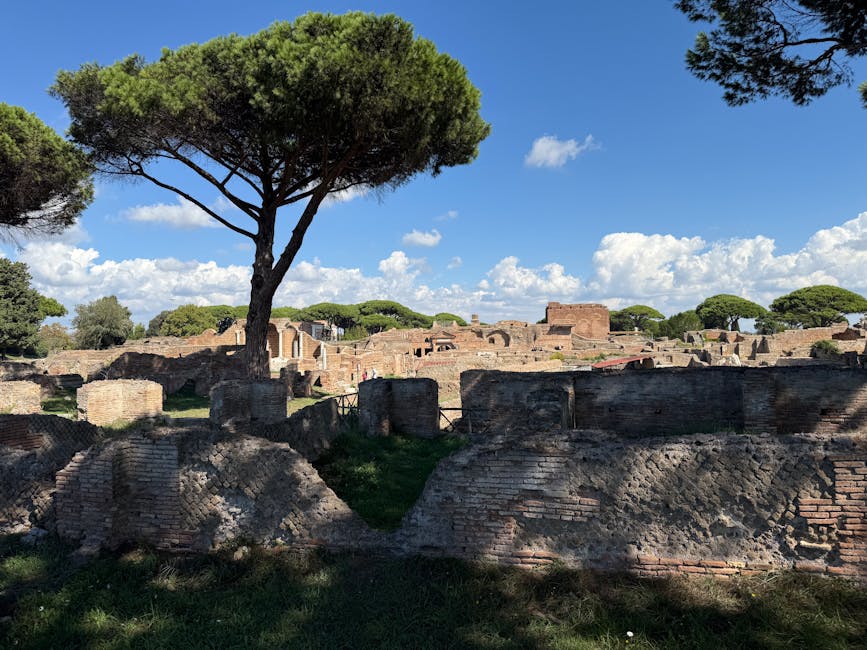
The extensive archaeological site of Ostia Antica is one of the best places to understand in‑situ mosaic conservation. Address: Via dei Romagnoli, 717, 00119 Ostia Antica RM. Opening hours: generally open every day from 8:30 until sunset (seasonal variations, typically closing 19:00–20:00 in summer). Tickets: full price €12.00; reduced €8.00 (EU 18–25); free for children under 6 and some other categories (check online for seasonal changes).
Ostia preserves large pavements with marine motifs, mythological scenes and geometric patterns. On‑site restorations prioritize keeping mosaics in place: stabilizing infiltrations, local reassembly, protection with geotextiles and temporary covers during works. The Soprintendenza and university teams intervene directly on site, allowing attentive visitors to observe different phases: clearing, graphic surveying, consolidation, and occasionally the resetting of moved fragments.
Tips for observing conservators:
- Fieldwork usually happens in the morning; arriving early increases your chance of spotting teams without interrupting their work.
- Respect marked-off areas: most digs are strictly cordoned off for safety and conservation reasons.
- Bring a hat and water: the site is vast and shaded areas are scarce.
Techniques commonly visible at Ostia include:
- Injection of lime grouts to fill voids beneath tesserae and prevent collapse.
- Photogrammetric and 3D surveys to map mosaic conditions before major interventions.
- Use of flexible, compatible joints to reduce mechanical stress from thermal and moisture variations.
3. Baths of Caracalla and Villa dei Quintili: Monumental Mosaics under Close Watch
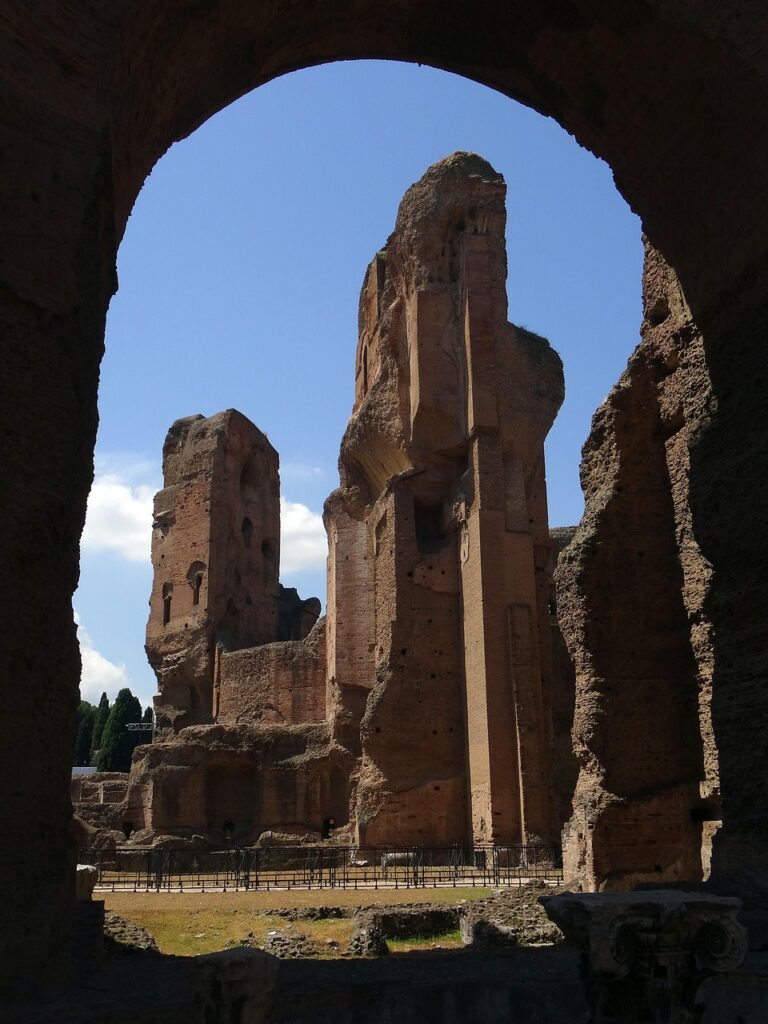
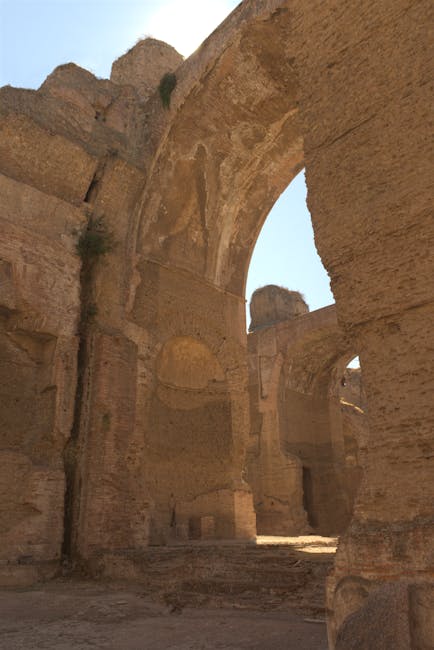
The Baths of Caracalla and the Villa dei Quintili showcase striking examples of monumental mosaics exposed to the elements and requiring major interventions. Baths of Caracalla address: Viale delle Terme di Caracalla, 00153 Roma RM. Opening hours: generally 9:00–19:00 (seasonal variations). Tickets: full price €8.00; reduced €4.00 (EU 18–25). Villa dei Quintili address: Via Appia Antica, 256, 00178 Roma RM. Opening hours: usually in line with other archaeological sites; tickets around €6.00–€8.00 depending on season and temporary exhibitions.
These sites contain large‑scale mosaics: polychrome scenes, intricate scrollwork and figurative panels. The scale of these surfaces requires specific methods: substrate consolidation, improved drainage, and sometimes construction of protective structures (temporary roofs, shelter tunnels). Conservators coordinate with civil engineers to stabilize floors and prevent capillary rise of moisture that weakens tesserae.
Visiting these sites gives you a sense of scale: managing monumental surfaces calls for not only artisanal skill but also logistics (scaffolding, lifts, hoisting systems). On site you can often see:
- Deployment of geotechnical membranes to isolate mosaics from damp ground.
- Sampling for chemical analyses (salinity, mortar composition) carried out in strictly localized spots.
- Photographic documentation by drone for large surface coverage.
Practical tips:
- Prefer official guided tours: guides explain conservation constraints and may lead you to temporary vantage points set up to view ongoing interventions.
- In summer, avoid the hottest hours if you want to see field crews at work — teams often take long breaks during peak heat.
4. Centrale Montemartini and Museum Routes: Conservation in an Industrial Setting
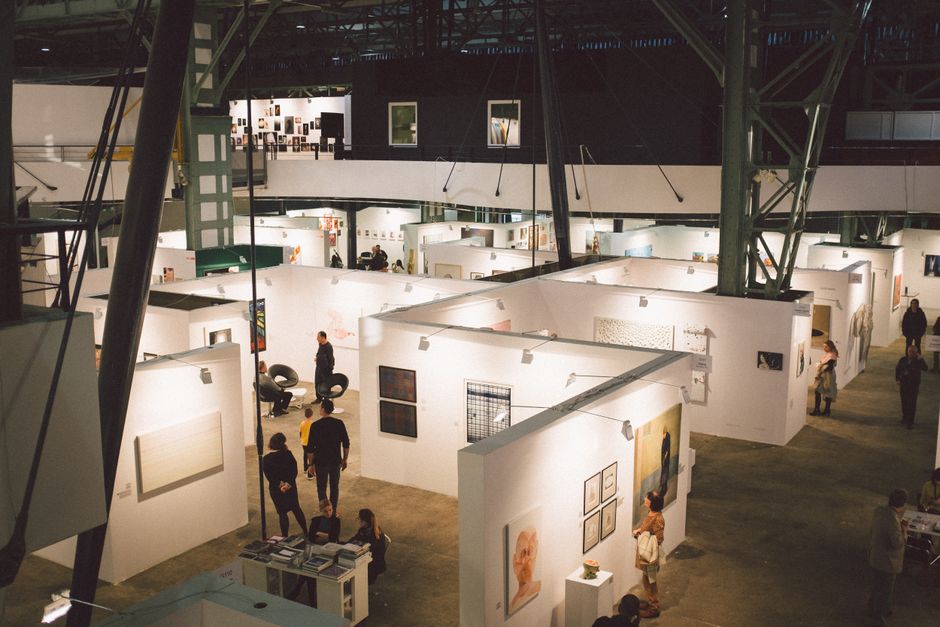
The Museo Centrale Montemartini is a fascinating example of museum display where ancient pieces (including mosaics) are put in dialogue with industrial machinery. Address: Via Ostiense, 106, 00154 Roma RM. Opening hours: Tuesday to Sunday, 9:00–19:00; closed Monday. Tickets: full price €6.00; reduced €3.00 (EU 18–25). Mosaics exhibited at Montemartini require care that accounts for the industrial microclimate and any residual humidity.
Conservators at Montemartini work to preserve mosaics in an unconventional setting: a large industrial hall, controlled lighting and mechanical air circulation. In‑gallery interventions include stabilizing modern plaster backings, discreet color retouching and installing bases suited to the weight and vibrations of the building. Visitors will often notice explanatory panels on methodology and, during temporary exhibits, showcases displaying restoration tools and materials.
Complementary routes:
- Pair a visit to Montemartini with Palazzo Massimo (some discount ticket combos apply) to compare restoration work in traditional museums versus industrial spaces.
- Check lecture and demo schedules: several museums run public workshops on reading mosaics and conservation principles.
Local tips:
- Arrive early to take advantage of limited natural light that emphasizes tesserae relief through shadows.
- Audio guides often include tracks about conservation and explain why some retouches are deliberately subtle.
5. Institutes and Workshops: Istituto Superiore per la Conservazione e il Restauro and Local Centers
Specialized institutions play a key role in training and research. The Istituto Superiore per la Conservazione e il Restauro (ISCR) is a national reference for restoration protocols and education. Address (campus and offices can be arranged for institutional visits): Via di San Michele, 22, 00153 Roma RM (check before visiting). ISCR workshops host large conservation projects, materials studies and analytical labs (XRF, SEM, chromatography).
Beyond ISCR, the Soprintendenza Archeologia Belle Arti e Paesaggio per la Città Metropolitana di Roma (contact via municipal offices) coordinates fieldworks and issues authorizations and guidelines. Universities (Sapienza Università di Roma, Università di Roma Tor Vergata) also run labs and training excavations where students and supervised conservators work on mosaics freshly brought out of the ground.
Visits and practical info:
- ISCR workshops are not always open to the public, but open‑days and temporary exhibitions showcase instruments and methods. Check schedules on the official site or by phone.
- To see a workshop in operation, contact the Soprintendenza or local museums (some accept small group visits by appointment).
Methods and innovations:
- 3D scanning and photogrammetry to create digital archives before and after intervention.
- Reversibility principle: use of materials that can be removed without damaging the original.
- Interdisciplinary approaches: preventive conservation, microclimate control, and biological studies to treat biodeterioration.
Conclusion: Observe, Understand and Respect the Conservators’ Work
The mosaics of Lazio tell centuries of stories; today’s conservators weave the threads between scientific preservation and public display. Visiting the sites and museums mentioned — Palazzo Massimo alle Terme, Ostia Antica, Baths of Caracalla, Villa dei Quintili, Museo Centrale Montemartini and specialized institutes — will show you that restoration isn’t a solitary act but a collective, multidisciplinary and often slow practice. Interventions require time: preliminary studies, testing, permits, on‑site work and post‑treatment monitoring. Every gesture is carefully considered to preserve authenticity while ensuring legibility for future generations.
When you witness a site or view mosaics on display, keep in mind:
- Respect cordoned areas and staff instructions: the safety of the works and professionals comes first.
- Patience: restoration is not a show but a scientific and artisanal process.
- Constructive curiosity: ask guides questions and consult museum educational materials to better understand what you’re seeing.
Finally, supporting heritage conservation can take many concrete forms: join paid guided tours, buy museum publications, donate to restoration funds, or sign up for lectures and workshops. These actions not only finance the work but also spread a culture of respect for heritage. Thanks to the richness of its mosaics and the skill of its conservators, Lazio offers visitors a rare opportunity to witness the blend of technical expertise and heritage sensitivity — an essential experience for anyone wanting to understand how millennial works continue to live today.