





Introduction: Immersion in an Organic Vineyard of Lazio
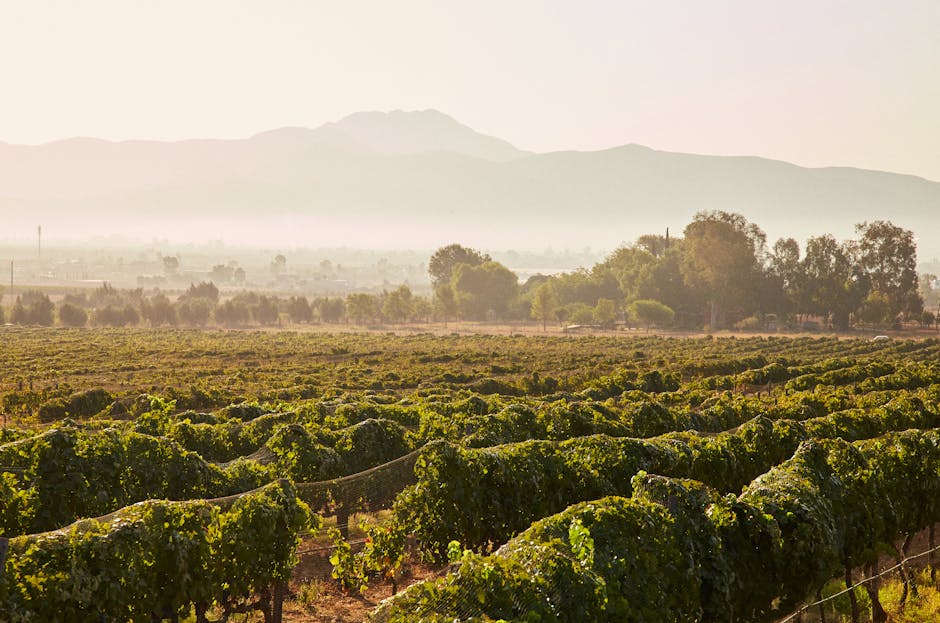
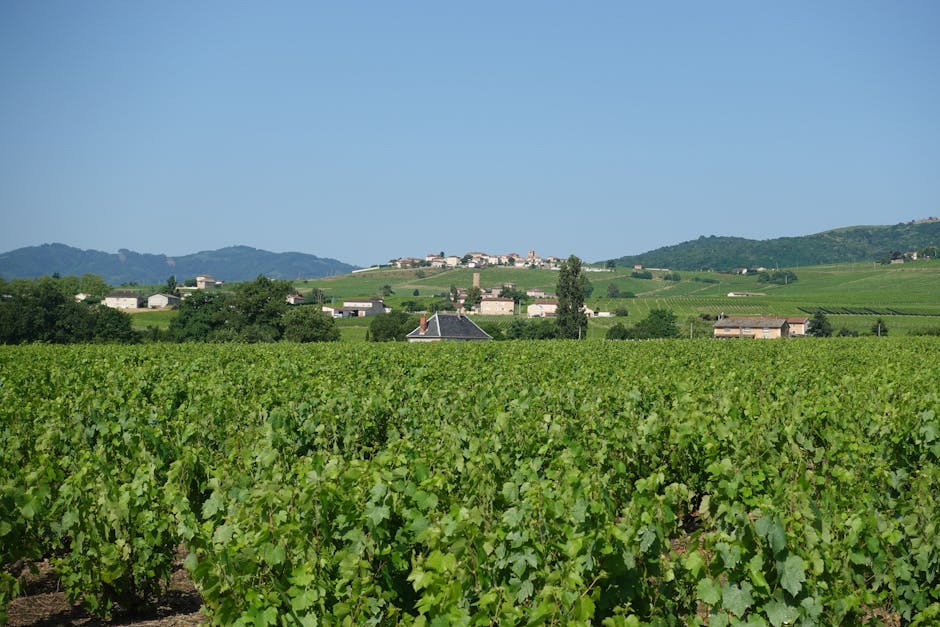
Lazio (Latium in French), the Italian region whose capital is Rome, offers far more than ancient ruins and museums: its hills are dotted with centuries-old vineyards, small biodynamic estates and agriturismi where land, vine and table meet in true harmony. Staying at an organic vineyard in Lazio is not just about touring a cellar: it’s about joining seasonal tasks, tasting wines born from soil-respecting viticulture, sleeping among the vine rows and listening to the Roman countryside fall asleep at dusk. This sensory experience connects nature, history and the warm Italian conviviality in often well-preserved settings, far from the tourist hustle of the capital.
In this article I’ll walk you step by step through planning a full stay: from harvest to tasting, including an overnight in authentic Lazio accommodations. I describe representative estates, give addresses and opening times to organize visits, indicative prices in euros, and practical tips to make the most of this food-and-wine escape. You’ll discover a variety of places, from the volcanic slopes of the Colli Albani — famous for Frascati wines and small local grape varieties — to the northern Lazio plateaus around Viterbo and Montefiascone, and even the hills near Amatrice and Rieti where vines thrive.
Each season delivers a different experience: in spring the soils awaken and the first tender green leaves put on a delicate show; in summer some estates may start early harvests to preserve freshness and acidity; in autumn ripe bunches, cooler air and hand-picking make for especially photogenic scenes. Participating in a manual harvest at an organic estate helps you understand technical choices (green pruning, soil work, natural treatments) and appreciate the human value behind every bottle.
I also suggest itineraries to extend your stay with visits to nearby monuments and villages — like Villa d’Este in Tivoli or the papal city of Orvieto (on Lazio’s border) — so you can combine culture and tasting, along with logistical tips: how to get between estates, what shoes to bring, precautions during harvest season, and how to book a night with a local host or in an agriturismo certified biologico. This guide is meant to be both practical and inspiring: follow it to live a complete, tasty and responsible immersion in Lazio’s organic vineyards.
Choosing Your Organic Estate: Addresses, Profiles and What They Offer
Lazio is home to several small and medium-sized farms committed to organic agriculture. To pick the estate that fits you, start by defining your priorities: hands-on harvest participation, a guided tasting by the winemaker, an overnight agriturismo stay, farm-to-table meals, or a trip focused on oenological discovery with food pairings. Below I describe five representative estates, with addresses, opening times and indicative prices to help you plan.
- Azienda Agricola Casale del Gallo — Via della Cava, 12, 00044 Frascati (RM). A family-run estate in the Colli Albani, 20 km southeast of Rome. Guided tours by reservation Tuesday–Sunday, 10:00–17:00. Standard tasting: €20 per person (3 wines + a snack). Harvest workshop (seasonal): €50 per person (3 hours, breakfast included). Overnight in a B&B on the property: €80–120 per night for two (organic breakfast included).
- Tenuta Santa Maria di Galeria — Strada della Tenuta, 7, 00060 Monteporzio Catone (RM). Small farm certified organic and biodynamic, offering participatory harvest experiences and farm dinners. Open by appointment, visits 09:00–16:00. Vertical tasting: €30 per person (4 wines, technical explanations). Overnight in a rural apartment: €100–150 per night.
- Agriturismo La Fattoria di Vico — Via Cassia, km 78, 01016 Viterbo (VT). An organic estate near Viterbo combining wine production, olive oil and lodging. Welcomes volunteer harvesters in September/October. Visitor hours: 09:00–18:30. Visit + tasting + country lunch: €35 per person. Double room: €90 per night.
- Cantina Bio Colli Albani – Azienda Vinicola Frascati — Via Roma, 45, 00044 Frascati (RM). A cooperative cellar converted to organic, offering educational tours and blending workshops. Open Monday–Saturday 09:00–13:00 and 15:00–19:00. Introductory tasting: €15 (3 wines), blending workshop: €60 (materials included).
- Podere dell’Olmo — Località Poggio dell’Olmo, 5, 01030 Bolsena (VT). A biodynamic farm on the edge of Lake Bolsena. Offers rustic B&B lodging, manual picking and sunset tasting evenings. Open year-round by reservation. Double room: €110 (organic breakfast). Harvest + overnight package: €130 per person (one-day package).
These estates represent different ways of experiencing the vineyard: from a small family workshop to a more structured setup. Prices vary by season and level of experience offered (hands-on participation vs simple visit). Some places charge extra for Saturday nights or special events (harvest dinners, concerts). Before you go, contact the estate by phone or email to confirm times and book, especially during the harvest when capacity is limited. Phone numbers and emails are usually available on the estates’ official sites or through local tourist offices.
The Hand Harvest: What a Typical Day Looks Like and Practical Tips
Taking part in a manual harvest at an organic vineyard in Lazio is gentle but communal physical work, arranged as a half-day or full-day activity. Here’s the typical flow of a harvest day, the tasks you’ll be invited to do and practical tips to make the most of it.
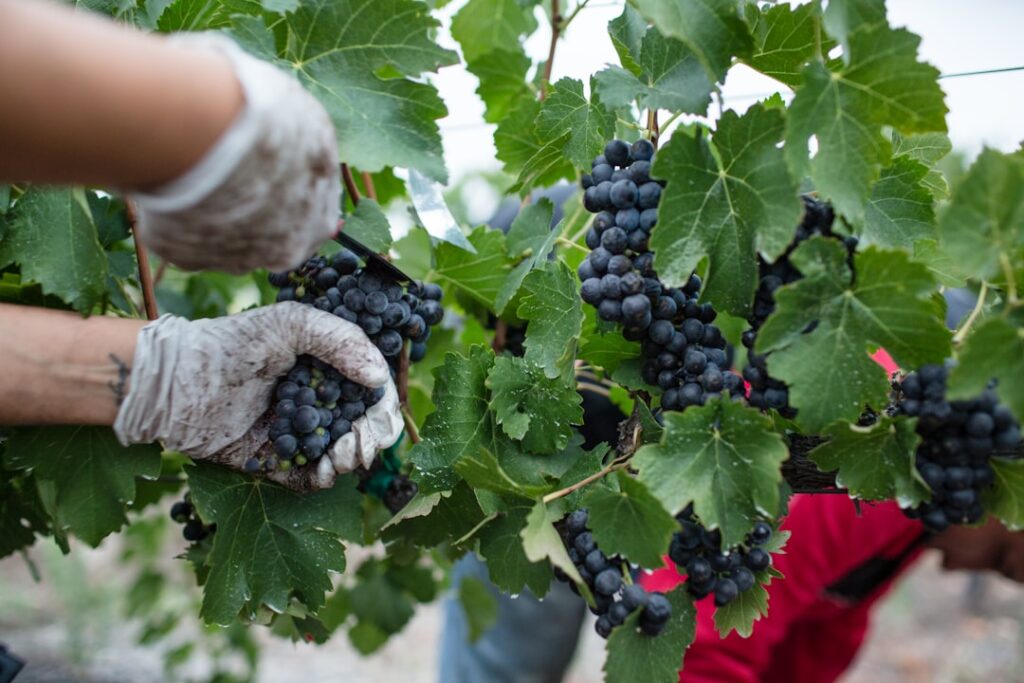
Morning — Welcome and briefing: the day usually starts between 07:30 and 09:00, depending on the temperature. The team meets you at the estate, often in the cellar or a small barn (example schedule: meet at 08:30 at Azienda Agricola Casale del Gallo, Via della Cava, 12, 00044 Frascati). The winemaker explains safety instructions, how to cut bunches properly (secateurs provided) and sorting rules in the field (remove damaged bunches, leaves, fruit flies). You’ll often be given a hat, gloves if needed, and buckets or crates for picking.
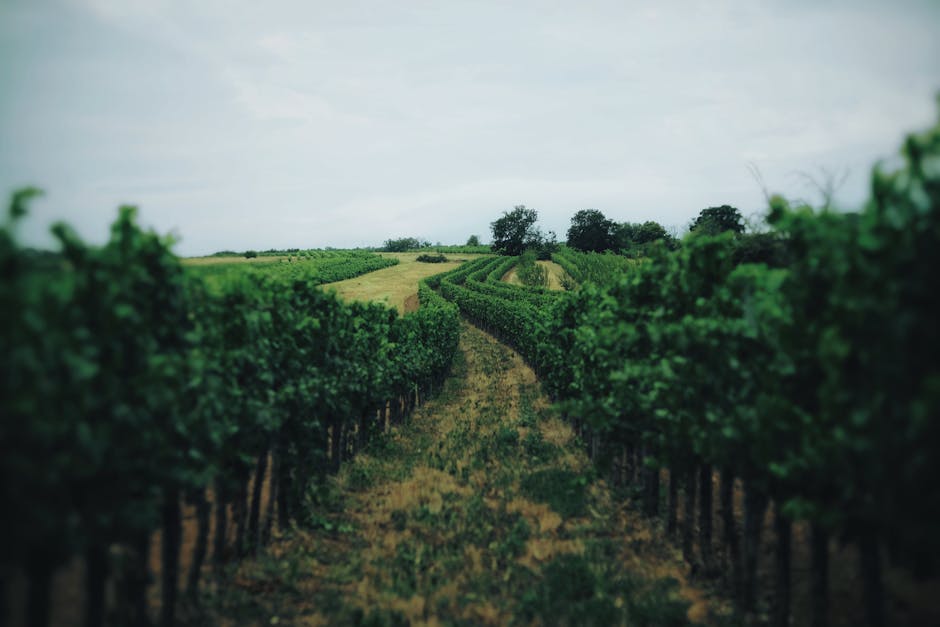
Working the rows: you’ll be assigned to a plot depending on ripeness. The secateurs clip, you take the bunch and use a precise movement to preserve quality; organic harvesting means meticulous sorting. Experienced pickers will show you how to avoid crushing grape skins to limit oxidation.
Break and fellowship: mid-morning, a rustic aperitif is often offered — water, grape juice, bread, local cheeses like fresh ricotta, olives and artisan cold cuts. At Podere dell’Olmo (Località Poggio dell’Olmo, 5, 01030 Bolsena), for example, the morning break can include a small tasting of fresh juice and olive oil pressed on site.
Afternoon — Sorting and bringing grapes to the cellar: after a country lunch — often pasta, salad, seasonal vegetables, homemade bread and the estate’s wine — harvested bunches are carried to the winery. There the final sorting and transfer into vats take place. Visitors sometimes help stomp traditionally or watch the first pressing stages. Organic harvests generally avoid chemical additions and favor native yeasts.
Practical tips:
- Footwear: choose closed shoes, preferably hiking boots or sturdy waterproof work shoes. Terrain can be steep and muddy.
- Clothing: dress in light layers. Cool mornings, warm afternoons. Bring a light waterproof jacket if the forecast is uncertain.
- Sun protection: hat, sunglasses and sunscreen are essential in summer.
- Hydration: carry a reusable water bottle. Estates often provide water, but it’s wise to be self-sufficient.
- Respect: follow the winemaker’s instructions; harvesting is agricultural work, not a show. Respect schedules and the group’s efficiency.
Finally, remember harvest is seasonal: the window runs from late August to October depending on altitude and grape variety. Lazio’s organic estates often favor manual picking to preserve grape quality, which makes visitor participation particularly useful and rewarding.
Guided Tastings and Typical Lazio Food-and-Wine Pairings
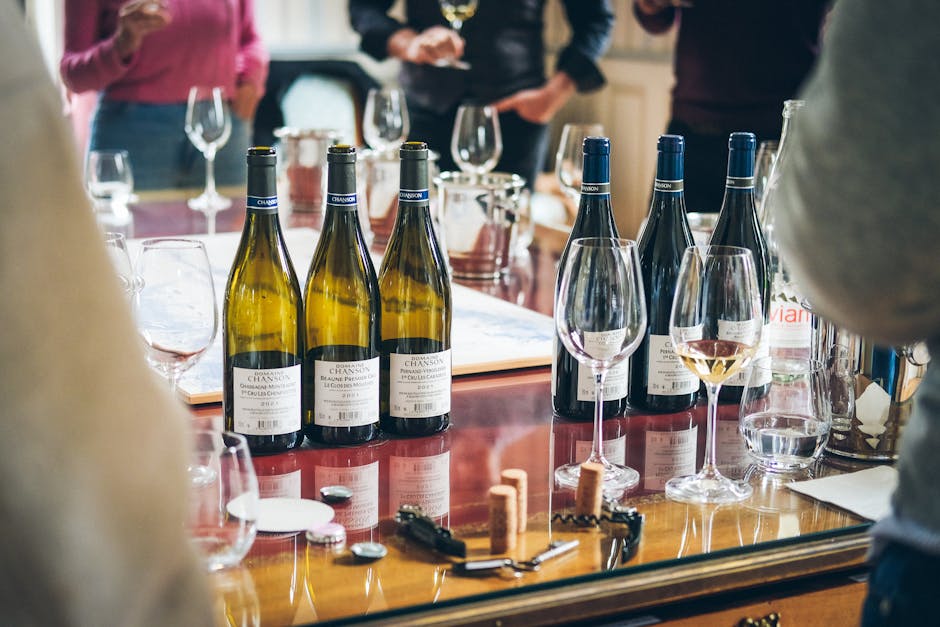
After the harvest comes the most anticipated step: the tasting. At an organic Lazio estate, a tasting is more than sniff-sip-score — it’s enriched with explanations about the volcanic terroir of the Colli Albani, the influence of Lake Bolsena, and the ecological practices in place. Here’s how a professional tasting session usually unfolds, which wines you’ll meet and which food pairings to favor.
Typical session: the tasting begins with an introduction to the estate and its philosophy (organic certification, biodynamic practices, biodiversity management), followed by a presentation of the grape varieties: Malvasia del Lazio (common around Frascati), Trebbiano Toscano, Bellone, and sometimes international varieties grown organically. Lazio whites often show fresh acidity and floral aromas, while some local reds (Cesanese del Piglio) offer soft tannins and notes of red fruit and spice.
Concrete wine examples and pairings:
- Frascati Superiore DOCG (Azienda Agricola Casale del Gallo) — €15–22 per bottle. Great with seafood, zucchini-and-mint pasta, or a plate of fresh cheeses. At Cantina Bio Colli Albani (Via Roma, 45, 00044 Frascati), tastings often include a young Frascati served chilled (10–12°C).
- Cesanese del Piglio DOCG — €18–30 per bottle. Local red, perfect with roasted meats, chicken cacciatora, or a mushroom stew. Served at cellar temperature (16–18°C), it reveals violet and black cherry aromas.
- Lacrima Christi del Vesuvio (if imported to the region) — sometimes featured at certain estates for comparison: a volcanic wine, €14–25 per bottle, pairs well with thin-crust pizzas and warm salads.
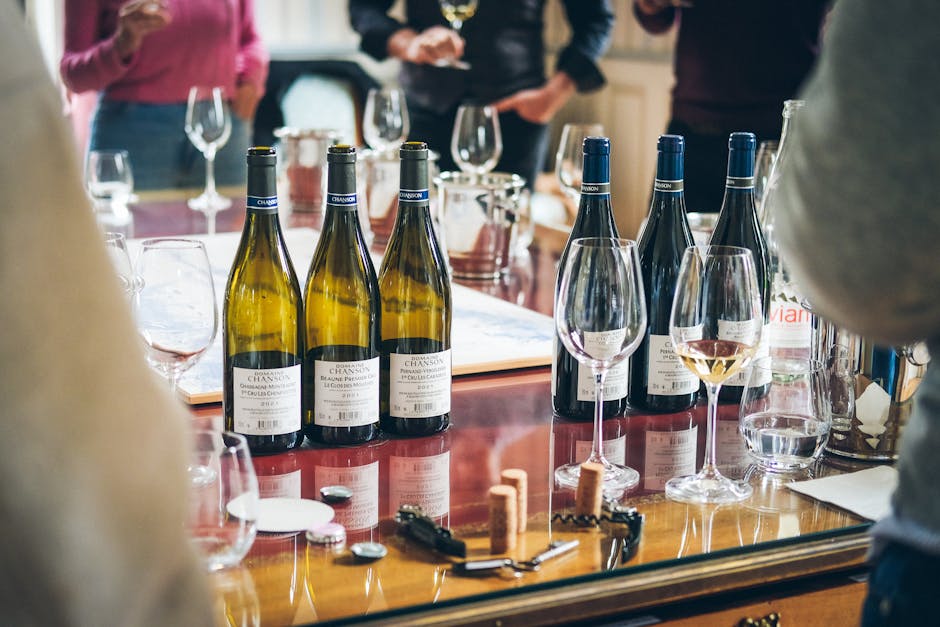
Educational tasting: many estates offer multi-stage tastings — whites, rosés, reds, then reserve wines or long-aged bottlings. Winemakers explain mineralilty (often marked on volcanic soils), acidity, tannic structure, and how soil work (cover crops, organic composts) influences aromatic profile. Pairing workshops: estates like Tenuta Santa Maria di Galeria run specific sessions pairing their olive oil, wines and local products (Viterbo cheeses, fresh pasta, homemade jams).
Prices and times: a standard tasting generally costs between €15 and €35 per person depending on the number of wines and whether snacks are included. Tasting sessions usually start between 10:00 and 12:30 in the morning and resume from 15:00 to 18:00 in the afternoon. Pairing workshops or technical sessions (blending, aging) require prior booking and can cost €50–80 per person.
Overnight at the Heart of the Estate: Lodging, Addresses and the Night Experience
Nothing caps off a day of harvesting and tasting better than staying overnight on the estate. Agriturismo accommodations or B&Bs attached to organic farms offer simple but authentic comfort: rooms decorated in Italian style, hearty breakfasts with homemade products, and the chance to wake up among the vines. Here are concrete lodging examples with addresses, rates and specifics.
- Agriturismo La Fattoria di Vico — Via Cassia, km 78, 01016 Viterbo (VT). Double room: €90 per night. Organic breakfast included (homemade bread, jams, farm eggs). Usual check-in: 15:00–20:00. Check-out: 10:30.
- Azienda Agricola Casale del Gallo — Guest rooms — Via della Cava, 12, 00044 Frascati (RM). Double room: €80–120 per night depending on season. Breakfast served between 08:00 and 10:00. Dinner at the communal table possible by reservation (country menu, €28 per person).
- Podere dell’Olmo — Rural B&B — Località Poggio dell’Olmo, 5, 01030 Bolsena (VT). Double room: €110 per night, breakfast 08:00–09:30. The estate also offers sunset tasting evenings (show & 4 wines): €25 per person.
- Tenuta Santa Maria di Galeria — Rural apartment — Strada della Tenuta, 7, 00060 Monteporzio Catone (RM). Two-bedroom apartment: €140 per night (up to 4 people). Equipped kitchen, half-board option available (organic dinner: €30 per person). Arrival by appointment between 16:00 and 20:00.
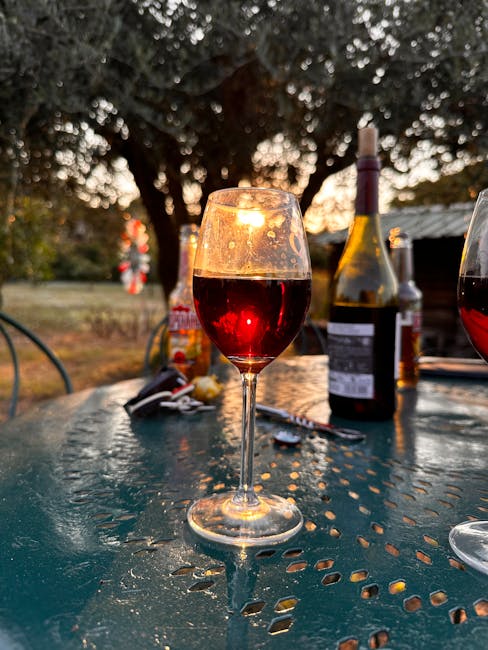
Nighttime atmosphere: nights on the estate are often quiet, punctuated by countryside sounds (frogs near streams, wind through the vines, and sometimes the clink of tools at dawn). If you stay near Lake Bolsena (Podere dell’Olmo), you can catch a sunrise over the water — perfect light for photos. Many agriturismi offer evening meals made with estate products (fresh pasta, stews, garden vegetables), creating a tasty continuity between harvest and table.
Bookings and tips: reserve at least 2–4 weeks in advance during the harvest season. Ask if the price includes breakfast, cellar access, and the tourist tax (imposta di soggiorno) which some municipalities may apply. To save money, prefer weekday stays or harvest+overnight packages, often offered at a reduced rate (e.g. harvest+overnight package at Podere dell’Olmo: €130 per person).
Complementary Activities, Monument Visits and Practical Tips to Extend Your Escape
Lazio offers cultural and scenic riches that perfectly complement a wine getaway. After or between harvest and tasting days, here are visits and activities to add to your itinerary, with addresses and practical opening times to keep your planning smooth.
Nearby visits:
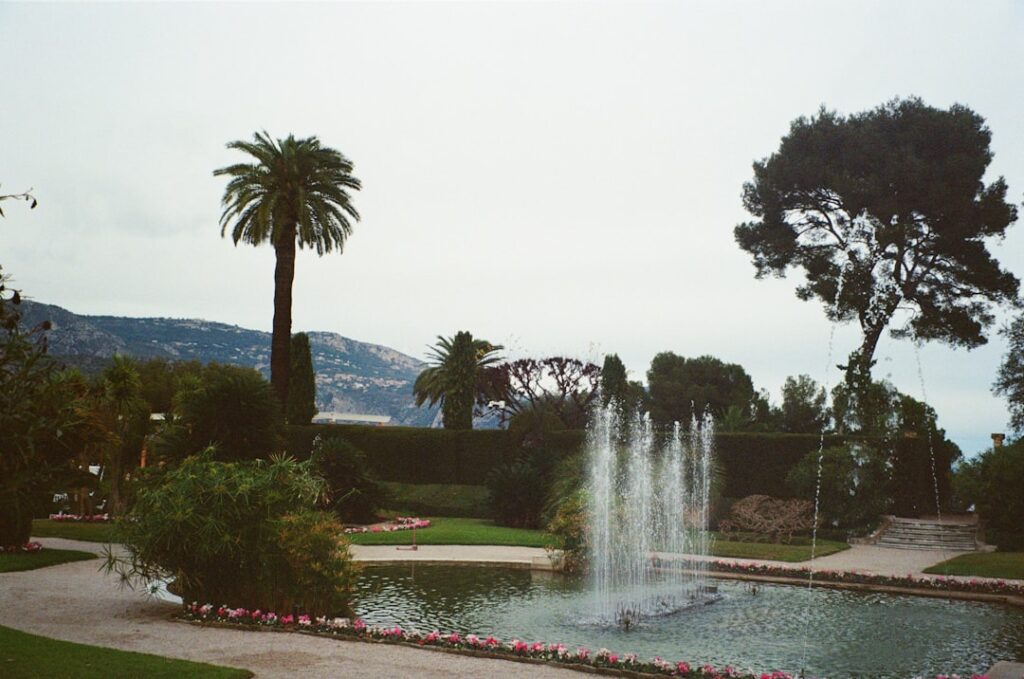
- Villa d’Este — Piazza Trento, 5, 00019 Tivoli (RM). Opening hours: 08:30–19:00 (hours vary by season). Entrance fee: around €10–15. The villa and its gardens, a UNESCO World Heritage site, feature spectacular hydraulic gardens — a refreshing stroll after a sunny day in the vineyards.
- Villa Adriana (Hadrian’s Villa) — Via Tiburtina, 1, 00019 Tivoli (RM). Opening hours: 09:00–19:00 (closed some winter days, check the official site). Fee: €8–12. The ruins provide an impressive glimpse of Roman antiquity and pair well with a lunch at a nearby agriturismo.
- Duomo di Viterbo – Cattedrale di San Lorenzo — Piazza San Lorenzo, 1, 01100 Viterbo (VT). Cathedral visits: free entry (mass times vary), and a walk through the historic center is recommended late afternoon. A great stop for tasting local cheeses and buying farm products.
- Lago di Bolsena — Lungolago Zanardelli, 01023 Bolsena (VT). Activities: swimming, boat rides, local fishing. Harbors and lakeside restaurants generally open from 10:00 to 22:00.
Logistical tips:
- Transport: renting a car is the most flexible way to visit multiple estates and monuments. Secondary roads can be narrow; prefer a compact car. From Rome, allow 30–60 minutes to Frascati, 1h30 to Viterbo, and about 2 hours to Lake Bolsena depending on traffic.
- Language: most winemakers speak basic English, but knowing a few Italian phrases helps (thank you, please, hello). Local tourist offices provide maps and recommendations in English and Italian.
- Cash: while most places accept cards, always carry a little cash for small purchases or local markets.
- Health and safety: during harvest season have travel insurance covering minor accidents. Follow safety rules in the cellar and when handling tools.
- Environmental respect: take your trash, use reusable water bottles, avoid single-use plastic. Organic estates appreciate visitors who follow eco-friendly practices.
Conclusion: Why Choose an Organic Vineyard Stay in Lazio
A stay at an organic vineyard in Lazio invites you to reconnect with the land and seasonality, learn age-old gestures and taste wines shaped by a distinctive volcanic and Mediterranean terroir. By joining the harvest you become part of an agricultural cycle, not just a spectator: you help preserve soil-respecting practices, discover the full chain from bunch to bottle, and share convivial moments with passionate winemakers. Lazio’s organic estates, whether a small podere in Bolsena or a friendly agriturismo near Frascati, offer authentic experiences at accessible prices — often between €15 and €35 for a tasting, and between €80 and €150 for a double room depending on level and season.
These stays are also a chance to combine wine tourism and cultural sightseeing: you can easily pair harvest days with visits to Villa d’Este (Piazza Trento, 5, 00019 Tivoli RM), Villa Adriana (Via Tiburtina, 1, 00019 Tivoli RM) or a stop at Lake Bolsena (Lungolago Zanardelli, 01023 Bolsena VT), enriching your immersion. The addresses and hours provided in this article let you build a concrete itinerary — don’t forget to book ahead during the high harvest season and on weekends.
Finally, choosing organic supports farming that promotes biodiversity, protects groundwater and enhances wine quality — values that resonate with travelers wanting a positive impact. Whether you’re after an active harvest day, a blending workshop, a sunset tasting, or a rustic overnight among the rows, Lazio offers warm and varied options. Pack your boots, your curiosity and your appetite: the land and the winemakers are waiting to give you a memorable, sustainable experience.