





Introduction: stepping into Ostia’s leather workshops
Ostia, Rome’s historic seaport, is more than just fascinating ruins and lively beaches — it’s also a place where traditional leathercraft has survived and reinvented itself. Strolling the lanes between the old harbor and the seafront, you’ll pick up hints of salt in the air but also the smell of worked leather, heated tannins and dyes coming alive under the patient hands of local artisans. This guide lays out an immersive walk through Ostia’s leather workshops: the places, the faces, the techniques, plus practical tips if you want to touch, learn about, or even buy a one-of-a-kind piece.
Leathercraft in Lazio blends time-honored techniques with modern requirements: hand tools, smokey finishes, saddle stitching, but also machine-assisted cutting and water-resistant treatments. Ostia’s leather masters keep deep-rooted know-how alive — some methods passed down father to son or from one workshop to another — while responding to contemporary needs: lightweight bags, smartphone sleeves, belts that feel both rugged and streamlined. That mix of memory and innovation is what makes a workshop visit so compelling.
In this introduction I’ll set the scene: workshops tucked near Ostia Antica, the small shops along the Lungomare Duca degli Abruzzi, and the markets where bargaining mixes with storytelling. I’ll describe a typical visit, the kinds of interactions you can expect (demonstrations, small bespoke orders) and why buying straight from the maker is a far richer experience than choosing an industrial product. Finally, I’ll give a preview of addresses, opening hours and price ranges for the workshops listed here, with practical reading for travelers planning a half-day or a full day for this sensory outing.
Meetings in Ostia’s historic workshops: gestures, tools and stories
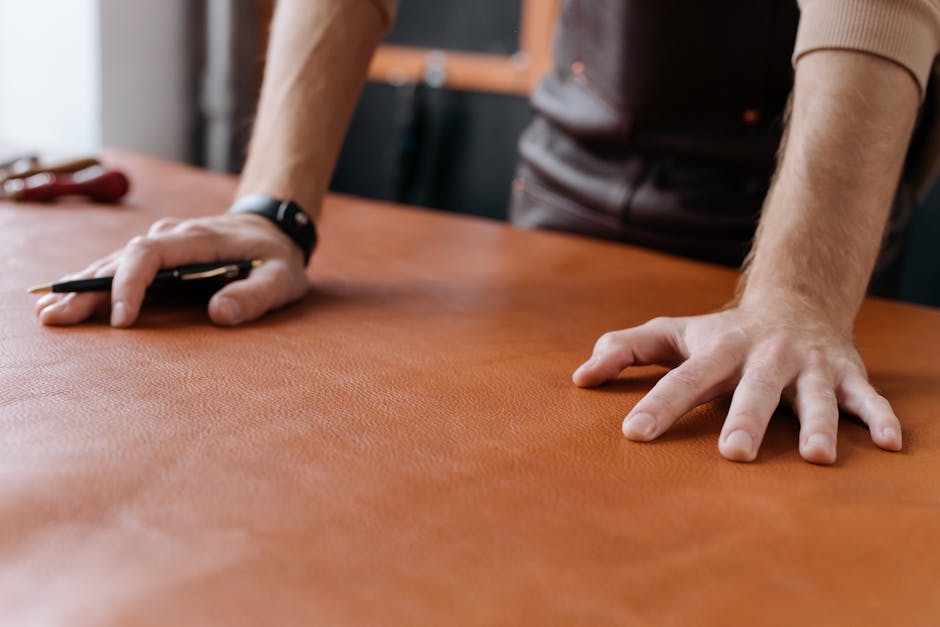
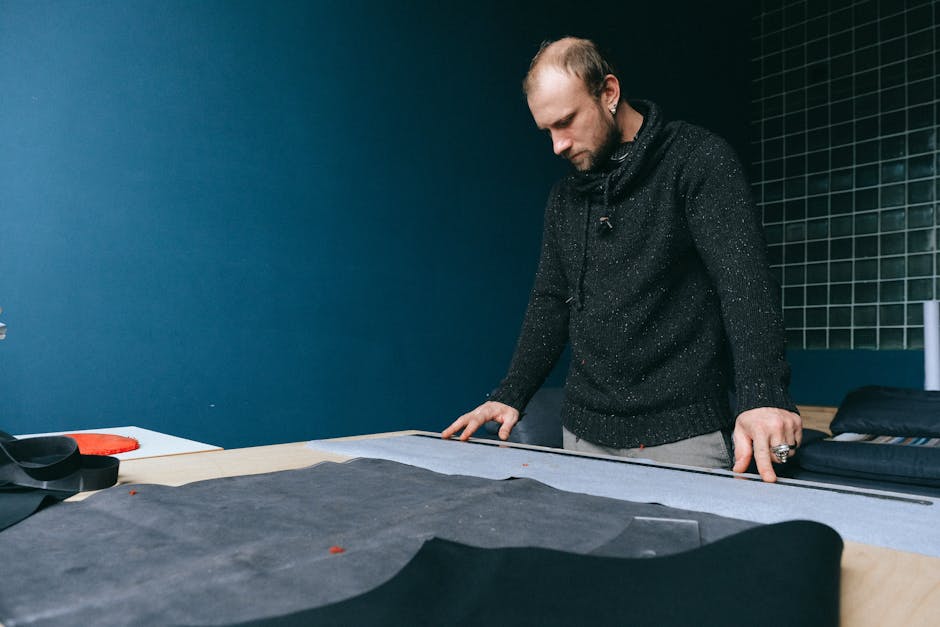
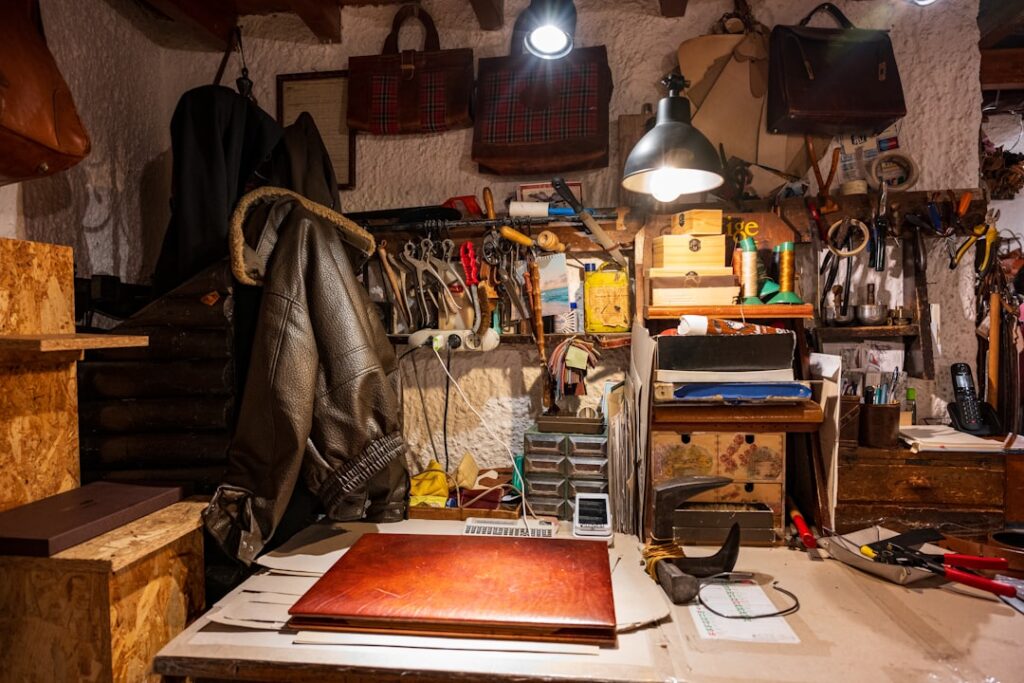
Stepping into a leather workshop in Ostia is about crossing a threshold into a small world where time moves differently. Walls are often lined with tools — mallets, awls, punches, rasps — and half-finished pieces: straps, soles, partly-assembled bags. The masters you’ll meet come from varied backgrounds: former saddlers, shoemakers, leatherworkers, some trained in craft schools in Rome, others self-taught. The mood is focused yet welcoming. Ask for a demonstration and you’ll watch saddle stitch being done by hand, edges burnished with wax and heat, and dyes brushed on in thin layers to build deep, nuanced tones.
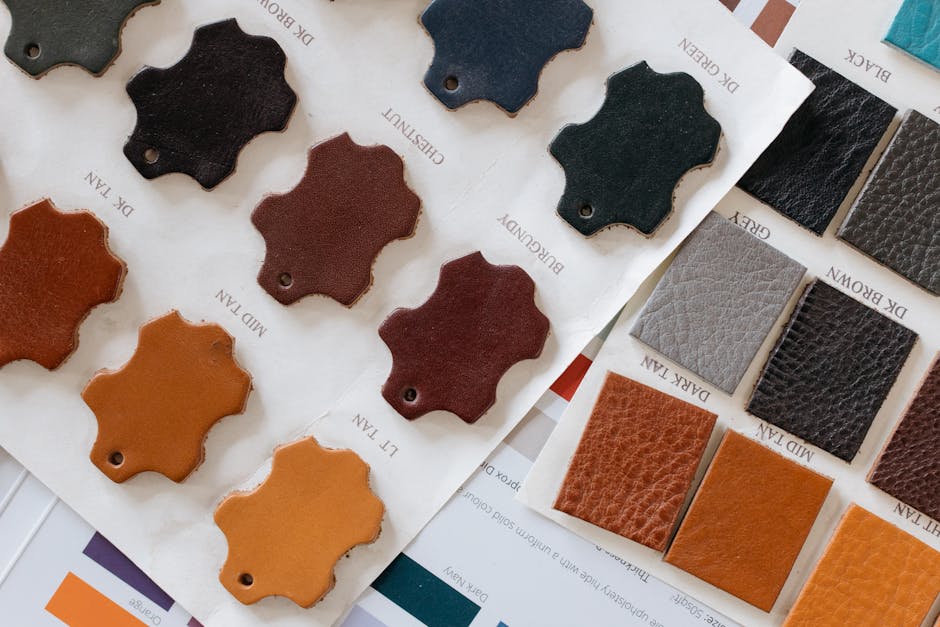
One of the perks of these workshops is the possibility of on-the-spot bespoke work. You can bring a small item to repair — a buckle, an interior pocket — or order a bag made to your dimensions: height, width, leather type (calf, cowhide, full-grain), color and lining choice. Artisans will explain quality differences: full-grain uncorrected leather, corrected leather, split leather, and how treatments (vegetable-tanning vs. chrome-tanning) affect future patina. They’ll also show why hardware matters: solid brass buckles, stainless rivets, or YKK zippers for added longevity.
Don’t forget to ask about the workshop’s history. Many Ostia addresses were founded after World War II or during Italy’s economic boom, when the nearby port and marine industries drove demand for saddlery and straps. Some workshops once supplied items to the navy and later reinvented themselves as fine leather studios. Those stories reveal as much about the local economy as they do about the craft. For a full immersion, prefer a morning visit (between 09:00 and 12:30) when artisans are working and have time to chat.
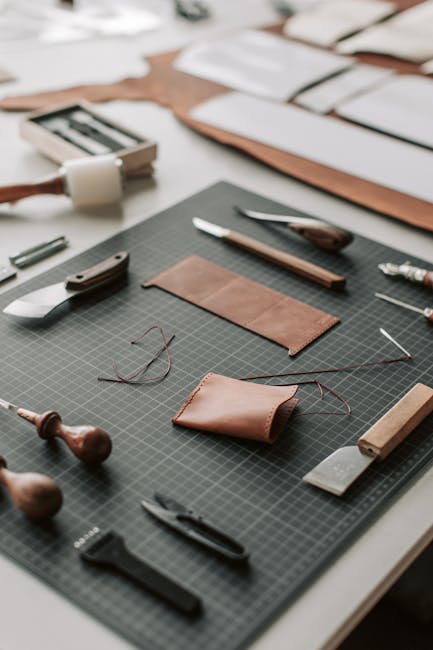
Suggested route: Ostia Antica and Ostia Lido walk to discover the workshops
Plan for a half-day or a full day depending on how deep you want to dive. Here’s a practical route you can do on foot and by local transport from Ostia Antica or Ostia Lido train stations. Start: markets and workshops near Ostia’s historic center (Via delle Baleniere, Piazza Edison). Morning: visit a leather workshop, watch a demo and place a small order; coffee break at Pasticceria « Dolce Mare » for a cornetto. Afternoon: stroll along Lungomare Duca degli Abruzzi where small artisan shops sell phone cases, crossbody bags and belts.
Example stop 1 — Traditional workshop (practical example): arrive at Via dei Romagnoli 717 (entrance to Ostia Antica) to combine archaeology and craft: visit the ruins of Ostia Antica (Via dei Romagnoli, 717, 00119 Ostia Antica RM) if you love ancient history (archaeological park open 09:00–19:00 in high season, tickets around €12 for adults), then catch a bus or taxi to the artisans’ quarter. Example stop 2 — Crafts neighborhood: Via delle Gondole and Via delle Baleniere typically host small businesses and showrooms open roughly 09:00–13:00 and 15:30–19:00. Finish with an aperitivo at the Marina di Roma marina (Viale dei Promontori) to see leather meet sail: winch covers, straps and nautical accessories sit alongside city bags.
Getting there: from Rome take the Roma-Lido line (depart from Piramide station) to Ostia Lido (journey ~30–35 minutes, fares roughly €1.50–3.00 depending on ticket). Local buses (ACTL) serve the craft neighborhoods. If you drive, there’s parking near Piazza della Stazione di Ostia Lido (expect €1.50–2.50/hour depending on the zone). Recommended time: at least 3–4 hours for a relaxed visit (2 workshops + break + strolls), or a full day if you want bespoke pieces made.
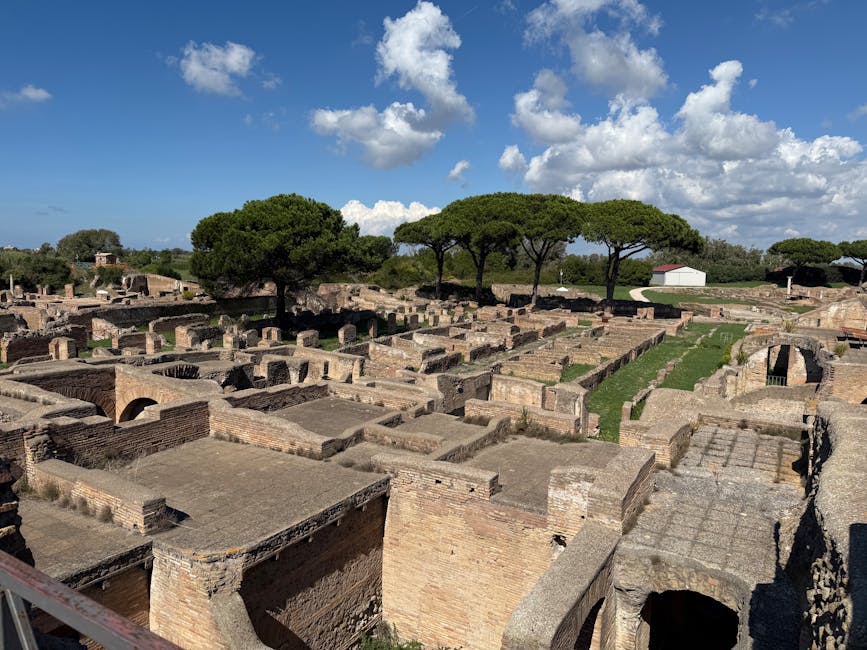
Workshops to visit: names, addresses, opening hours and price ranges
Here’s a curated list of workshops and artisan shops (representative examples around Ostia) with practical info. Note: opening hours are indicative and can change with the season — call ahead to confirm. Prices are meant to give you a rough budget idea.
-
Bottega del Cuoio – Laboratorio Maroquineria
Address: Via delle Baleniere 18, 00121 Ostia (RM)
Opening hours: Tuesday–Saturday 09:00–13:00 / 15:30–19:30 (closed Sunday and Monday)
Indicative prices: repairs €20–50; small pouches €45–90; bespoke bags €180–450 depending on leather and finish.
Description: a family-run workshop specializing in hand stitching and custom patinas. Great for quick repairs or ordering a full-grain calf leather bag. -
Laboratorio Artigianale del Mare – Selleria e Cuoio
Address: Lungomare Duca degli Abruzzi 45, 00121 Ostia Lido (RM)
Opening hours: Monday–Saturday 08:30–12:30 / 16:00–20:00 (Sunday morning local market)
Indicative prices: waterproof sail covers €60–150; belts €35–80; nautical items on order from €80.
Description: specialized in marine items, this workshop also offers small urban collections with brass buckles. -
La Piccola Pelle – Atelier & Showroom
Address: Via delle Gondole 7, 00121 Ostia (RM)
Opening hours: Wednesday–Sunday 10:00–18:00 (Monday and Tuesday by appointment)
Indicative prices: coin purses €25–60; crossbody bags €120–300; dyeing and custom patina €40–120.
Description: a chic shop where you can find finished accessories and watch pieces being made.
How to book: call 24–48 hours ahead to request a demonstration or ask about leather types. For bespoke orders, allow 3 days to 3 weeks for delivery depending on complexity. Payment: cash, cards and often bank transfer for larger orders. Always ask for a detailed receipt/invoice: « ricevuta fiscale » or « fattura » if you need a warranty.
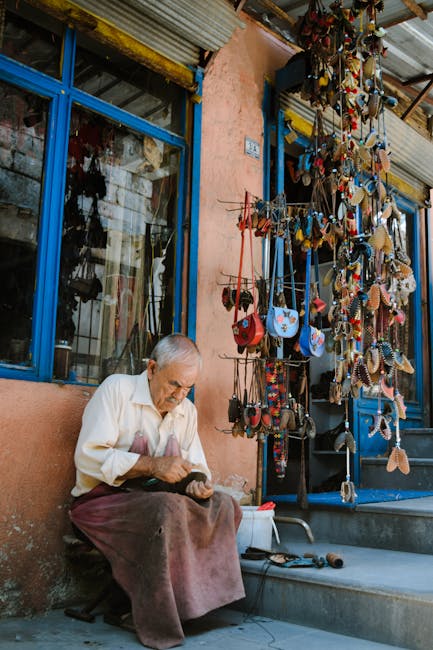
Practical tips, Italian vocabulary and bargaining tips
Taking a little time to learn a few key Italian words will enrich your visit and smooth the conversation. Useful terms: « cuoio » (leather), « pelle » (hide/treated leather), « pelle piena fiore » (full-grain leather), « cucitura a mano » (hand stitching), « riparazione » (repair), « su misura » (custom-made). Start with a simple phrase: « Buongiorno, posso vedere il laboratorio? » — « Good morning, may I see the workshop? » — most artisans will appreciate the politeness and gladly respond.
Bargaining: in Italy negotiations are less aggressive than in some international markets. Expect limited room to haggle on handcrafted items. Instead of asking for a straight discount, offer a small immediate cash payment for a slight reduction (e.g. 5–10%), or request a free personalization (engraved initials, protective sleeve). For larger orders (multiple bags) or several repairs, ask for a written quote and a possible bulk discount.
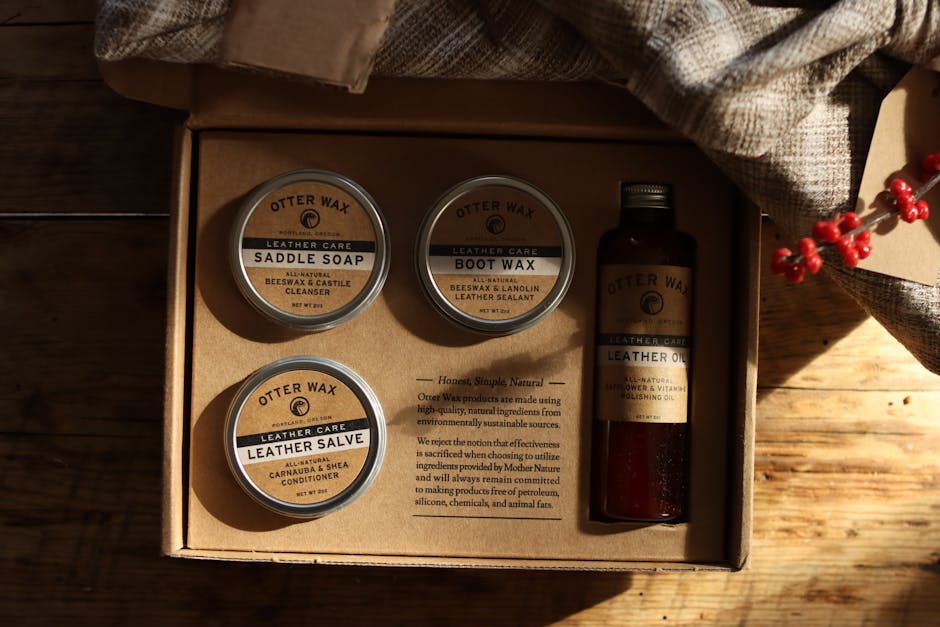
Care tips: ask the leather master how to maintain the patina and care for the item. Recommended products: neutral wax to nourish leather, gentle polish for colored pieces, and a specific oil for vegetable-tanned leathers. Avoid harsh chemicals and prolonged sun exposure. For travel, use a fabric cover and avoid plastic bags that trap moisture.
Respect workshop hours and the artisans’ workspace: don’t enter without knocking, avoid touching tools without permission, and ask before taking photos if you want to keep a visual record. And if you fall in love with a piece, know that buying directly from the maker supports the craft’s transmission — a purchase that helps keep local skills alive in Lazio.
Conclusion: how this workshop walk transforms your trip to Ostia
Visiting Ostia’s leather masters is more than buying an accessory: it’s connecting with a material culture that links handwork to local identity. Workshops tell the story of a place oriented toward the sea and tradition, where necessity shaped durable, beautiful techniques. Choosing a piece direct from the artisan means you’re choosing traceability, a story and a quality often missing from mass-produced goods. Leather ages, develops patina and interacts with your daily life: it becomes the memory of your journey.
Practically speaking, the visit is accessible: Ostia is close to Rome, served by the Roma-Lido, and workshops are usually open in the morning and late afternoon. Bring varied payment options, request a quote for bespoke work and give time to conversation — artisans often have anecdotes about materials and the strangest commissions and love sharing their skills. Carry a few euros in cash for a small tip or a quick repair, and jot down the workshop’s name and address if you want to come back.
Finally, remember that buying local impacts Lazio’s cultural economy. By supporting an Ostia workshop you help preserve a craft and bring home an object full of history and emotion. Whether you’re after a sturdy belt for hiking, an elegant bag that improves with age, or simply an authentic experience, a walk through Ostia’s leather workshops delivers on its promise: authenticity, craftsmanship and the beauty of the hand-made gesture.