




Introduction — A night in a yurt among olive trees near Rome: a promise of immersion
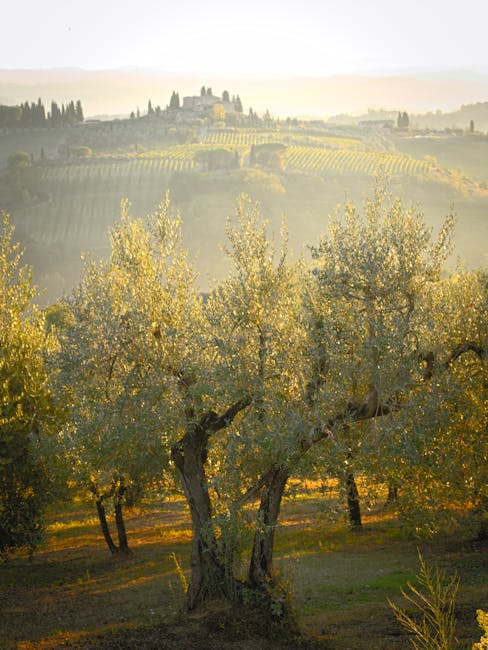
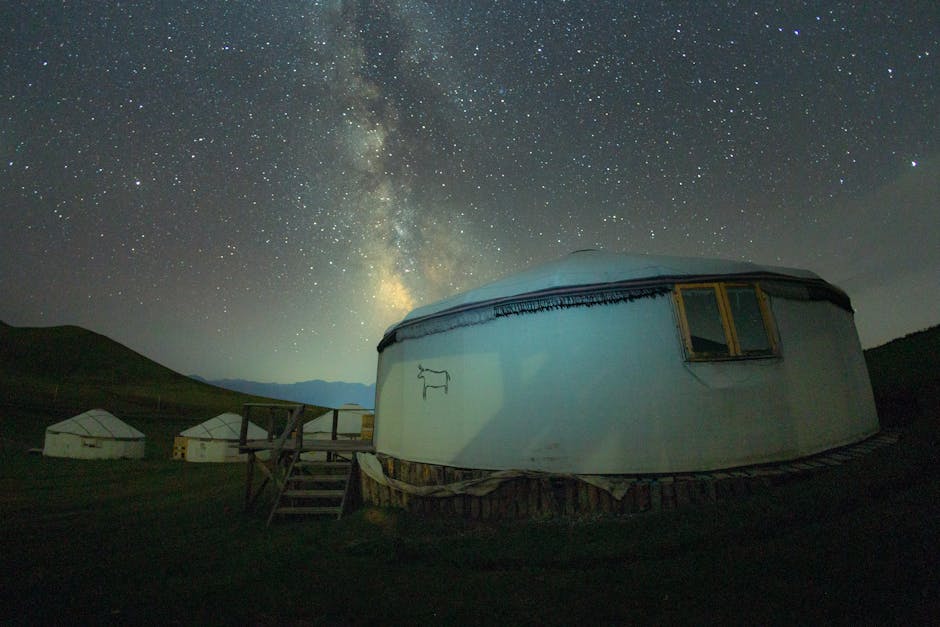
Picture this: the sun slides down behind the hills of Lazio, a warm breeze stirs the silver leaves of century-old olive trees, and you drop your bags into a round yurt draped in embroidered fabrics and warmed by a small wood stove. All less than an hour from the Eternal City, this scene offers a full sensory pause: smells of earth and resin, birdsong, a star-filled sky with no light pollution. Spending a night in a yurt among olive trees near Rome isn’t just quirky accommodation — it’s a slowdown, a reconnection with nature’s rhythms and the rural crafts of Lazio.
Lazio is a region of sharp contrasts: on one side, Rome’s ancient ruins and bustling squares; on the other, olive groves, Roman villas, thermal baths and tiny medieval villages. Yurts sit between boutique camping and traditional lodging. Often run by agriturismi or glamping sites set in olive groves around villages like Trevignano Romano, Bracciano, Cerveteri or Tivoli, yurts range from fully equipped (private bathroom, kitchenette, comfy bed) to stripped-back (bed, stove, composting loo). Their main draw is the sensory experience: hearing rain on canvas, spotting the Milky Way through the roof lantern, sharing a wood-fired meal with local hosts.
This guide will help you plan your yurt night in Lazio: how to get there from Rome, nearby must-see sites (Villa Adriana, Villa d’Este in Tivoli, the Etruscan necropolises of Cerveteri), exact addresses for markets, restaurants and services, indicative prices, opening hours and — very important — practical tips to enjoy the stay without surprises. You’ll also find transport recommendations, local etiquette, weather and safety advice, plus itinerary ideas to extend your trip: a morning at Roman baths, an afternoon on the shores of Lake Bracciano, or a sunset walk through an olive grove.
Whether you’re after a romantic escape, a photographer chasing golden light, a family introducing kids to nature, or a foodie keen to taste local olive oil, a night in a yurt among the olive trees near Rome will be memorable. Below we list places, addresses, opening times and prices so you can plan your getaway in practical detail.
Where to pitch your yurt: sample addresses and practical details (how to choose)
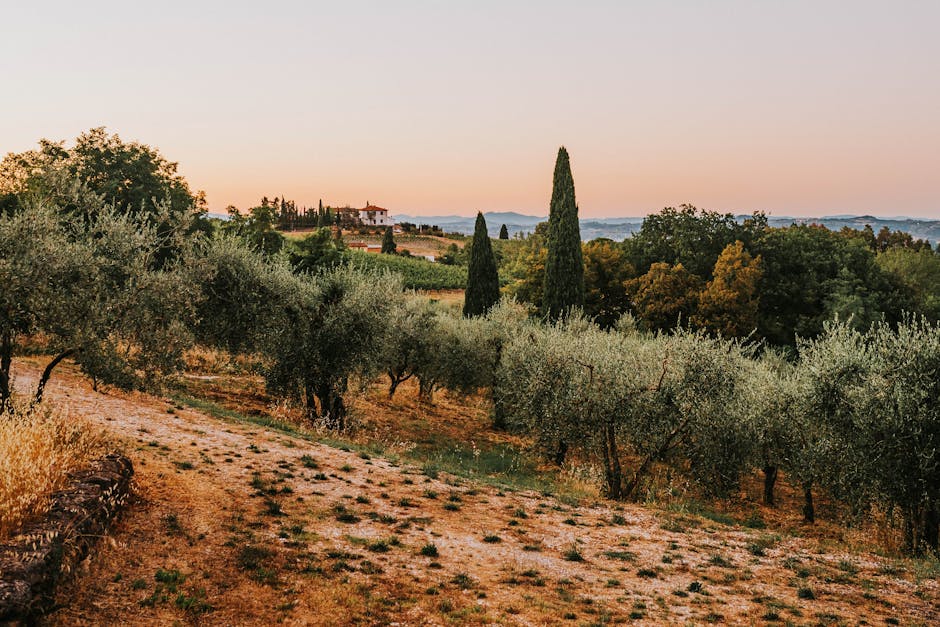
Across Lazio several properties offer yurts tucked into olive groves. Here are three representative examples — with addresses, indicative rates and services — to help you choose based on what you’re after. Note: prices vary by season (low season October–March, high season April–September).
- Agriturismo Le Querce della Sabina — Via della Fonte, 12, 02033 Magliano Sabina RI. Phone: +39 0761 123456. Price: double yurt €95–130/night (breakfast included). Check-in 15:00–20:00, check-out by 11:00. Services: private bathroom, wood-stove heating, dinner on request featuring farm products. Annual closure varies (usually mid-January for maintenance).
- Glamping La Collina degli Ulivi — Località Poggio al Sole, 00060 Trevignano Romano RM. Phone: +39 06 9876543. Price: deluxe yurt €120–180/night (breakfast and transfer from Bracciano train station extra €20). Check-in 16:00–19:30, check-out 10:00. Services: shared kitchenette, olive-farm activities (olive oil tasting), kayaking on Lake Bracciano 10 minutes away.
- Eco-Yurt Casale di Tivoli — Strada Vicinale San Silvestro, 7, 00019 Tivoli RM. Phone: +39 06 5554321. Price: €80–140/night depending on comfort (composting toilet or bathroom). Check-in after 15:00, barbecue evenings on reservation. Mozzarella-making workshop one weekend a month (€30 per person).
Which yurt you choose depends on the experience you want: agricultural immersion, boutique comfort or an eco-educational stay. Always check whether breakfast and bedding are included, whether heating is available, and what type of sanitary facilities you’ll have. In low season most heated yurts are comfortable but bring warm clothes and slippers: canvas retains less heat than a solid wall.
Activities and cultural visits nearby: day-trip routes from your yurt
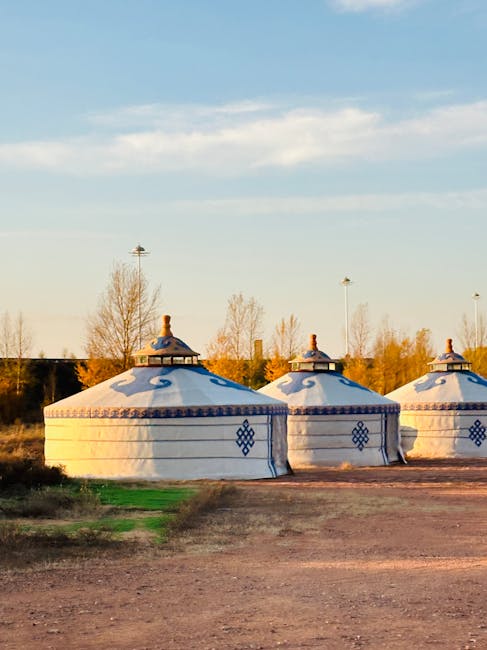
A yurt in an olive grove suits half-day chill-outs as well as nearby cultural excursions. Here are three practical day routes with addresses, opening times and prices for Lazio highlights within easy reach of Rome.
Route 1 — Tivoli and its villas: Villa d’Este and Villa Adriana
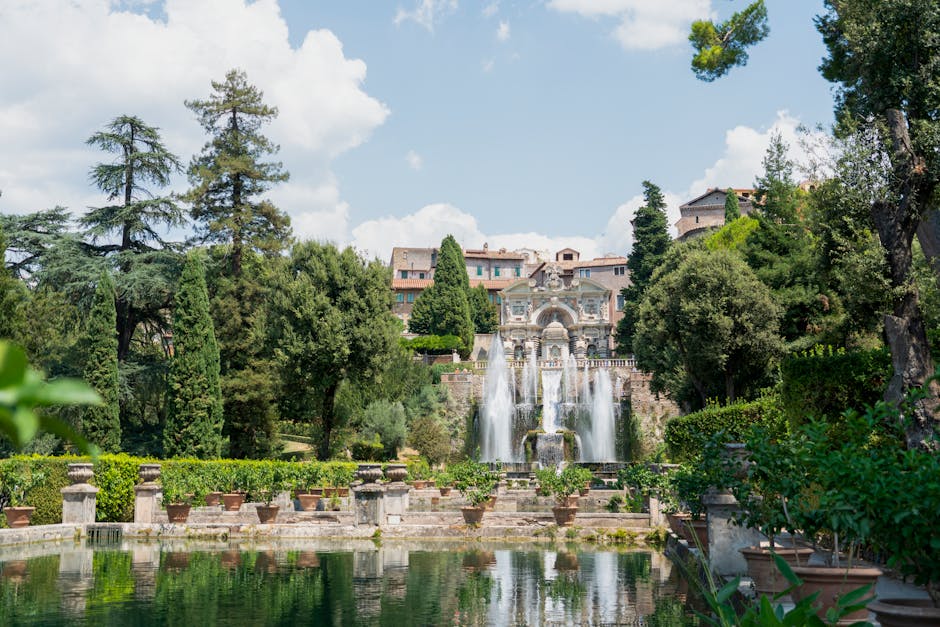
Start at Villa d’Este (Piazza Trento, 5, 00019 Tivoli RM). Opening hours: generally 8:30–19:30 (seasonal variations). Price: combined ticket Villa d’Este + Villa Gregoriana about €8–12 (reduced fares for students and seniors). Description: terraced gardens, Renaissance water features and fountains — perfect for an early sunrise stroll or an afternoon of photography.
Continue to Villa Adriana (Via di Villa Adriana, 5, 00010 Tivoli RM). Opening hours: 9:00–19:00 (variable). Price: €10–12 adult. Description: a vast Roman complex (the emperor Hadrian’s residence) with ruins, pools and thermal structures; allow at least two hours and wear good walking shoes.
Route 2 — Lake Bracciano and Odescalchi Castle
Address: Castello Odescalchi di Bracciano, Piazza Mazzini, 1, 00062 Bracciano RM. Visiting hours: 10:00–18:00 (weddings on Sundays), price: guided tours €10–15. Description: a medieval castle overlooking the lake, ideal for sunset views from the ramparts. After visiting, stroll along the lakefront promenade or rent a boat from the Bracciano harbor (Via del Porto, 00062 Bracciano RM).

Route 3 — Cerveteri and the Etruscan necropolis
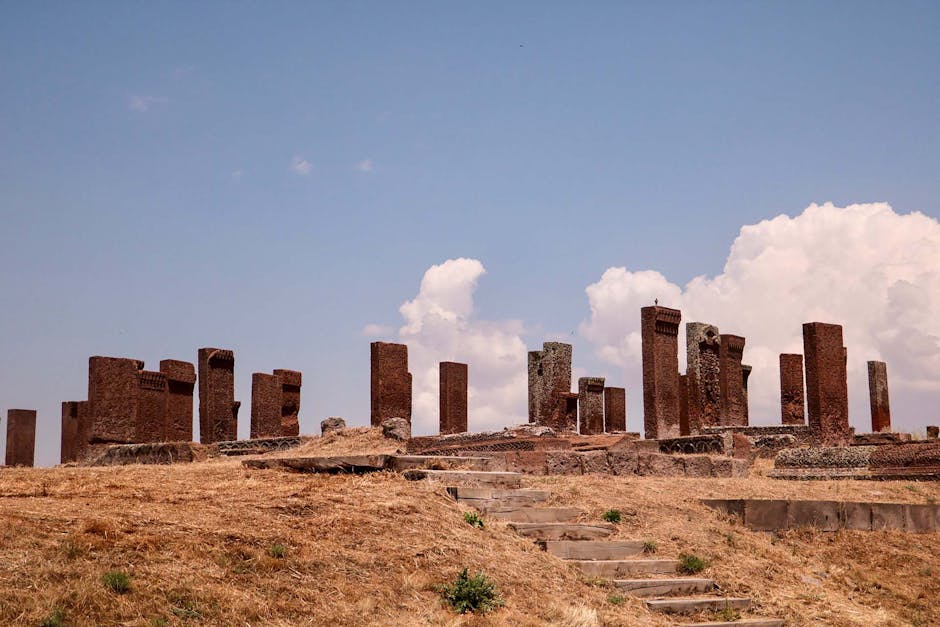
Address: Necropoli della Banditaccia, Via S. Savino, 1, 00052 Cerveteri RM. Opening hours: 9:00–19:00 (seasonal). Price: €8–12 entry. Description: an UNESCO-listed Etruscan burial site with tumulus tombs — perfect for understanding the area’s prehistoric and ancient history before dinner featuring local olive oil and fresh pasta.
Local practical tips: transport, weather, food and safety
Transport from Rome: most yurts around Rome are reachable by car in 40–80 minutes. Renting a car is recommended for flexibility (rental agencies: Europcar, Via Veneto 35, Rome; Hertz Termini station). For train travelers: Roma Termini → regional trains to Tivoli (FL2 line) or Bracciano (FL3 line toward Viterbo, get off at Bracciano). Private transfers from Rome typically cost €50–100 depending on distance. Always double-check your host’s exact address and ask for directions for the final country-lane stretch.
Weather and best time to go: spring (April–June) and autumn (September–October) offer pleasant temperatures (15–25 °C) and fewer crowds; summer (July–August) can be hot and dry but great for swimming in the lakes; winter (Dec–Feb) is cooler and some yurts close or reduce services. Always pack walking shoes, a headlamp, a power bank, layerable clothing and a windproof jacket.
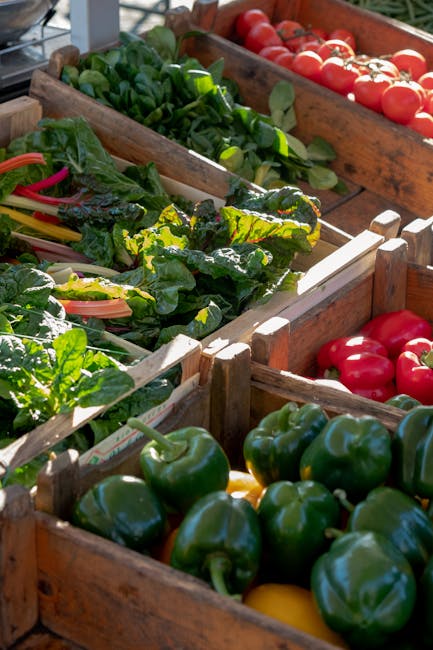
Food: don’t miss the local extra-virgin olive oil (Frantoio del Lago, Via del Frantoio, Trevignano Romano — tastings €10–20). Nearby restaurants: Ristorante La Porta di Ponziani, Piazza del Plebiscito 2, Tivoli — menu €25–50; Trattoria Da Mario, Via Roma 15, Bracciano — homemade pasta €10–18. Recommended markets: Mercato di Campagna Amica, Piazza Garibaldi Tivoli, Saturday morning 08:00–13:00 (local farm products).
Safety and good neighborliness: respect farm schedules if the yurt is on a working property (farmers often start early). Follow fire-safety rules — olive groves are fire-prone, especially in summer. If you want a campfire, get permission and follow instructions. Regarding electricity and water: some yurts are off-grid and use generators or solar panels; bring a torch and charge devices before nightfall.
Immersive experience: a typical one-night itinerary and tips for an unforgettable stay
Here’s a typical timeline to make the most of a night in a yurt among the olive trees, from arrival to departure, with practical tips:
- Afternoon arrival: aim to arrive between 15:00 and 18:00 so you have time to settle in and tour the property. On arrival, walk the grounds with the host: locate the toilets, water source, towel hooks and emergency instructions.
- Olive-grove walk: take a 45–90 minute walk at sunset. Photograph the golden light on twisted trunks and note the best vantage points for sunrise shots.
- Dinner: choose an on-site meal if the farm offers it (menus from €18–35 per person) or pack a picnic made with purchases from the local market. Sample menu: bruschetta with new oil, pappardelle with local ragù, pecorino cheese and local wine (bottle €10–20).
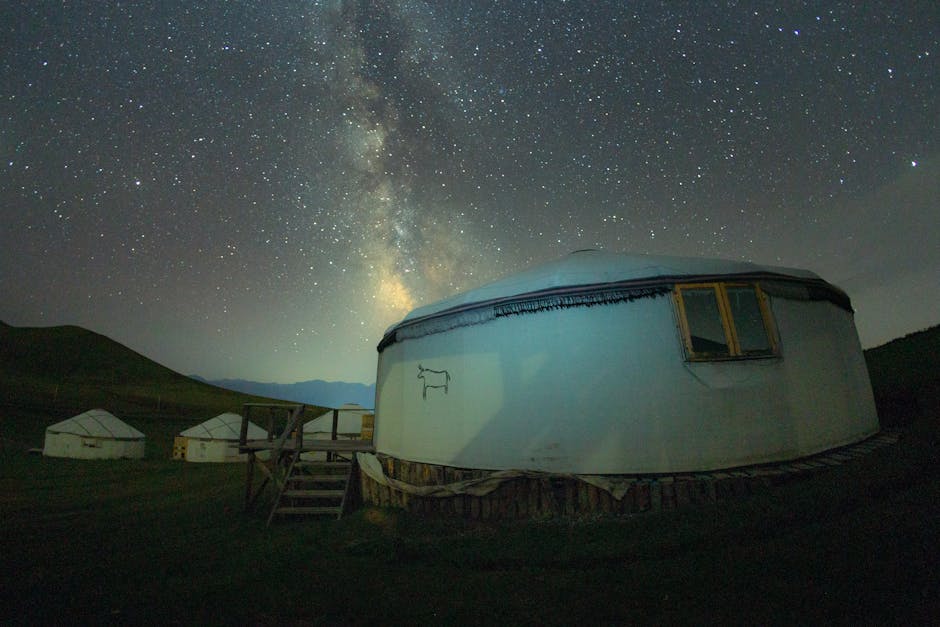
- Evening: light the stove (if provided) and enjoy a cozy night under the roof lantern. Listen to the silence — sometimes you’ll hear owls or a passing fox. Avoid noisy devices to preserve the atmosphere.
- Night: canvas can echo more than walls; if you’re sensitive to cold, sleep in layers (thermal tee + fleece) and use a hot water bottle if available. Clear nights often offer outstanding stargazing — bring binoculars or an astronomy app.
- Morning: natural wake-up, farm-style breakfast with homemade bread, jams, local honey and olive oil. Before you leave, ask the host for tips on nearby sites or where to buy olive oil directly from the producer (often cheaper, around €8–15/litre depending on quality).
Accessibility: some yurts are family-friendly, others better suited to couples; check car access and the presence of steps if you have reduced mobility. Above all, respect the quiet: the absence of neon lights and noise is a big part of rural charm.
Quick practical summary
- Indicative yurt prices: €80–180/night depending on comfort.
- Transport: car recommended; regional trains FL2/FL3 from Roma Termini.
- Nearby sites: Villa d’Este (Piazza Trento, 5, Tivoli), Villa Adriana (Via di Villa Adriana, 5, Tivoli), Castello Odescalchi (Piazza Mazzini, 1, Bracciano), Necropoli della Banditaccia (Via S. Savino, 1, Cerveteri).
- Safety tip: respect fire bans, check heating and water before nightfall.
Conclusion — Why choose a yurt among the olive trees, and how to prepare your stay
Spending a night in a yurt among olive trees near Rome in Lazio offers a twofold reward: immersion in Mediterranean nature and proximity to unmatched cultural treasures. This experience blends the authenticity of farm stays, the comfort of unusual accommodation and easy access to sites like Villa d’Este, Villa Adriana, Lake Bracciano and the Etruscan necropolis of Cerveteri. For the modern traveler it’s a chance to unplug, slow down and feel the sense of place — smell fresh olive oil, taste farm products, and watch the light change over Lazio’s hills.
To prepare your escape: book ahead, especially in high season; confirm what’s included (heating, breakfast, sanitary facilities); plan your transport (car or private transfer); and pack the right gear (walking shoes, torch, warm night clothes). Don’t hesitate to ask hosts for local tips — they’re often the best guides to secret trails, the farms selling the best oil, or the perfect hour to photograph a thousand-year-old olive.
Finally, treat the night as an act of sustainable tourism: favor small family-run businesses, buy local, respect the environment and leave the place as clean (or cleaner) than you found it. Lazio, with its olive groves, ancient villas and lakes, offers activities that can be leisurely or packed depending on your mood. A yurt in the heart of the olive trees promises an intimate, authentic memory: a golden sunrise, the crackle of a wood fire, the bright bite of fresh olive oil and, above all, the rare sensation of slowing the world for a night.