





Introduction: Cooking as a Craft in Lazio
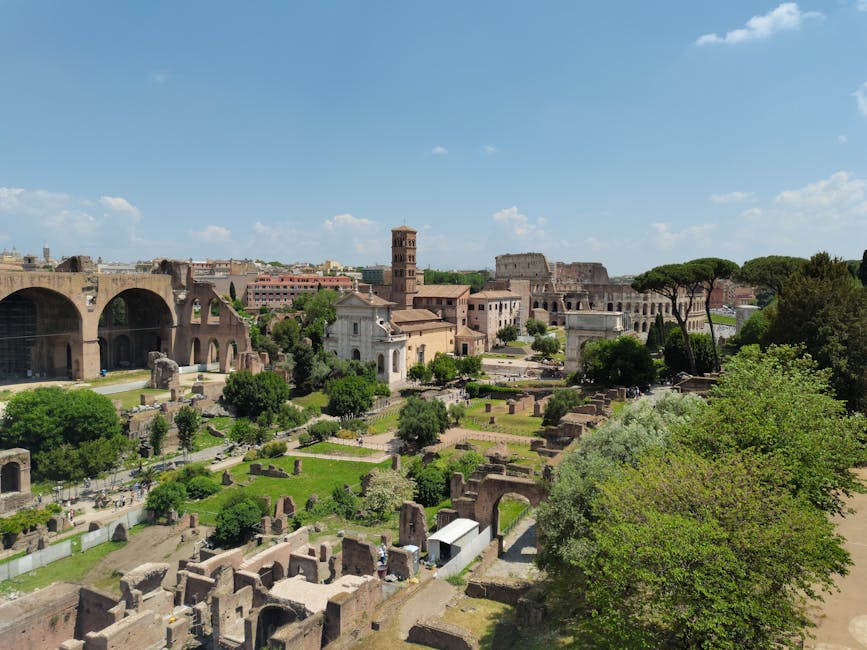
Lazio, the region surrounding Rome, is more than an open-air museum where history shows itself around every corner — it’s also a place where cooking is treated like a craft. Homemade pasta workshops are flourishing, passed down through families, and offer travelers the chance to learn hands-on techniques, hear local food stories, and taste exceptional ingredients. This guide takes you into that lively, authentic scene, with concrete workshop recommendations, exact addresses, prices in euros, opening times, and practical tips to get the most from your experience.
Whether you find yourself in Rome’s winding streets of Trastevere or in the peaceful hills of Frascati and the Castelli Romani, making pasta at home (pasta fatta in casa) is often the centerpiece of a memorable day. Workshops vary widely: some take place in small urban cooking schools, others on rural farms where herbs are picked before kneading semolina, and some in historic homes turned into teaching spaces. The focus is always on dough proportions, mastering the mix (flour, semolina, eggs or water), shaping techniques (tagliatelle, orecchiette, ravioli, tonnarelli), and pairing with simple yet intense sauces (meat ragù, slowly cooked tomato sauce, butter and sage).
In this guide, every workshop listed includes practical details: exact address (to make booking easier), price in euros (so you can budget), hours (to plan your trip), and an immersive description of the atmosphere and techniques taught. You’ll also find local tips — how to get there, what to wear, whether the class is kid-friendly, and what to book in advance. This isn’t just a directory: it highlights the philosophy of the workshop as a craft, the idea that cooking is a manual and cultural skill worth preserving.
Beyond addresses and schedules, I offer suggestions to extend the experience: where to taste master-made pasta, which fine food shops to visit for semolina and utensils, and how to bring home edible souvenirs that tell the story of Lazio. Pack your apron, sharpen your curiosity, and let yourself be guided — cooking as a craft awaits, between expert hands and time-honored gestures, in the very heart of Lazio.
1) Rome: Workshops at the Heart of Urban Tradition
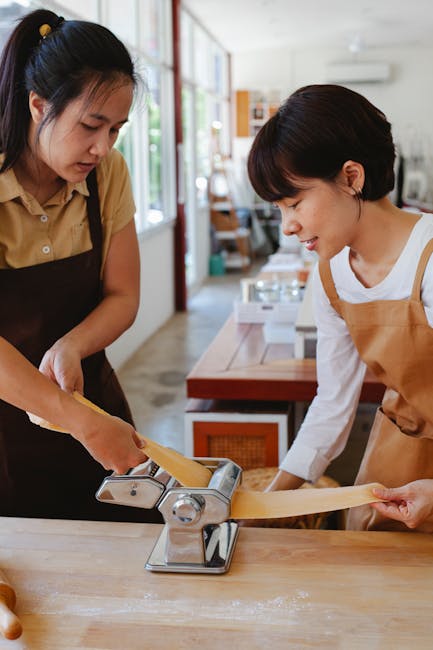
Rome offers a wide variety of homemade pasta workshops, from the historic center to bohemian neighborhoods. A flagship workshop is La Cucina del Borgo, located at Via della Lungaretta 45, 00153 Roma RM. Price: €65 per person for a 3-hour class (kneading, shaping, cooking, lunch with wine). Hours: Tuesday to Sunday, 10:00–13:00 and 15:00–18:00. Description: set in a typical vaulted cellar in Trastevere, the workshop hosts 8 to 12 participants. The emphasis is on fresh egg pasta: tagliatelle, pappardelle and tortellini. Participants learn to make the dough, use a rolling pin and pasta machine, and prepare a ricotta-and-spinach filling for ravioli.
Another address: Osteria dei Mestieri – Scuola di Pasta, Via Nazionale 221, 00184 Roma RM. Price: €80 per person for a 4-hour workshop including tasting and a recipe sheet. Hours: Monday, Wednesday, Friday 17:00–21:00; Saturday 10:00–14:00. Description: located near Termini station, this modern space blends pedagogy with conviviality. The chefs stress the difference between semola rimacinata di grano duro and 00 flour, demonstrate how to work the dough without over-elasticizing it, and offer regional variations (tonnarelli cacio e pepe, strozzapreti al ragù).
Practical tips in Rome: choose morning classes to avoid summer heat. Book 2–3 weeks in advance during high season. Wear comfortable clothes and bring a small bag to carry raw pasta home (it can be dried at home). Public transport is convenient: Trastevere is reachable by taxi or buses 8/23 from the station; Via Nazionale is accessible from Vittorio Emanuele (metro lines A/B).
2) Castelli Romani and Frascati: Workshops Among Vines and Olive Trees
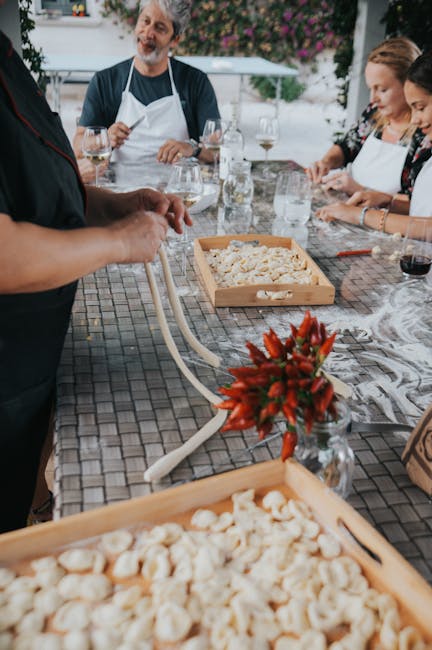
About thirty kilometers southeast of Rome lies the Castelli Romani region, known for rolling hills, wines (notably Frascati), and farm-fresh produce. In this countryside setting, several workshops combine pasta-making with herb picking and local wine tasting. A standout example is Azienda Agrituristica La Torretta – Pasta & Vine, Via Tuscolana km 22.500, 00044 Frascati RM. Price: €75 per person (3-hour workshop + tasting of 3 wines); children’s rates: €40 (ages 6–12). Hours: Saturday 10:00–13:00 and Sunday 15:00–18:00. Description: an outdoor workshop among the vines, relaxed and instructive. Participants learn to make orecchiette and strozzapreti, then sit down for a tasting of Frascati Superiore and local extra virgin olive oil.
Another option: Scuola di Cucina Castelli, Via di Grottaferrata 12, 00044 Grottaferrata RM. Price: €60 per person for a 2.5-hour class; family package (2 adults + 1 child): €150. Hours: Tuesday to Sunday, 09:30–12:00 and 16:00–18:30. Description: held in a renovated farmhouse, instructors focus on terroir ingredients: local flour, free-range eggs, and herbs picked in the morning. The venue also offers a « pasta ripiena » module (ricotta ravioli with mountain herbs).
Local tips: combine the workshop with a cellar visit and a trattoria lunch to see how fresh pasta fits into the regional menu. If you visit in autumn, bring a light jacket — evenings can be cool even on warm days. Check transport options: it’s easier to come by car or as part of an organized day trip from Rome. Don’t forget to buy some olive oil and wine to bring home — producers often give workshop participants special prices.
3) Tivoli and the Sabina: Workshops in Historic Villas and Rural Countryside
Tivoli, famous for Villa d’Este and Hadrian’s Villa, also hosts culinary workshops rooted in artisanal traditions. A recommended class is Villa Cucina – Pasta Workshop, Via di Villa Adriana 19, 00019 Tivoli RM. Price: €85 per person for a 3.5-hour workshop including an aromatic garden tour and final lunch. Hours: Wednesday to Sunday, 10:00–13:30. Description: set in an outbuilding of a historic villa, this refined experience teaches ravioli and gnocchi shaping, the use of fresh herbs from the garden (mentuccia, lemon basil, arugula), and pairings with local wines. The atmosphere encourages slow, focused learning; space is limited to 10 people to preserve intimacy.
To the east, the Sabina region offers more rustic, farm-based workshops tied to rural life. For example, Antica Fattoria Sabina – Pasta & Traditions, Strada Provinciale 18, 02031 Antrodoco RI. Price: €55 per person (2-hour workshop + tasting); picnic option: €25 extra. Hours: Saturday 09:30–12:00; Sunday 15:00–17:30. Description: this farm runs family-friendly classes. Methods are straightforward, centered on semolina and water doughs for rustic shapes like fusilli or maccheroni. Children can get involved, and the farm offers complementary activities (harvest, cheesemaking).
Practical advice: pair your workshop with a cultural visit (Villa d’Este in Tivoli) but allow extra time for parking. In Tivoli the streets can be narrow; choose a taxi if you’re coming from Rome without a car. In Sabina, roads are hilly — a car is recommended. Always ask if aprons and equipment are provided; some venues charge a €5–10 supplement if you want to take home a personalized apron or a handmade pasta board.
4) Ostia and the Coast: Briny Workshops and Lighter Techniques
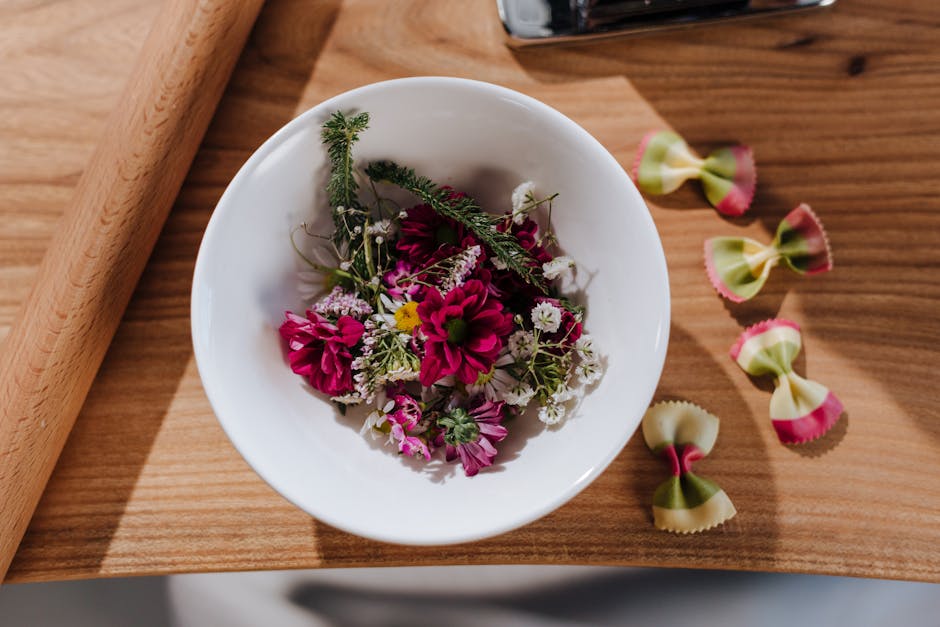
Lazio’s coastline, notably Ostia, offers a seaside twist on pasta classes: sauces and pairings favor fish, seafood, and bright herbs. A notable workshop is Marina Pasta Lab, Via dei Romagnoli 450, 00121 Lido di Ostia RM. Price: €70 per person (3-hour workshop + tasting of dishes and a glass of wine); student reduced rate: €50. Hours: daily 11:00–14:00 and 18:00–21:00. Description: in a bright space steps from the beach, chefs teach how to prepare long and short pasta and season them with seafood sauces: vongole, calamari, bottarga. Participants also learn to make egg-free fresh pasta suited to fish-based dishes.
Another seaside option: Bagno & Cucina – Pasta by the Sea, Viale dei Promontori 12, 00054 Fregene RM. Price: €90 per person for a class that includes a short lesson on marine condiments and a lunch. Hours: Thursday–Sunday 09:30–13:00. Description: hosted in a renovated former beach house (bagni), the workshop benefits from sea air to present light recipes and quick-cooking techniques. Participants leave with practical sheets to recreate seafood sauces at home.
Local tips: in summer book morning or evening classes to avoid the heat. Bring a cap and sunscreen if part of the class is held on a terrace. If you plan to bring fresh fish home, check airline transport rules. For a longer-lasting souvenir, buy bottarga (dried mullet roe) or artisan anchovy fillets in local shops; they travel better than fresh products and will extend Lazio’s flavors in your kitchen.
5) Viterbo and the Tuscia: Medieval Workshops and Peasant Recipes
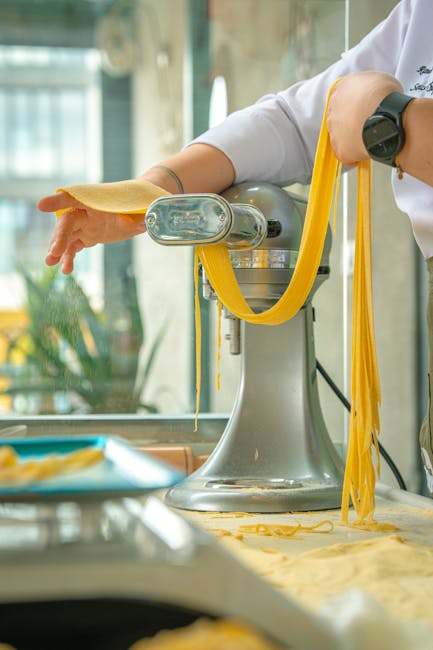
Farther northwest in the province of Viterbo — the Tuscia — workshops blend peasant traditions with medieval techniques. A notable class is Laboratorio Pasta Viterbo, Via San Lorenzo 7, 01100 Viterbo VT. Price: €50 per person for 2 hours; options with lunch: €85. Hours: Friday–Sunday 10:00–12:00 and 15:00–17:00. Description: in the city center, this small lab occupies a restored old bakery. Courses cover pasta made from local flour, typical stuffed shapes (ricotta ravioli with herbs), and wood-fired cooking. The medieval setting adds historical depth to the practice.
In the countryside, Casale della Tuscia – Pasta & Hearth, Strada Provinciale Farnese 3, 01010 Farnese VT, offers an immersive workshop. Price: €65 per person (3-hour workshop + tasting); private group: €300 (up to 8 people). Hours: Saturday 09:00–12:00; weekday bookings by request. Description: set in a restored casale, the focus is on peasant recipes — semolina pasta, sage sauces, and seasonal vegetable accompaniments. Participants can try cooking pasta in large copper pots and learn the art of Italian family-style serving.
Practical tips: Tuscia is ideal off-season (spring, autumn) to avoid midsummer heat. Roads can be narrow — a car is recommended. Ask in advance about vegetarian or gluten-free alternatives; many venues adapt classes on request. Buy local flour and a small handmade rolling pin to bring back a practical, lasting souvenir.
Conclusion: Bringing the Craft of Pasta Home
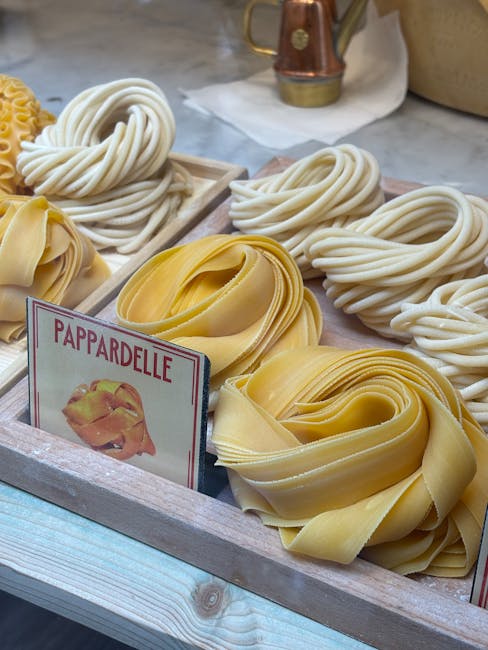
Homemade pasta workshops in Lazio offer far more than a cooking class: they are moments of transmission, encounters with a place and its flavors, spaces where people reconnect around the table. Whether you choose an intimate lesson in a Trastevere cellar, a countryside workshop among the vines of Frascati, or a coastal experience in Ostia, each venue teaches you to see pasta not just as food, but as an object shaped by gestures, tools, and inherited know-how.
Before you go, keep a few practical tips in mind: book ahead, especially in high season; ask about the language of instruction (many workshops offer English sessions on request); check accessibility if you’re traveling with children or people with reduced mobility; and review cancellation policies. Bring airtight containers if you want to take fresh pasta or condiments home, and write down producers’ names so you can find them after your trip.
Finally, turn the experience into a personal project: make the recipes regularly, adapt them to ingredients at home, and share the techniques with loved ones. Pasta as a craft isn’t a one-off performance — it’s a living practice renewed at every table where people take the time to knead, shape, and eat together. Lazio, with its variety of workshops and rich terroirs, is a perfect starting point for anyone wanting to learn and then pass the knowledge on. Safe culinary travels — or, as they say in Italian, buon appetito e buon lavoro!