





Introduction
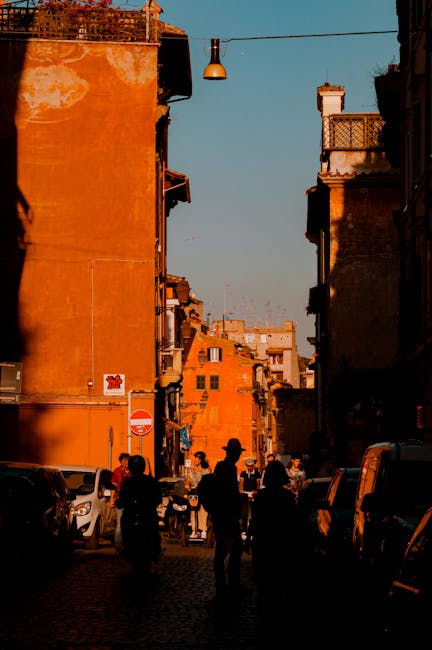
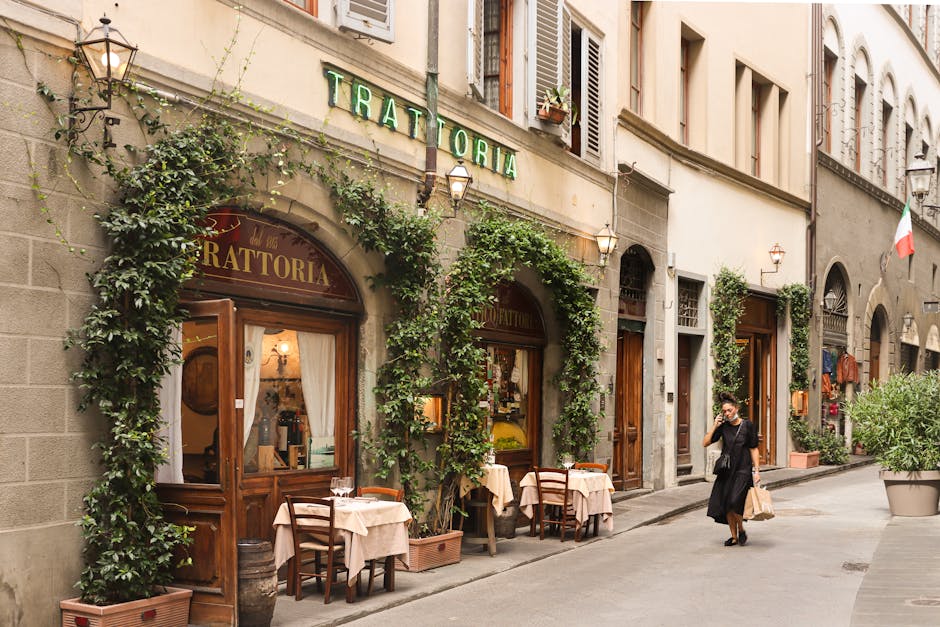
Lazio — Regione Lazio in Italian — is much more than a backdrop for ancient ruins and world-class museums: it’s also the cradle of a deeply rooted popular cuisine, passed down through generations in small rooms with checkered tablecloths known as « trattorie. » Exploring Roman trattorie is like stepping back in time: you taste dishes born in family kitchens, breathe in the aroma of a slowly simmered sugo, hear the clink of glasses and cutlery, and rub shoulders with regulars sharing a bench at the counter. This article takes you into the heart of Lazio, from Rome to its historic outskirts, celebrating places where old-school cooking endures in settings that are often modest but always authentic.
Roman trattorie don’t just serve food: they tell a story. A story of simple ingredients — pasta, seasonal vegetables, pork, offal — transformed into refined recipes by a cook’s skill. A story of places where conviviality rules; where service may come with a touch of regional accent or a knowing wink; and where people come as much to feel at home as to be fed. Roaming Lazio, from Trastevere to Testaccio, down alleys near the Pantheon to the hills surrounding Rome, you’ll find trattorie whose recipes carry traces of different eras: rural influences, Roman-Jewish heritage, Baroque legacies, and even the imprint of maritime trade.
This immersive guide gives you not only a curated list of emblematic spots — with exact addresses, opening hours and price ranges — but sensory descriptions for each stop: the light at service time, the sound of pots and pans, the texture of a cacio e pepe made to order. You’ll also find practical tips for navigating local etiquette (to reserve or not, when to arrive to avoid waiting, how to order antipasti, wine by the glass or a carafe), and advice on spotting a genuine trattoria versus an over-touristy experience. Get ready to savor carbonara, amatriciana, coda alla vaccinara, pajata for the more adventurous, and rustic desserts like pangiallo or a homemade crostata — often paired with a well-chosen glass of Frascati or Cesanese.
Whether you’re a curious foodie, a nostalgic traveler, or a Lazio local hunting for new addresses, this route invites you to come in, sit down and let the flavours of the past carry you away. Each trattoria described here is a doorway into the region’s culinary soul — from historic places near landmarks to small family-run spots tucked in narrow streets — all ready to serve a meal that feels like a shared memory.
The history and soul of Roman trattorie
The Roman trattoria has its roots in the peasant and working-class cooking of Lazio. Unlike the osteria, which once focused mainly on wine and a few simple dishes, the trattoria specialized in serving full meals at affordable prices, often in family-run premises. Over the 19th and 20th centuries, these venues crystallized techniques and recipes: cacio e pepe born from transhumant shepherds, carbonara associated with laborers (and later soldiers), and coda alla vaccinara, a legacy from neighborhoods that prized every part of the animal.
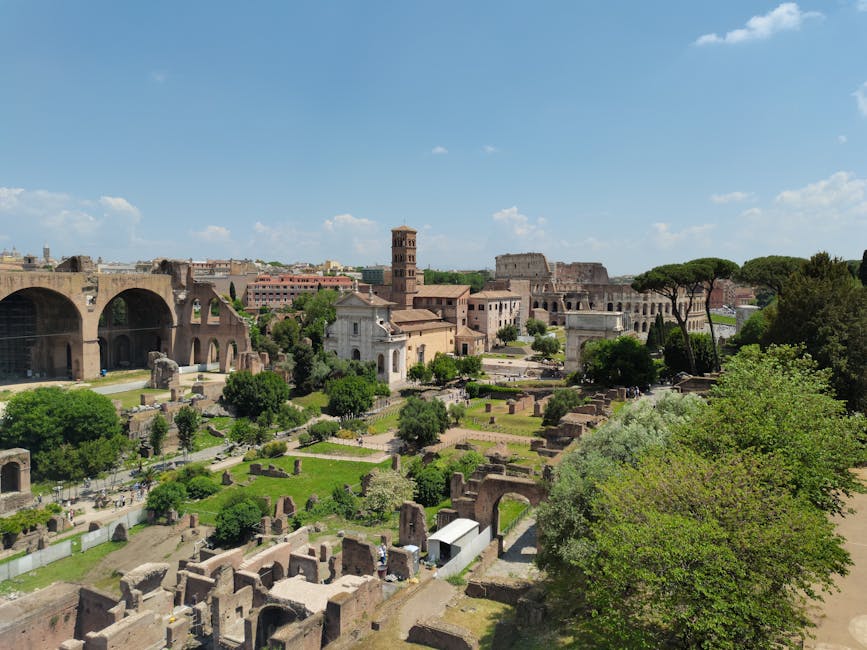
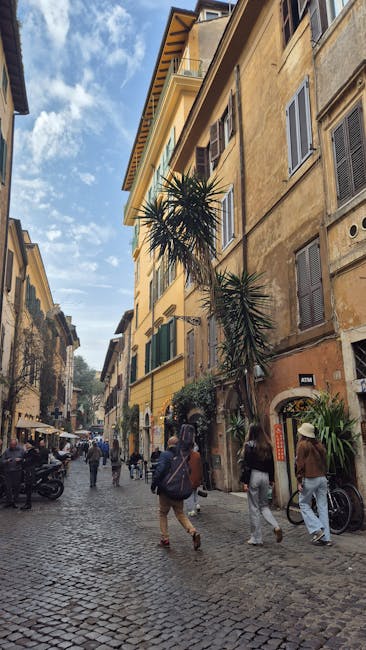
Architecturally, trattorie are often found in Lazio’s historic buildings: small vaulted dining rooms, old tiles, wooden tables, walls hung with black-and-white photographs. Nearby monuments — such as the Colosseum (Piazza del Colosseo, 1, 00184 Roma RM) or the Pantheon (Piazza della Rotonda, 00186 Roma RM) — have boosted the fame of some spots, but the best trattorie are the ones you stumble upon by following side streets in Trastevere, Testaccio, Monti or in the historic centers of Viterbo and other towns across the region.
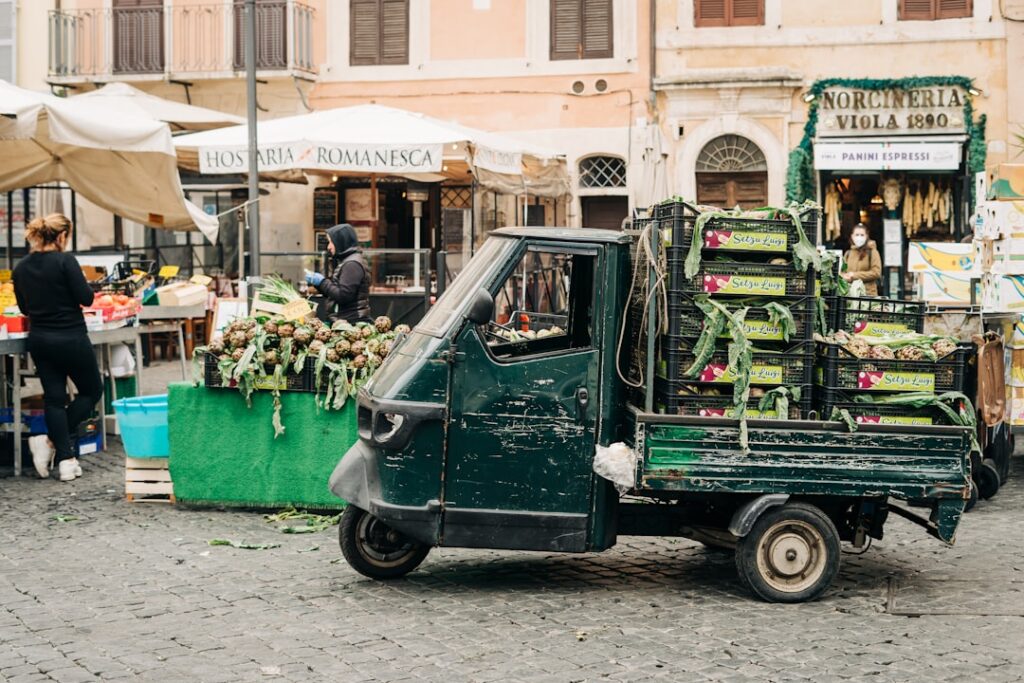
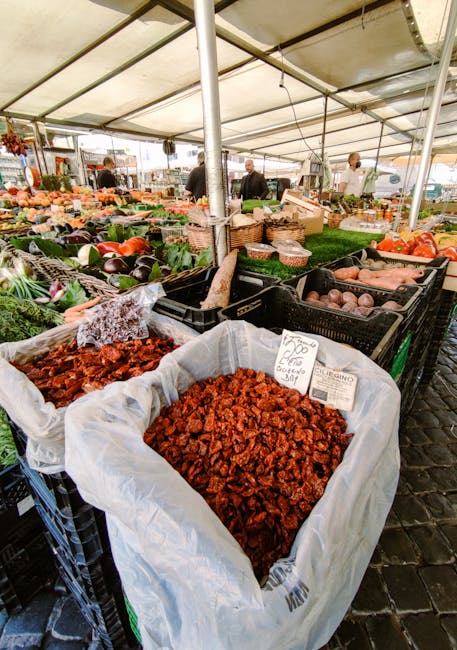
Culturally, trattorie have also been social hubs: places for debate, union meetings, or simply intergenerational exchange. Recipes are often family heirlooms, handed down with precise gestures — the way to emulsify a butter-and-cheese sauce, the ideal cooking time for pasta, the knife used to slice the guanciale. Added to that are Lazio’s local products: pecorino romano, guanciale (cured pork cheek), olive oil from the Tyrrhenian shores, and vegetables from the Campo de’ Fiori market (Piazza Campo de’ Fiori, 00186 Roma RM).
Today, even as mass tourism sometimes chases aesthetics, true trattorie continue to offer experiences rooted in tradition. They know how to adapt: some have a streamlined, well-curated menu, others display a fixed-price daily menu (primo, secondo, contorno, dessert) around €15–€25. But the spirit remains the same: generous portions, straightforward and often warm service, and the satisfaction of returning to the essentials of Roman cooking.
Must-visit trattorie in Rome and Lazio
Here’s a selection of emblematic trattorie across Lazio — mainly in Rome — where you can taste the real deal. Each entry includes practical info: exact address, approximate opening hours and price ranges to help you plan. Note that in Rome, hours can vary by season; it’s wise to call or check online before you go.
-
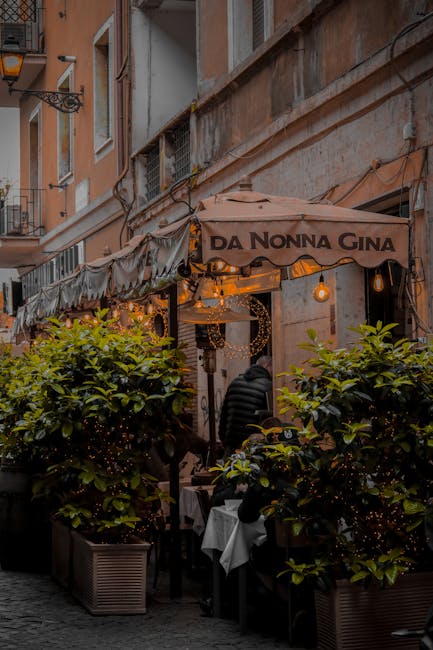
Trattoria Da Enzo al 29 — Via dei Vascellari 29, 00153 Roma RM (Trastevere). Hours: daily 12:30–15:00, 19:00–22:30. Prices: antipasti €6–€12, primi €10–€16, secondi €14–€22. Specialties: cacio e pepe, carciofi alla romana (artichokes), amatriciana. Intimate atmosphere; reservation recommended, especially in the evening.
-
Trattoria Da Felice a Testaccio — Via Mastro Giorgio 29, 00153 Roma RM (Testaccio). Hours: Tue–Sun 12:30–15:00, 19:00–23:00; closed Mon. Prices: antipasti €8–€12, primi €12–€18, secondi €15–€25. Specialties: rigatoni alla pajata (seasonal), coda alla vaccinara, artichokes. Very busy—arrive early or book ahead.
-
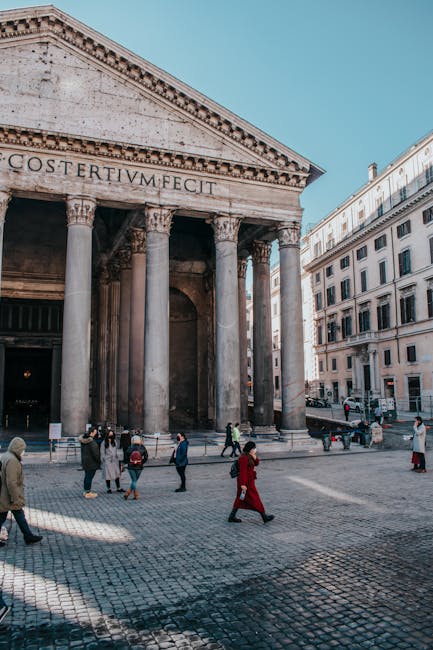
Armando al Pantheon — Salita dei Crescenzi 31, 00186 Roma RM (near the Pantheon). Hours: daily 12:30–15:00, 19:00–22:30. Prices: antipasti €10–€18, primi €14–€20, secondi €18–€30. Specialties: traditional carbonara, saltimbocca alla romana. Slightly more formal atmosphere and professional service.
-
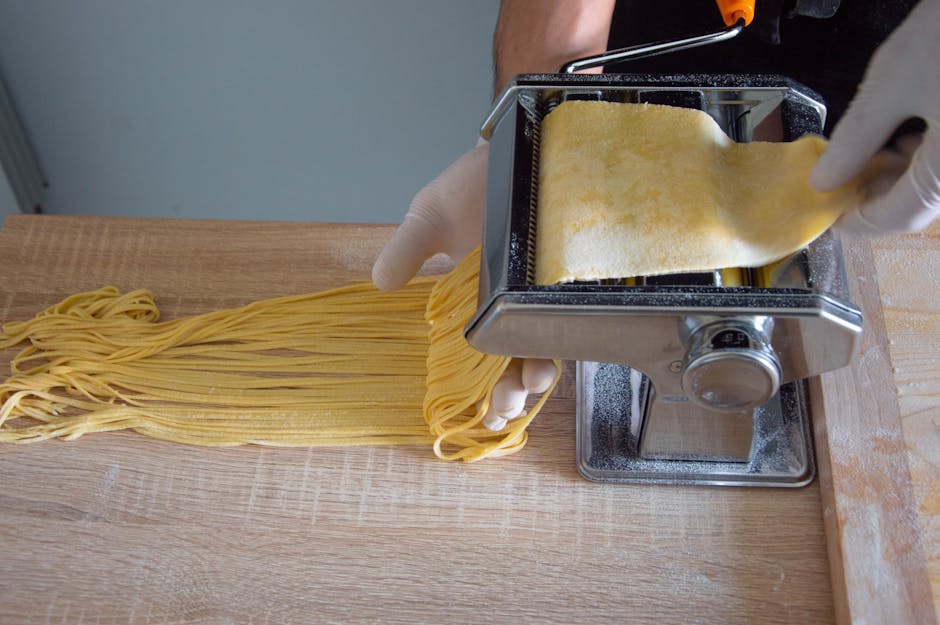
Osteria da Fortunata — Via di San Francesco a Ripa 166, 00153 Roma RM (Trastevere). Hours: daily 12:00–15:00, 19:00–23:00. Prices: handmade pasta €9–€16, mains €12–€24. Specialty: pasta fatta a mano (fresh pasta made in front of you), tagliolini, homemade tiramisù. Perfect to watch the pasta being made.
-
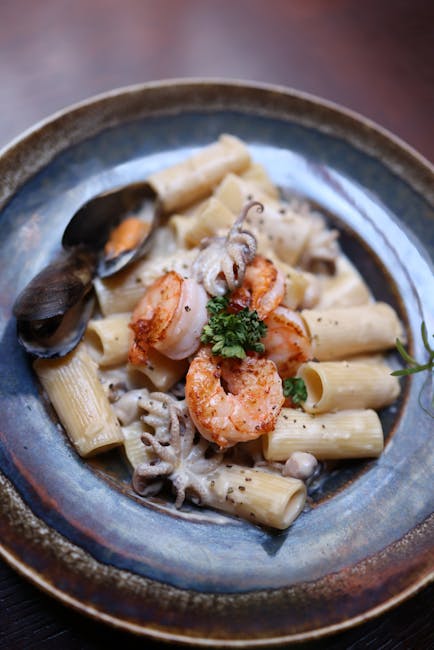
Trattoria Vecchia Roma — Via Ferruccio 12, 00185 Roma RM (near Stazione Termini). Hours: Mon–Sat 12:00–15:00, 19:00–23:00; closed Sun. Prices: antipasti €8–€14, primi €12–€18, secondi €16–€28. Specialties: allo scoglio (seafood depending on catch), abbacchio alla scottadito (grilled lamb). Traditional setting with walls covered in vintage photos.
-
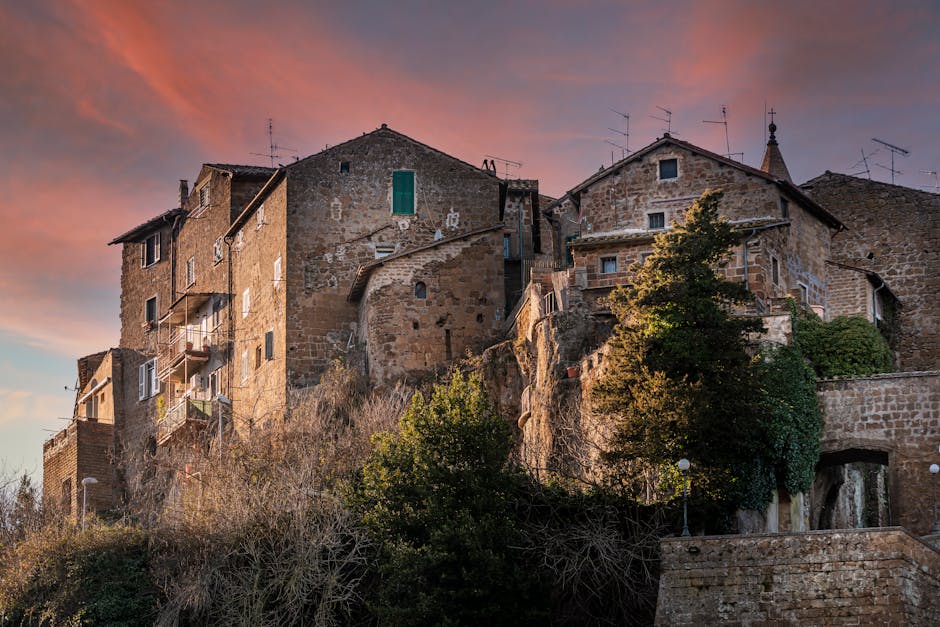
La Gattabuia (Viterbo) — Via Cavour 21, 01100 Viterbo VT (north Lazio, outside Rome). Hours: Tue–Sun 12:30–15:00, 19:00–22:30; closed Mon. Prices: daily menu €18–€25, à la carte €10–€22. Specialties: braised meats, pasta with rustic sauces. Great for a getaway from the capital.
These spots are just a sample: for a truly local experience, focus on neighborhoods like Trastevere, Testaccio, Monti and the Jewish Ghetto. Expect to pay between €10 and €25 for a full meal in a traditional trattoria (excluding high-end wines). Menus often list « primi » (pasta), « secondi » (meat/fish), « contorni » (vegetable sides) and « dolci » (desserts). Many places also offer regional Lazio wines like Frascati DOC or Cesanese del Piglio.
Culinary secrets and traditional dishes you can’t miss
The magic of Roman trattorie lies in simple recipes executed to perfection. Here are the dishes and techniques to know so you can better enjoy your visit and know what to order:
- Cacio e pepe — Pasta, grated pecorino romano and lots of freshly cracked black pepper. Utter simplicity, with a crucial technique: emulsifying the cheese with the pasta cooking water to create a silky sauce. Typical price: €8–€14.
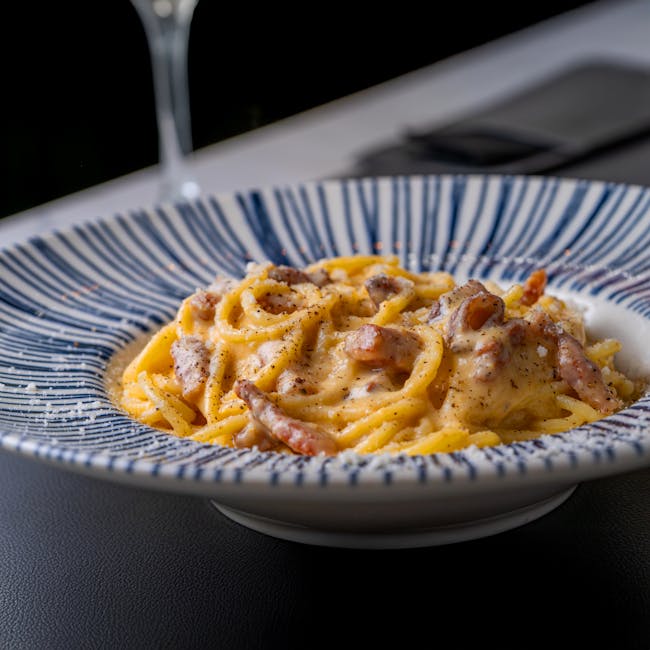
- Carbonara — Eggs, pecorino, and crispy guanciale. Note: no cream in the authentic version. Ask for « senza panna » if in doubt. Price: €10–€16.
- Amatriciana — Tomato sauce, guanciale, pecorino; from Amatrice but ubiquitous in Rome. Price: €10–€16.
- Coda alla vaccinara — Oxtail slow-cooked with wine and celery, a rustic dish from Testaccio. Expect €16–€24 depending on portion size.
- Pajata — Made with the milk-fed calf’s intestine, a traditional regional specialty often served with rigatoni, especially in Testaccio. A dish for the adventurous. Price: €12–€18.
Tasting tips: favor products from the local market (cheeses, vegetables, fish). Trattorie often work with daily arrivals, so the menu can change. Don’t hesitate to ask the server about the « giornata » (daily specials) — you may uncover real gems. For wine, ask for a glass of Frascati Superiore DOCG (around €4–€7 per glass) or a carafe of local wine (0.5 L carafe: €6–€12). As for bread, some trattorie still serve artisanal bread from local bakers; it’s common for a cover charge (coperto) to be added: about €1–€3 per person.
Practical tips and etiquette for enjoying trattorie in Lazio
Visiting a trattoria in Lazio comes with a few local customs that will make your experience smoother. Here are concrete logistical and cultural tips:
- Reservations: Highly recommended for evenings and weekends. In Trastevere and Testaccio, popular places often have queues. Call or book via the restaurant’s website or local platforms. For weekday breakfasts or lunches, reservations may be unnecessary.
- Opening hours: Lunch (pranzo) usually runs 12:30–15:00, dinner (cena) 19:00–22:30. Some trattorie close between services. Check the specific hours listed in this article for each place.
- Payment methods: Many accept cards, but smaller trattorie may prefer cash to avoid fees. Always keep €20–€50 in cash for the most modest spots.
- Menu choices: If you want to taste several dishes, share antipasti and order a primo and then a secondo to split. Portions can be generous.
- Tips: Not obligatory like in some Anglo-Saxon countries. Leaving a few euros or rounding up the bill is appreciated for attentive service. The coperto is not a tip but a cover charge (listed on the bill).
- Etiquette: Speak softly, respect residents’ peace in old neighborhoods, and avoid turning a trattoria into a noisy party. If you’re a tourist, show curiosity: asking about recipes and the house’s history is often welcomed.
- Allergies and preferences: Clearly state allergies and intolerances (gluten, lactose). Traditional recipes can be hard to alter, but a good trattoria will offer simple alternatives.
Finally, take a stroll before or after your meal: wander Trastevere’s lanes, visit the Testaccio market or climb the Gianicolo hill for sunset views. A trattoria is best enjoyed when paired with a cultural walk — an itinerary that blends Lazio’s history with its culinary pleasures.
Conclusion
Discovering Roman trattorie in the heart of Lazio is far more than a string of meals: it’s an immersion in a living, warm culinary heritage. These often-humble establishments are guardians of an old craft where ingredient quality and precise technique come first. Whether you pick a renowned spot near the Pantheon like Armando al Pantheon, a family-run place in Trastevere like Trattoria Da Enzo al 29, or a neighborhood favorite in Testaccio like Da Felice, expect authentic flavours, generous portions and service that can be both direct and heartfelt.
Planning your route through Lazio means accounting for opening hours, reserving the most sought-after places, and respecting local customs (coperto, cash payments when needed, portion-sharing). Iconic dishes — cacio e pepe, carbonara, amatriciana, coda alla vaccinara and the bolder pajata — each tell a piece of the region’s history. Local wines like Frascati or Cesanese complete the meal and reinforce the area’s culinary identity.
Finally, dining in a trattoria is also about embracing a slower pace: take time to savor, to converse with staff, to feel the city around you. It’s a route that’s both gastronomic and human, where every plate invites you to understand how Lazio, through its age-old recipes, continues to express its culture and warmth. Save these addresses, note the hours and price ranges listed, but above all leave room for surprise: the best memories often come from an unplanned meal in a little street you didn’t expect to find on the map.