




Introduction — Why Roman antipasti deserve their own guide
Antipasti in Rome are more than just starters: they’re little edible stories served by the bite, taste-based introductions that reveal the soul of Lazio. In a region where tradition meets innovation, the antipasto is the bridge between local produce and the social ritual of sharing. Whether it’s a rustic plate of supplì, crispy carciofi alla giudia, generous bruschette, or an assortment of artisanal salumi and cheeses, each item has an origin, a technique and a season. This general guide, written for curious travelers and travel pros alike, aims to immerse you in the art of Roman antipasti: where to find them, how to eat them, what they cost, and the cultural stories they carry.
We’ll explore emblematic spots across Lazio — historic taverns, lively markets and small specialist addresses — providing exact locations, opening hours and price ranges. You’ll also find sensory descriptions to help you recognize characteristic textures and aromas, plus practical tips: how to read an antipasti menu, which seasons favor certain products (artichokes, sheep’s cheeses, cured meats), and how to pair local wines. This isn’t just a directory; it’s designed to enrich your culinary experience and help you understand why, in Rome, antipasti are both everyday fare and ceremonial.
We’ll cover the differences between street-style antipasti and plated starters, pointing out where to buy takeaway items (stalls, bakeries, rosticcerie) as well as restaurants where antipasti are treated as an art form. The prices shown give a realistic range so you can plan your budget: €3–8 for a street snack, €8–18 for a shared antipasti plate in a trattoria, and €20–35 for a gastronomic selection in a higher-end osteria. Opening hours take Roman habits into account: morning markets, trattorie open for lunch and dinner, and places that close in the afternoon.
You’ll also get local tips to avoid tourist traps: how to spot an authentic menu, why a rosticceria is the best bet for street specialties, and how to ask for portions that suit a light appetite. This guide focuses on Lazio, with addresses inside Rome’s walls and in its historic neighborhoods, but it also mentions a few gems in the immediate outskirts for half-day excursions. Bring your appetite and your sense of curiosity: here’s a sensory journey into the heart of Roman antipasti.
Traditional antipasti in Rome: must-tries and where to taste them
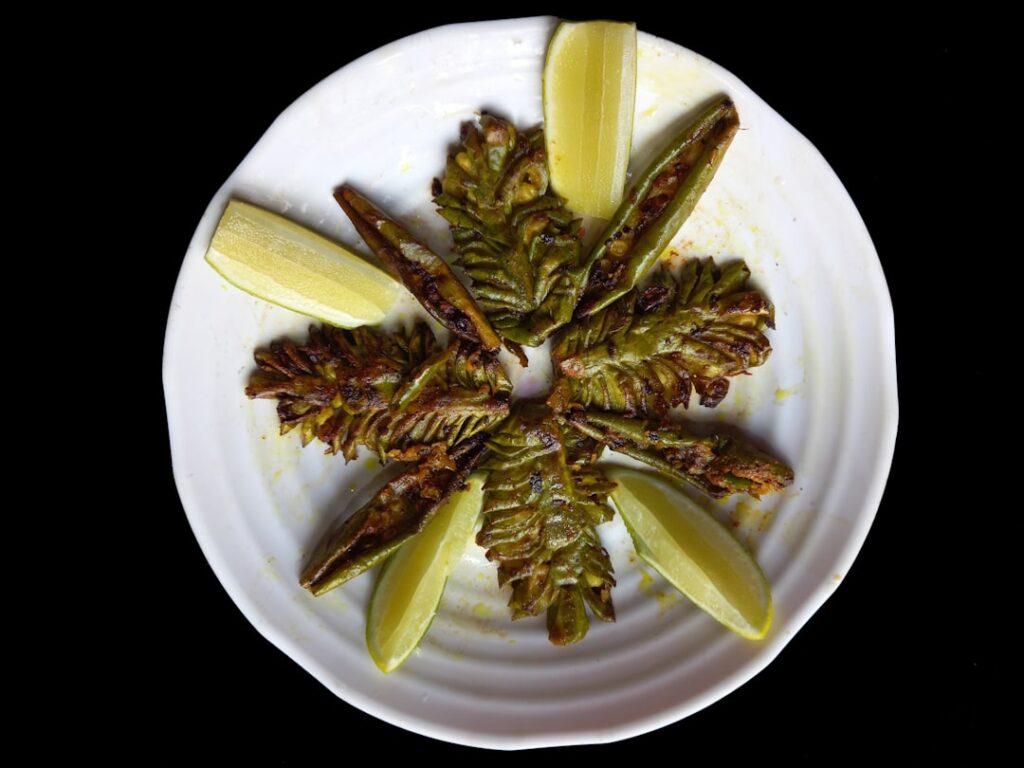
Traditional antipasti are often simple in preparation but deep in flavor. Among Lazio’s best-known dishes are carciofi alla giudia (Jewish-style fried artichokes), coda alla vaccinara (oxtail, often served as a starter or small plate), supplì (fried rice balls stuffed with mozzarella), and of course a rich selection of local cured meats and cheeses. Some places in Rome offer almost a pedagogical experience when it comes to tasting them.
- Da Enzo al 29, Via dei Vascellari 29, 00153 Roma RM — Antipasti to share €8–15 per person. Hours: Tue–Sun 12:30–15:00, 19:00–23:00 (closed Monday). Try the carciofi alla giudia in season (around €9) and the mixed fried platter. Authentic Roman atmosphere; reservations strongly recommended.
- Pizzarium Bonci, Via della Meloria 43, 00136 Roma RM — Although known for pizza al taglio, Pizzarium offers small portions that work perfectly as a street-style antipasto. Slices €2–5. Hours: daily 10:00–22:30. Great for tasting local toppings on a crisp crust.
- Forno Roscioli – Antico Forno Roscioli, Via dei Chiavari 34, 00186 Roma RM — Focacce and takeaway bites, supplì from €3.50. Hours: Mon–Sat 07:30–20:00, closed Sunday. Excellent for a quick, authentic snack.
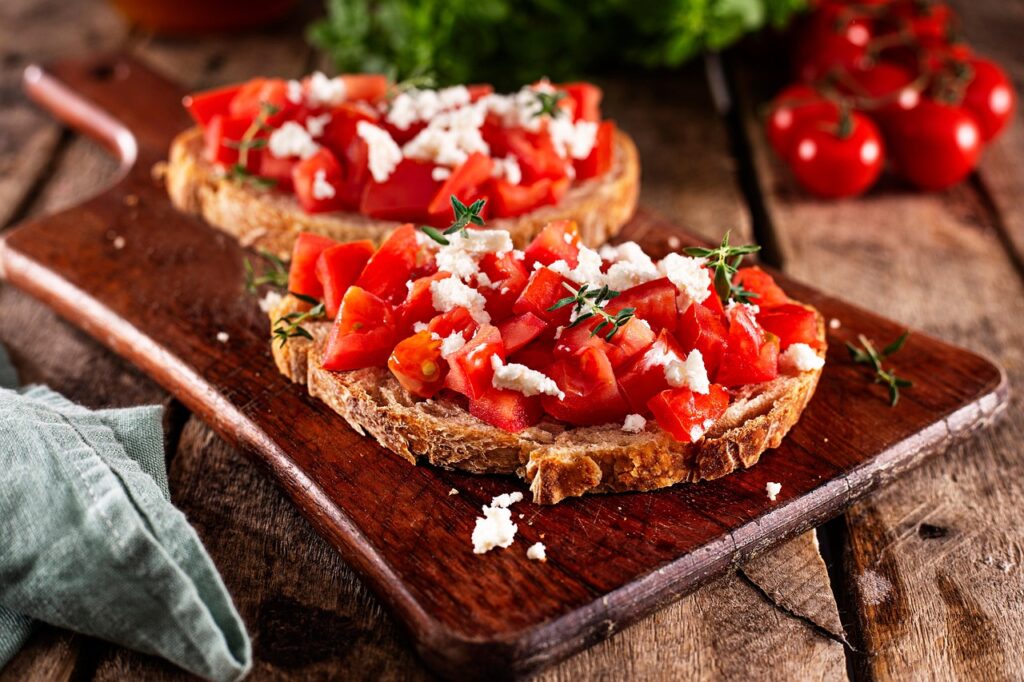
These spots cover a wide range of antipasti: fried items, oil-preserved vegetables, and topped toasts. Local tip: ask for « qualcosa da condividere » (something to share) and specify whether you want hot or cold options. Traditional restaurants often serve seasonal antipasti; in winter favor preserved vegetables, in spring and autumn choose artichokes and mushrooms. To drink, go for a glass of Frascati Superiore (starting around €4 per glass) or a local sparkling wine.
Markets and rosticcerie in Lazio: buying antipasti to go
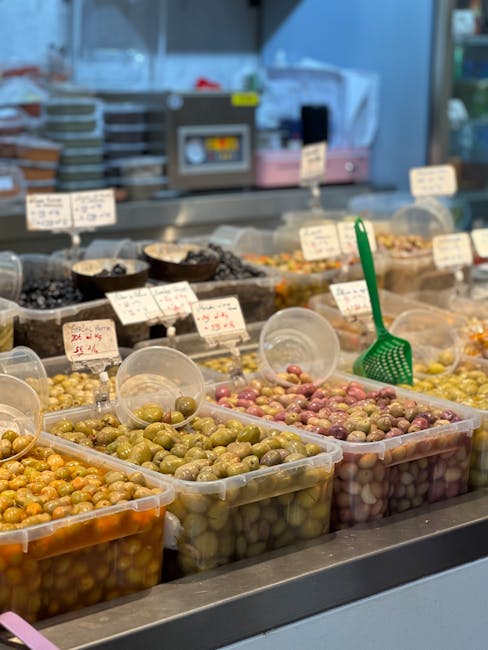
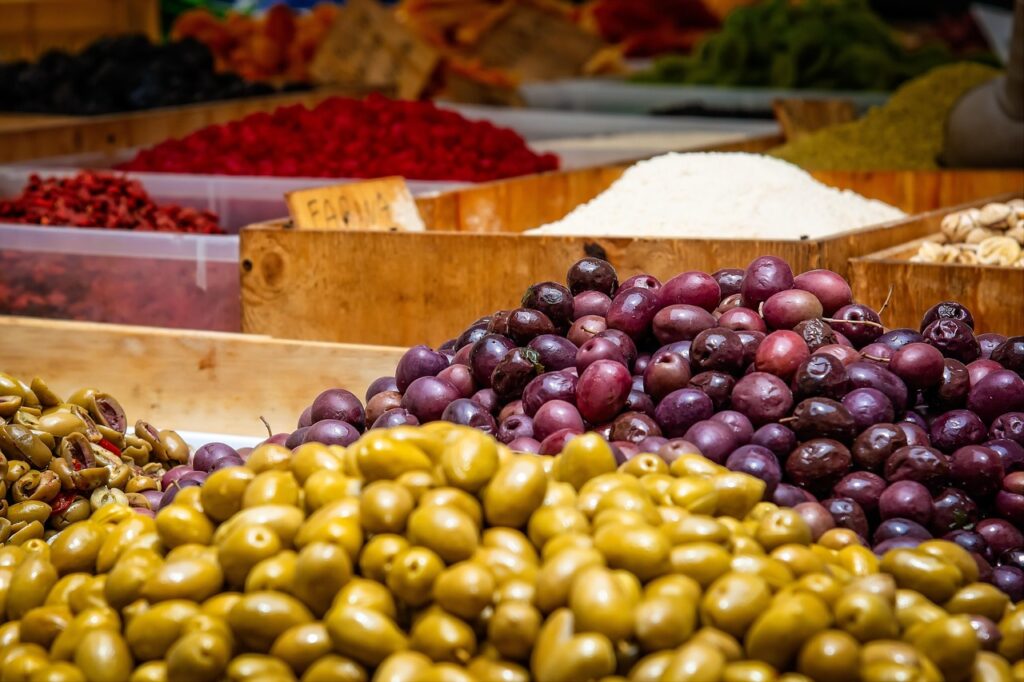
Lazio is rich in food markets where you can find ready-to-eat antipasti or ingredients to build your own plate. Markets not only let you buy fresh goods but also show traditional preservation methods: marinated vegetables, handmade stuffed pasta, canned fish, aged cheeses and artisanal cured meats.
- Mercato di Testaccio, Via Galvani 5, 00153 Roma RM — Hours: Tue–Sat 07:00–14:00, closed Sun–Mon. Stalls selling local products and rosticcerie offering fried foods and hot antipasti. Prices: antipasti portions €3–7.
- Mercato Centrale Roma, Via Giovanni Giolitti 36, 00185 Roma RM — Hours: daily 08:00–00:00 (hours vary by stall). Find salumi and cheese stands, stuffed olives from €4, and small sharing dishes around €10–15.
- La Tradizione Salumeria (example of a deli), Via Cola di Rienzo 250, 00192 Roma RM — Hours: Mon–Sat 09:00–20:00. Takeaway charcuterie and cheese boards: about €12–20 for two people.
Practical tip: buy antipasti at the market for a picnic near a historic site like the Tiber banks or the Villa Borghese gardens. Bring a small cooler bag if you need to keep fresh items for a few hours. Market vendors are usually happy to advise on storage and wine-and-cheese pairings.
Refined addresses and osterie for a gastronomic antipasti experience
If you’re after something more polished, several osterie and restaurants in Lazio present reimagined antipasti that showcase local products with contemporary techniques. These places serve composed plates where seasonality is respected and each bite aims to surprise.
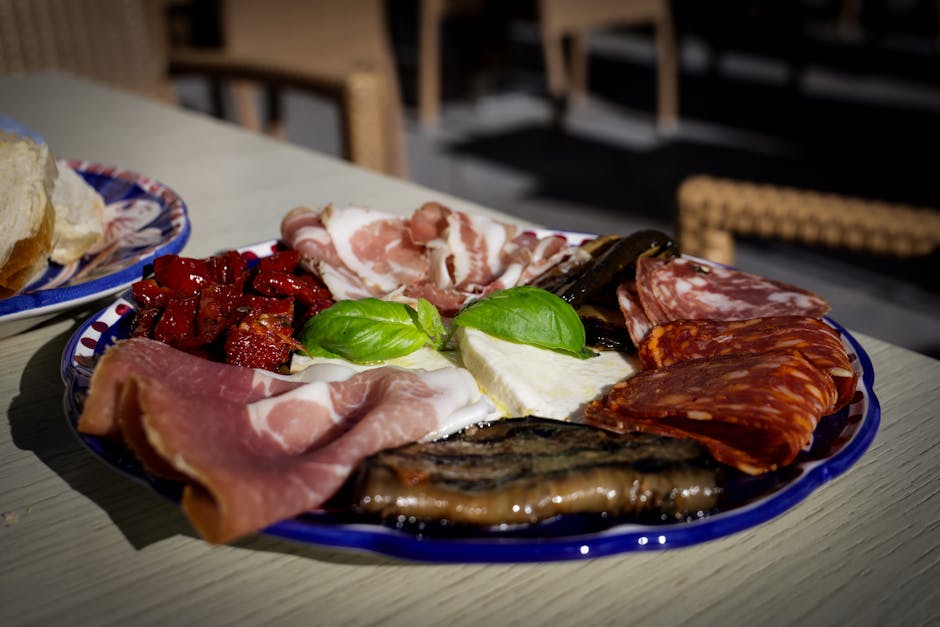
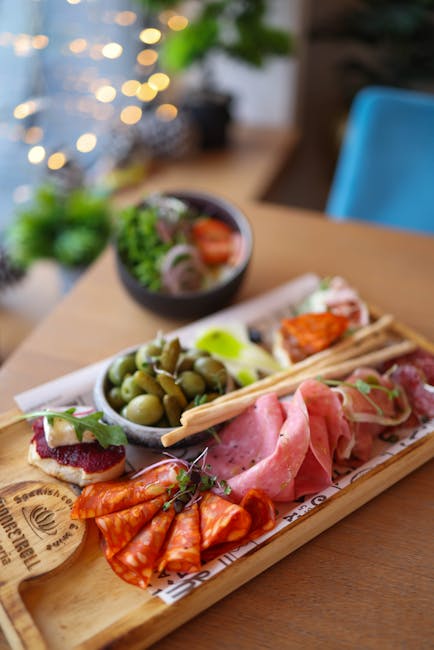
- Roscioli Salumeria con Cucina, Via dei Giubbonari 21, 00186 Roma RM — Hours: Mon–Sat 07:30–01:00, Sun 12:00–23:00. Signature antipasti (mixed plate of salumi e formaggi) €18–28. Reservation recommended. Fine grocery products and an exceptional wine cellar.
- Flavio al Velavevodetto, Via di Monte Testaccio 97, 00153 Roma RM — Hours: Tue–Sun 12:30–15:00, 19:30–23:00 (closed Monday). Traditional dishes and local antipasti €10–20. Known for Testaccio classics and house pâtés.
- Osteria del Pegno, Vicolo di Montevecchio 8, 00186 Roma RM — Hours: daily 12:00–15:00, 19:00–23:00. Creative antipasti €12–22.
These venues offer a different take on antipasti: texture play, balance of salty/acid/fat, and careful presentation. Tip: order a selection of small plates to share and ask the sommelier for a bottle of Frascati or a Lazio wine selection for perfect pairing. If you like the stories behind the food, ask staff about the origin of the cheeses or how long the cured meats have aged — the tales behind each product are an essential part of the experience.
Local tips, seasonality and etiquette: how to eat like a Roman
Knowing the seasons and local customs turns an antipasti tasting into a cultural experience. Artichokes are at their best in spring and autumn; poultry and root vegetables dominate in winter; ripe tomatoes and seafood shine in summer. Here are practical tips and etiquette rules to get the most out of antipasti in Lazio.
- Seasons: artichokes (March–May, Oct–Nov), asparagus (April–May), mushrooms (autumn), fish and seafood (summer). Choosing according to season improves freshness and flavor.
- Portions: one antipasto per person for a light lunch, or several small plates to share for a more convivial meal. Budget: €8–18 per person on average in a standard trattoria.
- Etiquette: start with cold preparations (cured meats, cheese), then move to hot dishes. Use bread as an accompaniment, but avoid using it to « clean » the plate leaving nothing for others.
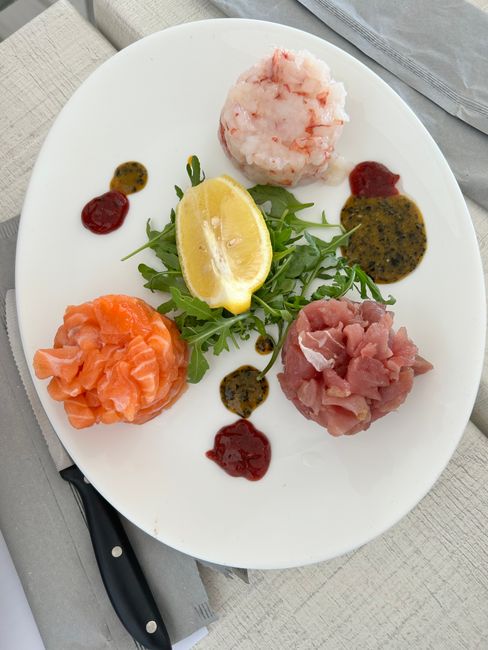
- Pairings: crisp white wines (Frascati, Colli Albani) or light rosés for seafood antipasti; light red wines for cured meats and aged cheeses.
Local tip: in small osterie, ask for « il tagliere della casa » (the house cutting board) — it’s often the best value to discover several regional specialties. Finally, in tourist areas prefer streets just off the major monuments to find fairer prices and better culinary practices.
Conclusion — Small plates, big stories: take the spirit of antipasti with you
Roman antipasti are far more than little nibbles: they’re the product of a rich agro-pastoral history, Mediterranean influences and a lifestyle built around sharing. As you move through Lazio — from the bustling markets of Testaccio to the cozy osterie of Trastevere — you’ll learn how each small dish tells a local story: from a nearby cured-meat producer to a baker shaping the dough for crisp supplì.
This guide has given you precise addresses, indicative prices and opening hours to plan your culinary route. It’s also provided pointers to recognize authentic antipasti: seasonality of ingredients, care in preservation, the quality of the bread served with the board, and harmony with a local wine. Memorize a few useful phrases (« qualcosa da condividere », « il tagliere della casa », « in stagione ») to ease exchanges and get staff recommendations.
Finally, take these practical tips with you: favor seasonal products, ask for shareable portions to taste more, and take time to chat with vendors — they’re often the best storytellers of Lazio’s food history. Antipasti are an ideal entry point to understanding Roman gastronomy: simple at first glance, rich in provenance and preparation. Enjoy your tastings, and let yourself be surprised by these small plates that tell big stories.