





Introduction — Roman food culture: the trattoria at the heart of Lazio
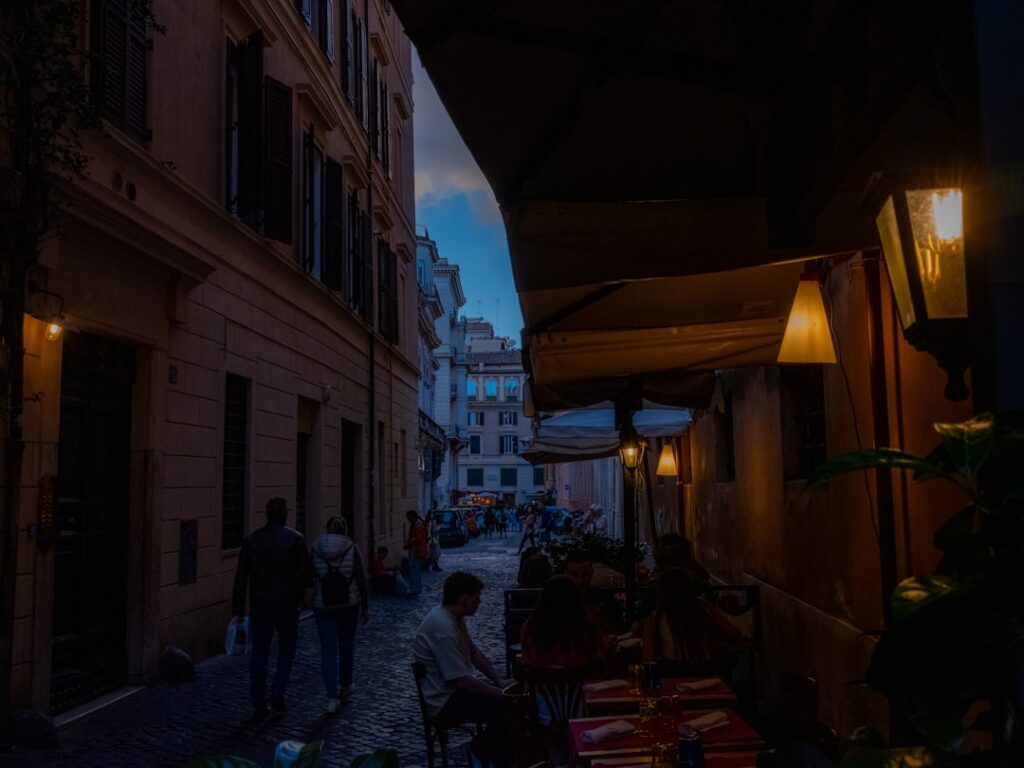
Rome isn’t just a city of ancient stones and world-class museums — it’s a capital of conviviality where food tells the story and geography of Lazio. The Roman trattoria, humble and welcoming, is the perfect place to explore that culinary memory. Unlike fine-dining restaurants that stylize dishes, the trattoria delivers the soul of the land — peasant recipes, local ingredients and techniques passed down through generations. Sit at a table with a checked cloth and you’re taking part in a social ritual that values sharing, generosity and the slow rhythm of an Italian meal.
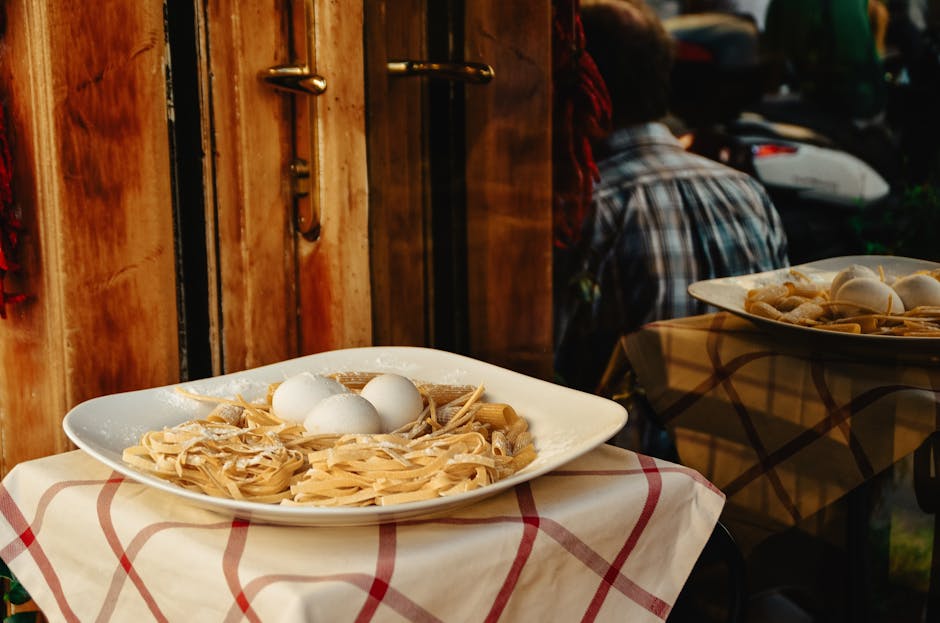
In Lazio, and especially in Rome, certain dishes have become emblems. Carbonara, cacio e pepe, amatriciana and gricia are variations on the same culinary language: pasta, cheese, pepper and often a salty, grilled ingredient like guanciale. Other specialties, like carciofi alla giudia (Jewish-style artichokes) or trippa alla romana (tripe), tell of the city’s cultural exchanges and communal history. And then there are the little joys of trattoria street food: crisp supplì, crocchette and pizza al taglio — easy to devour between alleys.
This article takes you through ten must-try dishes to taste in trattorie across Rome and Lazio. For each dish, I describe how it’s made and how it tastes, and I give you a recommended trattoria with the exact address, a price range in euros, useful opening hours and local tips to make the most of your experience (reservations, best times to avoid queues, wine pairings and tasting tips). You’ll also find guidance on spotting a “real” trattoria: tight seating, a handwritten menu, a local daily special and staff who welcome you like family.
Whether you’re a time-pressed traveler ticking off the classics or a foodie curious about micro-variations between neighborhoods (Trastevere, Testaccio, the Ghetto), this guide provides precise addresses, immersive descriptions and practical advice. At the table: follow me for a delicious tour of Rome, where history is savored in every bite.
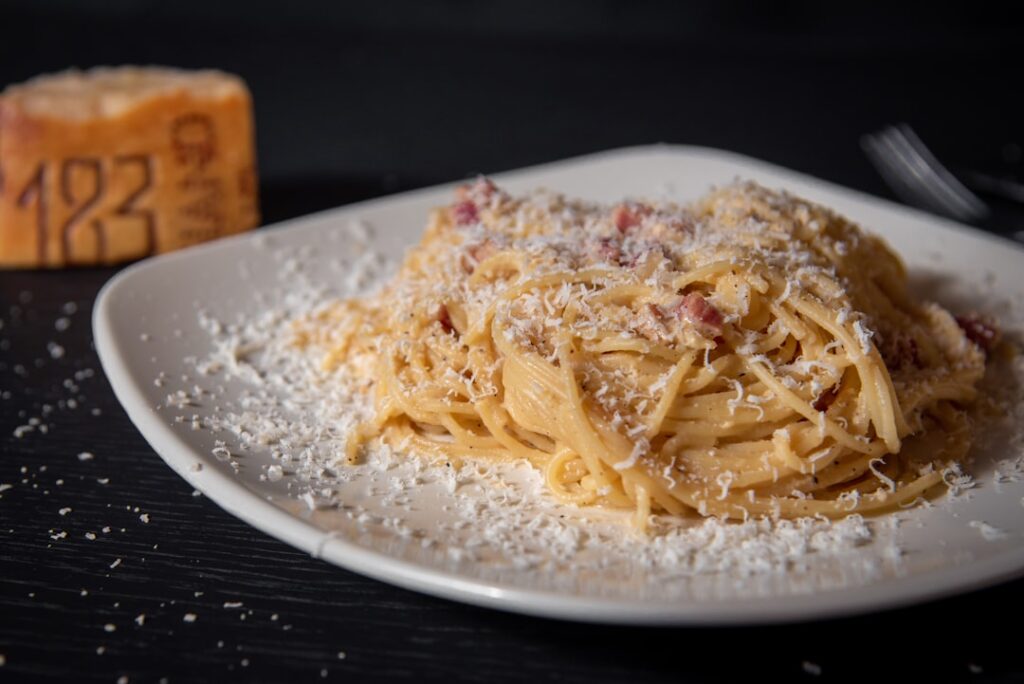
1. Pasta alla Carbonara — Salumeria Roscioli
Carbonara in Rome is what cappuccino is to the morning: a sacred landmark. The classic version is made with spaghetti or rigatoni, eggs, grated pecorino romano, freshly cracked black pepper and crispy guanciale — no cream, following Roman tradition. For a carbonara that respects the rules while delivering flawless execution, head to Salumeria Roscioli.
Salumeria Roscioli — Practical details
- Address: Salumeria Roscioli, Via dei Giubbonari, 21/22, 00186 Roma RM
- Price: Carbonara around €16–€20
- Opening hours: Open Monday–Saturday, 08:00–22:30 (lunch service 12:00–15:30, dinner 18:30–22:30). Closed on Sundays.
Roscioli’s carbonara stands out for the silkiness of its sauce — the eggs are emulsified with pecorino to create a glossy coating that clings to every strand of pasta — and for the quality of the guanciale, either house-cured or from an artisanal charcutier. The salt/pepper balance is crucial: you should taste the pepper’s bite without it overpowering the cheese’s creaminess. Locals like to enjoy it with a glass of Frascati or a light red from Lazio.
Practical tips: arrive early or reserve (tel. +39 06 687 5287); the dining room is small and demand is high. Ask for a table by the window if you want to watch the cobbles of Campo de’ Fiori. If you’re visiting in summer, avoid ordering carbonara at peak midday after walking in the sun: it’s a rich, comforting dish best appreciated in the evening or after sightseeing.
2. Cacio e Pepe — Da Felice a Testaccio
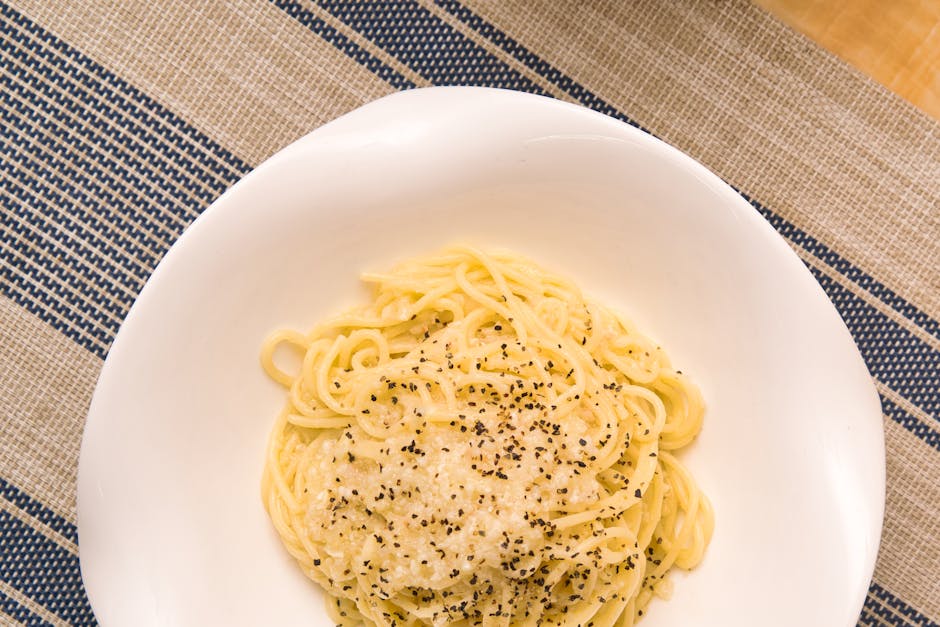
Cacio e pepe is the most minimal and demanding expression of Roman cuisine: just pecorino romano, black pepper, pasta (often tonnarelli or spaghetti) and a perfect emulsifying technique. The magic is turning two ingredients into a creamy sauce that coats every strand. Da Felice a Testaccio is an institution for this dish, located in the working-class Testaccio neighborhood, a historical cradle of Roman cooking.
Da Felice a Testaccio — Practical details
- Address: Da Felice, Via Mastro Giorgio, 29, 00153 Roma RM
- Price: Cacio e pepe around €12–€18
- Opening hours: Open every day except Sunday, 12:30–15:00 and 19:00–23:00.
Da Felice’s version is notable for using pecorino aged just enough and a slightly coarser grind of pepper that gives pronounced aromatic notes. The secret is technique: you work the pasta starch with hot cooking water and grated cheese to achieve a creamy texture without lumps. Expect a generous portion, often served on warm plates to preserve the texture.
Local tip: Testaccio is also famous for its food market (Mercato di Testaccio, Via Galvani 1) — if you have time, combine a morning market visit with a late lunch at Da Felice. For wine, a Frascati superiore or a Cesanese del Piglio brings freshness and minerality. Reservation recommended (tel. +39 06 574 1890) and arrive early if you want to avoid the queue.
3. Pasta all’Amatriciana — Trattoria Da Enzo al 29
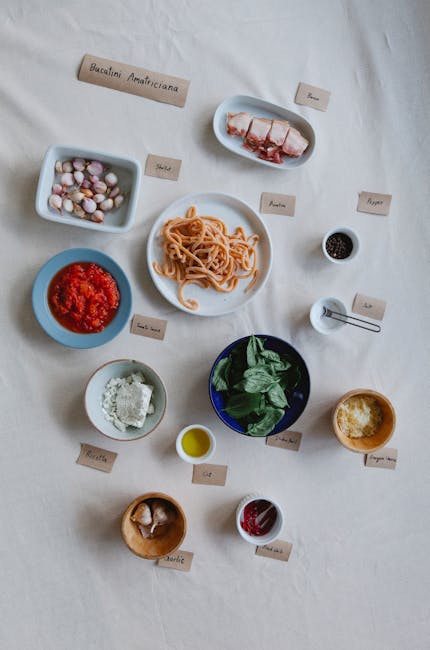
Amatriciana (or matriciana) has roots in the town of Amatrice, on the border of Lazio and Abruzzo. It combines ripe tomatoes, pecorino, pepper and, above all, grilled guanciale for a sauce that’s sweet, smoky and slightly spicy. In Trastevere, Da Enzo al 29 is often praised for getting the balance right between tomato acidity and the richness of the guanciale.
Trattoria Da Enzo al 29 — Practical details
- Address: Trattoria Da Enzo al 29, Via dei Vascellari, 29, 00153 Roma RM
- Price: Amatriciana around €12–€15
- Opening hours: Open every day, 12:30–15:00 and 19:00–23:00. Sometimes closed for annual holidays in January.
Da Enzo’s version highlights slightly crisp guanciale cut into generous lardons that infuse the tomato sauce. The pasta, often bucatini or rigatoni, soaks up the sauce for a cohesive, flavorful bite. The trattoria’s atmosphere is quintessentially Roman: limewashed walls, vintage posters and a service that makes you feel like a regular even on your first visit.
Tips: Da Enzo is very popular — queues can be long in the evening. Try a late lunch or make a reservation (tel. +39 06 581 2260). To pair with amatriciana, choose a light red from Lazio or a Montepulciano d’Abruzzo if you want to stay regional. If you’re vegetarian, be sure to specify that when ordering — traditional amatriciana always contains guanciale.
4. Gnocchi alla Romana — Trattoria Vecchia Roma
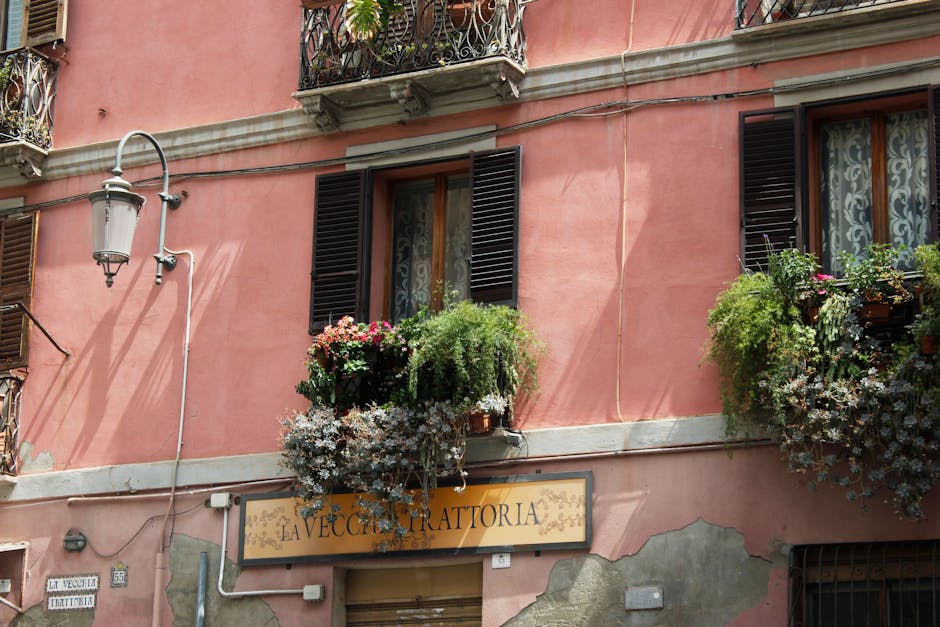
Gnocchi alla romana are different from potato gnocchi: they’re made with semolina, milk, butter and pecorino, formed into disks and baked until they develop a golden crust and a soft center. This rustic, comforting dish is often served as a primo in family-run trattorie. One of the best places to try them is Trattoria Vecchia Roma, known for its wood oven and traditional recipes.
Trattoria Vecchia Roma — Practical details
- Address: Trattoria Vecchia Roma, Via del Governo Vecchio, 87, 00186 Roma RM
- Price: Gnocchi alla romana around €10–€14
- Opening hours: Open every day, 12:00–15:00 and 18:30–23:00. Closed Sunday evenings.
Texture is key: a lightly crisped exterior, a creamy, tender interior scented with butter and pecorino. Some versions add a touch of nutmeg or a splash of meat jus to lift the flavor. At Trattoria Vecchia Roma, oven cooking gives a subtle caramelization that contrasts with the semolina’s softness. Served in generous portions, this dish is often shared between two.
Practical tips: ask if the dish has just come out of the oven — it’s best piping hot. Pair with a Lazio white, like a Frascati superiore, to cut through the buttery richness. For a complete experience, combine it with a starter of cicoria ripassata (sautéed chicory) to bring a bitter counterpoint.
5. Saltimbocca alla Romana — Armando al Pantheon
Saltimbocca alla Romana is an iconic dish in the Roman culinary theatre: thin veal escalopes topped with Parma ham and sage leaves, sautéed in butter and sometimes deglazed with a splash of white wine. The simplicity of the dish demands quality ingredients and precise cooking to achieve tender veal and crispy ham. Armando al Pantheon is a great spot to enjoy saltimbocca just steps from the Pantheon.
Armando al Pantheon — Practical details
- Address: Armando al Pantheon, Salita dei Crescenzi, 31, 00186 Roma RM
- Price: Saltimbocca around €18–€24
- Opening hours: Open every day, 12:00–15:00 and 19:00–23:00. Closed on some religious holidays.
Eating near the Pantheon gives the meal a special atmosphere: dine on the terrace to feel the pulse of the historic center. The secret is balancing butter and wine; overcooked veal becomes dry, undercooked it’s rubbery. Armando often sources meat from local artisans, and the staff will recommend pairing it with a structured white or a light red.
Tips: arrive after 8pm if you want to avoid the midday tourist rush near the Pantheon. Reserve (tel. +39 06 6880 3034). If you prefer, ask for a leaner version (pan-seared without extra butter) — the flavor stays authentic but the dish is lighter.
6. Supplì al Telefono — I Supplì (or La Bottiglieria)
Supplì are Rome’s quintessential street food: rice balls filled with mozzarella, breaded and fried, which when hot stretch the cheese like a “telephone” — hence the name. You’ll find them in small trattorie and from street vendors. For a traditional, crunchy version, try I Supplì or the famous La Bottiglieria near Trastevere and Campo de’ Fiori.
I Supplì / La Bottiglieria — Practical details
- Address: I Supplì, Via dei Banchi Vecchi 10, 00186 Roma RM (or La Bottiglieria, Via del Moro, 38, 00153 Roma RM)
- Price: Supplì around €2–€4 each, tray of 3 for €6–€10
- Opening hours: Often open 11:00–22:00, hours vary by stall; better to check locally.
The perfect supplì is crispy on the outside, fragrant with tomato sugo inside and stringy with hot mozzarella. Some places add beef ragù or saffron for interesting variations. Eat it hot while strolling a cobbled lane, with a soda or a small glass of red wine. It’s an ideal snack before dinner or between monuments.
Local tips: look for recently fried batches and the inviting smell of frying to avoid reheated supplì. Many Romans enjoy them as an aperitivo before heading to a trattoria. If you’re at the Testaccio market, local stalls make excellent supplì. Don’t keep a supplì in a bag too long — it will lose its crunch.
7. Carciofi alla Giudia — Rome Jewish Ghetto (Santo Uffizio area)
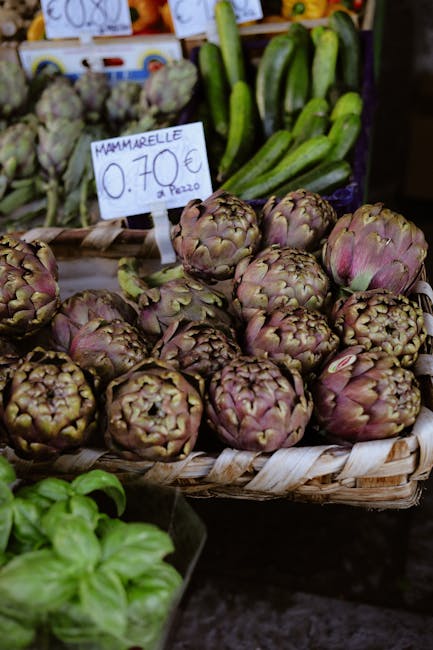
Carciofi alla giudia (Jewish-style artichokes) are a specialty of Rome’s Jewish Ghetto, created by communities that developed a method of frying whole artichokes until the leaves become golden petals. The artichokes are opened up, fried in oil until crisp, and served simply with a bit of salt and lemon. To enjoy them in their historical context, head to the Ghetto near the Synagogue and Piazza Mattei.
Where to try them — Practical details
- Address: Jewish Ghetto, Piazza Mattei area, near Teatro Marcello and Synagogue di Roma, Lungotevere dei Cenci, 00186 Roma RM
- Price: Carciofi alla giudia around €6–€12 depending on plate or portion
- Opening hours: Ghetto restaurants generally open 12:00–15:00 and 19:00–23:00; the Synagogue and nearby museums have varied hours.
The goal is a tender interior and a crunchy exterior. The technique requires frying at the right temperature so the artichoke doesn’t become greasy. In the neighborhood, several small trattorie and ristoranti keep this tradition alive, often serving them with a light beer or a dry white. Don’t miss the Fountain of the Turtles and the Synagogue of Rome after your meal.
Tips: arrive early if you want the best quality — artichokes are seasonal and much in demand; late winter to early spring is prime time. Share a portion with others to taste different styles (saltier or less salted, more or less fried).
8. Trippa alla Romana — Trattoria Da Cesare al Casaletto
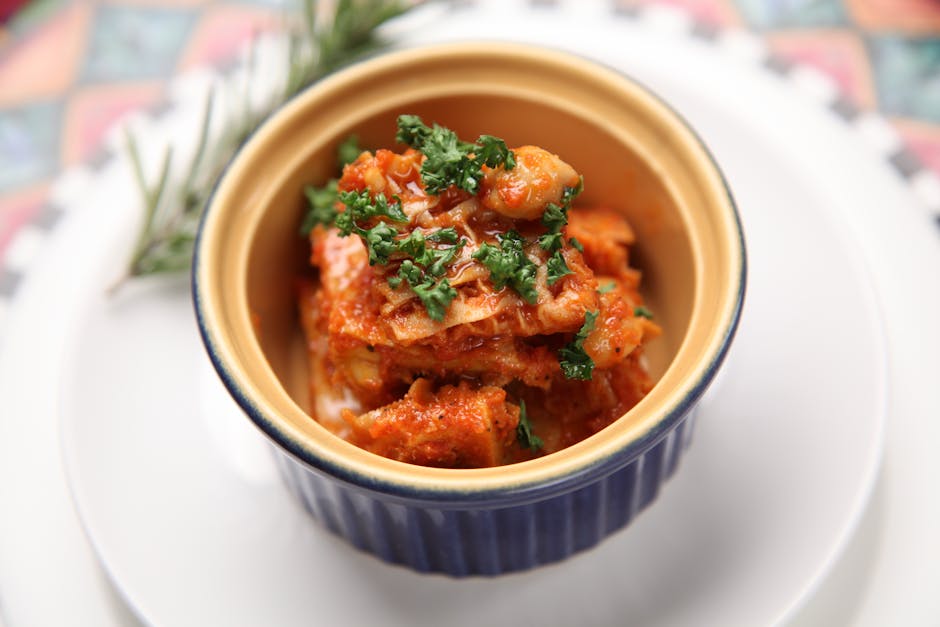
Trippa alla romana (tripe) is a popular, comforting dish often cooked slowly with tomato, mint and pecorino to achieve a melting texture and deep flavors. Fans of traditional cooking appreciate its rustic authenticity. For a classic version in a Roman setting, Da Cesare al Casaletto is known for its tripe and hearty stews.
Trattoria Da Cesare al Casaletto — Practical details
- Address: Da Cesare al Casaletto, Via del Casaletto, 45, 00151 Roma RM
- Price: Trippa alla romana around €10–€14
- Opening hours: Open every day, 12:30–15:00 and 19:00–23:00. Often closed Sunday midday.
Well-made tripe doesn’t have an aggressive smell: it’s slowly braised with fresh tomatoes, garlic, bay leaf and a hint of mentuccia (Roman mint), finished with grated pecorino for a salty richness. Da Cesare often serves generous portions in a neighborhood trattoria atmosphere — perfect for trying dishes Romans tend to eat in winter.
Tips: tripe can surprise unaccustomed palates but rewards the bold. Pair it with good rustic bread and a glass of Tuscan red or Montepulciano. If you’re sensitive to texture, ask the chef about the cut and cooking time.
9. Porchetta — Mercato di Testaccio / Er Bacaro
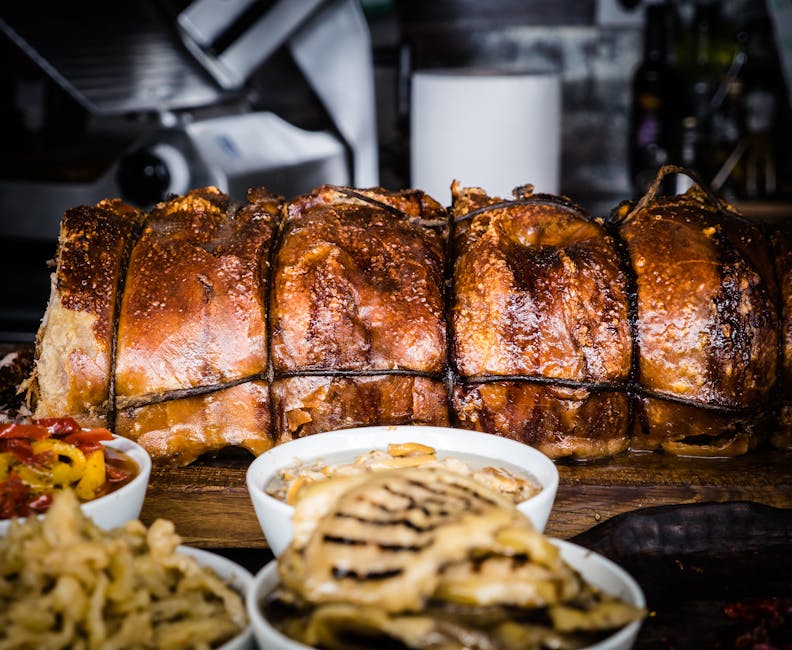
Porchetta is a Lazio must: pork stuffed with herbs (rosemary, wild fennel, garlic) slowly roasted until the skin is crispy and the meat juicy. In Testaccio, the historic market for Roman butchers, you’ll find stalls and small trattorie serving porchetta in thick slices, often in sandwiches. For an authentic experience, wander Mercato di Testaccio or stop at Er Bacaro.
Mercato di Testaccio / Er Bacaro — Practical details
- Address: Mercato di Testaccio, Via Galvani, 00153 Roma RM / Er Bacaro, Via Giovanni da Empoli, 16, 00154 Roma RM
- Price: Slice of porchetta €5–€10; sandwich €6–€12
- Opening hours: Market open Tuesday–Saturday 08:00–14:00; Er Bacaro open 12:00–15:00 and 18:30–23:00.
Porchetta can be eaten a thousand ways: on a plate with contorni (side vegetables), in a sandwich for a quick break, or as a main dish to share. The crackling contrasts with the herb-scented, melting meat. At the market you’ll often see slow rotisserie cooking — an impressive scene for the eyes and nose.
Tips: slice against the grain for more tender cuts. If you get a sandwich, ask for traditional Roman bread (pane cafone) and a little salsa verde or mild mustard to lift the flavors. The best porchetta sells early in the morning; quality can vary later in the day.
10. Tiramisu and Dolci — Pompi, Via degli Uffici del Vicario
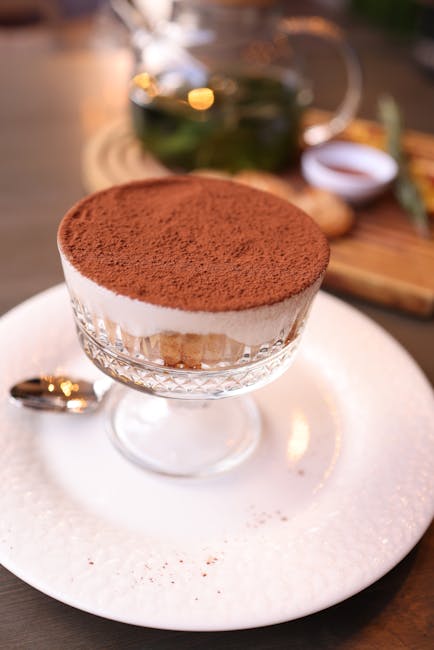
To finish on a sweet note, tiramisu is one of Italy’s most beloved desserts. In Rome, several pastry shops and small trattorie make it from family recipes. Pompi is famous for its classic tiramisu and its variations (fruit, Nutella, pistachio) and has a shop much loved by locals. Enjoying a tiramisu in a trattoria or authentic pasticceria is the perfect creamy finish, paired with a strong espresso.
Pompi — Practical details
- Address: Pompi, Via degli Uffici del Vicario, 40, 00186 Roma RM (near Piazza Venezia / Monti)
- Price: Portion of tiramisu €4–€7; takeaway jars €8–€15 depending on size
- Opening hours: Open every day, 09:00–22:00
Classic tiramisu combines mascarpone, eggs, sugar, strong espresso and savoiardi biscuits soaked in coffee. Local versions sometimes add a splash of Marsala or high-quality cocoa. After a heavy trattoria meal, tiramisu offers an airy texture and the bitter note of coffee to cleanse the palate.
Tips: order an espresso to go with the dessert — it’s the most Roman way to finish. If you prefer something lighter, look for fruit-based dolci or panna cotta in neighborhood pastry shops.
Conclusion — Tips for a successful tasting in Lazio
Exploring Rome through its trattorie means embracing a way of life where food, history and place meet. To make the most of these ten must-try dishes, a few simple rules will help: favor places frequented by locals, reserve when possible (crowd-pleasers like Da Enzo, Roscioli or Da Felice fill up fast), and choose off-peak hours if you want to avoid tourist throngs. Learn a few culinary Italian words — “al dente”, “conto”, “acqua naturale” —; they smooth interactions and show respect for tradition.
Budget-wise, expect a reasonable range: a primo (pasta) usually costs between €10 and €20 in a good trattoria, meat dishes €15–€25, and desserts €4–€8. Local wines (Frascati, Cesanese, Montepulciano) are often priced fairly and pair wonderfully with these rustic dishes. For seasonal specialties like artichokes, time your trip: carciofi alla giudia is at its best from February to April.
Finally, let your nose and curiosity guide you: a queue, the smell of frying, heat from an oven or a group of locals laughing around a big table are often reliable signs of a great trattoria. These ten dishes form a culinary identity card of Lazio — from the pure simplicity of cacio e pepe to the generosity of porchetta, and the stretchy pleasures of supplì — each one tells a different story of Rome. Buon appetito and safe travels: the Eternal City awaits with sharp flavors, comforting textures and trattorie that whisper the soul of Lazio.