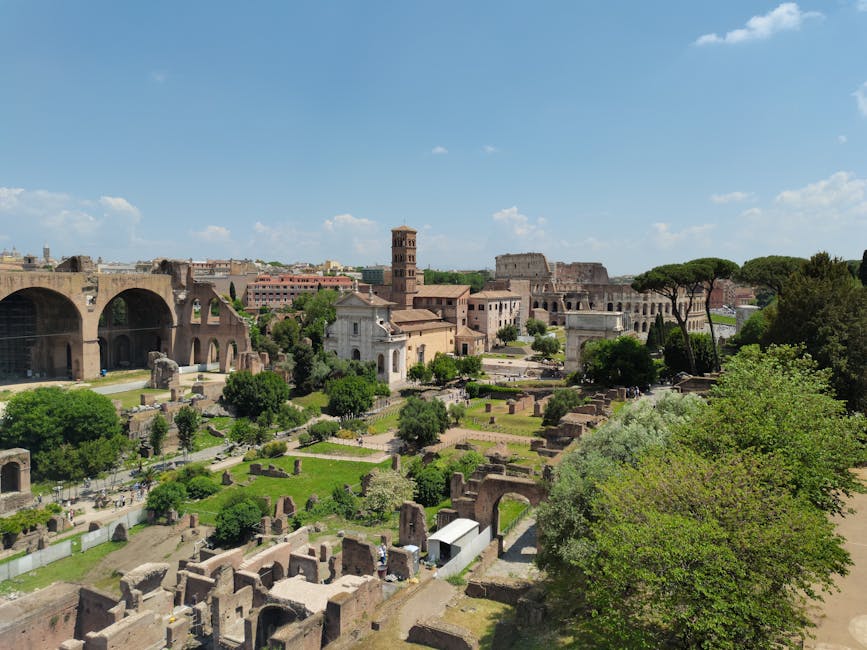






Introduction — Rustic Rome: why the Latium’s century-old trattorie feel like time machines
Rome isn’t just a city of grand monuments and museums: it’s also a living tapestry of flavors, smells, and folk stories. In Latium, and especially in the Eternal City, century-old trattorie act as little time capsules where cooking blends with family memory, recipes passed down through generations, and a warm hospitality that has endured the upheavals of the 20th and 21st centuries. These places, often modest on the outside and full of human warmth inside, keep a rustic style — checkered tablecloths, exposed beams, yellowed photographs on the walls — inviting visitors to slow down, listen, and savor.
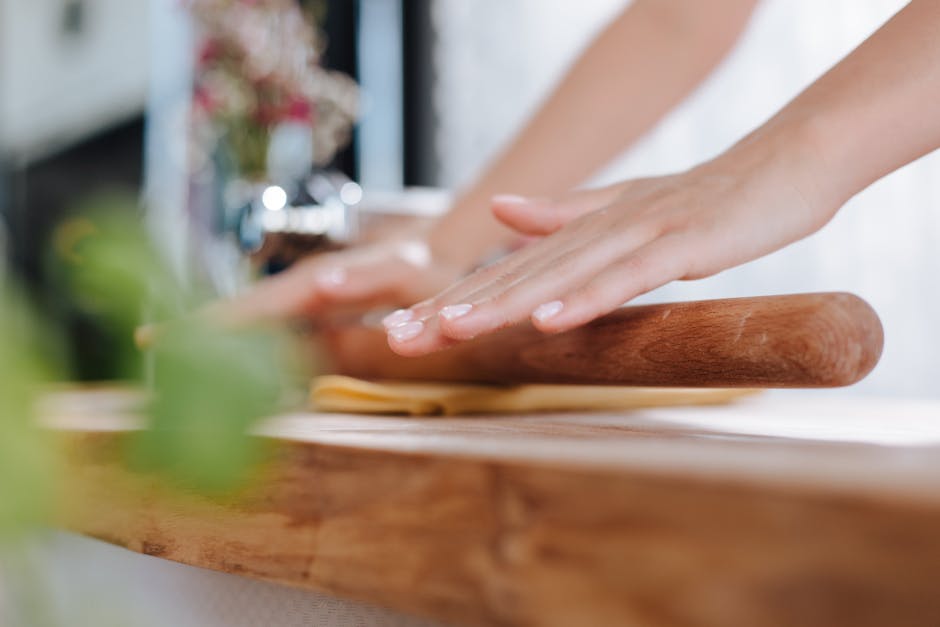
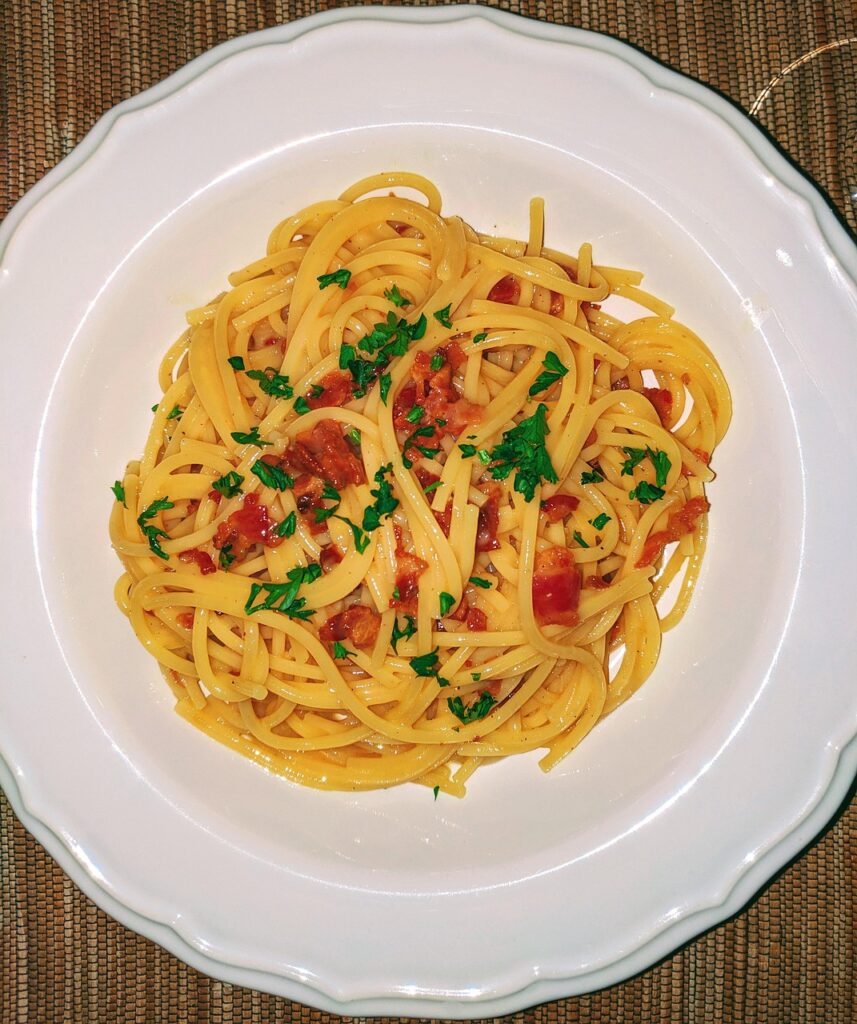
This guide will take you through historic trattorie in Latium with practical info: exact addresses, typical hours, price ranges, and recommended dishes. We focus on places known for their longevity and authenticity: small neighborhood spots in Trastevere, the hearty temples of peasant cooking in Testaccio, and family-run houses near the Pantheon serving age-old recipes. The goal is twofold: give concrete routes for anyone wanting to taste a carbonara prepared much like it was fifty years ago, and provide historical and sensory context to better appreciate every bite — the crisp edge of a Roman-style fried artichoke, the texture of handmade fresh pasta, the scent of grilled guanciale.
When you step over the threshold of a century-old trattoria, you’re also stepping into an older form of sociability: lively conversations at the bar, waitstaff who know the regulars, unchanged menus hung on the wall. These places often keep reasonable prices despite their reputations: a pasta dish between €10 and €16, a traditional main 12–22 €, and house wine from €4–6 a glass. Hours can be strict — many trattorie close in the afternoon and reopen for dinner — and reservations are recommended, especially on weekends. Finally, respect for local traditions sometimes comes with unspoken rules: don’t ask for extravagant changes to a classic dish, arrive on time for lunch service, and accept that the daily special may run out.
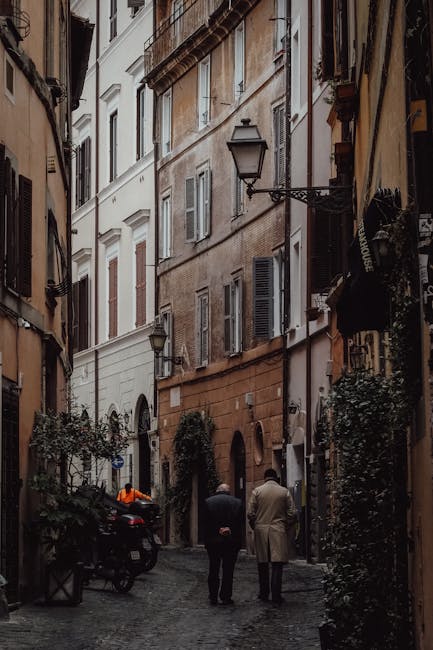
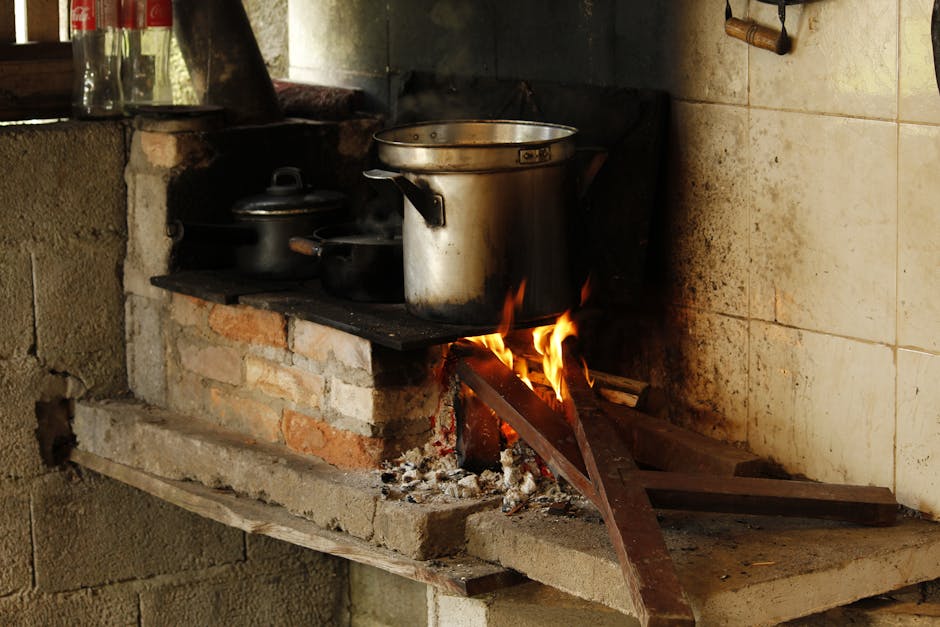
Trastevere: the neighborhood soul in its alleys — Trattoria Da Enzo al 29
Trastevere is the heart of Rome’s popular neighborhoods and one of the best places to feel the vibe of a century-old trattoria. Trattoria Da Enzo al 29 is a must-visit: located at Via dei Vascellari, 29, 00153 Roma, it occupies a cozy corner where Roman cooking is served without fuss. Open Tuesday to Sunday, 12:30–15:00 for lunch and 19:00–23:00 for dinner; closed on Mondays. Reservations are strongly recommended — phone: +39 06 581 2260 (check before you go).
The menu is short and carefully curated: a carbonara around €12–14, an amatriciana €11–13, a saltimbocca alla romana €16–18. Antipasti like artichokes alla Romana typically cost €8–10. Expect food faithful to tradition: al dente pasta, generous use of guanciale and pecorino romano, rustic sauces and few modern flourishes. The place isn’t chasing novelty but rather excellence through consistency.
Local tips: arrive 10–15 minutes before opening if you don’t have a reservation, enjoy an espresso at the bar after your meal, and ask the staff for their recommendation on the house wine (glass from €4). If you visit in high season, have a backup option in Trastevere in case the line is long.
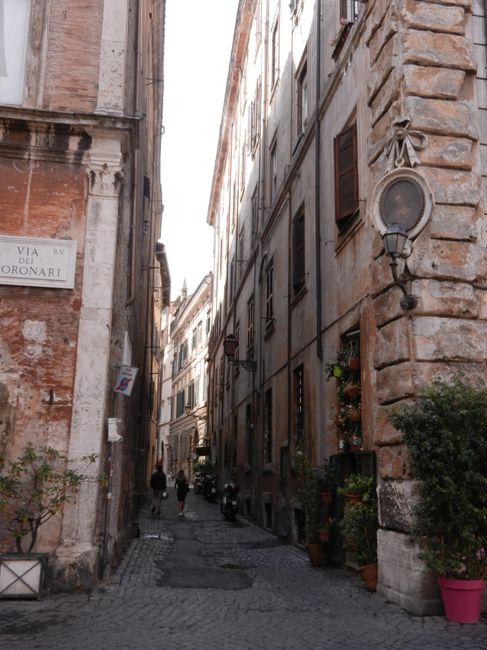
Testaccio: peasant cooking and parrillas — Checchino dal 1887 and Flavio al Velavevodetto
Testaccio is the neighborhood of Rome’s most authentic culinary tradition, historically linked to slaughterhouses and food markets. Two addresses embody that heritage: Checchino dal 1887 (Via di Monte Testaccio, 30, 00153 Roma) and Flavio al Velavevodetto (Via di Monte Testaccio, 97, 00153 Roma). Checchino usually opens Tuesday to Sunday, 12:30–15:00 and 19:00–23:00; average prices: antipasti €8–12, primi €10–14, secondi €14–22. Flavio al Velavevodetto, renowned for its home-style pasta and roasted dishes, is open daily from 12:30–15:00 and 19:00–23:30; mains €12–25.
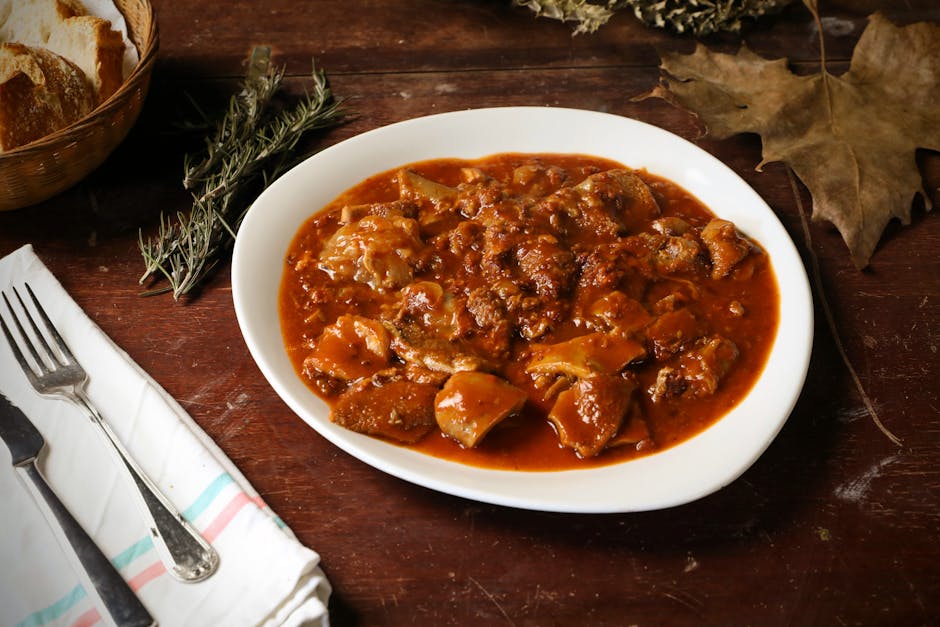
At Checchino dal 1887 the focus is on meats and the tradition of the “quinto quarto” (less noble cuts transformed into flavorful dishes): trippa alla romana, coda alla vaccinara, and other age-old specialties. The dining room, with dark wood and archival photos, shows its family roots. At Flavio, the oven cooking and fresh pasta steal the show: don’t miss the rigatoni al forno and the fried artichokes served generously. Both places offer an experience where service is professional yet warm, and simple decor lets the food take center stage.
Practical tips: Testaccio is also a great area to combine a market visit with a meal — stop by Mercato Testaccio in the morning. For lunch at these places, budget €20–35 per person if you order an appetizer, a main and wine. On weekend evenings, book at least 3–4 days ahead.
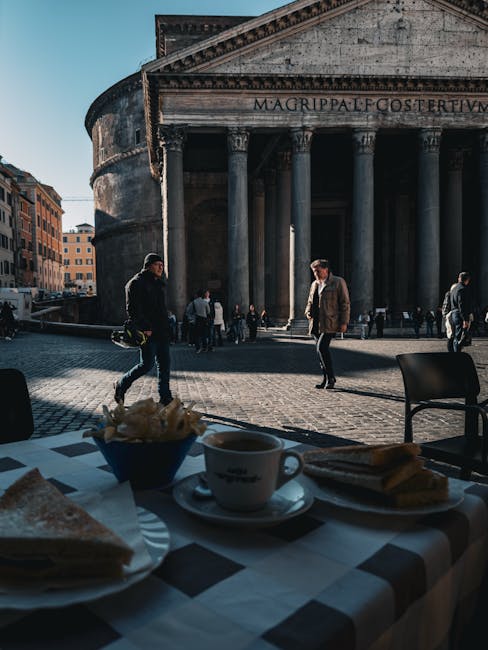
Centro Storico: culinary ceremonies around the Pantheon — Armando al Pantheon
The historic center draws tourists, but it also shelters trattorie that have retained their soul. Among them, Armando al Pantheon is an institution: Salita dei Crescenzi, 31, 00186 Roma. Founded in the 1960s by a restaurateur family, the place offers classic Roman cuisine in intimate dining rooms. Typical hours: open every day except Sunday night, 12:00–15:00 and 19:00–23:00. Indicative prices: primi €12–16, secondi €18–28, desserts €6–8.
Armando is known for its precision: you’ll find dishes like cacio e pepe prepared with mastered technique, seasonal preparations featuring lamb or hare, and a fine selection of Italian wines. The decor is restrained, with a few white tablecloths and vintage portraits; the service is formal but familiar, and the proximity to the Pantheon makes it an ideal spot to combine sightseeing with a refined meal.
Local tip: avoid the tourist peak hours (12:30–14:00 and 20:00–21:30) to enjoy a calmer service. Prices are a bit higher than in Trastevere or Testaccio — expect €35–50 per person with wine for a full meal. For a deeper immersion, ask the server about a dish’s history: many plates come with family anecdotes.
Monti and neighborhood charm — Trattoria da Cesare al Casaletto and Da Teo
The Monti neighborhood, next to the Colosseum, mixes a boho vibe with neighborhood traditions. Here, Trattoria Da Cesare al Casaletto (Via del Casaletto, 45, 00151 Roma) and Trattoria Da Teo (Piazza dei Ponziani, 7a, 00153 Roma) offer two complementary experiences. Da Cesare al Casaletto, a bit off the beaten path, is a family-run spot with simple, generous cooking: starters €6–10, primi €9–14, secondi €13–20. Hours: Tuesday–Sunday 12:30–15:00 and 19:00–23:00; closed Monday.
Da Teo, straddling Trastevere and Monti depending on how you define the area, serves fresh pasta and fish dishes according to daily catch: baccalà alla romana, fritto misto. Prices remain moderate: antipasti €7–12, primi €10–16, wines by the glass €4–6. The atmosphere is convivial, often noisy and full of regulars and students.
Tips: to save money, share antipasti and choose a primo (pasta) rather than a secondo. Locals recommend trusting the daily special (« piatto del giorno« ): it reflects the market and the season. Check opening hours, as some places close for an afternoon break.
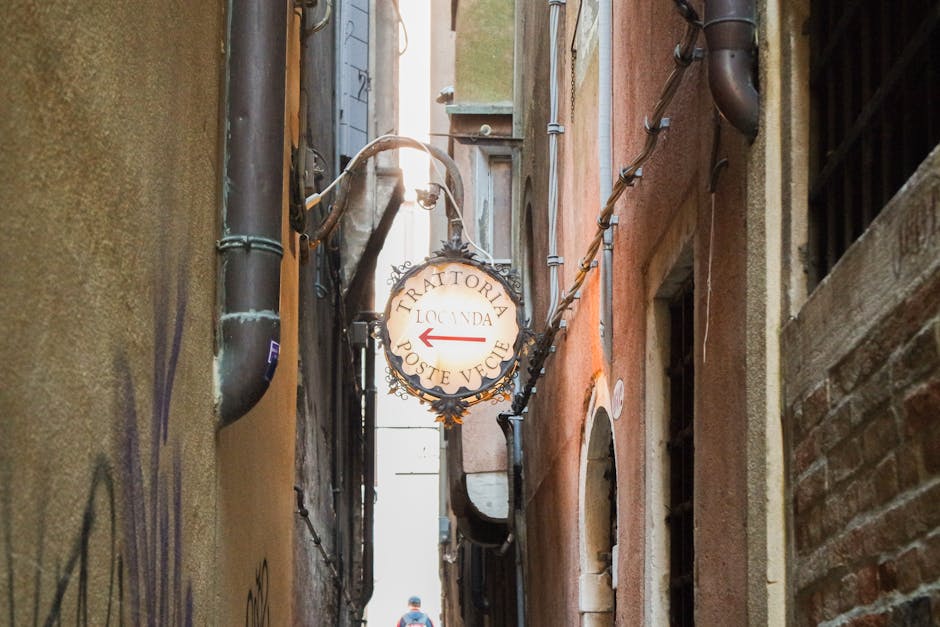
Practical tips for traveling back in time with ease
Visiting these century-old trattorie requires a few precautions to preserve the experience: book when possible, arrive on time, and accept local customs. Generally, budget €20–50 per person depending on number of courses and wine; a full meal in a historic trattoria (antipasto, primo, secondo, dessert and a glass of wine) often falls between €30 and €50. Service hours are usually strict: lunch between 12:00 and 14:30, dinner starting at 19:00 until 22:30–23:00. Many places close between 15:00 and 18:30.
A few unwritten rules: avoid asking for excessive substitutions on traditional dishes (for example, removing the egg from carbonara), respect shared portions if offered a communal plate, and leave a modest tip (5–10% for exceptional service). Bring cash if you plan to visit small neighborhood trattorie — some accept cards only for amounts above €15–20.
Lastly, let curiosity lead you: ask staff about the house’s history, request the signature dish, and dare to try lesser-known specialties like coda alla vaccinara or trippa. These dishes often tell the richest stories about Latium’s social and culinary past.
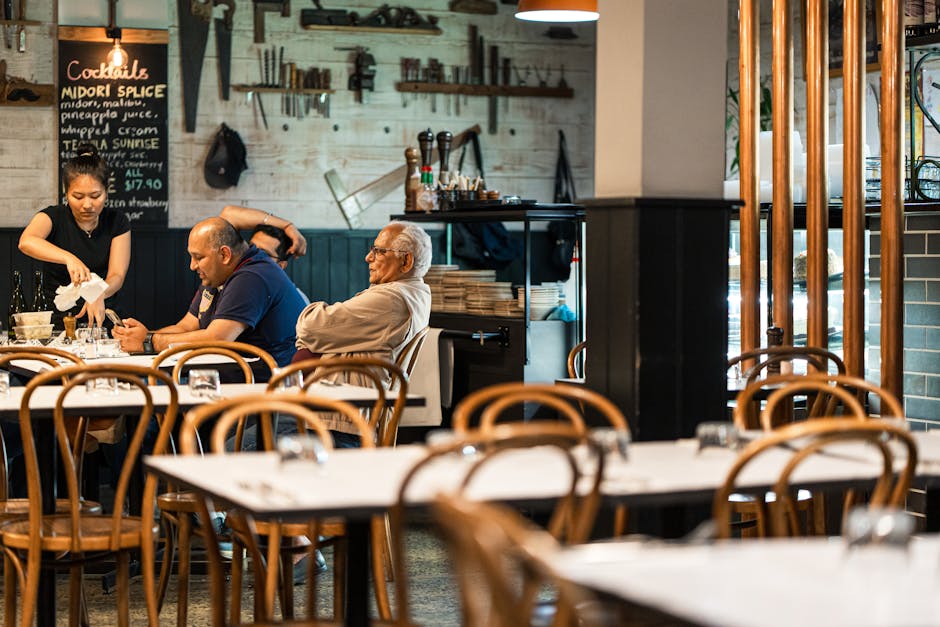
Conclusion — Between tradition and memory: the intangible value of century-old trattorie
Latium’s century-old trattorie are more than restaurants: they are living witnesses to a popular food culture, places where culinary technique has been transmitted without interruption and where the table remains a symbol of community. When you walk through their doors, you’re not just consuming a dish; you’re placing your curiosity into a historical continuum. The addresses mentioned — Trattoria Da Enzo al 29, Checchino dal 1887, Flavio al Velavevodetto, Armando al Pantheon, Trattoria Da Cesare al Casaletto and Trattoria Da Teo — each offer their own version of this experience, varying by neighborhood, clientele and family history.
Traveling back in time here is a sensory journey: the smell of sizzling guanciale, the clink of cutlery on enamel plates, the sight of handwritten recipes pinned to the wall, the taste of a sauce that has matured with the house. These elements aren’t gimmicks for tourists: they’re essential to understanding a terroir. If you want an authentic immersion, plan your visit with opening hours in mind, book ahead, and be ready to embrace the simplicity that defines these places. In return you’ll leave not only full, but feeling as if you’ve shared a timeless moment rich in stories and flavors.
Whether you’re a food traveler, a history lover, or simply in search of an honest meal, Latium’s century-old trattorie offer a cultural and sensory journey. Treat them like living monuments: their survival depends as much on your appetite as on your respect for local traditions. Buon appetito and buon viaggio through Rome’s rustic lanes.