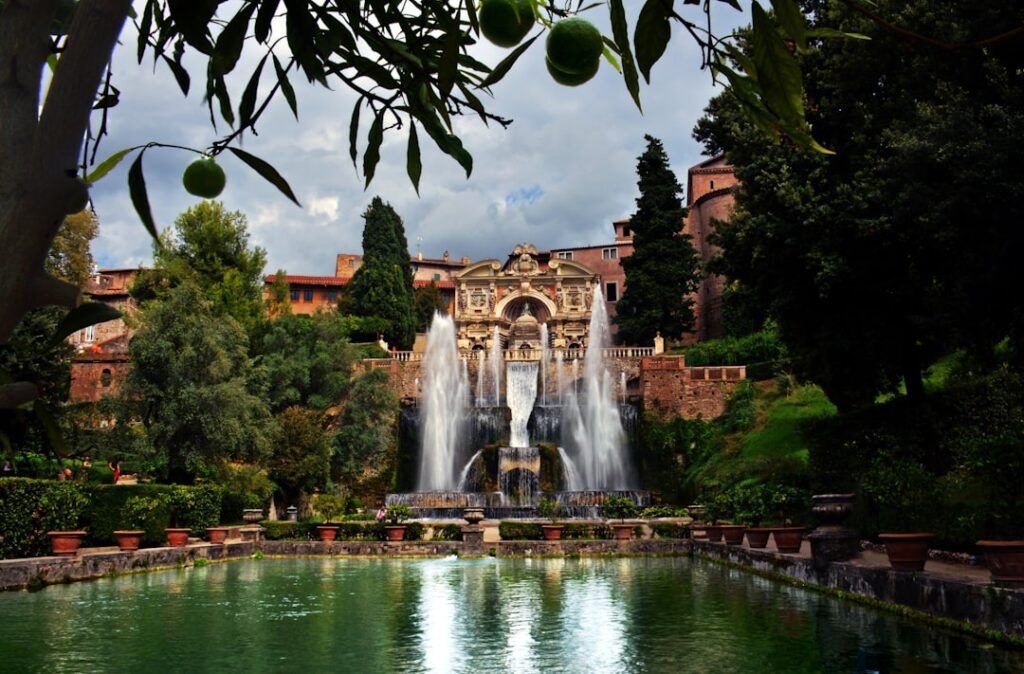






Introduction — Tivoli Day Trip: Renaissance Villas, Secret Gardens & Waterfalls Just Outside Rome
Only about thirty kilometres east of Rome, Tivoli feels like a breath of fresh air where history and nature meet: Renaissance masterpieces, ancient remains and landscapes carved from water and stone sit side by side. This small town in Lazio, long beloved by Romans for its mild microclimate and sweeping views, is ideal for a day trip or a cultural weekend away from the city buzz. Visitors come for three main treasures: the sumptuous Villa d’Este, famed for its water features and terraced gardens; Villa Adriana (Hadrian’s Villa), an expansive imperial complex that showcases Roman architectural grandeur; and Parco Villa Gregoriana, whose gorges, waterfalls and ruins bring a wild edge to an otherwise civilized landscape.
Across this article I offer an immersive, practical guide to Tivoli: exact addresses, opening hours, up-to-date euro prices at the time of writing, visiting tips, and visual cues to help you photograph and fully enjoy each site. My aim is twofold: to convey the atmosphere of each place — the whisper of water at Villa d’Este, the contemplative sweep of Villa Adriana, the thunder of the falls at Villa Gregoriana — and to give you the logistical tools to plan a stress-free outing (transport from Rome, recommended routes, best times to avoid crowds, where to eat local food).
Tivoli isn’t just a set of isolated monuments: it’s a living town where alleyways, little cafés and viewpoints are all part of the experience. The historic villas set the pace, but getting lost in the old quarters, stopping for an espresso on a piazza, or following a trail along the Aniene river are great ways to extend the magic. In this guide each section includes precise details (full name, address, price, hours), a descriptive overview and practical tips to help you make the most of your visit, whether you’re an amateur photographer, a family traveler, an architecture lover or a curious hiker.
Because the sensory side matters as much as the historical context, I also give visual tips — suggestions for shots to capture — for each site, so you know where to stand at sunrise, how to frame photos around Renaissance fountains, or which vantage points to choose to take in Villa Adriana’s sweeping geometry. Pack good shoes (paths can be stony and there are many stairs), a light jacket (it can be cool near the waterfalls), and your curiosity: Tivoli is best discovered with both your eyes and your heart.
Villa d’Este: Renaissance palace and a water symphony
Full name: Villa d’Este, Tivoli — Renaissance palace and gardens
Address: Piazza Trento, 5, 00019 Tivoli RM, Italy
Price: adult ticket €12, reduced €8 (youth, seniors, groups) — indicative prices, may vary with season and temporary exhibitions
Opening hours: usually daily 8:30 – 19:30 (last entry 18:30); extended hours in high season (April–October). Check the official site the day before your visit to confirm.
Villa d’Este is one of the high points of Italian Renaissance garden design and landscape architecture. Commissioned by Cardinal Ippolito II d’Este in the 16th century, it pairs an ornately decorated palace with an innovative hydraulic system: fountains, basins, water plays, aligned obelisks, artificial rivers and grottoes. You approach along a paved climb that opens onto the frescoed palace façade and loggias, then onto a sequence of terraced gardens that gradually release views over the Aniene valley.
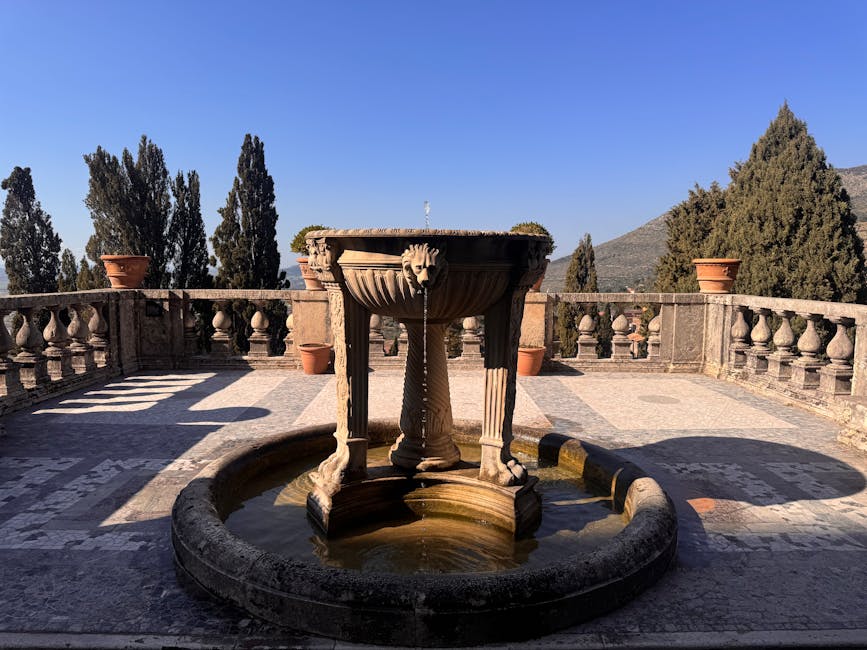
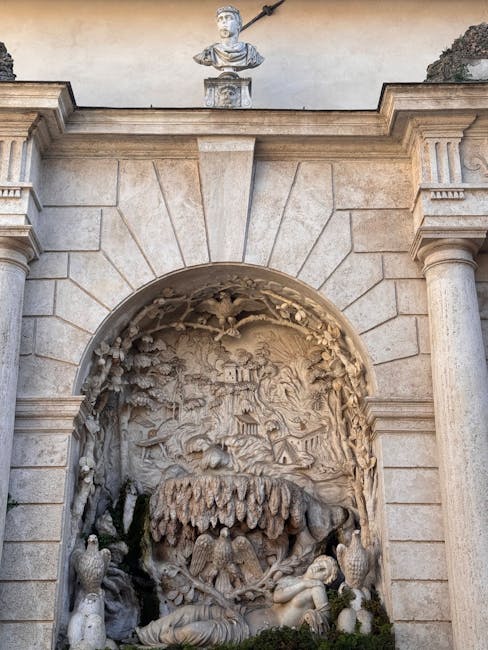
Highlights in the park include the Fountain of Neptune, the Fontana dell’Ovato, the Loggia di Bicchierone and, above all, the spectacular Fountain of the Giants. Each fountain is a little stage — you’ll often hear water before you see it; that theatrical reveal is deliberately staged to surprise and delight visitors. The garden is an early example of water used as landscape drama, with canals and hydraulic features still in operation.
Practical tips: arrive right at opening to avoid tour buses from Rome; late afternoon offers warm light on the façades and fewer people. Comfortable shoes are a must (lots of stairs and cobbles). There’s a small ticket booth and toilets at the entrance; have both cash and card ready (ticket machines sometimes accept card only). Don’t miss the overlook with panoramic views of the valley and, on clear days, glimpses of Rome in the distance.
Villa Adriana (Hadrian’s Villa): imperial sprawl and architectural machines
Full name: Villa Adriana (Hadrian’s Villa) — Complesso monumentale di Villa Adriana
Address: Via di Villa Adriana, 2, 00010 Tivoli RM, Italy
Price: adult ticket €12, reduced €7–€10 depending on category (EU students, seniors); combined tickets sometimes available
Opening hours: usually 9:00 – 19:00 (last entry 18:00); occasional closures for works or public holidays.
Villa Adriana, the vast estate built by Emperor Hadrian in the 2nd century, is less a single “palace” and more a collage of reimagined architectures: massive baths, palaces, libraries, theatres, pools and gardens. Walking Villa Adriana is an exercise in changing scale — monumental structures sit alongside intimate courtyards and carefully arranged patios. The Canopus, a long decorated pool framed by columns, and the Teatro Marittimo, a small artificial island surrounded by water, are among the most photogenic spots.
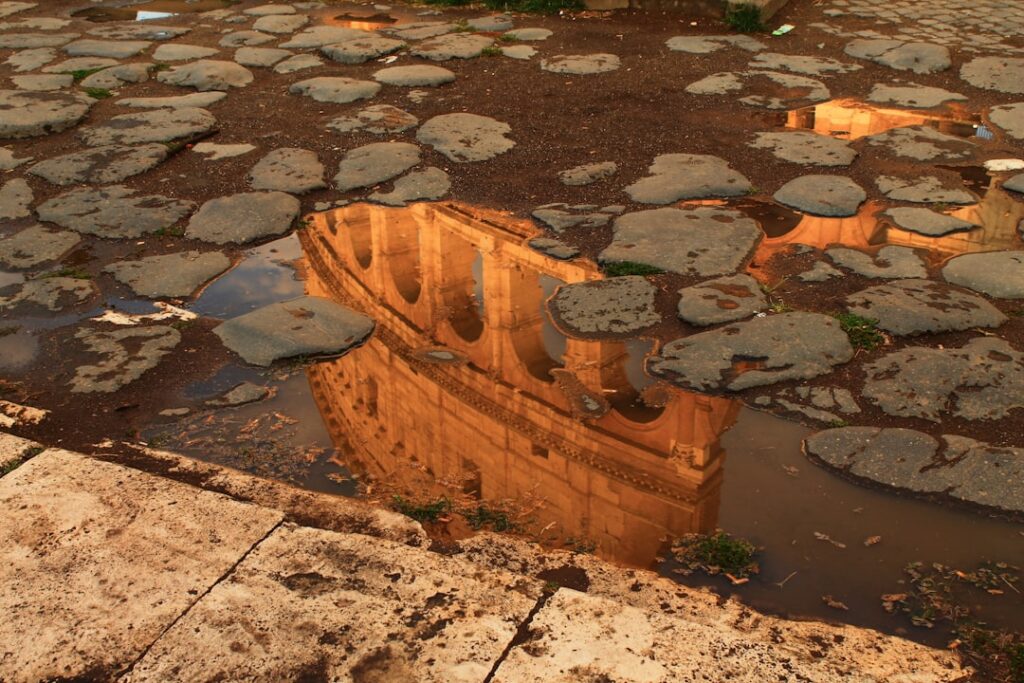
The ruins provide a fascinating lesson in Roman building: massive arches, mosaic fragments, water supply systems and expansive baths reveal technical and aesthetic mastery. The site is extensive (plan for at least 2–3 hours), and parts of the ground can be uneven, with gravel paths and grassy areas.
Practical tips: bring water and a hat in summer (some stretches have little shade); use the internal shuttle if you want to limit walking (subject to availability). Audio guides and guided tours (around €8–€15 depending on language and length) add valuable context to understand the role of each complex. For photographers, the golden hours (sunrise and sunset) enhance lines and reflections in the pools.
Parco Villa Gregoriana: gorge, waterfalls and temples amid lush greenery
Full name: Parco Villa Gregoriana — Parco archeologico di Villa Gregoriana
Address: Via di Villa Gregoriana, 1, 00019 Tivoli RM, Italy
Price: adult ticket €8, reduced €5 (youth, seniors) — often cheaper than the villas; accessibility can vary
Opening hours: usually 9:00 – 18:00 (hours vary by season); partial winter closures possible for safety reasons.
Parco Villa Gregoriana is a 19th-century project aimed at protecting Tivoli from floods and showcasing the geological formations carved by the Aniene river. The park carves into the rock to create a dramatic gorge where waterfalls, caves, suspended paths and ancient ruins appear in sequence. The ruins of the Temple of Vesta and the Temple of the Sibyl, perched on the promontory, provide theatrical frames over the valley.
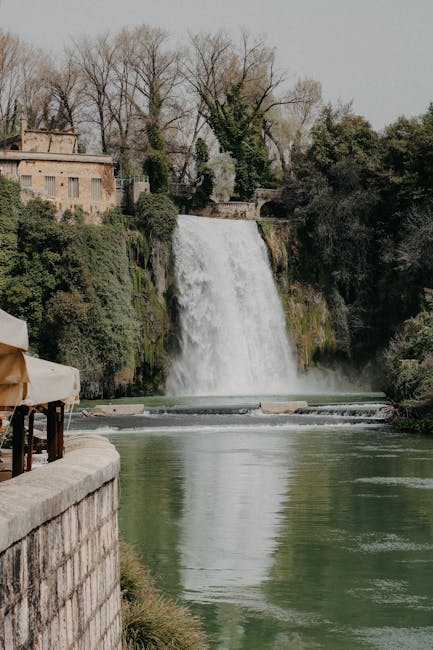
The descent into the gorge is via stairs and walkways that bring you very close to the roar of the water and the rock walls. The experience is sensory: the crash of the falls, the ambient coolness, the interplay of shadow and light under the tree canopy. It’s perfect for those who love the blend of nature and antiquity — less formal than Villa d’Este’s ordered gardens.
Practical tips: wear non-slip shoes and avoid days of heavy rain (trails get slippery). The park is family-friendly but some sections are physically demanding; strollers are not recommended. The overlooks above the town and over the river are fantastic spots for dramatic photos, especially after light rain when the falls swell.
Getting around, eating and extending your visit: practical tips and local addresses
Getting to Tivoli from Rome is straightforward: take the regional train from Roma Tiburtina station (FL2 line toward Tivoli) to Tivoli station (journey ~35–45 minutes), then a local bus or taxi to the villas; by car take the A24/SS5 or the Via Tiburtina depending on your start point — journey ~30–50 minutes depending on traffic. From the station Villa d’Este is about a 15–20 minute walk; Villa Adriana is roughly 5–6 km from the station (COTRAL bus or taxi). Check regional bus (COTRAL) timetables in advance, especially for evening travel.

Where to eat: the town has a handful of authentic trattorie and cafés. A few practical suggestions (useful addresses):
- Ristorante Sibilla — Piazza del Plebiscito, 12, 00019 Tivoli RM — Roman specialties and valley views (main courses from €18–€25); open 12:30–15:00 and 19:00–22:30.
- Trattoria del Principe — Via della Sibilla, 14, 00019 Tivoli RM — local menu, sharing plates (dishes €10–€18); open 12:00–15:00, 19:00–23:00.
- Bar Centrale — Piazza Garibaldi, 11, 00019 Tivoli RM — for an espresso, a cornetto and quick sandwiches; open early morning until about 20:00.
These places are representative; make reservations in high season and try local dishes like pasta alla gricia or saltimbocca alla romana if you want a taste of Roman tradition.
Guided tours and audio guides: for Villa Adriana and Villa d’Este, opt for a guided tour of at least 90 minutes if you want a deep dive into the structures; local private guides typically charge €60–€120 for a group (share the cost). Individual audio guides cost roughly €5–€8 depending on the site. Buy tickets online in advance during high season to avoid queues.
Suggested one-day itinerary and weekend variations
One-day itinerary (tight and focused):
- Morning (8:30–11:30): Villa d’Este — arrive at opening to take advantage of morning light and relative solitude around the fountains.
- Late morning (11:45–13:30): lunch in town (Trattoria del Principe or Ristorante Sibilla).
- Afternoon (14:00–17:00): Villa Adriana — a long, contemplative visit of the ruins; allow at least 2–3 hours.
- Late afternoon (17:30–18:30): Parco Villa Gregoriana — a cool stroll by the waterfall if time and weather permit.
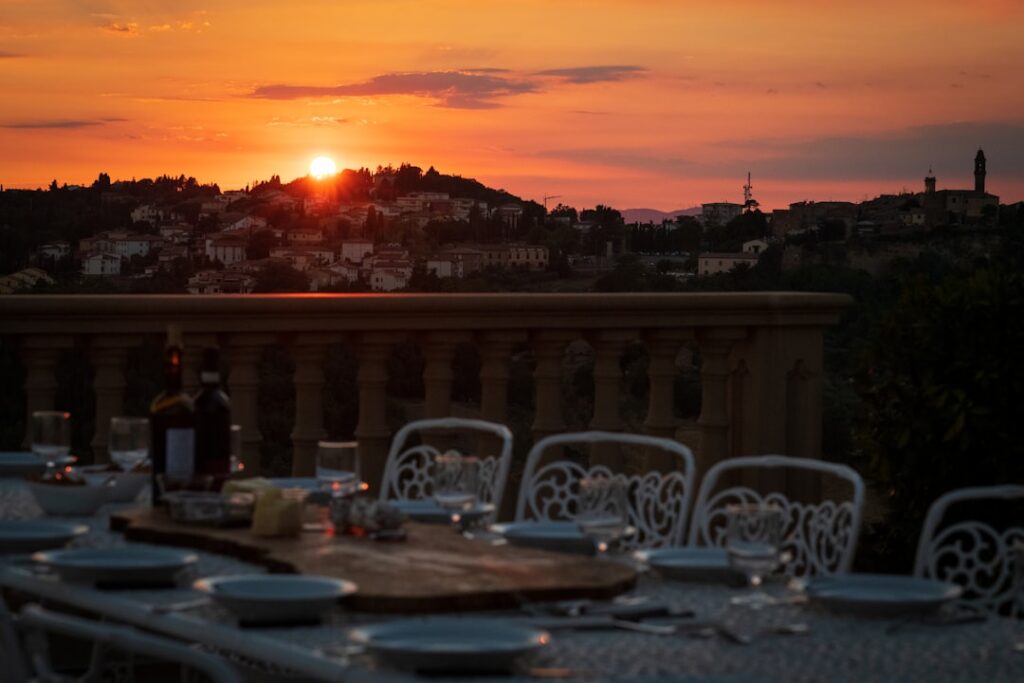
Weekend variant (more relaxed): add an overnight stay in Tivoli to enjoy a sunset from Villa d’Este, a night walk through the historic center and an early morning visit to Villa Adriana or a longer hike in the surrounding hills. If you’re into the arts, check for temporary exhibitions at Palazzo Doria Pamphilj or local cultural events (occasional classical concerts in garden settings).
Conclusion — Why Tivoli deserves your escape from Rome
Tivoli is one of those places where history, architecture and nature meet almost organically. Within a few kilometers and a few hours you move from a Renaissance world choreographed by water to the fragmented grandeur of an imperial villa, and then to the raw intimacy of a gorge carved by river. This variety makes Tivoli endlessly rewarding for repeat visits: each season alters how the sites feel — sparkling water jets in summer, soft spring mist, dramatic autumn light.
Practically speaking, Tivoli is accessible (train, bus, car) and offers tourist infrastructure: ticket offices, guided tours, restaurants and places to stay if you want to extend your discovery. Entrance fees remain reasonable considering the heritage value and the maintenance these sites require; still, allow a little extra in your budget for audio guides, local transport and a meal on a terrace. For photographers and landscape lovers, the overlooks and perspectives at Villa d’Este and Villa Adriana provide endless motifs: reflections, colonnade patterns, statue silhouettes and perfectly composed water lines.
Beyond logistics, what lingers is the sense of stepping back from Rome: Tivoli lets you slow down, listen to water, read the stones at leisure and appreciate the dialogue between nature and human creation. Whether you’re after a tightly planned day trip or a weekend immersion, Tivoli will welcome you with patient gardens, meditative ruins and secret paths. Take your time, follow the flow of the water, and leave space in your itinerary for an unexpected detour — those are often the most memorable discoveries.