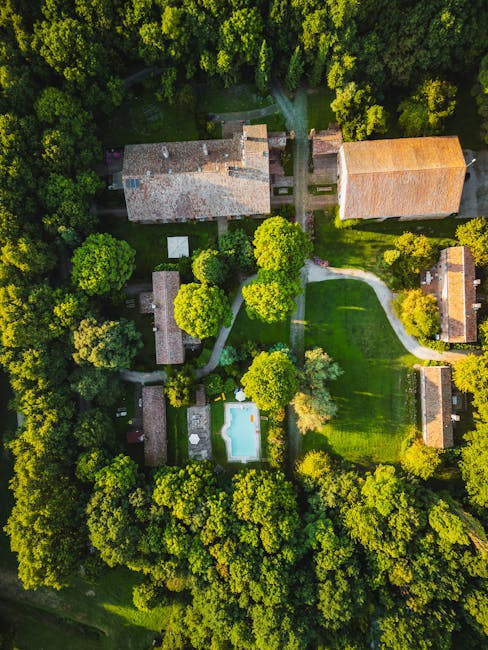






Introduction — Why choose an unforgettable night in a renovated sheepfold in Lazio
Lazio is a region of striking contrasts: from the bustle of Rome to the wild hills of the Sabina, from the limestone ridges of the Monti Lepini to the peaceful lakes of Sabina and Alta Tuscia. Scattered across these landscapes are the rural sheepfolds (the « pecoraie »), which tell an age-old story of shepherding, transhumance and simple, functional architecture. When sensitively restored, some of these old sheepfolds become unusual places to stay — where you can spend a night out of time, surrounded by stone, charred wood and the scent of Mediterranean scrub. Opting for a night in a renovated sheepfold means seeking authenticity, slowing down and immersing yourself in the rural life of Lazio.
This article is a practical, detailed guide to planning an overnight stay in a renovated sheepfold in Lazio: where to sleep, how much to budget, how to get there, what to bring, and what activities will perfectly complement the experience. We include concrete examples of accommodations (names, full addresses, prices in euros and check-in times), immersive descriptions of the places, meal suggestions and local producers, plus practical tips: night temperatures, recommended gear, site rules and transport options. The goal is to give you actionable information for a successful stay—whether a romantic getaway, a family night or a photography retreat.
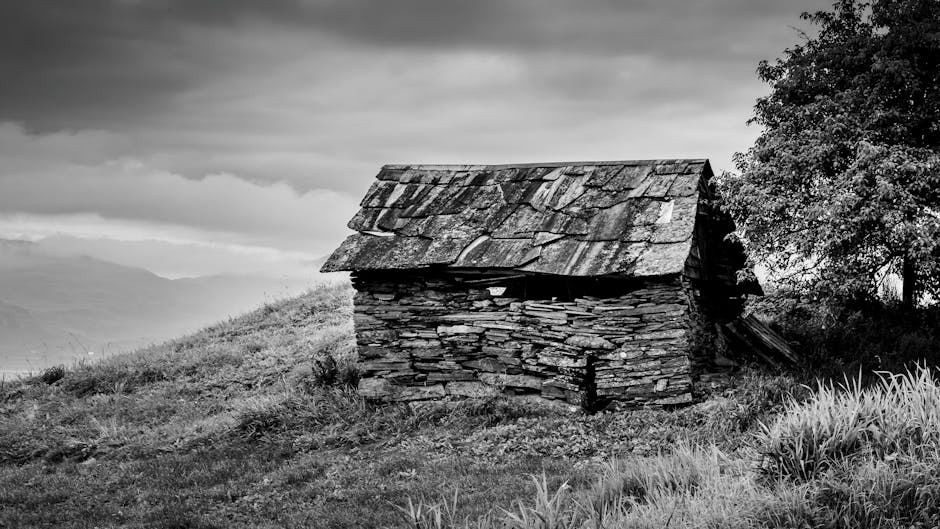
A renovated sheepfold stands out from other rural lodgings by its architecture: dry-stone or tuff walls, small openings once meant for livestock, roofs rebuilt with lauze or old tiles, and often a central wood stove. Most owners have preserved these features while adding modern comforts: quality bedding (140–180 cm beds), private or shared bathrooms, electric heaters and kitchens equipped to prepare local products. Prices vary with location (proximity to Rome, altitude, services): expect anywhere from €60 per night for a basic cottage up to €220 per night for a high-end sheepfold with dinner included.
Finally, a night in a renovated sheepfold is also a chance to discover Lazio’s lesser-known micro-terroirs: Sabina cheesemakers (pecorino di Amatrice, sheep ricotta), millennia-old olive groves, shepherds’ trails and views toward the Tyrrhenian Sea or the Abruzzo mountains depending on orientation. We include visual suggestions here to inspire your trip and help you search for reference photos before you go.
Choosing the perfect sheepfold: locations, amenities and indicative prices
Lazio has several areas well-suited to restored sheepfolds. Three zones stand out: the Sabina (province of Rieti), the Tyrrhenian coast and its hills (provinces of Rome and Viterbo), and the Alta Tuscia around Calcata and Viterbo. Each offers different strengths: Sabina is famous for olive trees and pastoral scenery, the Tyrrhenian hills combine sea proximity with rolling landscapes, while Alta Tuscia features volcanic terrain and medieval hilltop villages.
Concrete examples of accommodations:
- La Vecchia Bergheria, Via della Bergheria 12, 02040 Casperia (RI) — Rate: €80 / night for 2 people in a double room, breakfast included. Contact: +39 0765 000000 (book via website) — Check-in: 15:00–20:00, Check-out: before 11:00. Description: an 18th-century stone sheepfold restored with a wood stove, panoramic terrace over the Inviolata valley and a shared fully equipped kitchen. Services: dinner by reservation (rustic bread and local cheeses menu) €25 / person.
- Antica Pecoraia di Tolfa, Via del Poggio 7, 00059 Tolfa (RM) — Rate: €95 / night for 2 people, dinner included €35 / person. Phone: +39 06 500 0000 — Hours: check-in 16:00–19:30, check-out 10:30. Description: a renovated sheepfold on a limestone promontory, rooms with exposed beams, direct access to hiking trails and shared astronomy sessions (community telescope).
- La Pecoraia di Calcata, Piazza della Caciara 3, 01030 Calcata (VT) — Rate: €120 / night for a family suite (2 adults + 2 children), organic breakfast €8 / person. Booking by email: [email protected] — Hours: check-in 14:00–18:00, check-out before 11:00. Description: former sheepfold converted into 3 units, minimalist décor, eco-friendly plumbing and an aromatic garden with cookery workshops on request (pasta workshop €40 / person).
These examples reflect typical price ranges and services you’ll find across Lazio. Rates generally rise in high season (June–September) and around long weekends. For an authentic experience that includes a farmhouse dinner, budget an extra €20–50 / person depending on the level of service. Also check whether hot water and central heating are available in winter—many sheepfolds use wood-fired systems with limited heating hours.
Getting there and getting around: routes, transport and practical tips
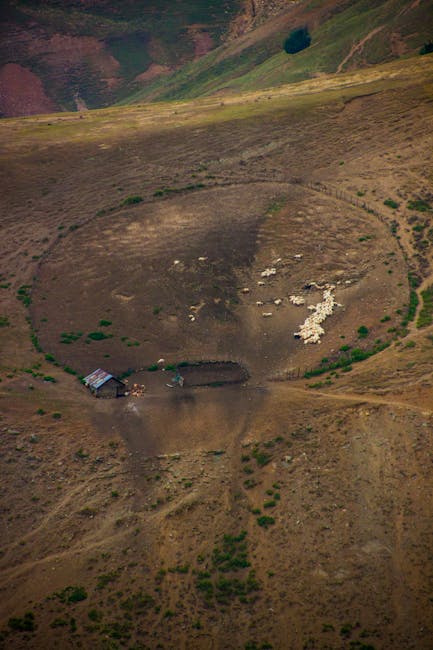
Reaching a renovated sheepfold often requires a bit of planning because many properties are located in remote rural areas. The main international gateway is Rome–Fiumicino Airport (Aeroporto Leonardo da Vinci, Via dell’ Aeroporto di Fiumicino, 00054 Fiumicino RM). From there, several options are available:
- Car hire: the most practical way to access sheepfolds. Rental companies at Fiumicino include Hertz, Avis, Europcar and Sixt. Approximate rates: €30–70 / day depending on season and vehicle.
- Train + taxi: some sheepfolds near small towns (Casperia, Calcata) can be reached by regional train to Orte or Poggio Mirteto, then taxi. Example: Rome Tiburtina → Poggio Mirteto-Fara Sabina (regional line), journey ~50–70 minutes, fare ~€6–10 per person. Then a local taxi: €30–60 depending on distance.
- Private shuttle: a convenient option if you don’t want to drive — book in advance. Typical fares: €80–150 between Rome and the sheepfolds depending on distance.
Practical tips:
- Check road conditions: secondary roads can be narrow and unpaved. In winter, some roads may be slippery or closed due to ice.
- GPS and offline maps: mobile signal can be weak. Download the region’s map in Google Maps or use an app like Maps.me.
- Arrival times: respect the listed check-in hours — many owners are farmers who handle arrivals outside standard office times.
- Night lighting: bring a headlamp for walks after dark away from the terrace or parking area.
Experiences and activities around the sheepfold: food, hikes and heritage
A night in a sheepfold lends itself to a fully sensory program. Here are activities to combine depending on location.
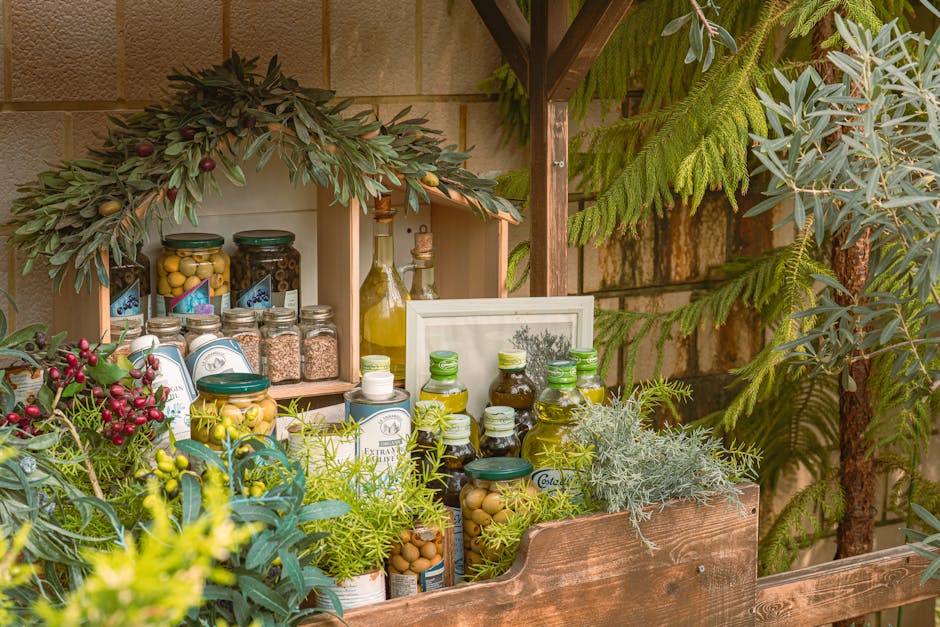
Food and drink: Sabina is famous for its olive groves and extra-virgin olive oil (e.g. Frantoio di Casperia). Visit local mills such as Frantoio Sociale Sabina, Via Molino 4, 02040 Mompeo (RI) — tours and tastings €10–15 / person, hours 09:00–12:30 and 15:00–18:00 by appointment. Don’t miss local dairies producing pecorino di Amatrice and sheep ricotta: Caseificio della Sabina, Via Fontana 2, 02032 Fara in Sabina (RI) — visit €12 / person, open 09:00–13:00, closed Sunday mornings.
Hiking and nature: the sheepfold often serves as a starting point for pastoral trails. Sample routes:
- Casperia–Torri in Sabina panoramic trail: loop of 5–7 km, moderate elevation change, duration 2–3 hours, viewpoints over the Tiber plain.
- Monte Soratte ridge (Riserva Naturale Monte Soratte), Via Monte Soratte 1, 01030 Sant’Oreste (VT) — accessible from many northern Lazio sheepfolds; park hours: 08:00–19:00, free entry. Easy to moderate hike, popular at sunrise and sunset.
Heritage and villages: take advantage of nearby medieval borghi. Calcata (01030 Calcata VT) is an artistic hilltop village, perfect for wandering before or after your night in the sheepfold. Local museum hours vary; craft shops typically open 10:00–18:00. Another option: visit medieval Tolfa (00059 Tolfa RM) and its clay « coppa » kilns, open on certain weekends with demonstrations.
Photography and stargazing: low light pollution makes sheepfolds ideal for astrophotography. Bring a tripod and a wide-angle lens. Some accommodations, like Antica Pecoraia di Tolfa, offer a shared telescope to view the Milky Way and planets (session €10–15 / person by reservation).

Local tips and sustainability: respect the place and support the rural economy
Respecting the environment and the local community is key to preserving these sheepfolds. Best practices include:
- Reduce waste: bring reusable bags and avoid single-use plastics. Many sheepfolds practice recycling—ask about sorting on arrival.
- Support local producers: buy olive oil, cheeses, farmhouse bread and preserves directly from hosts or at local markets (Casperia market: Piazza del Popolo, Saturday morning, 08:00–13:00).
- Energy: check which heating system is used (wood/electric) and limit heavy use of hot water in dry seasons. Some sheepfolds use solar panels and rainwater recovery systems—follow conservation guidelines.
- Flora and fauna: don’t pick protected plants and stick to marked trails to avoid soil erosion.
Additional practical advice:
- Clothing: nights can be cool year-round at altitude (bring a fleece and a windbreaker). In summer evenings are pleasant but mornings can still be chilly.
- Footwear: sturdy hiking shoes for rocky trails.
- Language and communication: Italian is predominant; English may be limited in rural areas—learn a few basic phrases or download a translation app.
- Booking: reserve at least 2–4 weeks ahead in high season. Many sheepfolds manage bookings by email or phone; ask for recent photos of the property if you have specific requirements.
Conclusion — A night that reconnects: key takeaways for a successful sheepfold stay
Spending an unforgettable night in a renovated sheepfold in Lazio means choosing an experience where authenticity meets discreet comfort. You’ll sleep within walls that once sheltered sheep and shepherds, wake to birdsong and sometimes the bleating of a flock. Restored sheepfolds strike a balance between heritage conservation and modern amenities: comfortable bedding, clean facilities, and often a kitchen to discover local products. Prices vary widely—€60 to €220 per night depending on location, season and services—but the real value usually comes from personalized hospitality and the opportunity to engage with farm life.
To make the most of your stay: plan your transport (a car is recommended), book ahead if you want dinner on-site, bring the right gear (headlamp, warm clothing, hiking shoes) and support the local economy by purchasing local products and services. Respect house rules and the environment to help preserve these fragile places. Above all, slow down: a sheepfold is best savored slowly, over a stove-lit dinner, an evening walk at sunset and a star-filled night far from city lights.
If you do this, you’ll help sustain these rural heritages and leave with powerful memories: the smell of burning wood, the rough texture of stone, the taste of freshly made sheep cheese and the peace of an untouched night sky. Book your night, pack your boots and appetite—the sheepfold awaits.