






Introduction: Viterbo Lace and Embroidery — a Textile Heritage Waiting to Be Discovered
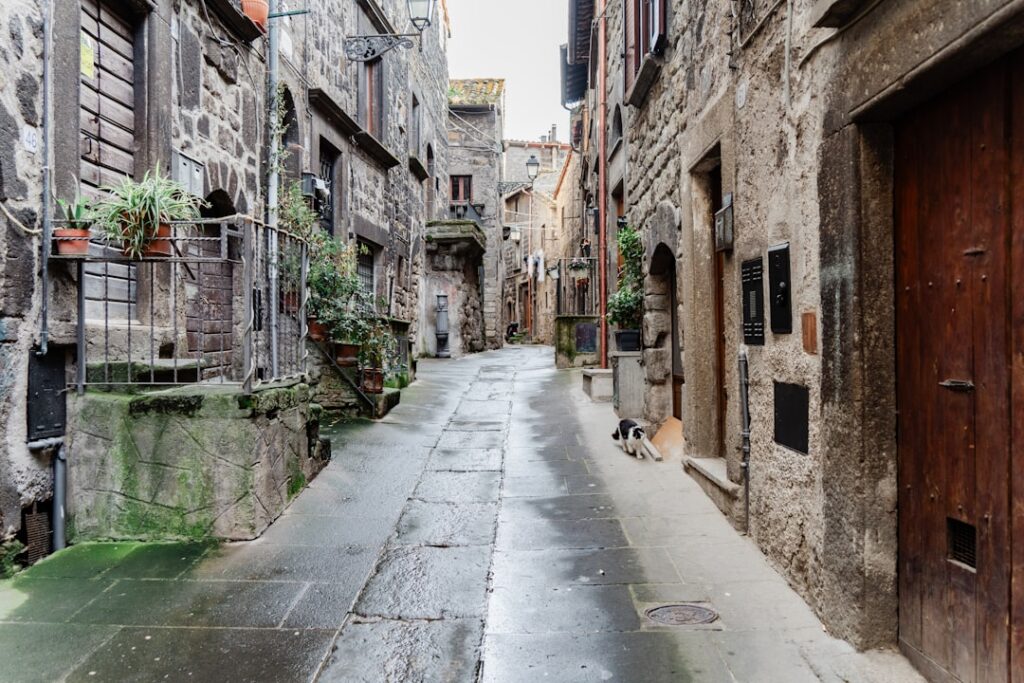
The province of Viterbo, in the heart of Lazio, is much more than its medieval alleys and thermal springs; it also shelters a rich textile heritage where lace, embroidery and age-old handicraft skills have been handed down through generations. This guide offers a hands-on introduction to the world of Viterbo’s lace makers and embroiderers, highlighting the workshops, studios, museums and events where you can watch, learn and buy unique pieces. The approach is both cultural and practical: exact addresses, typical opening hours, entrance or class fees, sensory descriptions and local tips to help you make the most of the experience.
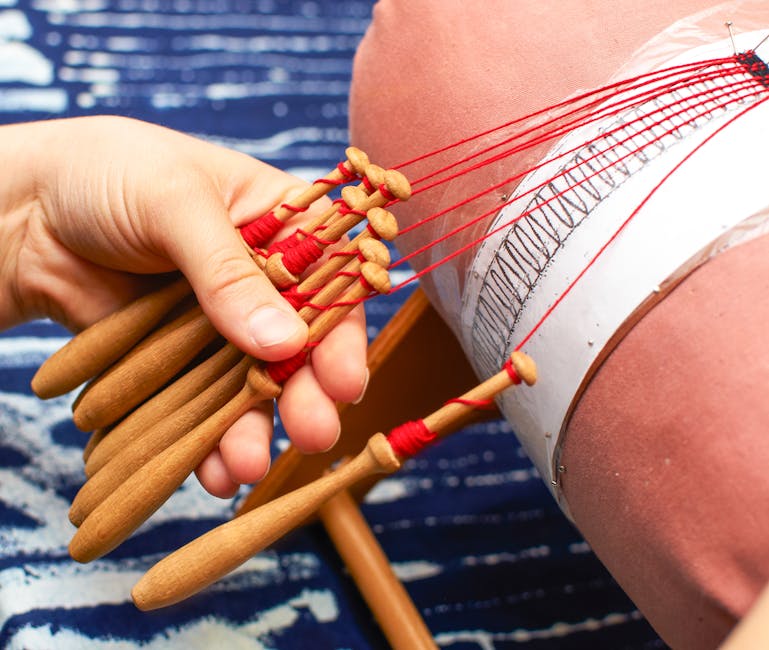
Textile tradition in the area rests on a variety of techniques — network stitch, pulled-thread embroidery, needle embroidery, and merletto a tombolo (bobbin lace) — adapted to liturgical fabrics, domestic sewing or local haute couture. In Viterbo and nearby towns like Bagnaia, Civita Castellana and Montefiascone, family-run workshops still keep pattern cards, antique bobbins and exceptional pieces that are displayed in small showrooms or at seasonal craft fairs. Curious visitors can not only see these techniques in action but also take beginner classes, buy local supplies (threads, linens, embroidery frames) and leave with something they made themselves.
This guide is practical: it steers you to specific addresses in Viterbo, lists likely opening hours and fees (given as a guide and subject to change), and delivers immersive descriptions so you can picture the atmosphere of each spot. You’ll discover shop-workshops, associations dedicated to preserving merletto, local museums exhibiting embroidered liturgical garments, and annual events that showcase these crafts. I also include practical advice for meeting artisans, understanding stitch vocabulary and picking authentic, long-lasting pieces.
Before you set out on your textile stroll, take note: some workshops open by appointment only; live demonstrations are sometimes scheduled in the mornings or during themed workshops; and prices can vary depending on the complexity of a piece. This guide therefore provides probable opening windows and typical prices to help with planning. Bring your camera (but please respect each venue’s photo rules), a notebook and, if you’re tempted, a small budget to support local craft — buying lace or funding a class is one of the best ways to help these skills survive.
1) Workshops and Shops in Viterbo: Where to See and Learn Lace
The historic center of Viterbo hosts several shop-workshops where the tradition lives on. Among them, Atelier Merletti Viterbesi (Atelier Merletti Viterbesi – Via San Lorenzo, 12, 01100 Viterbo VT, Italy) is well known to locals. The studio and shop are generally open Tuesday to Saturday, 09:30–13:00 and 15:30–18:30. Public demonstrations take place Thursday mornings at 10:30. Entry to the shop is free; a guided demo costs around €5 per person, and a two-hour beginner class is roughly €35 (materials included for a simple project). The owners, often three generations of women, display series of collars, tablecloths and embroidered handkerchiefs, as well as religious garments for local churches.
Another go-to spot, La Bottega del Ricamo (La Bottega del Ricamo – Via Roma, 45, 01100 Viterbo VT, Italy) stocks supplies (linen threads, cotton cloths, hoops) and runs regular workshops. Opening hours: Monday–Friday 09:00–13:00, 15:00–19:00; Saturday 09:30–13:00. Prices: supplies from €2 (basic spool of thread), embroidery hoops €8–20, and 1.5-hour workshops about €25 per session. Artisans explain different stitches (stem stitch, chain stitch, French knot, bobbin lace) and show you how to assemble your own embroidery kit.
Local tip: arrive in the morning to catch the precision of the hands at work and soak up the quiet atmosphere — natural light brings out the textures and sheen of the thread. If you want a private lesson, call ahead: many workshops ask for 48 hours’ notice. Also, ask about the origin of the threads and fabrics: responsible studios often use local linen or European cottons, a good sign of quality and durability.
2) Museums and Heritage Sites: Understanding Viterbo’s Textile History
To put this heritage in context, several museums and institutions in Viterbo present historic textile collections. The Museo del Colle del Duomo (located in the Palazzo dei Papi – Piazza San Lorenzo, 8, 01100 Viterbo VT, Italy) sometimes hosts temporary exhibitions focused on liturgical textiles and embroidered works. Opening hours: typically Tuesday–Sunday 10:00–18:00 (closed Monday); admission €6–10 depending on the exhibition. Exhibits may include dalmatics, chasubles and altar cloths adorned with gold thread and regional motifs, dating from the 17th to 19th centuries. These objects reveal the influence of ecclesiastical workshops and the role of textile production in religious and civic life.
On the outskirts, the Centro Culturale di Bagnaia (Via della Crocetta, 7, 01030 Bagnaia VT, Italy) runs programs to revive traditional merletto. Hours vary: check the website or call the center (tel. +39 0761 123456 — verify locally). Programs include weekly workshops (approximate cost €20 per session) and seasonal themed exhibitions. The center emphasizes intergenerational transmission and documentation: you’ll find pattern books, old photographs and video recordings of techniques.
Visiting these places also means hearing the stories behind the pieces: how a motif travelled between families, how a particular stitch became a village’s signature, or how economic cycles affected raw materials. Expect quiet rooms, the distinctive scent of aged textiles and colors mellowed by time. Museums often offer themed guided tours (in Italian and sometimes in English) that you can book; these greatly deepen your technical and historical understanding of the pieces.

3) Events, Markets and Hands-on Experiences: Taking Part in Textile Life
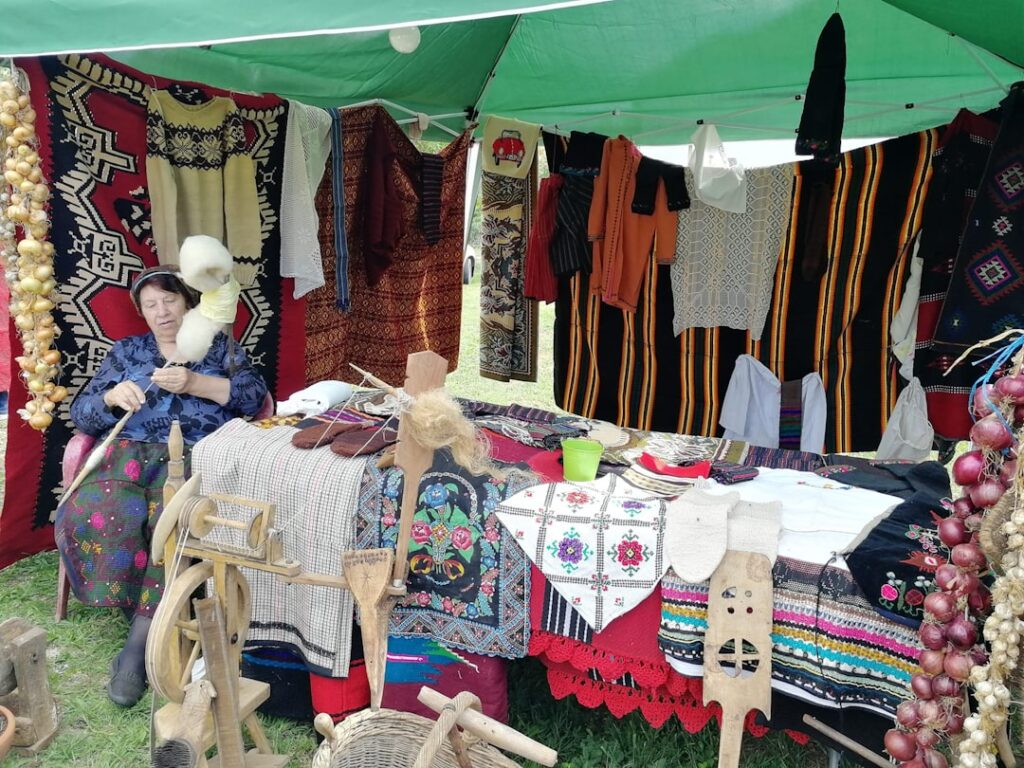
The local calendar features several textile- and craft-focused events where you can meet lace makers, buy pieces and supplies, and join intensive workshops. One highlight is the Fiera dell’Artigianato di Viterbo (Viterbo Craft Fair), often held in spring on Piazza della Rocca (01100 Viterbo VT). Dates and hours vary year to year; admission is sometimes free and sometimes €5–8 depending on programming. The fair brings together lace artisans, fashion designers and traditional textile vendors, offering a broad view of local offerings.
Another key event is the Settimana del Ricamo e del Merletto (Embroidery and Lace Week), an annual event with intensive classes, demonstrations and lectures. Paid sessions typically range from €30 to €120 depending on duration and level (half-day, full-day, or multi-day courses). Registrations are often handled through local associations such as the Associazione Merletti Tuscia (correspondence address: Via della Fiera, 3, 01100 Viterbo VT, Italy). These gatherings bring together conservation students, contemporary designers and traditional artisans, creating lively exchanges between tradition and innovation.
Practical tip: if you plan to buy pieces, budget accordingly for more complex works — a fully handmade tablecloth can cost €200–600, while embroidered handkerchiefs sell for €15–50. Prices reflect the hours invested and the rarity of traditional motifs. Bargain politely at markets, but remember that your purchase helps keep a craft alive. Also bring suitable transport for fragile items: a stiff tube or a shallow box will prevent unwanted creases.
4) Practical Advice for Visiting and Collecting: Respect and Authentication
Visiting Viterbo’s workshops and markets calls for respectful behavior: always ask permission before photographing an artisan at work, avoid touching pieces without consent and prefer cash for small shops where cards may not be accepted. Many workshops do accept electronic payments; check on arrival. For authentication, ask for a technical sheet when available: origin of the thread, method (needle embroidery vs. machine/loom work), and any recorded restorations. Some historic pieces come with provenance certificates if they’re from a museum or local foundation.
For beginner collectors, a few pointers: look for evenness of stitches (regularity signals an expert hand), the quality of the thread (Italian linen and cotton have a distinct texture and strength) and the finish of edges (hand-stitched hems indicate care). If a piece is surprisingly cheap, question its origin — it may be an industrial reproduction. Reputable workshops will explain their pricing by detailing hours of work and techniques used — don’t hesitate to ask for that breakdown.
Finally, if your stay is short, focus your visits: favor a well-regarded workshop in the morning, then a museum in the afternoon, and finish at a market or fair to shop for souvenirs. Transport: Viterbo’s main station (Stazione di Viterbo Porta Fiorentina, Piazza della Stazione, 01100 Viterbo VT, Italy) makes the town accessible for travelers without a car. Accommodation: choosing a B&B in the historic center puts you close to most workshops (many B&Bs will even assist in arranging meetings with artisans).
Conclusion: Preserving an Art, Supporting Communities
Exploring Viterbo’s lace and embroidery is a lesson in history, aesthetics and humanity. These techniques are not mere curiosities: they embody a relationship with time, a domestic economy that has adapted while keeping its rituals, and a community commitment to safeguard delicate skills. By visiting the workshops, museums and events described here, you make a tangible contribution: every paid guided tour, every class you attend, every tablecloth you buy sends a message in favor of continuity for these crafts.
Plan your itinerary with flexibility: check opening hours before you go, book private workshops in advance and consult local association pages for annual events. Respect artisans by asking informed questions about techniques and materials, and favor responsible purchases. Beyond addresses and prices, keep an eye out for details — a particular stitch, an annotated pattern card, the patina of a thread — these are the signs that tell the real story of Viterbo’s textiles.
Whether you’re an enthusiast, a collector or a curious traveler, Viterbo offers a rich palette of sensory and cultural experiences. Bring a small notebook, business cards and, if possible, a few euros to support local craft. When you leave, you’ll take home not only an object but also a deeper understanding of a living heritage made of threads, family stories and meticulous work — a heritage that deserves attention, respect and support so it can be passed on to future generations.