




Introduction — Medieval Viterbo: a journey into hot springs, winding lanes and papal secrets
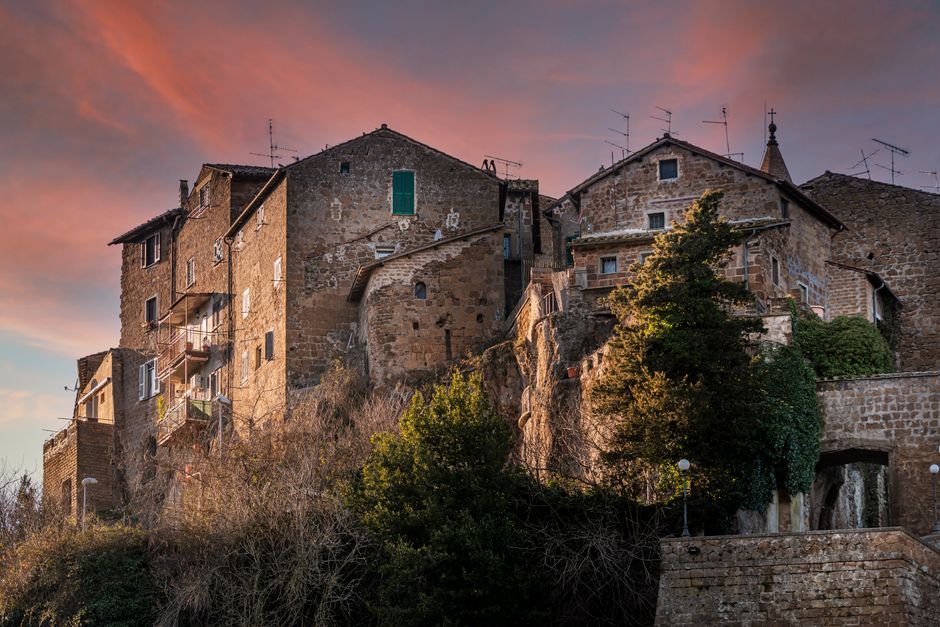
Viterbo, the medieval capital of Lazio north of Rome, is one of the Italian towns that best preserves the spirit of the Middle Ages. Its walls, cobbled squares, papal palaces and thermal waters tell a story of popes in exile, historic conclaves and artisan communities. This guide offers a full immersion into medieval Viterbo: where to wander, which baths to choose, which palaces to visit, and how to still hear today the echoes of papal intrigues that shaped Europe.
The city is best explored on foot, beginning in the Quartiere San Pellegrino, a tangle of narrow alleys and stone facades where every porch and balcony seems ready to reveal a secret. From there, head toward the imposing Palazzo dei Papi di Viterbo, whose loggia and the Sala del Conclave recall decisive episodes — notably the conclave of 1268–1271, which gave birth to the first long and famous conclave procedure in Church history. Nearby, the Cattedrale di San Lorenzo, the Rocca Albornoziana and Piazza delle Erbe form a triangle of medieval history and urban life.
Viterbo is also a town of thermal springs: hot waters bubble up in the Bullicame valley and in the area known as « Le Terme, » drawing travelers and spa-goers since antiquity. Modern facilities sit alongside natural pools, offering treatments and relaxation in historic settings. The sulfurous waters have influenced the city’s economic and social life over the centuries and remain an essential element for anyone looking to combine heritage discovery with well-being.
This general guide, written for the discerning traveler, provides exact addresses, opening hours, prices in euros, immersive descriptions and practical local tips. You will find recommendations for walking routes, available guided tours, tricks to avoid the crowds and gastronomic suggestions to extend your Viterbo experience. Whether you come for a cultural weekend, a thermal break or to explore papal secrets, this text gives you the keys to plan your visit, make the most of your time and appreciate the authenticity of a medieval town where past and present converse on every corner.
Palazzo dei Papi di Viterbo and papal memory — addresses, hours and immersion
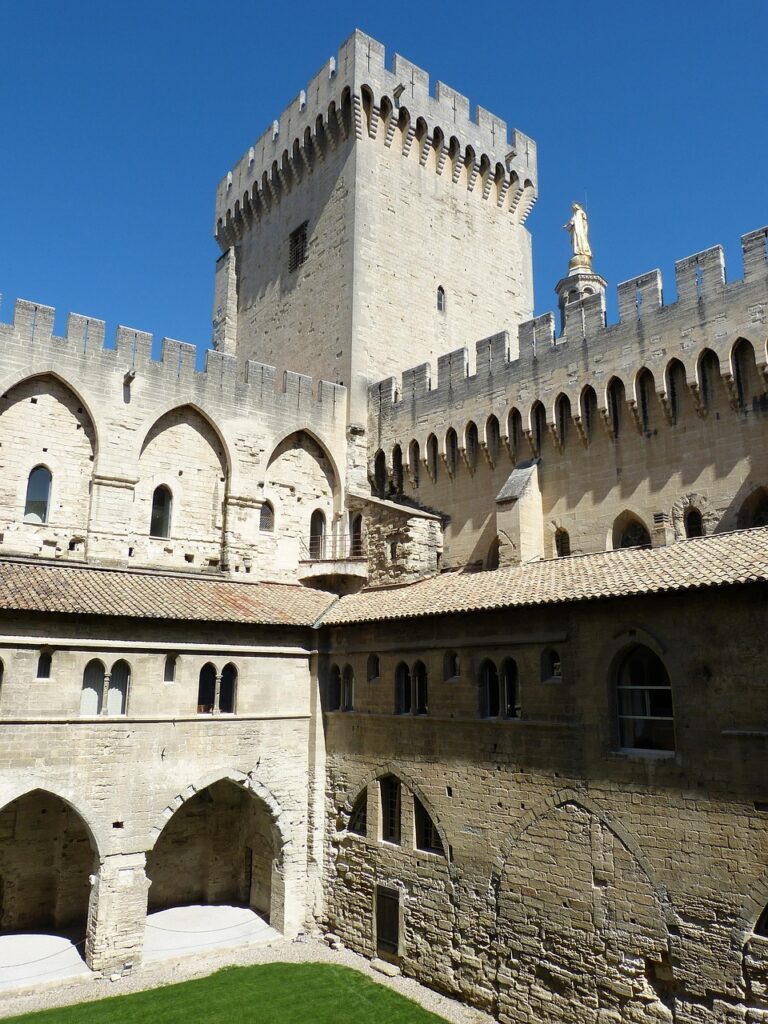
The Palazzo dei Papi di Viterbo is likely the key site for understanding Viterbo’s relationship with the papacy. Address: Palazzo dei Papi, Piazza San Lorenzo, 5, 01100 Viterbo VT, Italy. This large Gothic-Romanesque complex dominates the square and still preserves rooms, loggias and decorative fragments linked to the popes who stayed here in the 13th century.
Hours and prices (subject to seasonal changes): general opening daily from 09:00 to 19:00; combined entry ticket « Palazzo dei Papi + Museo Civico »: €8.00 adult; reduced (students 18–25): €5.00; free for under 18. Guided tours in English/Italian available by reservation; indicative price for a private guided tour: from €60.00 for 1 to 6 people (booking recommended via the Ufficio Turismo Viterbo or certified local guides).
Immersive description: step through the medieval arch and feel the weight of time: patinated plaster walls, narrow corridors, a large loggia opening onto the square where audiences and ceremonies were held. The famed « Sala del Conclave, » restored and preserved, bears witness to gatherings of cardinals forced to conclude on Viterbo soil. The palace also houses frescoes, coats of arms and stone fragments that tell of rivalries and alliances between Guelph and Ghibelline families. Don’t miss the so-called « del Papa » cell, a simple low-vaulted chamber that recalls how precarious pontifical life could be far from Rome.
Practical tips: arrive early in the morning to enjoy the soft light on the façade and avoid tour groups. Ask at the ticket office for the brochure in French (limited availability). If you have a full day, combine the visit with the Cattedrale di San Lorenzo (Piazza San Lorenzo, 01100 Viterbo VT), which is a short walk away and is often included in historic center circuits. For those interested in conclave history, request details from a local guide about the 1268–1271 conclave and the « durata forzata » that led to the first conclave rules.
Quartiere San Pellegrino and medieval lanes — routes, addresses and atmosphere
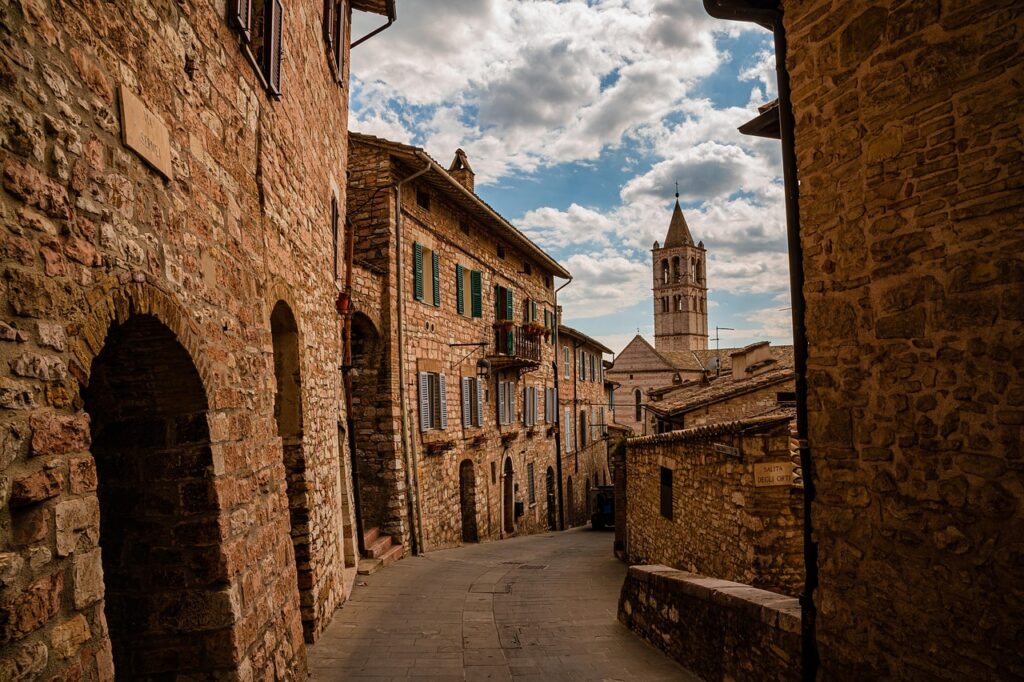
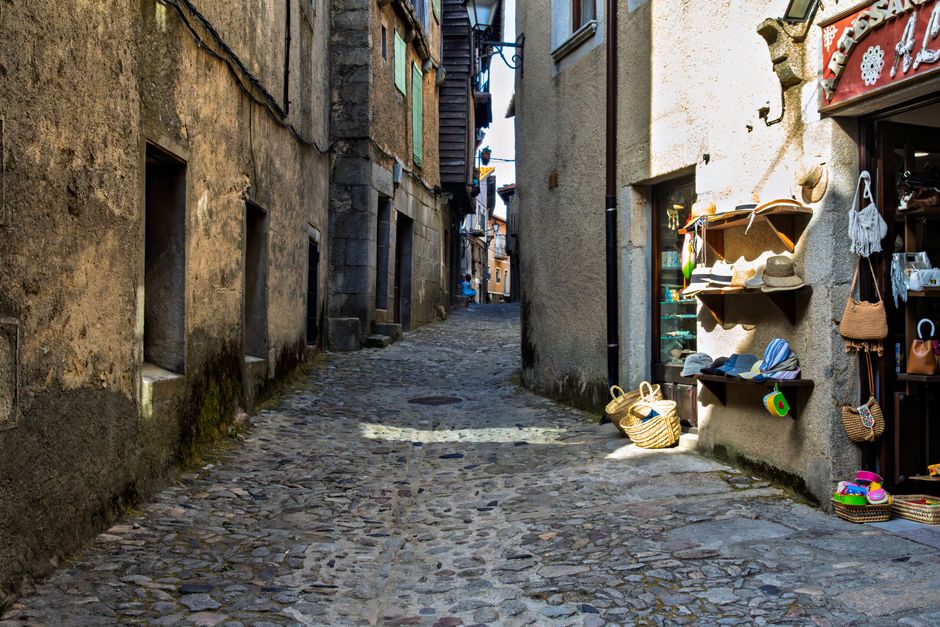
The Quartiere San Pellegrino is often described as the living heart of medieval Viterbo. Located on the southern slope of the old town, it spreads around Via San Pellegrino and Via della Verità. Central starting address for a walk: Via San Pellegrino, 01100 Viterbo VT. This neighborhood is a maze of steps, small squares and arcaded houses, where artisan workshops and local shops still survive, offering a palpable sense of timelessness.
Immersive description: at dawn the limestone walls take on a golden hue; at dusk the dim street lamps cast shadows that exaggerate sculpted reliefs. Walk along Via San Pellegrino toward Piazza San Pellegrino, where the medieval fountain attracts locals. The narrow balcony-fronted houses, often adorned with geranium pots, are punctuated by tiny chapels and arcades that once housed shops or storage rooms. You’ll still find wrought-iron signs, studded doors and carved lintels — clues to a domestic and commercial life that has changed little.
Hours and access: the neighborhood is always accessible and can be visited freely; however, some internal monuments open on set schedules (museums, workshops) — check directly with shops or the Ufficio Turismo Viterbo, Piazza del Plebiscito, 15, 01100 Viterbo VT (tel. +39 0761 234xxx). For a richer experience, several local guides offer themed walks (food, architecture, photography): average price for a 2-hour guided tour: €20–30 per person for standard groups.
Local tips: favor a loop route that climbs from Piazza delle Erbe up to Via San Pellegrino, descends via Via della Verità and returns toward the Rocca Albornoziana; this lets you capture different perspectives and photograph valley views without retracing your steps. If you’re after an authentic souvenir, head to the small workshop « Laboratorio Ceramiche San Pellegrino » (Via della Verità 12, 01100 Viterbo VT), which sells traditional ceramics — indicative prices: cups €12–20, decorated plates €25–50.
Thermal baths and springs: Terme dei Papi, Bullicame and historic baths — addresses, prices and benefits
Thermal waters are an integral part of Viterbo’s identity. Two main sites draw attention: the renowned Terme dei Papi and the Bullicame natural area. Terme dei Papi (a well-known trade name) is located at Terme dei Papi, Strada Bagni San Lorenzo, 3, 01100 Viterbo VT, Italy. Typical hours: 09:00–20:00 daily (extended hours in summer); standard entrance fees: day access (thermal pool and basic services) €25.00 adult; spa & massage packages from €50.00; cabin and towel rental: +€10.00.
The Bullicame, famous for its bubbling springs, is a thermal reserve of naturalistic and historic interest, included within the area called « Parco del Bullicame. » Approximate access and parking address: Via della Bullicame, 01100 Viterbo VT. Access to the panoramic trail is free, while entry to certain managed pools or spaces can be charged: €5.00–12.00 depending on the site. Bullicame’s waters are sulfurous and mineral-rich; they were frequented already in Roman and medieval times.
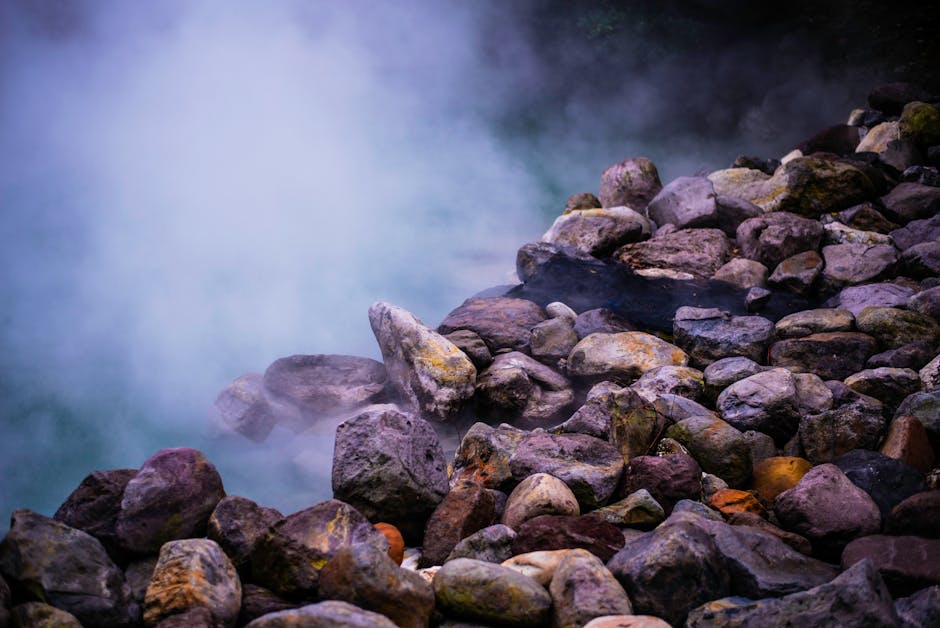
Description and benefits: picture pools edged with warmed limestone, sheets of steam rising with the characteristic smell of sulfur — signs of the therapeutic properties that draw spa-goers. Modern thermal centres offer comprehensive thermal-spa circuits: sensory showers, dry saunas and wet hammams, therapeutic massages (reservations recommended). From a medical viewpoint, sulfate- and bicarbonate-rich waters are often recommended for respiratory conditions, rheumatism and certain skin issues, but it’s always wise to consult a spa therapist for specific cures.
Practical tips: bring non-slip sandals and appropriate swimwear, and book morning slots to avoid crowds (09:00–11:00 is usually quieter). If you prefer a more « natural » experience, favor Parco del Bullicame early morning or late afternoon when the light is softer and visitor numbers are lower. For a traditional lunch after the bath, try the osteria « Antica Posta » (Via San Lorenzo, 23, 01100 Viterbo VT) which serves local dishes such as « fregnacce alla viterbese » — average meal price: €15–25 per person.
Piazza delle Erbe, Rocca Albornoziana and other monuments — addresses, hours and recommended visits
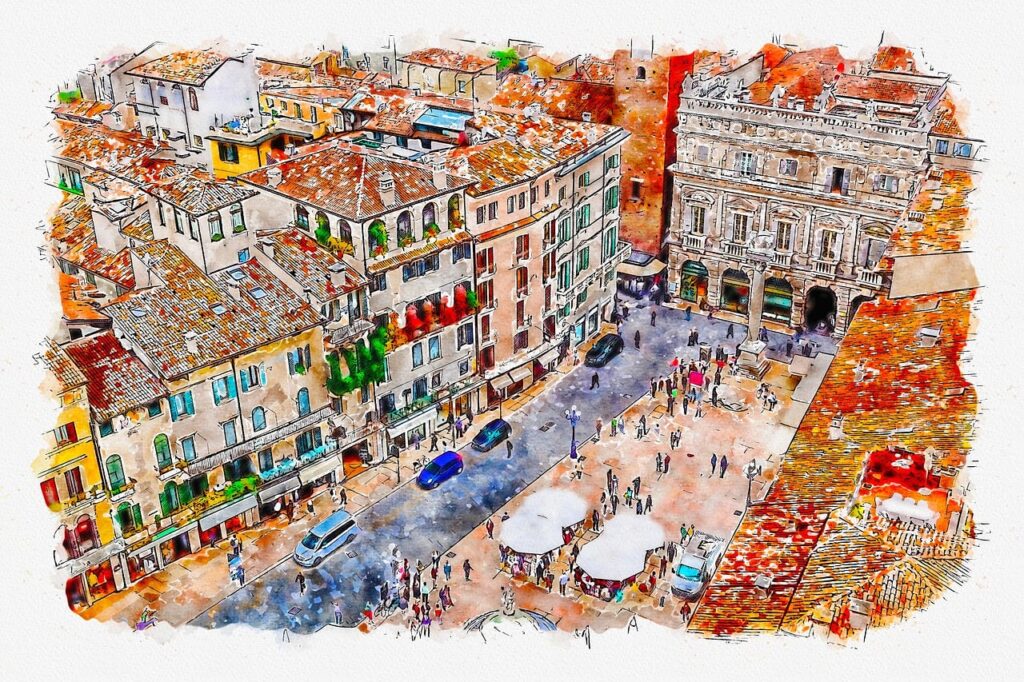
Piazza delle Erbe and the Rocca Albornoziana are two major anchors of the medieval center. Piazza delle Erbe — Address: Piazza delle Erbe, 01100 Viterbo VT — is the historic market where food, textiles and crafts have been sold for centuries. The square is lined with cafés and small shops; the atmosphere is particularly lively in the mornings, Tuesday through Sunday, when stalls offer fresh produce and regional specialties.
The Rocca Albornoziana (Address: Piazza della Rocca, 01100 Viterbo VT) is a 14th-century fortified citadel that offers panoramic views over the town and the Lazio countryside. Hours: generally open from 10:00 to 18:00; admission: €6.00 adult; reduced €3.00 (students/over 65). The route inside includes historical museums, defensive batteries and a walk along the ramparts. Don’t miss the upper terrace that overlooks the fortification gardens: the view over terracotta roofs and surrounding hills is striking.
Recommended visits and descriptions: start your morning at Piazza delle Erbe for a coffee and pastry at « Pasticceria del Corso » (Via Roma, 7, 01100 Viterbo VT — coffee from €1.20, cornetto ~€1.50), then climb toward the Rocca Albornoziana through alleys and porches. The Rocca visit is particularly rewarding if you pair it with an audio guide or a local guide who contextualizes medieval military architecture. Nearby, the Museo del Colle del Duomo (Piazza San Lorenzo, 9) houses liturgical objects and documents related to the city’s religious history (entrance typically €4–6).
Local tips: combine the Rocca visit with lunch at the trattoria « Da Pantera » (Via San Lorenzo, 11, 01100 Viterbo VT), known for its homemade pasta — main courses €10–18. Reserve a late-afternoon slot to walk down toward the ramparts or to watch the sunset from the Rocca terrace; the fortress faces west and often delivers spectacular sunsets that flood the valley with light.
Food, markets and practical tips for a successful stay
Viterbo’s cuisine draws on the rustic terroir of Lazio. You’ll find simple but tasty dishes such as « fregnacce alla viterbese » (local pasta in sauce), regional porchetta and local cheeses. For local dining, try Trattoria « La Sosta » (Via San Lorenzo, 31, 01100 Viterbo VT); main courses €10–18, tasting menu €28–35. For a more refined meal, the restaurant « Il Ciocco » (Piazza del Plebiscito, 3, 01100 Viterbo VT) offers creative cuisine focused on local ingredients — tasting menus €40–65.
The Piazza delle Erbe market (Piazza delle Erbe, 01100 Viterbo VT) is open several days a week, typically Tuesday through Sunday mornings; there you can buy vegetables, cured meats, olive oil and regional wines. For specialist products, head to the « Mercato Coperto di Viterbo » (Via Garbini, 14, 01100 Viterbo VT) where artisans and small producers sell their goods indoors — hours: 08:00–13:00, closed Monday.
Essential practical tips for travelers:
- Getting around: the old town is walkable but bring comfortable shoes because of cobbles and stairs. Paid parking is available at the entrance to the historic center (parcheggio Bagnaia / Porta Romana). Approximate rate: €1.50–2.50 / hour.
- Language: Italian is the local language; shopkeepers in the center and guides often speak English and sometimes French, but basic Italian phrases help a lot.
- Seasonality: May, September and October offer pleasant weather for visiting; summer can be hot and winter cool but very quiet tourist-wise.
- Health: if you come for thermal cures, bring all necessary medical records and check with your doctor that the treatments suit your health condition.
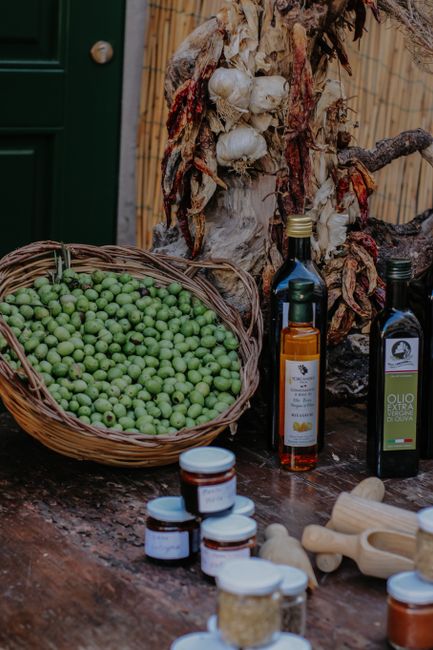
For authentic souvenirs, look for extra-virgin olive oil from Viterbo (bottles €5–15 depending on quality), jars of local honey (€6–12) or handmade textiles. If you travel by car, use the opportunity to explore the surroundings: the Tevere valley and nearby medieval villages (Bagnaia, Caprarola) are under 30 minutes away and deserve at least a half-day excursion.
Conclusion — final tips and recommended itinerary for 2 to 4 days
Viterbo is a complete destination that blends history, art, wellness and gastronomy. To make the most of your visit, here is a sample itinerary and final recommendations:
- Day 1 — Historic center: morning at Piazza delle Erbe and Quartiere San Pellegrino, lunch in a local osteria, afternoon at the Palazzo dei Papi (Piazza San Lorenzo, 5) and the Cattedrale di San Lorenzo. Evening: dinner near Piazza del Plebiscito.
- Day 2 — Baths and wellness: morning at Parco del Bullicame (Via della Bullicame) for a nature walk, afternoon relaxing at Terme dei Papi (Strada Bagni San Lorenzo, 3) with a full spa package, calm dinner and an evening stroll under the arcades.
- Day 3 — Fortress and museums: visit the Rocca Albornoziana (Piazza della Rocca), explore the Museo del Colle del Duomo and shop at the Mercato Coperto (Via Garbini, 14). Optional: excursion to Bagnaia and the gardens of Villa Lante (surroundings).
- Day 4 — Local immersion: free wandering, a ceramics workshop in Quartiere San Pellegrino, a cooking class or a guided tour focused on papal secrets and historical conclaves.
Final tips: favor early hours to visit monuments to avoid heat and crowds. Book baths and restaurants in advance during high season. If papal history fascinates you, contact a specialist medieval history guide: they can put sites into context and tell anecdotes often missing from official brochures (for example, reasons behind the long cardinal unrest during the late 13th-century conclave, or the symbolic gestures still visible in the architecture). Lastly, leave time to wander without a plan: the most beautiful details reveal themselves in the quieter alleys — a studded door, a forgotten fresco, a tiny workshop still crafting traditional items by hand.
Viterbo is a polyphonic experience: steaming baths, market voices, ancient stones and panorama views over Lazio. Whether your stay is brief or extended, take the time to listen to the city. Papal secrets don’t unveil themselves all at once but emerge gradually, between a cup of coffee and a warm bath, around a corner or from a medieval loggia. Buon viaggio e buona scoperta!