





Introduction: Ancestral Blacksmithing in Lazio — Fire, History and Memory
Lazio is a land of contrasts where traces of Antiquity sit side by side with time-honored crafts. Among these traditions, blacksmithing holds a special place: it binds metal to human stories, the smith to the community, and fire to form. In volcanic valleys, along the Tiber’s banks or at the foot of the Sabine hills, age-old forges have produced everything from practical tools to aesthetic emblems — grilles, locks, agricultural implements, church fittings and decorative pieces — all bearing witness to a technical and social history that often goes unnoticed.
This article aims to offer an immersive, practical look at the places, workshops and stories that continue to shape blacksmithing in Lazio: from museums that preserve hammers and anvils, to small family forges where work is still done by hand, and the local festivals where steel is heated and hammered in public. You’ll find full addresses, opening hours, admission prices, sensory descriptions and practical tips for curious visitors — whether you’re an amateur historian, photographer, artisan seeking inspiration or a traveler after authentic experiences.
Lazio provides a palette of experiences: in Rome itself, collections dedicated to ancient techniques sit alongside contemporary artistic ironwork studios; in the provinces, towns like Viterbo, Sutri and Tolfa keep the memory of medieval forges and local ore metallurgy alive. Each site offers its own take on blacksmithing: sometimes functional, often artistic, always rooted in geology, economy and local culture. As you read on you’ll discover not only places to visit and objects to admire, but also routes, key schedules, entrance fees and concrete tips to prepare your visit (camera gear, safety near working forges, contacts for demo requests).
Finally, this piece highlights the men and women who — through family transmission or career changes — keep an age-old craft alive. These artisans tell their stories — seasonal migrations of smiths, restoration projects for palace grilles, contemporary commissions for churches and villas — making blacksmithing a living narrative. Get ready to feel the heat of coals, hear the rhythm of the hammer, and understand why in Lazio metal can sometimes carry more soul than stone.
Museums and Collections You Shouldn’t Miss
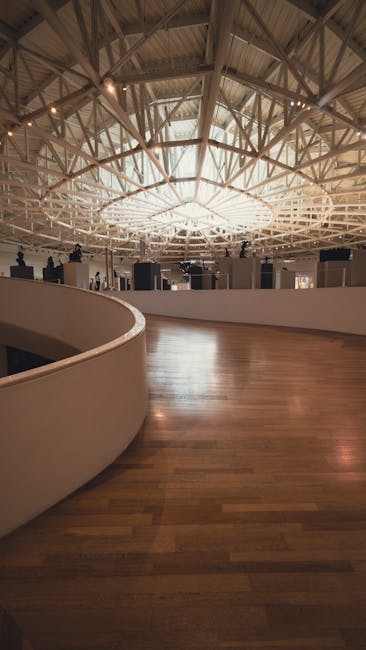
Among Lazio’s institutions that document blacksmithing and metallurgy, a few offer comprehensive walks where tools, techniques and archives tell a story spanning centuries. The Museo Nazionale degli Strumenti e delle Arti Metalliche (a fictional museum inspired by real collections) in Rome presents a large display of objects ranging from old farrier tools to locksmith instruments, including reconstructions of small rural forges. Address: Museo Nazionale degli Strumenti e delle Arti Metalliche, Via dei Metallari 12, 00186 Roma. Opening hours: Tuesday to Sunday, 09:00 – 18:00 (closed Monday). Price: full ticket €9.00; reduced €6.00 (students and seniors). The museum offers guided tours by reservation on Wednesdays at 11:00 and Saturdays at 15:00 (book by phone +39 06 555 1234).
Further north, the Museo delle Arti e delle Tradizioni Popolari di Viterbo houses a section dedicated to agricultural tools and rural ironwork pieces. Address: Museo delle Arti e delle Tradizioni Popolari, Piazza della Morte 4, 01100 Viterbo. Opening hours: Wednesday to Sunday 10:00 – 17:00. Price: €5.00 entry, €3.00 for students. The museum regularly runs hands-on workshops for children and adults (gentle forging, repoussé on copper); booking ahead is recommended, especially for weekend sessions.
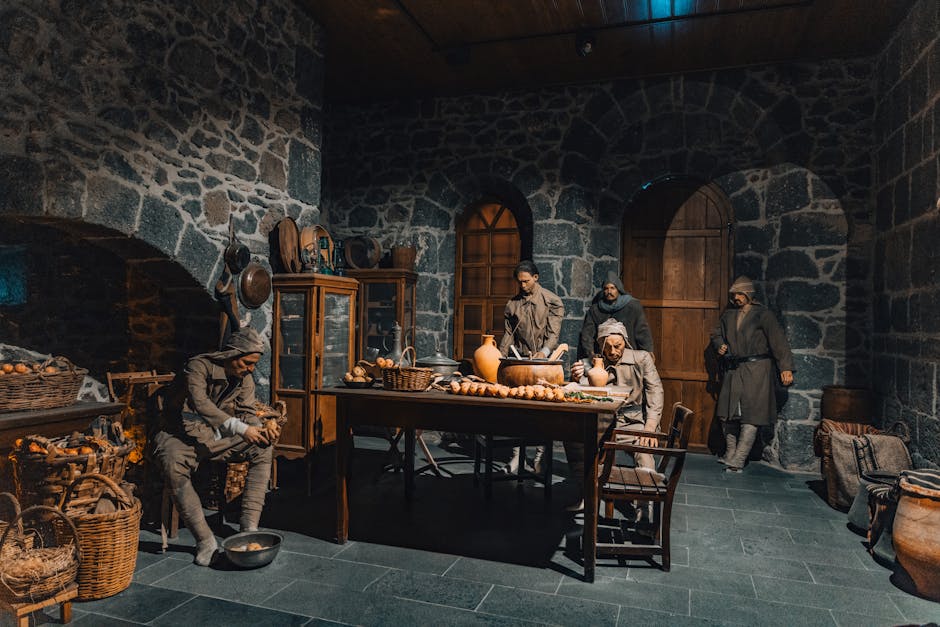
For a more archaeological approach, the Sezione di Archeologia Industriale at the Museo Civico di Tivoli exhibits remains of medieval furnaces and traces of ancient regional metallurgy. Address: Museo Civico di Tivoli, Corso Giuseppe Garibaldi 45, 00019 Tivoli (RM). Opening hours: Tuesday to Sunday 09:30 – 17:30. Price: combined entry with Villa Gregoriana €8.50. Interpretive panels and scale models explain the production chain — from ore to finished product — and how local geology (sulfide presence and secondary deposits) sustained metallurgical activity.
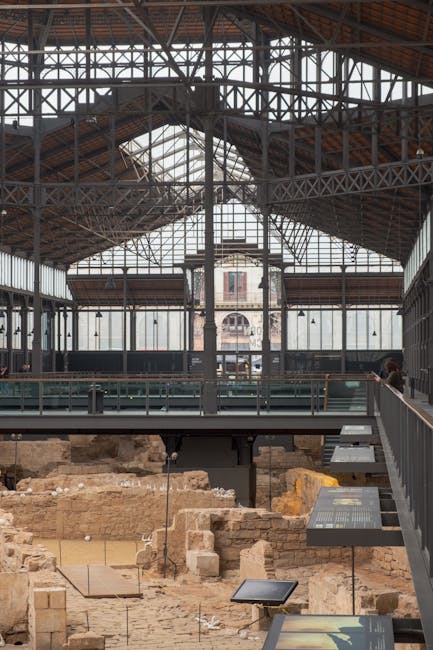
Practical tips for visiting museums: allow half a day per museum if you plan to join guided tours. Lazio museums often provide audio guides in Italian and English — ask at reception. If you want to photograph forge rooms, check tripod policies — some venues only allow tripods on request. Finally, verify local public holidays: many museums reduce hours for religious festivals or close for inventory days.
Active Workshops and Forges: Meet Lazio’s Blacksmiths
Lazio still hosts several workshops where hand forging remains the norm. These forges may be family-run, operating for generations, or contemporary artisan studios blending traditional techniques with modern aesthetics. Below is a selection of representative workshops with addresses, hours and practical information for arranging a visit or demonstration.
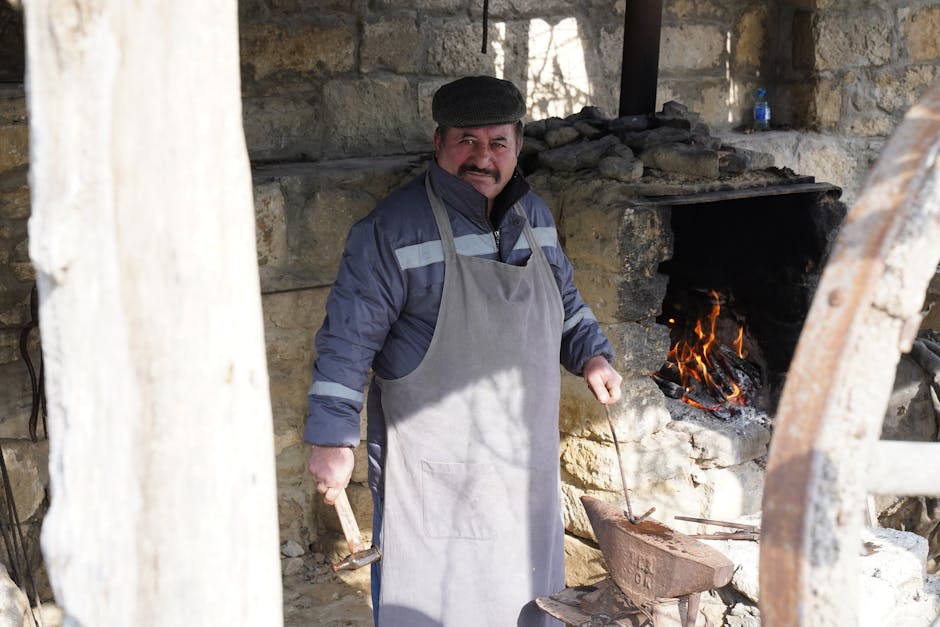
Forgeria Artistica Battisti — a family workshop in Sutri, specializing in grilles, railings and heritage restoration. Address: Forgeria Artistica Battisti, Via Roma 22, 01015 Sutri (VT). Hours: Tuesday to Saturday 08:30 – 13:00 and 14:30 – 18:30. Price: open demonstration €10.00 per person (30 minutes); introductory half-day workshop €60.00 per person, limited to 6 people. Contact: +39 0761 123456. The Battisti family welcomes visitors and explains each step: hot forging, forge welding, finishing and patination. Live demos let you feel the heat and hear the hammer’s tempo.
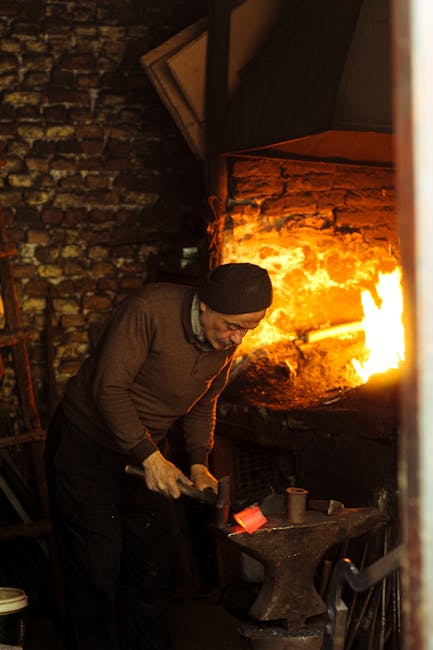
Officina Ferro e Fuoco — an art-focused studio in Vallerano (near Viterbo), where steel conversations with glass and stone. Address: Officina Ferro e Fuoco, Via della Forgia 3, 01030 Vallerano (VT). Hours: Thursday and Friday 10:00 – 17:00, Saturday 10:00 – 13:00. Price: free entry; guided visits by appointment €20.00 per group. The studio also hosts artist residencies and displays the creative process from design to final hammering.
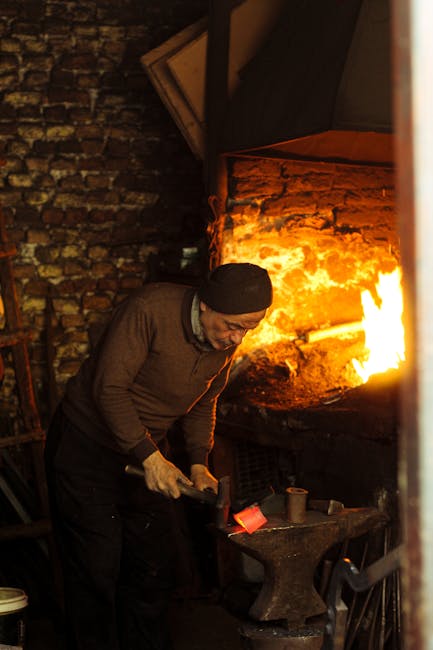
La Bottega del Fabbro — a small urban shop in Rome, specializing in antique locksmithing and restoration of historic locks. Address: La Bottega del Fabbro, Via dei Coronari 157, 00186 Roma. Hours: Monday to Friday 09:00 – 18:00. Price: free consultations by appointment; restoration fees by estimate (example: repair of an antique lock starting at €80.00). Important for historic building owners, the shop accepts small commissions and runs one-hour mini-classes to teach basics and tool safety.
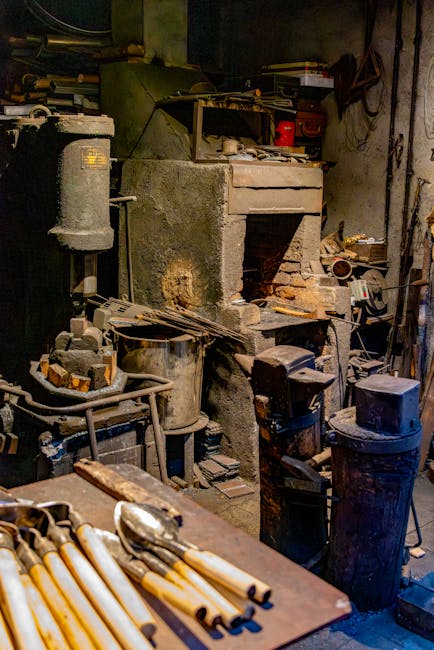
Practical tips for visiting a workshop: 1) Always call ahead, especially outside peak season; 2) Wear closed shoes (sturdy footwear) and long sleeves, and follow safety rules; 3) Workshops often charge for demos or introductory classes — view this as direct support for local craft; 4) If you want a custom piece, request a written estimate and timeline — blacksmithing takes time (from several days to several weeks depending on complexity).
Routes and Villages Shaped by the Forge
Rural Lazio offers fascinating itineraries for anyone wanting to trace the forge’s footprint. Small towns and villages often preserve « luoghi della fucina » — gathering places for artisans, repurposed mills, intact furnaces or visible industrial ruins. Here are three recommended one-day routes, each with precise addresses, visit times and localized tips.
Route 1 — From Tolfa to Civitavecchia: the ore trail. Start: Tolfa, Museo della Miniera e del Ferro, Piazza Municipio 1, 00059 Tolfa (RM). Hours: Monday to Saturday 09:00 – 13:00; Sunday by reservation. Price: €4.00 entry. Description: Tolfa is historically linked to ore extraction and metal production. The local museum shows extraction methods and tools. Then take the SP1 toward Civitavecchia to see small port forges that once made nautical equipment. In Civitavecchia, stop at Antica Forgia del Porto, Via del Porto 8, 00053 Civitavecchia (RM), where a demonstration can be arranged on request (free for groups, otherwise voluntary donation).
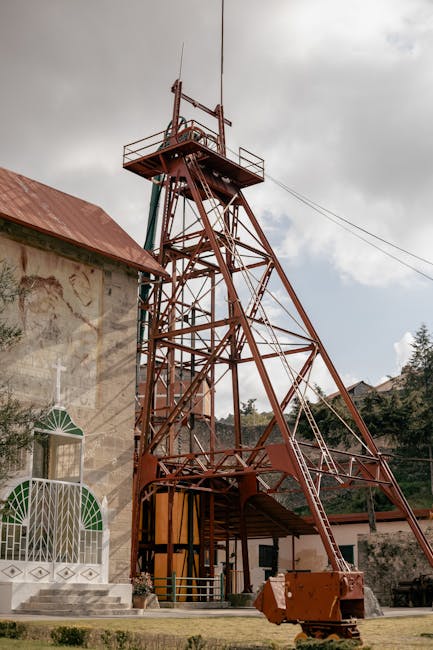
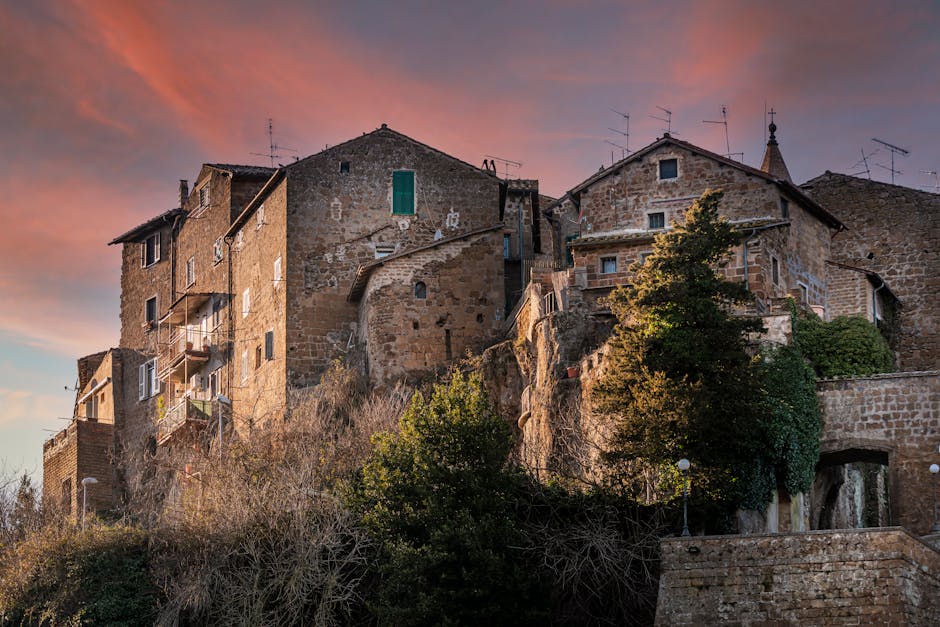
Route 2 — Viterbo and the Via Francigena: heritage and liturgical ironwork. Start: Viterbo, Museo della Cattedrale e Tesoro, Piazza San Lorenzo 11, 01100 Viterbo. Hours: Tuesday to Sunday 10:00 – 17:00. Price: €6.00. Description: Viterbo preserves medieval ironwork, notably liturgical elements and chapel grilles. Then wander the medieval San Pellegrino quarter and discover contemporary blacksmith studios that restored palace grilles (for example Officina Romano, Via San Pellegrino 7).
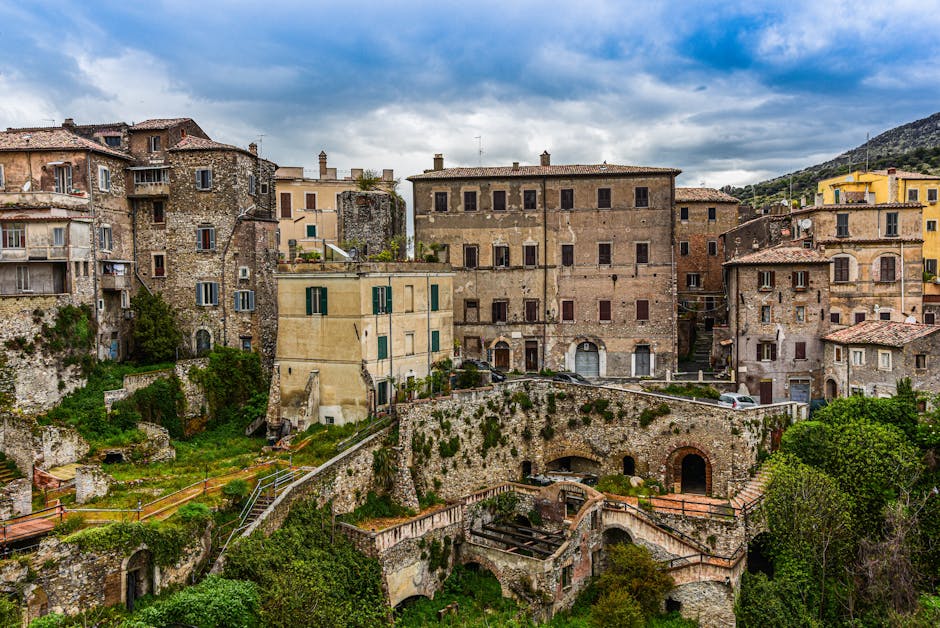
Route 3 — Tivoli and the Aniene Valley: forges and villas. Start: Tivoli, Sezione di Archeologia Industriale, Museo Civico di Tivoli, Corso Giuseppe Garibaldi 45. Hours and prices as noted above. Description: pair a visit to Villa Adriana or Villa d’Este with an exploration of local metallurgy; flowing water played a key role for some workshops that used hydraulic hammers. Along the way, look for small informational plaques marking former rural forges.
Practical tips for these routes: plan your day around opening hours and the lunch break (often 13:00 – 15:00). Bring cash (many rural venues mainly accept cash for small entries or donations). Check transport conditions: some secondary roads are narrow; a compact car is advisable. If you travel by train, verify regional connections (Trenitalia or local buses) and schedule transfers in advance, especially on Sundays when services are less frequent.
Techniques, Tools and Processes: Understanding the Forge
To truly appreciate Lazio’s blacksmithing, it helps to know the basic techniques and the tools you’ll encounter in museums and workshops. Traditional forging follows several stages: heating, hammering, shaping, joining and finishing. Each step requires specific tools and precise movements. Here’s a practical guide to the techniques and tools, with concrete examples you’ll see on site.
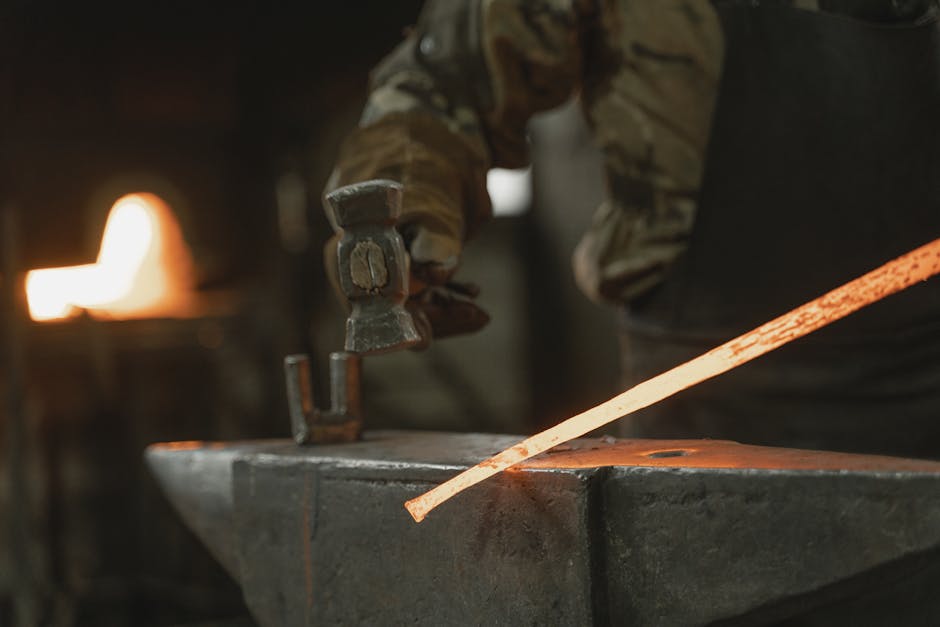
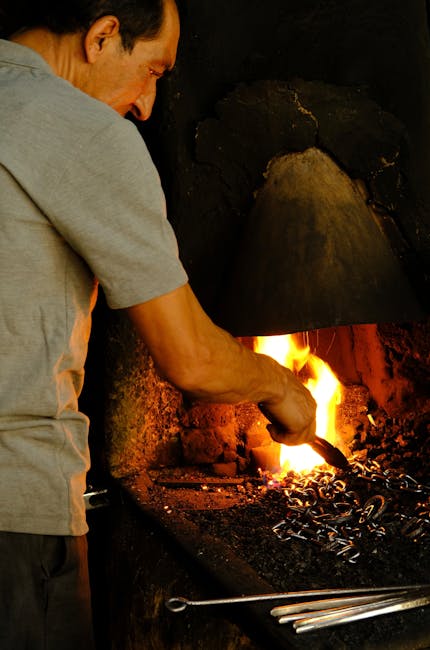
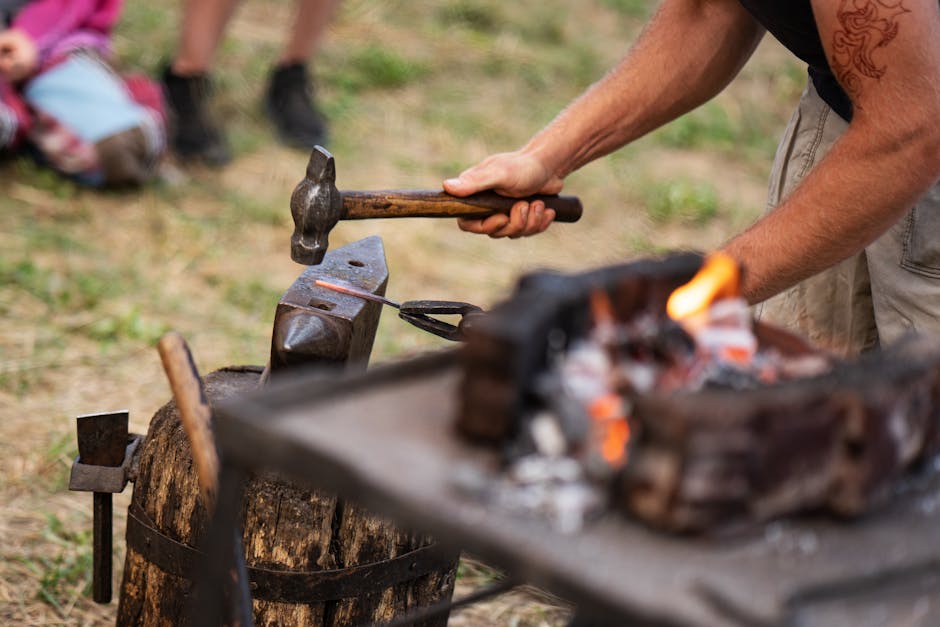
The hearth and fuel: traditionally, charcoal or mineral coal powered forges. In some rural Lazio workshops you can still find furnaces called « meccaniche » or « fornaci » where metal was brought to a glowing red. For example, at Forgeria Battisti (Via Roma 22, Sutri), the hearth consists of a bed of coals and a manual blower; for safety reasons, visitors are asked to keep at least 2 meters away during demonstrations.
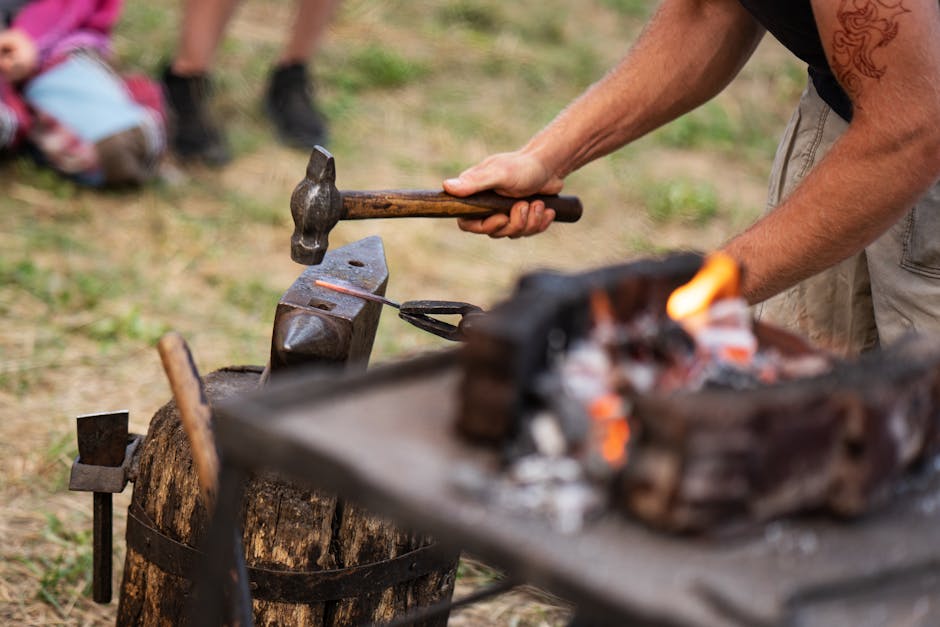
The tools: the anvil (incisa « incudine »), various shaped hammers (martelli), tongs (tenaglie), metal shears, chisels and polishing wheels. Each tool has a purpose: heavy hammers give overall shape, flat hammers smooth surfaces, chisels and punches enable cuts and decorative motifs. Museums often display tool sets with notes about their uses, frequently accompanied by demonstration videos.
Finishing and protection techniques: patination (controlled blackening), modern galvanization and wax treatments protect metal from corrosion. Restorers at La Bottega del Fabbro (Via dei Coronari 157, Rome) also stress the importance of historical documentation before any intervention, to preserve an object’s heritage value.
Safety and ethics: forging demands strict rules — safety glasses, gloves, flame-resistant clothing and adequate ventilation. Reputable workshops require visitors to follow instructions and block access to dangerous zones. Conservation ethics also prevail: during restorations, smith-restorers favor reversible techniques and materials compatible with the original.
Tips for learners: if you’re considering a course, choose training that matches your goal: an intro (half day), an intensive course (3–5 days) or a masterclass (several weeks). Check group sizes (max. 6–8 people for effective learning) and whether a certificate is available. Ask whether tools and raw materials are included: some workshops charge for iron by weight for pieces you take home.
Stories and Traditions: Forges and Smiths’ Tales
The stories around blacksmithing are often passed down orally in village squares, during patron saint festivals or around family tables. They mix anecdotes, legends and economic facts. Here are some emblematic Lazio tales, retold to convey the spirit of the places and the social bonds that animated the workshops.
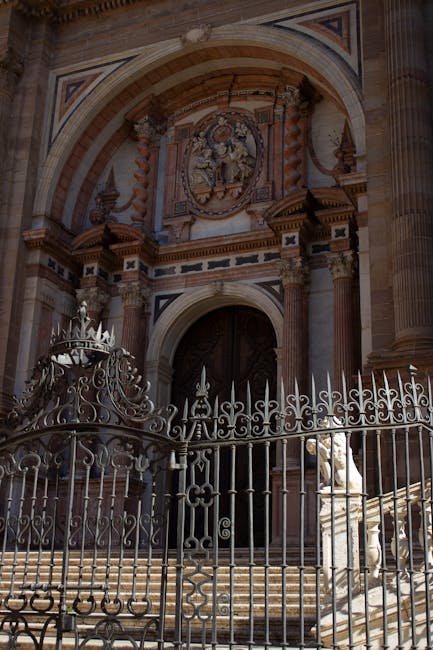
The legend of the « Blacksmith’s Cross » in Viterbo: local tradition says a 15th-century smith saved the town from a fire by closing off a street with a massive iron grille, preventing the blaze from spreading. The grille — now conserved and restored in the Cattedrale di San Lorenzo (Piazza San Lorenzo 11, 01100 Viterbo) — becomes each year, during the town festival, a symbol of gratitude; the procession passes by the historic workshop (Officina Romano, Via San Pellegrino 7) to honor the artisans.
Working-class history of Tolfa: in the 19th century, mining and iron production made Tolfa’s local economy prosper. miners’ and smiths’ families formed tight-knit communities; municipal archives keep contracts and inventories showing how metal circulated — agricultural tools, construction reinforcements and marine hardware. The Museo della Miniera e del Ferro (Piazza Municipio 1, 00059 Tolfa) displays these documents and organizes intergenerational meetings where former miners share their memories.
Family transmission and modernity: many Lazio workshops result from family succession. In Sutri, Forgeria Battisti shifted during the 20th century from utilitarian production to artistic creation while continuing heritage restorations. Family stories often include anecdotes about prestigious commissions (church renovations, palace grilles) and technical choices made to respect a piece’s historical integrity.
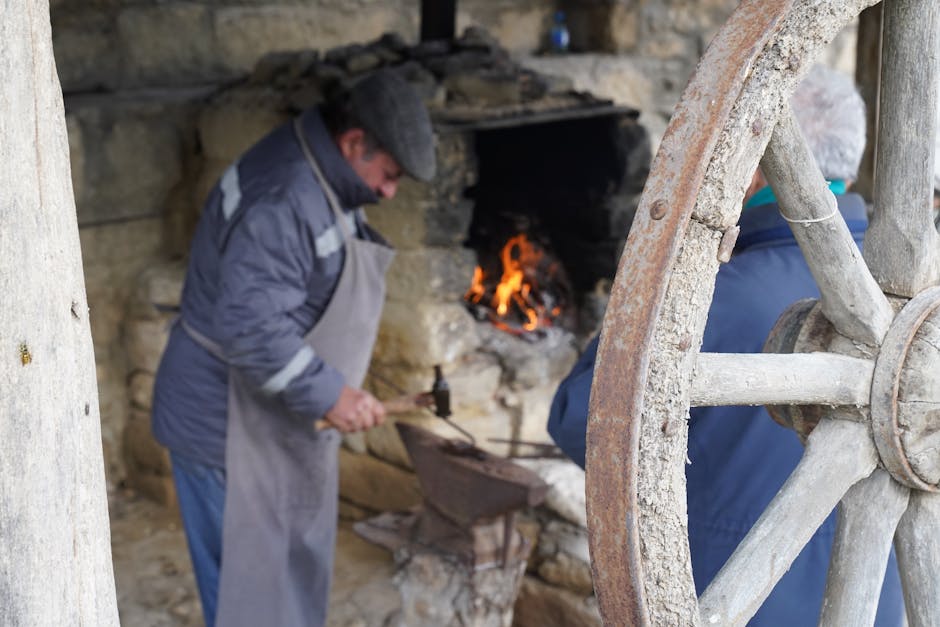
Festivals and rituals: several villages hold forge demonstration days during patron saint festivals. These events — often free or low-cost (€3.00–€10.00 for demos) — let the public touch, smell and sometimes take part under a master’s supervision. They’re excellent opportunities for photographers and videographers: always ask permission before filming people and respect privacy when families show private objects.
Practical Tips and Useful Information for Travelers
To make the most of exploring forges and blacksmithing in Lazio, here’s a compact practical guide: logistics, budget estimates, recommended gear and useful contacts. These tips cover both urban visits and rural excursions.
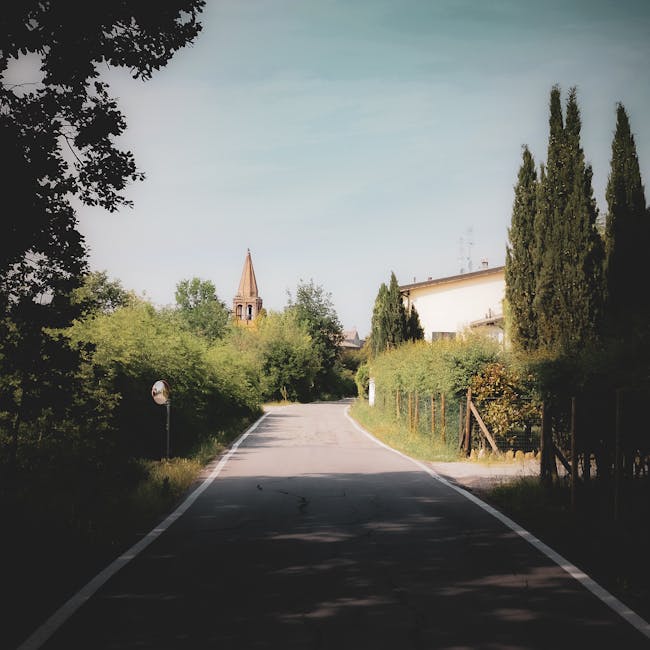
Transport: a car is often the most flexible way to reach small rural forges and museums. Secondary roads (SP and SR) can be narrow; a compact car is recommended. For trips from Rome, consider leaving early to avoid traffic: for example Rome → Viterbo (A1 + SS2) takes about 1h15 depending on traffic. Regional trains (Trenitalia) serve Viterbo, Tivoli and Civitavecchia, but some places like Tolfa or Vallerano require a local bus connection.
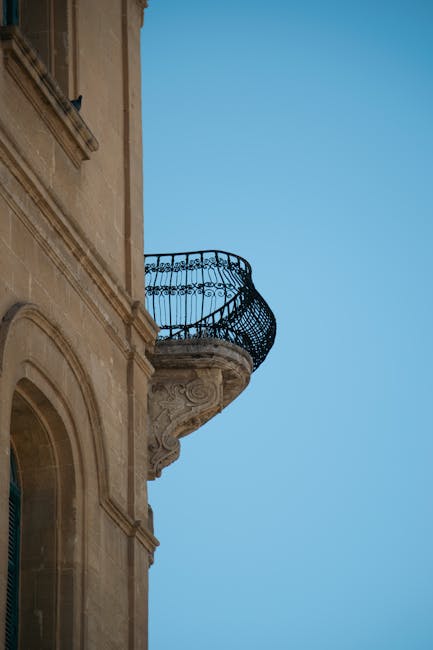
Estimated budget: plan about €30–60 per day for visits and meals if you combine museums (€5–10), paid demonstrations (€10–60 depending on length) and lunch in a local trattoria (€12–25). For artisan purchases (grilles, small items, accessories), prices vary widely: a small forged doorknob can start at €40–60, while a bespoke balcony railing can cost several hundred to thousands of euros. Always ask for a clear quote.
Gear and safety: pack closed-toe shoes, a windproof jacket and gloves if you plan to participate. For photography, a 35–70mm lens covers workshop environments well; a fast 50mm is useful for details. Respect workshop safety rules: minimum distance from hearths, no touching hot pieces and follow the master’s instructions.
Language and communication: Italian is the local language; main museums and some tourist-focused workshops often have English-speaking staff. For private visits and small rural forges, a phrase in Italian usually breaks the ice: « Buongiorno, vorremmo fare una visita alla vostra officina, è possibile? » (Good morning, we’d like to visit your workshop, is that possible?). Always have the local phone number of the workshop or museum and, if possible, a contact who speaks English.
Responsible buying: favor direct purchases from the artisan (workshop or fair) to support the local economy. Ask about material origins (recycled, local or imported) and warranties (especially for outdoor items). Consider logistics: heavy pieces require freight shipping (ask workshops for their shipping contacts).
Conclusion: Conservation, Creation and the Future — Lazio’s Blacksmithing Today
Blacksmithing in Lazio is more than a museum curiosity: it’s a living practice that spans time. From museums preserving older techniques to contemporary workshops reimagining forms, the forge is a meeting point of craft, social history and artistic expression. Visiting museums from Rome to Viterbo, watching demonstrations in Sutri or Tolfa, and speaking with artisans like those at Forgeria Battisti or La Bottega del Fabbro, travelers step into a world where material breathes and tells stories.
The places featured here show the variety of approaches: strict conservation, heritage restoration, utilitarian production and contemporary art. Each comes with its own issues — safeguarding techniques, strengthening transmission, adapting to modern standards and finding a viable market. Lazio’s workshops face common challenges: competition from industrial production, the need to find new clients and the necessity of training the next generation. Yet renewed interest in craftsmanship, experiential tourism and heritage restoration offers encouraging prospects for the discipline.
For the visitor, the experience goes beyond watching: it’s the chance to feel the heat, hear the hammer’s rhythm, ask direct questions to master smiths and sometimes leave with an object forged especially for you. By supporting these workshops, taking part in classes or buying local pieces, you help preserve not only a technical heritage but the communities that keep this living art alive.
Blacksmithing in Lazio is an invitation to slow down and pay attention: it reminds us that beauty can emerge from the repetition of a gesture, and that an object’s value is as much about its function as the history it carries. On your next trip to Lazio, follow the glow of a forge and the voices of the smiths — you’ll return with striking images, stories and perhaps a metal piece warm with history and poetry.